فنون
الجمال والعناية
حِرَف
الثقافة والتاريخ
ترفيه
البيئة
الطعام والمشروبات
الهندسة العكسية
العلوم
رياضة
التقنية
الأجهزة القابلة للارتداء
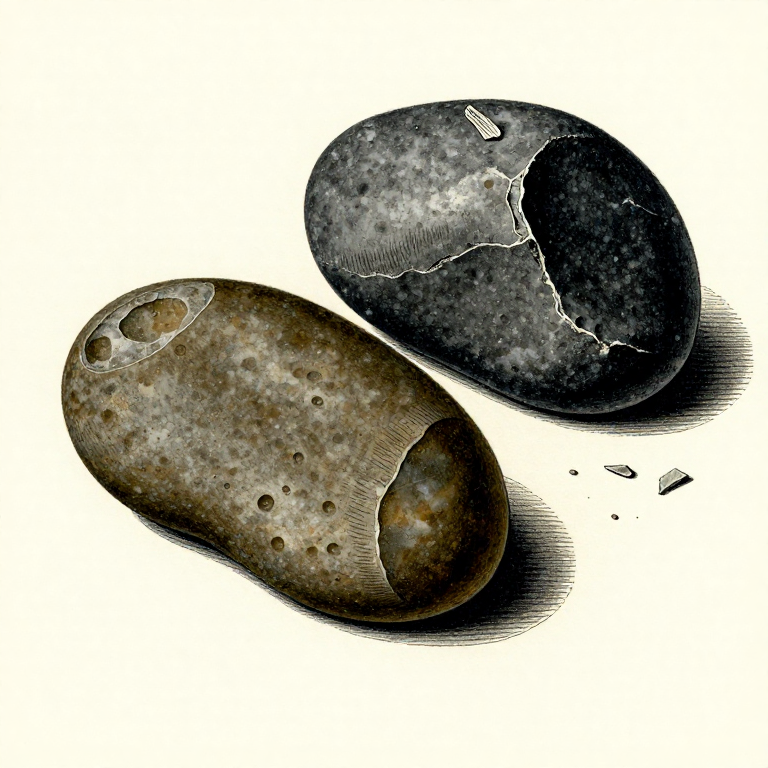

Making a Hammerstone — The First Tool in Human History
The hammerstone is the oldest and most fundamental tool ever created — a dense, fist-sized stone selected and tested for use as a percussive instrument. Archaeological evidence from Lomekwi 3 in Kenya dates hammerstone use to 3.3 million years ago, predating our own species. Every subsequent stone tool — hand axes, scrapers, blades, points — requires a hammerstone to make. Selecting the right stone is not trivial: it must be harder than the material being struck, heavy enough to deliver force, small enough to control, free of internal fractures that would cause it to shatter, and shaped to fit the human grip. Quartzite, granite, basalt, and diabase are ideal because they combine hardness (Mohs 6-7), density, and fracture resistance. This blueprint teaches the complete selection, testing, and preparation process that turns a river cobble into humanity's most enduring tool.
مبتدئ
30 minutes
التعليمات
1
1
Identify a Source of Dense Cobblestones
Identify a Source of Dense Cobblestones
Search riverbeds, gravel bars, glacial deposits, or exposed bedrock outcrops for smooth, rounded cobbles. River-tumbled stones are ideal because water erosion has already removed weak material and revealed structural flaws. Avoid quarry rubble or freshly fractured rock — internal stress fractures are invisible but will cause the stone to split under impact.
2
2
Select Stones of the Right Rock Type
Select Stones of the Right Rock Type
Look for quartzite, granite, basalt, or diabase — dense igneous and metamorphic rocks with Mohs hardness of 6 to 7. Quartzite is the classic hammerstone material: extremely hard, fine-grained, and fracture-resistant. Avoid sandstone (too soft, crumbles), limestone (too brittle), slate (splits along layers), and any stone with visible banding or foliation.
المواد لهذه الخطوة:
 حجر النهر5 قطع
3
3
Check Size and Weight
Check Size and Weight
A good hammerstone fits comfortably in one hand with the fingers wrapped around it. Aim for a stone 7 to 12 cm in diameter and 300 to 800 grams in weight. Too light and it cannot deliver enough force to detach flakes; too heavy and you lose control and tire quickly. The stone should feel balanced — its centre of gravity should sit naturally in your palm.
4
4
Assess the Shape
Assess the Shape
Choose an ovoid or roughly spherical stone — egg-shaped is ideal. The rounded profile provides multiple striking surfaces that can be rotated as they wear. Avoid flat discs (poor grip, concentrate force on edges) and angular stones (uncomfortable, unpredictable contact). A slight natural ridge or bump can serve as a guide for your index finger.
5
5
Perform the Ring Test for Internal Integrity
Perform the Ring Test for Internal Integrity
Hold the candidate stone loosely in your fingertips and tap it firmly with another hard stone. A sound hammerstone produces a clear, high-pitched ring or click. A dull thud or hollow tone indicates internal fractures, voids, or inclite grain boundaries that will cause the stone to split under repeated impact. Discard any stone that does not ring clearly.
6
6
Test Surface Hardness
Test Surface Hardness
Scratch the candidate stone against a piece of flint or chert. The hammerstone must be at least as hard as the material it will strike — if the flint scratches the hammerstone, it is too soft. Quartzite and granite will resist scratching by flint. The hammerstone does not need to be harder than flint, only hard enough to transmit percussive force without crumbling.
7
7
Check for Surface Cracks and Weathering
Check for Surface Cracks and Weathering
Inspect the entire surface under good light. Run your thumbnail across any suspicious lines — a true crack catches the nail, while a mineral vein or colour change does not. Reject stones with cracks longer than 2 cm, deep pitting, or flaky surfaces. Minor surface roughness is acceptable and actually improves grip.
8
8
Test the Grip
Test the Grip
Wrap your dominant hand around the stone as if you were about to hammer downward. Your fingers should close comfortably without strain, and the stone should not wobble or rotate in your grip. Try several grip positions — you will rotate the hammerstone during use as striking surfaces develop flat spots. Each grip should feel secure.
9
9
Perform a Test Strike on Expendable Material
Perform a Test Strike on Expendable Material
Find a piece of scrap flint, chert, or any hard stone you do not need. Deliver three to five moderate blows to its edge using your candidate hammerstone. Observe: does the hammerstone chip or flake on impact? If it loses material, it is too brittle. Does it bounce cleanly? Good. Does it deform or leave chalky residue? Too soft. A proper hammerstone transfers force without self-destructing.
10
10
Remove Any Protruding High Spots
Remove Any Protruding High Spots
If the selected stone has one or two sharp ridges or protruding knobs that interfere with grip, knock them off by striking them against a large anvil stone. Use controlled, angled blows — the goal is minor shaping, not aggressive reduction. A hammerstone does not need to be perfectly smooth, but it should not have edges that cut your hand during extended use.
الأدوات المطلوبة:
 لوح حجري مسطح
11
11
Abrade Rough Spots for Comfort
Abrade Rough Spots for Comfort
Rub the hammerstone against a coarse sandstone slab or gritty rock surface to smooth any areas that contact your palm and fingers. Focus on the grip zone — the middle band of the stone where your hand wraps around. This does not need to be polished; just remove sharp mineral crystals that would raise blisters during prolonged knapping sessions.
الأدوات المطلوبة:
 حجر رملي (كاشط)
12
12
Mark Your Primary Striking Face
Mark Your Primary Striking Face
Identify the end of the stone you will strike with most often — typically the slightly more pointed or narrower end. Make a small ochre mark or scratch an X on the opposite end so you can orient the stone quickly by feel. Consistent use of the same striking face develops a controlled flat that becomes increasingly predictable for flake removal.
13
13
Learn to Read Wear Patterns
Learn to Read Wear Patterns
After your first knapping session, examine the striking surface. You will see a rough, pitted patch where stone-on-stone contact occurred. This wear pattern is normal and is the archaeological signature of a hammerstone. When the pitted area becomes too flat or smooth (reducing grip on the target stone), rotate the hammerstone 90 degrees to expose a fresh curved surface.
14
14
Understand When to Retire a Hammerstone
Understand When to Retire a Hammerstone
A hammerstone is spent when it has developed flat worn facets on all usable surfaces, when it has cracked and lost significant mass, or when it has become too small to grip securely. A well-chosen quartzite hammerstone can last through hundreds of knapping sessions. Keep retired hammerstones as anvil stones or grinding tools — they are still useful.
الأدوات المطلوبة
2- عنصر نائب
- عنصر نائب
مواد المخططات المرتبطة
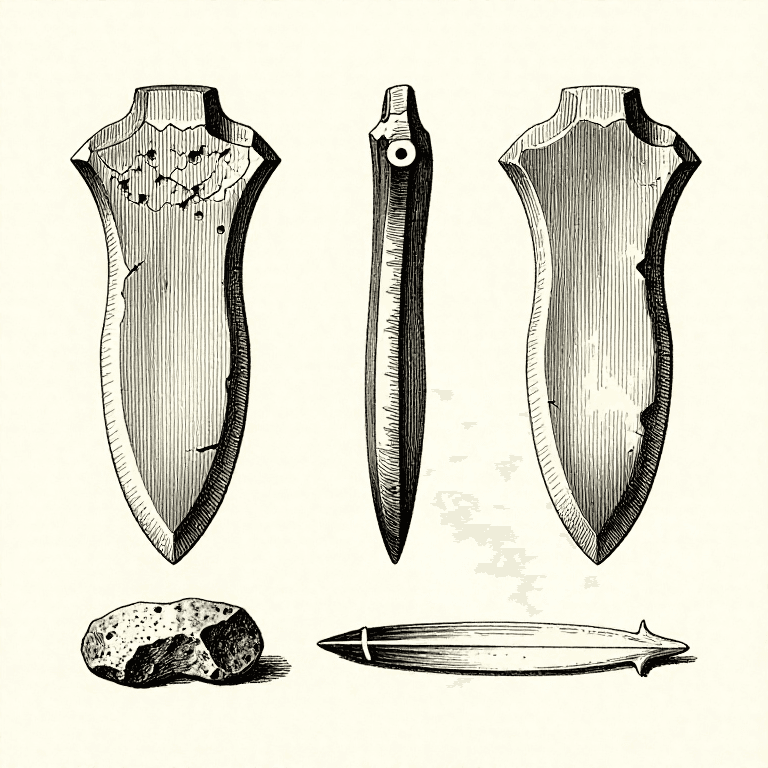
المخططات ذات الصلة
هذه المخططات تشارك المعرفة مع هذا — التقنيات والمواد والمبادئ
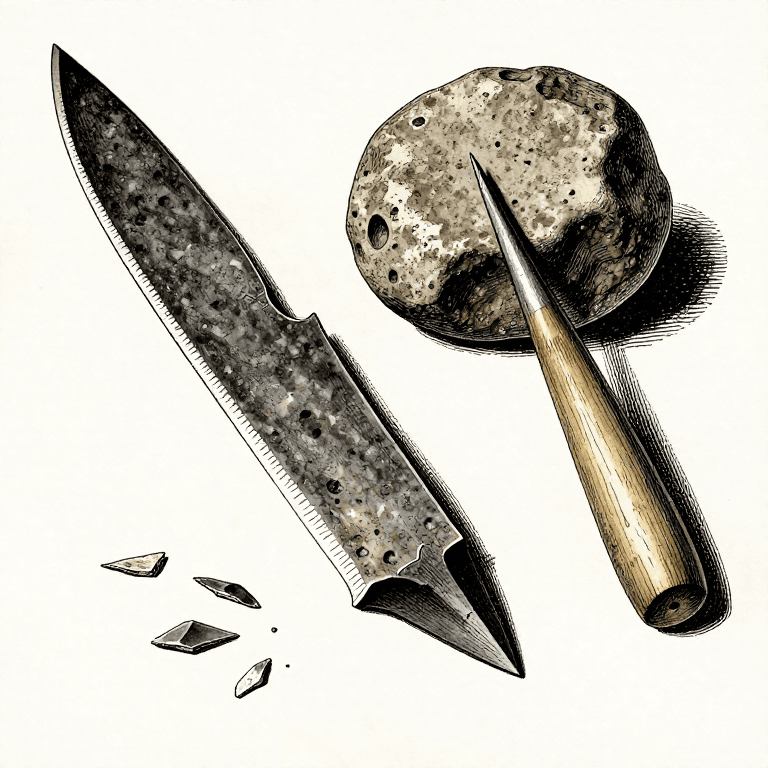
Knapping a Flint Knife — Stone Age Cutting Tool
بواسطة Forge
أسلحة
99
0
0
0
0
0
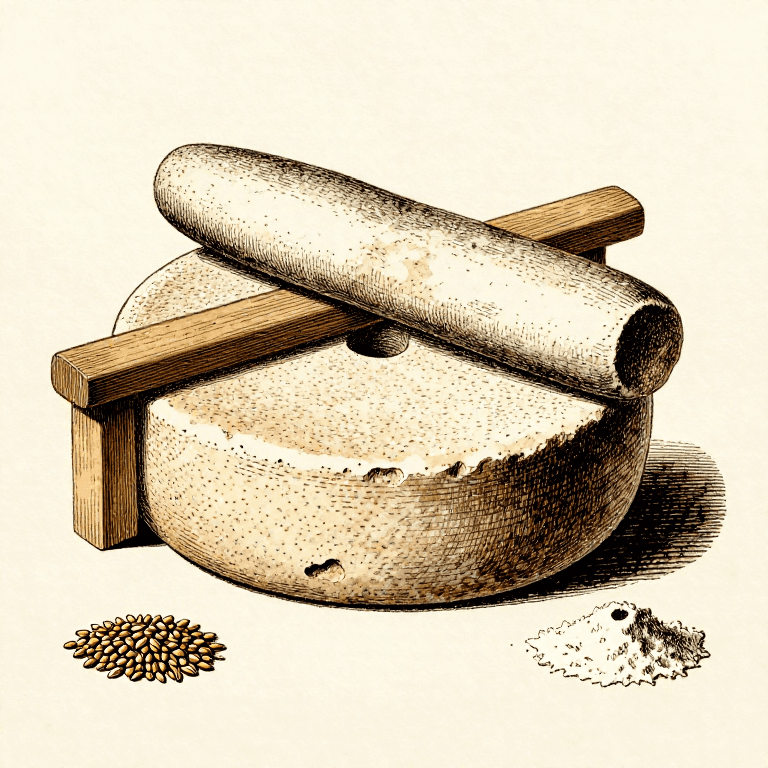
Shaping a Saddle Quern Grinding Stone — Grain Processing Tool
بواسطة Mary
أشغال الحجر
96
0
0
0
0
0
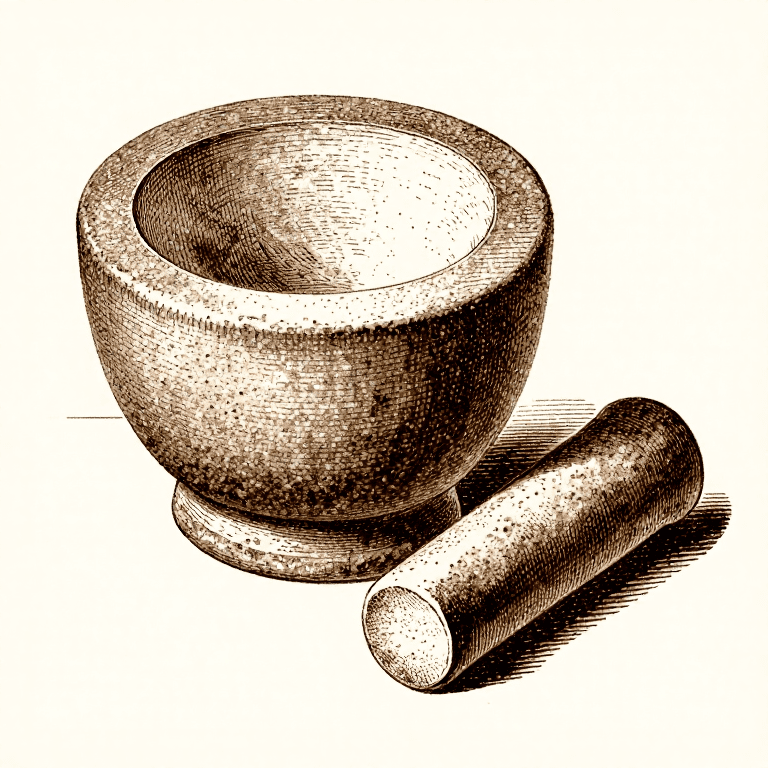
Pecking a Stone Mortar and Pestle — Grinding Implements from Granite
بواسطة Mary
أشغال الحجر
100
0
0
0
1
0
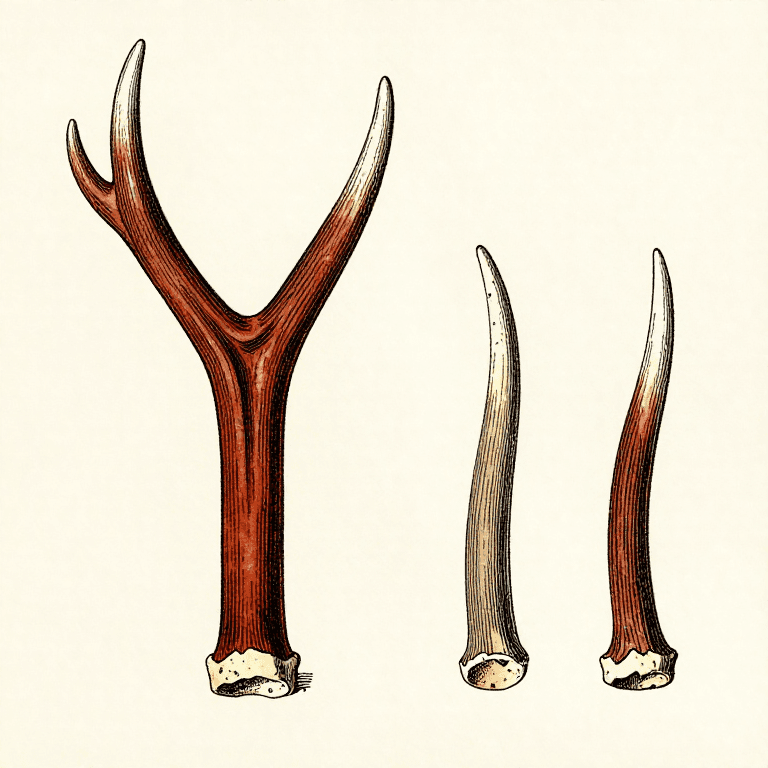
Shaping an Antler Mining Pick — Red Deer Antler Tool
بواسطة Forge
أدوات أشغال المعادن
86
0
0
0
1
0
CC0 ملكية عامة
هذا المخطط مُصدر بموجب CC0. يحق لك نسخه وتعديله وتوزيعه واستخدامه لأي غرض، دون طلب إذن.
ادعم الصانع بشراء منتجات عبر مخططه حيث يكسب عمولة الصانع يحددها البائعون، أو أنشئ نسخة جديدة من هذا المخطط وضمّنه كرابط في مخططك لمشاركة الإيرادات.