فنون
الجمال والعناية
حِرَف
الثقافة والتاريخ
ترفيه
البيئة
الطعام والمشروبات
الهندسة العكسية
العلوم
رياضة
التقنية
الأجهزة القابلة للارتداء



Sanitation Is Not Sterilisation: You Are Choosing Which Microbes Win
You cannot sterilise a home brewery and you do not need to. Sterilisation means killing everything; SANITATION means reducing the unwanted organisms enough that the one you want takes over first and outcompetes the rest.
That is the whole game. A vigorous yeast population pitched into a clean vessel acidifies and de-oxygenates its surroundings within hours, and after that very little else can get established. A weak start lets something else win.
Which reframes every sanitation instruction. It is not about hygiene in the abstract — it is about the head start, and every surface the liquid touches after the boil is a place the competition can enter.
مبتدئ
2 hours
التعليمات
1
1
Clean first, then sanitise — they are different jobs
Clean first, then sanitise — they are different jobs
CLEANING removes visible soil: the sticky film, the trub, the ring in the vessel. SANITISING kills what is left on an already clean surface. A sanitiser applied to a dirty surface does almost nothing, because organisms sheltering under a film of residue are never touched.
So the order is always clean, rinse, sanitise — and the cleaning is the part that takes effort. A dedicated brewery cleaner or plain unscented washing soda works; anything perfumed leaves residue that will end up in the flavour.
Never scrub plastic with an abrasive. Scratches in a plastic bucket or a siphon hose are permanent shelters that no sanitiser can reach into, and they are why a scratched fermenter eventually infects everything put in it.
المواد لهذه الخطوة:
 ماء1 لتر
الأدوات المطلوبة:
 طقم تنظيف وتعقيم لصناعة البيرة
 قنينة زجاجية كبيرة
 سيفون ذاتي التشغيل
2
2
Contact time is the specification, not the wetting
Contact time is the specification, not the wetting
Every sanitiser has a required contact time — typically 30 seconds to two minutes — and a required concentration. Both are on the label and both matter.
A quick splash and a shake is not sanitation. The surface has to stay wet with sanitiser at the right strength for the stated time, which for a carboy means filling it or rolling it thoroughly rather than rinsing it through.
No-rinse sanitisers are designed to be left. Rinsing them off with tap water undoes the work by re-introducing whatever is in the tap, which is the commonest way a careful brewer infects a batch.
المواد لهذه الخطوة:
ماء1 لترالأدوات المطلوبة:
طقم تنظيف وتعقيم لصناعة البيرةقنينة زجاجية كبيرة قفل الهواء
3
3
Everything after the boil, and nothing before it
Everything after the boil, and nothing before it
Boiling sterilises the wort. Before that point, cleanliness is ordinary kitchen hygiene and nothing more — sanitising a mash tun is wasted effort because everything in it is about to be boiled.
After the boil, every single thing that touches the liquid must be sanitised: the fermenter, the airlock, the siphon, the hydrometer, the sample jar, the spoon, the thermometer probe, the bottle caps, and your hands.
The chiller is the classic miss, because it goes into the hot wort and comes out of the cold. Sanitise it, and drop it in for the last fifteen minutes of the boil so the wort itself does the job.
المواد لهذه الخطوة:
ماء1 لترالأدوات المطلوبة:
طقم تنظيف وتعقيم لصناعة البيرةسيفون ذاتي التشغيل مقياس كثافة ومخبار اختبار للتخمير
 ميزان حرارة فوري القراءة
4
4
Not every ferment wants the same organisms
Not every ferment wants the same organisms
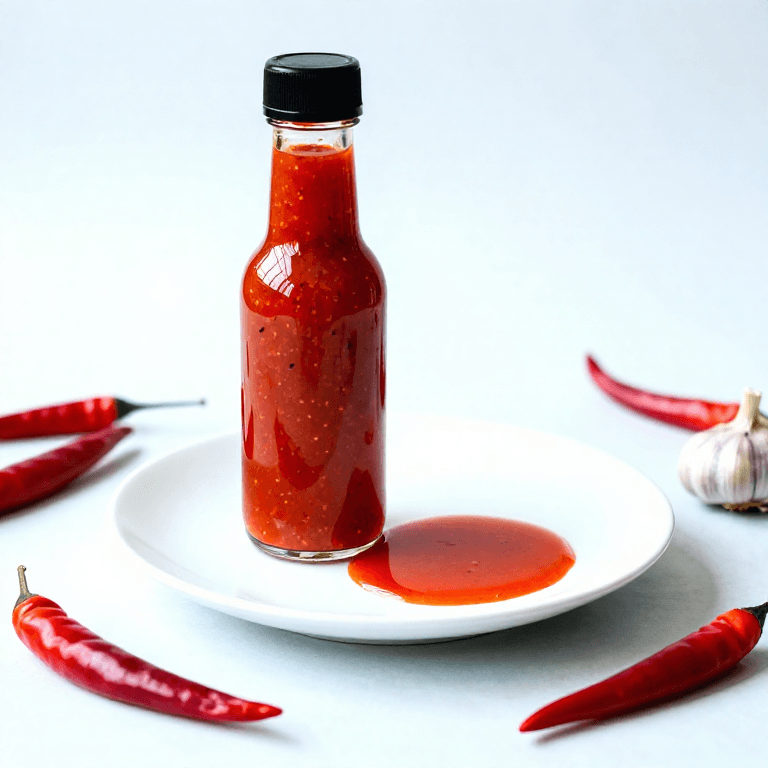
A clean beer wants one yeast and nothing else. A lacto-fermented hot sauce wants the bacteria that are already on the vegetables, and sanitising them off would defeat the entire process — there the SALT concentration is what selects, not sanitation.
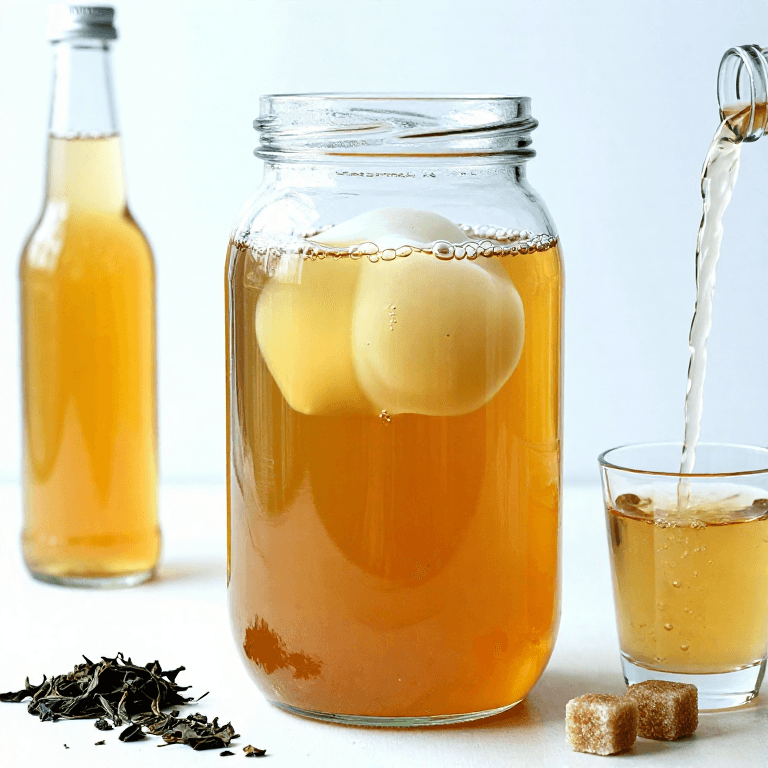
A kombucha SCOBY, a sourdough starter and a vinegar mother are all deliberately mixed cultures held in balance by acidity and by being fed. Their defence is the established population, not a sterile vessel.
So the question is always: what is doing the selecting here? Sanitation, salt, acidity, alcohol, temperature or an established culture. Knowing which one is protecting a given ferment tells you which mistake will ruin it.
المواد لهذه الخطوة:
 كلوريد الصوديوم (ملح)1 قطعةماء1 لتر
الأدوات المطلوبة:
طقم تنظيف وتعقيم لصناعة البيرة ميزان دقيق
الأدوات المطلوبة
7- طقم تنظيف وتعقيم لصناعة البيرةعمولة 10%عنصر نائب
- قنينة زجاجية كبيرةعمولة 10%عنصر نائب
- عنصر نائب
- عنصر نائب
- مقياس كثافة ومخبار اختبار للتخميرعمولة 10%عنصر نائب
- عنصر نائب
- عنصر نائب
المخططات ذات الصلة
هذه المخططات تشارك المعرفة مع هذا — التقنيات والمواد والمبادئ


CC0 ملكية عامة
هذا المخطط مُصدر بموجب CC0. يحق لك نسخه وتعديله وتوزيعه واستخدامه لأي غرض، دون طلب إذن.
ادعم الصانع بشراء منتجات عبر مخططه حيث يكسب عمولة الصانع يحددها البائعون، أو أنشئ نسخة جديدة من هذا المخطط وضمّنه كرابط في مخططك لمشاركة الإيرادات.