فنون
الجمال والعناية
حِرَف
الثقافة والتاريخ
ترفيه
البيئة
الطعام والمشروبات
الهندسة العكسية
العلوم
رياضة
التقنية
الأجهزة القابلة للارتداء
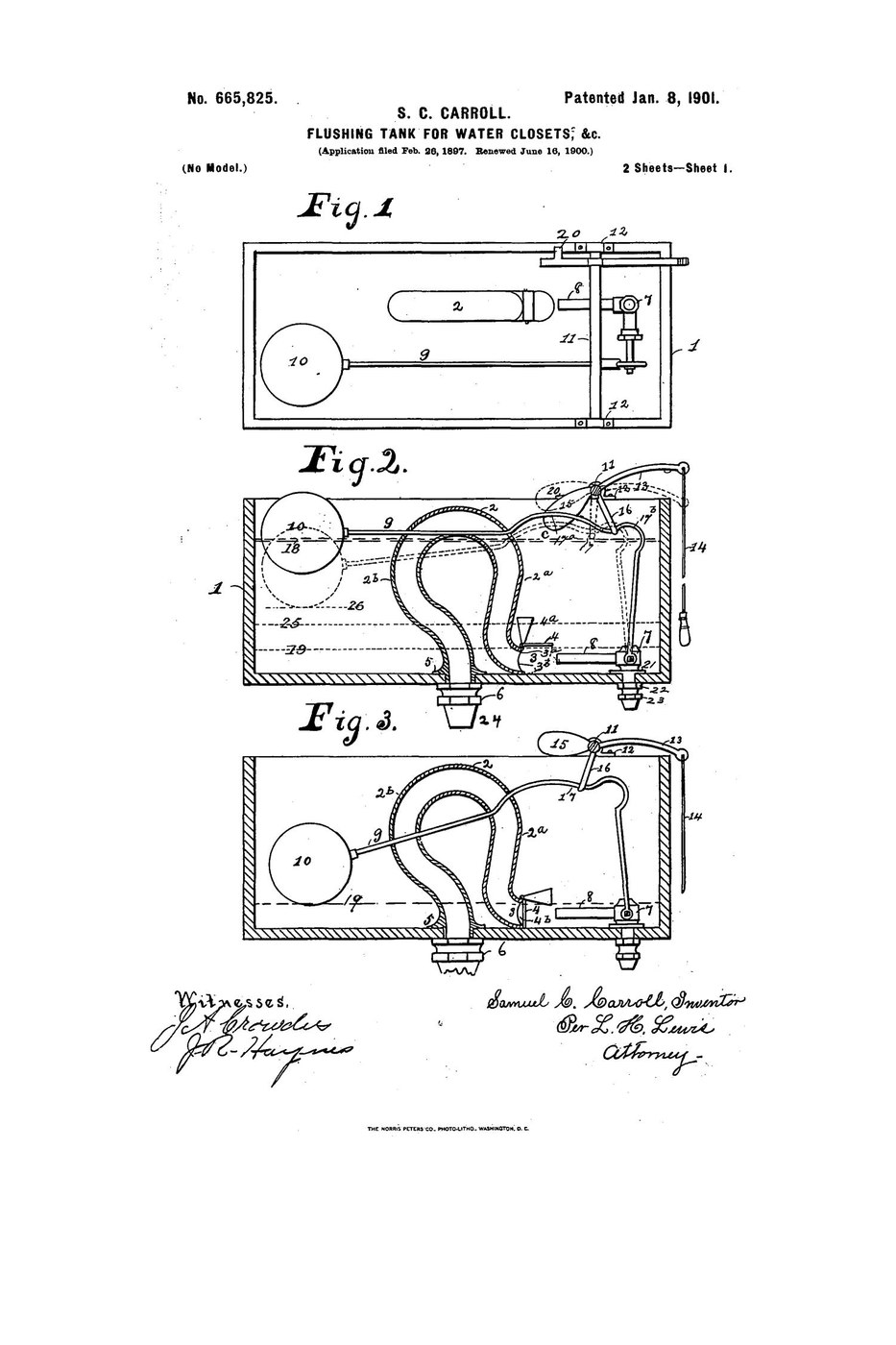


The Sewer Flushing Siphon Chamber
This is a sibling of `egg-shaped-sewer`. Both solve the same problem — a sewer that carries a flood in a storm and a trickle at four in the morning, where the trickle is too slow to keep solids moving and the pipe silts up. They solve it in opposite ways, and the choice between them is a capital-cost decision rather than a hydraulic one.
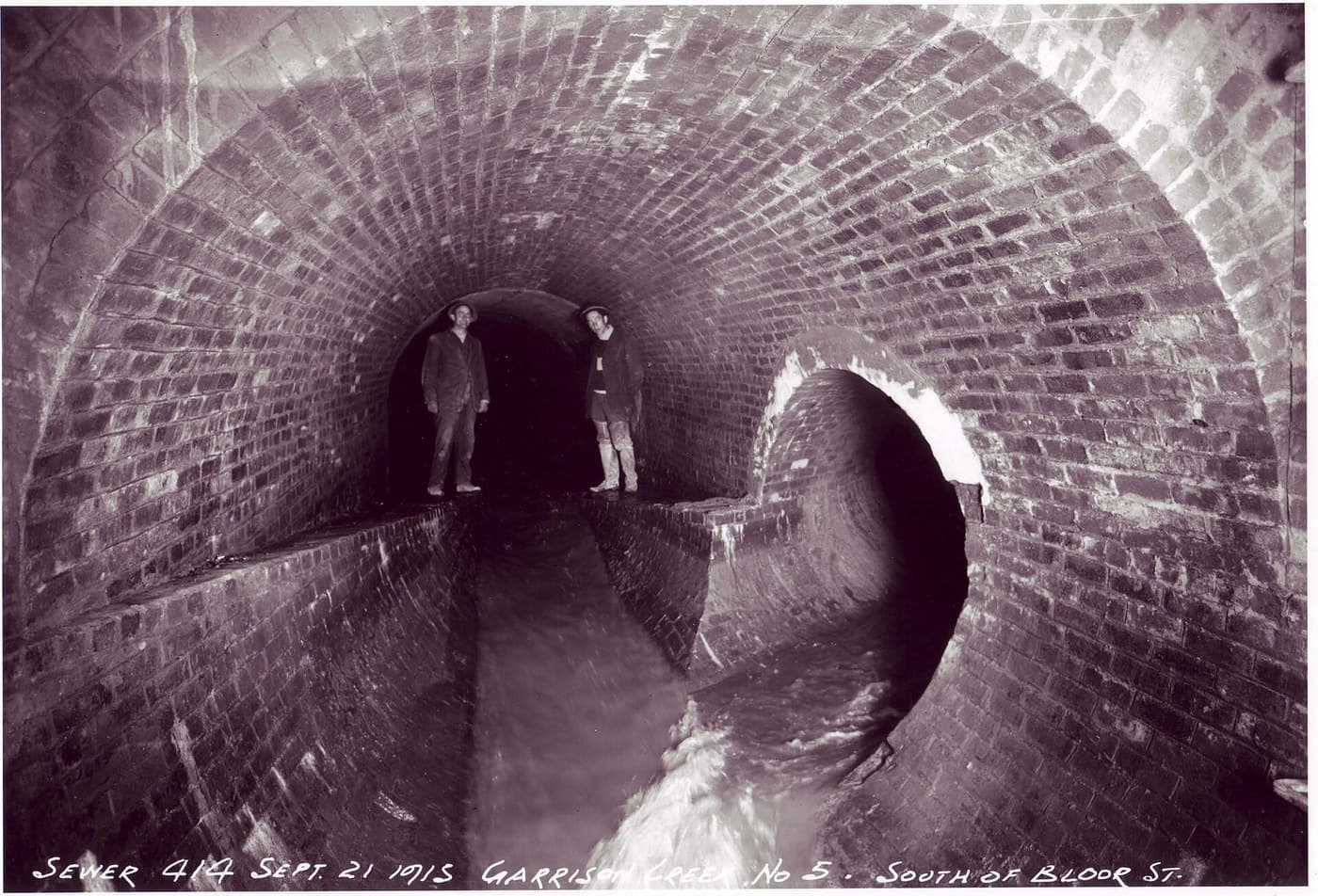
The egg-shaped sewer changes the PIPE. Narrow the invert so the same small flow becomes deeper and faster in the bottom of the section, and the low-flow velocity stays above the roughly 0.6 to 0.8 metres per second needed to keep grit and organic solids in suspension. It is a beautiful solution with no moving parts and no operating cost, and it requires every metre of sewer to be a purpose-made egg-section — historically brick, laid by skilled masons, and today an expensive precast or in-situ form.
The flushing siphon changes the FLOW instead. Leave the sewer round, which is the cheapest pipe anyone makes. At the head of the run put a chamber that fills slowly from a small inflow, and inside it an automatic siphon that does nothing at all until the water reaches a trigger level — at which point it discharges the entire chamber in a few seconds. That surge travels down the sewer as a wave, scouring the invert clean, and then the chamber begins filling again.
The trade is stated plainly. The egg costs money once, in the pipe, and nothing thereafter. The siphon costs almost nothing in pipe and requires a chamber, a water supply and a device that must keep working unattended for decades in the worst environment in civil engineering. The egg cannot be retrofitted; the siphon can be added to an existing round sewer that is already silting.
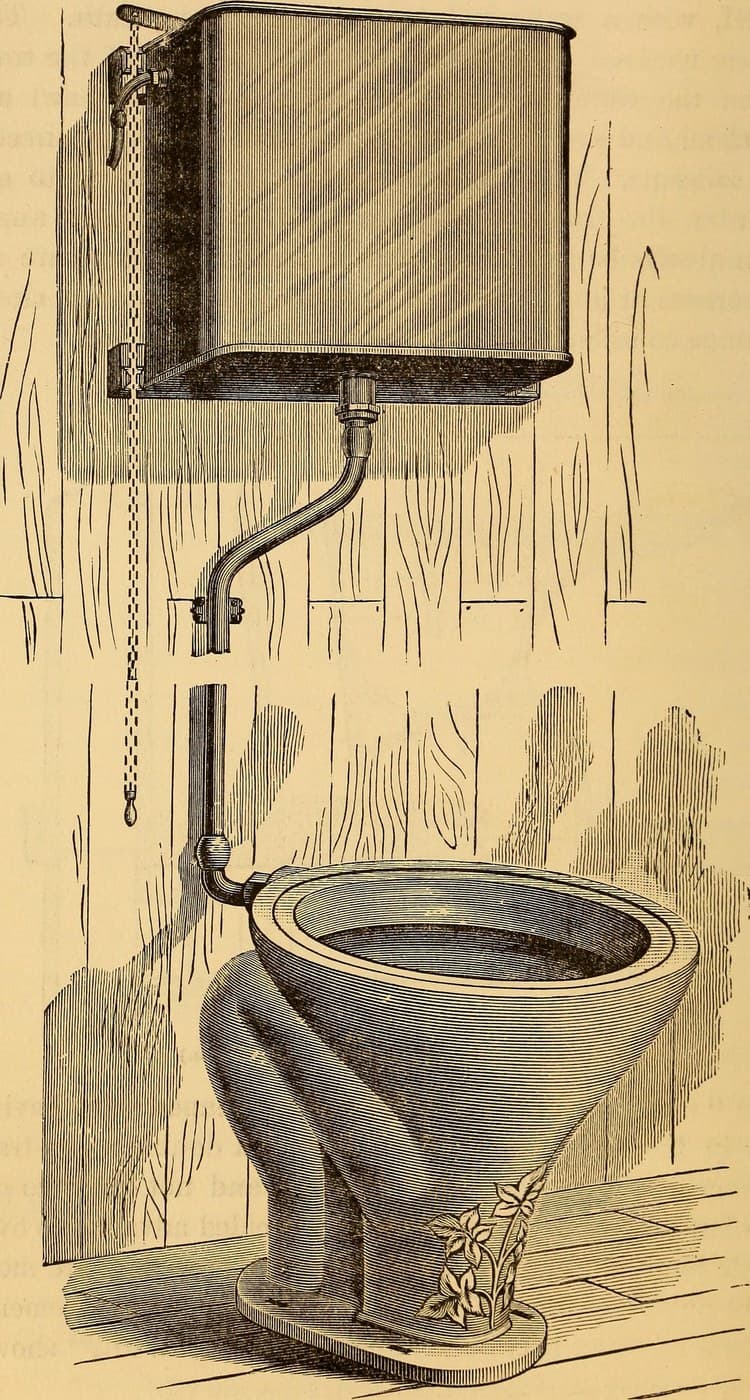
The siphon here is the same mechanism as the one in `siphonic-flush-cistern`, at forty times the scale and with no handle — it triggers itself. You will build one, get it to trip reliably, and measure the wave it sends.
متوسط
5 hours
التعليمات
1
1
Build a siphon that trips itself, with nothing to pull
Build a siphon that trips itself, with nothing to pull
A cistern siphon is started by a person lifting water over the crown. A flushing siphon must start with nobody present, and how it does that is the whole device.
THE PRINCIPLE. A bell siphon has an inverted U — or a bell over a standpipe, which is the same thing — with its outlet lower than its inlet. As the chamber fills, water rises inside the bell and air is trapped above it. The trapped air is compressed as the level rises. When the water outside reaches the trigger height, the compressed air is forced out under the bell's skirt in a rush, water follows it over the crown, the leg fills, and the siphon primes itself. Once primed it runs until the chamber level drops to the skirt and air is admitted, which breaks it cleanly.
BUILD IT. A 20 litre bucket as the chamber. Inside it, a standpipe of 32 millimetre pipe rising from an outlet in the base to a crown 250 millimetres up. Over that, a bell made from 75 millimetre pipe closed at the top, its open skirt ending 30 millimetres above the chamber floor. The bell must be a loose fit over the standpipe — a 20 millimetre annular gap — so the water has a path up and the trapped air has somewhere to be.
The two dimensions that decide whether it works: the crown height sets the trigger level, and the skirt height sets the break level. The difference between them is the volume that gets discharged, and it must be the whole useful contents of the chamber or the flush is feeble.
FEED IT SLOWLY. A tap dribbling at 200 millilitres per minute, or a peristaltic pump. Slow is the point — this device exists precisely to convert a slow, useless inflow into a fast, useful one, so feeding it fast proves nothing.
NOW WATCH. The level rises, and for several minutes nothing happens. Then the level passes the crown, and there is a moment of gurgling as air escapes under the skirt. Then the siphon primes and the bucket empties in a few seconds with a strong solid flow. Then it stops dead, and refilling begins.
THE COMMON FAILURE, AND IT IS WORTH CAUSING. If the annular gap is too large, air escapes gradually as the level rises instead of being held and released in one go, and the siphon dribbles rather than priming — it passes water at roughly the inflow rate and never surges. That is a snoring siphon, it is exactly what the device must not do, and the fix is to reduce the gap or lengthen the skirt so the air is genuinely trapped. Make it happen deliberately by propping the bell up a few millimetres, then fix it, so you know the symptom.
MEASURE THE DISCHARGE. Time the flush and catch it in a graduated bucket. Divide volume by time for the mean discharge rate, and compare that with your 200 millilitres per minute inflow. A ratio of 50 to 200 is normal. That ratio is the entire value of the device: it does not create water, it concentrates it in time.
المواد لهذه الخطوة:
 دلو سعة 20 لترًا2 قطع
 أنبوب PVC شفاف2 metre
 تشكيلة وصلات أنابيب PVC1 طقم
 غراء مذيب للـ PVC1 قطعة
 مادة إحكام سيليكونية1 قطعة
الأدوات المطلوبة:
 منشار حديد
 مثقاب لاسلكي
 طقم لقم ثقب
 دلو
دلو ساعة إيقاف
 Digital Calipers - 152.4 mm
2
2
Send the wave down a round pipe and see what it moves
Send the wave down a round pipe and see what it moves
A flush is only useful if it scours. Build the sewer and prove it.
THE TEST SEWER. Four metres of 75 millimetre clear pipe, laid at a shallow gradient — 1 in 100 is a realistic small sewer and it is deliberately too flat to be self-cleansing at low flow. Clear pipe, because the entire experiment is watching what happens to the solids. Support it every 500 millimetres so it does not sag; a sag becomes a silt trap and confounds the result.
CHARGE IT WITH SOLIDS. Use a defined surrogate rather than anything real: coarse sand as the grit fraction, and soaked paper pellets or lentils as the organic fraction. Distribute a measured mass evenly along the invert.
RUN THE BASELINE FIRST. Feed the pipe with your slow 200 millilitres per minute inflow directly, bypassing the siphon, for thirty minutes. Watch what happens. The water finds a shallow narrow stream in the bottom of the round pipe, moving far too slowly to lift anything. Some fine sand creeps. Nothing else moves. Photograph the invert and weigh what has arrived at the outlet — it will be almost nothing.
That is the problem the whole subject exists to solve, and seeing four metres of solids sitting still under a running flow is a better argument than any calculation.
NOW FIT THE SIPHON at the head and let it cycle. Each flush sends a wave down the pipe. Watch a single wave: it arrives as a distinct front, the depth jumps, the velocity is visibly high for a couple of seconds, and solids are picked up and carried. Then it passes and the pipe returns to a trickle.
MEASURE THREE THINGS. The wave celerity — time the front between two marks a known distance apart. The peak depth, read against a scale taped to the pipe. And the mass of solids delivered to the outlet per flush, caught in a sieve and dried.
RUN TEN CYCLES and plot cumulative solids recovered against flush number. It should rise steeply and then flatten as the easily moved material goes and the rest stays.
That flattening is important and is the honest limit of the method. A flush wave scours what it can reach at the velocity it achieves. Material that has consolidated, or that sits beyond the distance the wave stays fast enough, does not move. The wave decays as it travels — it spreads out and slows — so a flushing siphon protects a limited length of sewer downstream, typically a few hundred metres at full scale. Beyond that you need another one.
An egg-shaped sewer has no such limit. Its low-flow velocity is a property of every metre of the pipe, all the time, for as long as the sewer exists. That is what the extra capital cost buys, and now you have measured the thing it is buying.
المواد لهذه الخطوة:
أنبوب PVC شفاف5 metre رمل5 kilogram
 عدس مجفّف1 kilogram
 ملوّن غذائي مركّز1 قطعة
 طقم مناخل (فتحات متدرّجة)1 طقم
الأدوات المطلوبة:
ساعة إيقاف ميزان رقمي دقيق
 مسطرةدلو
3
3
Scour velocity, wave decay, and which one is cheaper
Scour velocity, wave decay, and which one is cheaper
جارٍ تحميل دفتر Jupyter…
الأدوات المطلوبة:
 حاسوب مكتبي
المواد
9- 2 قطععنصر نائب
- 7 metreعنصر نائب
- عنصر نائب
- 1 قطعةعنصر نائب
- 1 قطعةعنصر نائب
- 5 kilogramعنصر نائب
- 1 kilogramعنصر نائب
- 1 قطعةعنصر نائب
- عنصر نائب
الأدوات المطلوبة
9- عنصر نائب
- 1 vendor sell this, none ship to you yetعنصر نائب
- عنصر نائب
- عنصر نائب
- عنصر نائب
- Digital Calipers - 152.4 mmعمولة 10%$14.14
- عنصر نائب
- عنصر نائب
- عنصر نائب
المخططات ذات الصلة
هذه المخططات تشارك المعرفة مع هذا — التقنيات والمواد والمبادئ

CC0 ملكية عامة
هذا المخطط مُصدر بموجب CC0. يحق لك نسخه وتعديله وتوزيعه واستخدامه لأي غرض، دون طلب إذن.
ادعم الصانع بشراء منتجات عبر مخططه حيث يكسب عمولة الصانع يحددها البائعون، أو أنشئ نسخة جديدة من هذا المخطط وضمّنه كرابط في مخططك لمشاركة الإيرادات.