
शंख की चूड़ी
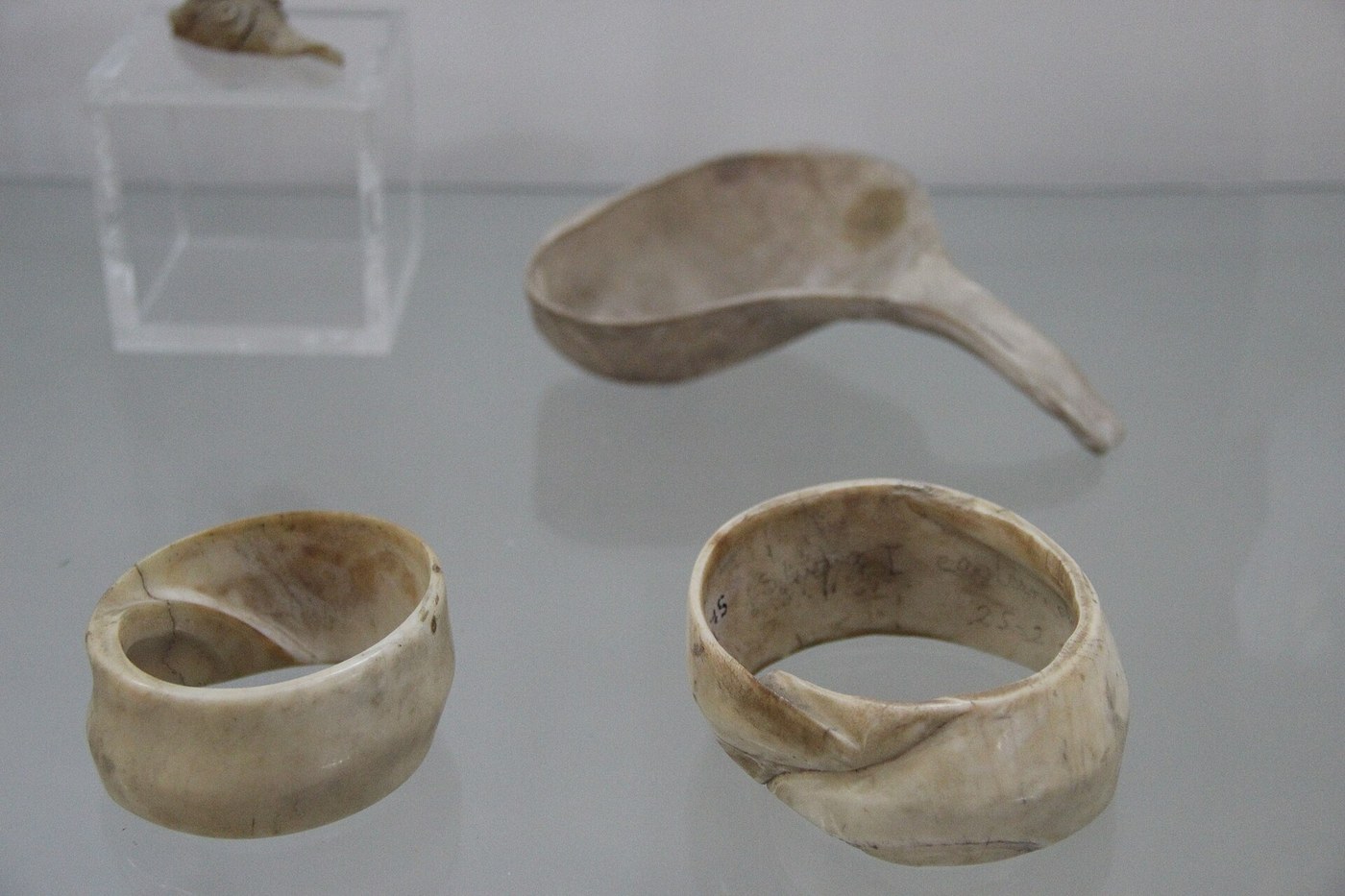
एक शंख से चूड़ी बनती है — काटकर, घिसकर, चमकाकर। हड़प्पा के कारीगर यही करते थे, चार हज़ार साल पहले।
शंख गोल नहीं होता, इसलिए उसमें से गोल छल्ला निकालना आसान नहीं। शंख की दीवार मोटी होती है और भीतर एक मज़बूत खंभा — कोलुमेला — होता है। कारीगर पहले नोक और कोलुमेला हटाता है, फिर बची हुई नली से एक-एक करके छल्ले काटता है।
यह काम आरी का है, छेनी का नहीं। शंख भंगुर होता है — ठोकने से टूटता है, घिसने से कटता है। इसीलिए हड़प्पा की बस्तियों में तांबे की पतली आरियाँ मिलती हैं, और उनके साथ कटे हुए शंख का ढेर सारा कचरा।
التعليمات
मोटी दीवार वाला शंख चुनें
मोटी दीवार वाला शंख चुनें
ऐसा शंख लें जिसकी दीवार मोटी हो। हड़प्पा में इसी काम के लिए Turbinella pyrum इस्तेमाल होता था — कच्छ की खाड़ी के किनारे मिलने वाला मज़बूत शंख।
المواد لهذه الخطوة:
 صدفة محارية كبيرة1 قطعة
हमेशा गीला काटें और मास्क पहनें
हमेशा गीला काटें और मास्क पहनें
शंख की धूल फेफड़ों के लिए हानिकारक है। हर कटाई और घिसाई पानी में या पानी डालते हुए करें, और मास्क पहनें। गीला काटने से धूल भी नहीं उड़ती और आरी भी ठंडी रहती है।
الأدوات المطلوبة:
 كمامة تنفّس N95
 نظارة أمان محكمة
शंख को कुछ दिन भिगोएँ
शंख को कुछ दिन भिगोएँ
शंख को दो-तीन दिन पानी में रखें। सूखा शंख काटते समय चटकता है; भीगा हुआ ज़्यादा सधा रहता है।
नोक काटकर अलग करें
नोक काटकर अलग करें
ऊपर की नुकीली चोटी काट दें। यहाँ की दीवार पतली और टेढ़ी है — इससे कोई छल्ला नहीं बनता।
الأدوات المطلوبة:
 منشار يدوي
भीतर का कोलुमेला निकालें
भीतर का कोलुमेला निकालें
शंख के भीतर का मोटा खंभा काटकर निकालें। यही सबसे कठिन हिस्सा है और यही सबसे ज़्यादा समय लेता है — पर इसके बिना नली नहीं बनती।
बाहर की सतह घिसकर सीधी करें
बाहर की सतह घिसकर सीधी करें
बची हुई नली को पत्थर पर घिसकर बाहर से एक-सा कर लें। नागेश्वर और बालाकोट जैसी हड़प्पा बस्तियों में ऐसे लंबे घिसाई-पत्थर मिले हैं।
الأدوات المطلوبة:
 ورق صنفرة
कटाई की जगह निशान लगाएँ
कटाई की जगह निशान लगाएँ
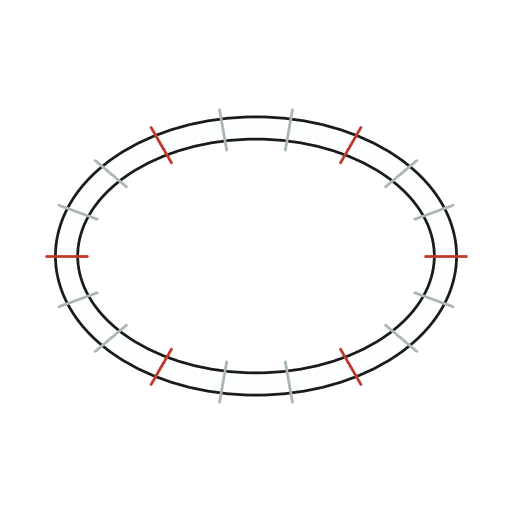
नली पर बराबर दूरी पर रेखाएँ खींचें — हर रेखा एक चूड़ी। पहले नाप लें, फिर काटें; एक शंख से कितनी चूड़ियाँ निकलेंगी, यह अभी तय होता है।
الأدوات المطلوبة:
 مسطرة
مسطرةपतली आरी से एक छल्ला काटें
पतली आरी से एक छल्ला काटें
पतले ब्लेड वाली आरी से, पानी डालते हुए, धीरे-धीरे काटें। दबाव कम रखें। ज़ोर लगाने से शंख टूटता है, कटता नहीं।
आरी को घुमाते हुए चारों ओर काटें
आरी को घुमाते हुए चारों ओर काटें
एक ही जगह से पूरा न काटें — नली घुमाते जाएँ और चारों ओर से बराबर गहराई तक काटें। इससे आख़िर में छल्ला साफ़ अलग होता है।
भीतर की सतह घिसें
भीतर की सतह घिसें
छल्ले के भीतर की तरफ़ घिसकर चिकना करें। यही हिस्सा त्वचा से लगेगा, और खुरदरा किनारा पहनने लायक नहीं रहता।
किनारे गोल करें
किनारे गोल करें
दोनों किनारों को घिसकर गोल करें। तेज़ किनारा पहनने में कटता है और गिरने पर वहीं से टूटता है।
चमकाएँ
चमकाएँ
बारीक रेत और फिर कपड़े से घिसकर चमक लाएँ। शंख अपने आप चमकता है — कोई लेप नहीं चाहिए।
चाहें तो नक्काशी करें
चाहें तो नक्काशी करें
हड़प्पा की कई चूड़ियों पर पतली खुदी हुई रेखाएँ मिलती हैं। बारीक औज़ार से हल्की लकीरें बनाएँ — गहरी खुदाई चूड़ी को कमज़ोर कर देती है।
बचा हुआ टुकड़ा फेंकें नहीं
बचा हुआ टुकड़ा फेंकें नहीं
कटाई से बचे टुकड़ों से मनके या जड़ाई के टुकड़े बनाएँ। हड़प्पा के कारीगर भी यही करते थे — कचरे से छोटी चीज़ें।
इतिहास और संदर्भ
इतिहास और संदर्भ
एक पूरा उद्योग। हड़प्पा सभ्यता में शंख का काम एक बड़ा उद्योग था, और इसमें सबसे ज़्यादा इस्तेमाल होने वाला शंख था Turbinella pyrum — सौराष्ट्र के ज्वार-भाटा क्षेत्र में मिलने वाला मोटी दीवार का शंख।
कारख़ाने कहाँ थे। नागेश्वर (गुजरात) और बालाकोट (पाकिस्तान) जैसी बस्तियों में टूटे गहने, अधूरी चूड़ियाँ और कटाई का ढेर सारा कचरा मिला है — यही सीधा प्रमाण है कि वहाँ उत्पादन होता था। साथ में घिसाई के लंबे पत्थर, मूसल और हथौड़े-पत्थर भी मिले हैं।
औज़ार। खुदाई में तांबे के आरी-ब्लेड, छेनियाँ और सान के पत्थर मिले हैं — यानी काम कई चरणों में बँटा था। दिलचस्प बात यह है कि कुछ हड़प्पा मुहरों पर बना चिह्न शंख काटने की आरी जैसा दिखता है, यानी औज़ार ख़ुद लिपि में दर्ज हो गया।
कचरा भी काम आता था। चूड़ी काटने के बाद बचा हुआ शंख फेंका नहीं जाता था — उससे मनके और जड़ाई के टुकड़े बनाए जाते थे। चार हज़ार साल पहले भी कच्चे माल की क़ीमत यही तय करती थी कि कुछ बर्बाद न हो।
परंपरा टूटी नहीं। हड़प्पा सभ्यता के अंत के बाद भी शंख की चूड़ी बनना बंद नहीं हुआ। बंगाल में आज भी शाखा — शंख की चूड़ी — बनती और पहनी जाती है। सभ्यताएँ ख़त्म होती हैं; कारीगरी अक्सर उनके बाद भी चलती रहती है।
المواد
1- 1 قطعةعنصر نائب
الأدوات المطلوبة
5- عنصر نائب
- عنصر نائب
- عنصر نائب
- عنصر نائب
- عنصر نائب
هذا المخطط يصنع
CC0 ملكية عامة
هذا المخطط مُصدر بموجب CC0. يحق لك نسخه وتعديله وتوزيعه واستخدامه لأي غرض، دون طلب إذن.
ادعم الصانع بشراء منتجات عبر مخططه حيث يكسب عمولة الصانع يحددها البائعون، أو أنشئ نسخة جديدة من هذا المخطط وضمّنه كرابط في مخططك لمشاركة الإيرادات.