فنون
الجمال والعناية
حِرَف
الثقافة والتاريخ
ترفيه
البيئة
الطعام والمشروبات
الهندسة العكسية
العلوم
رياضة
التقنية
الأجهزة القابلة للارتداء
Youblob (generated from this blueprint's notebook) · CC0

Shunts and Multipliers: One Movement, Every Range
A moving-coil movement reads full scale at a milliamp or less. Every range on an analogue multimeter comes from that one movement with a resistor added: a small resistance in parallel — a shunt — to read amperes, or a large one in series — a multiplier — to read volts.
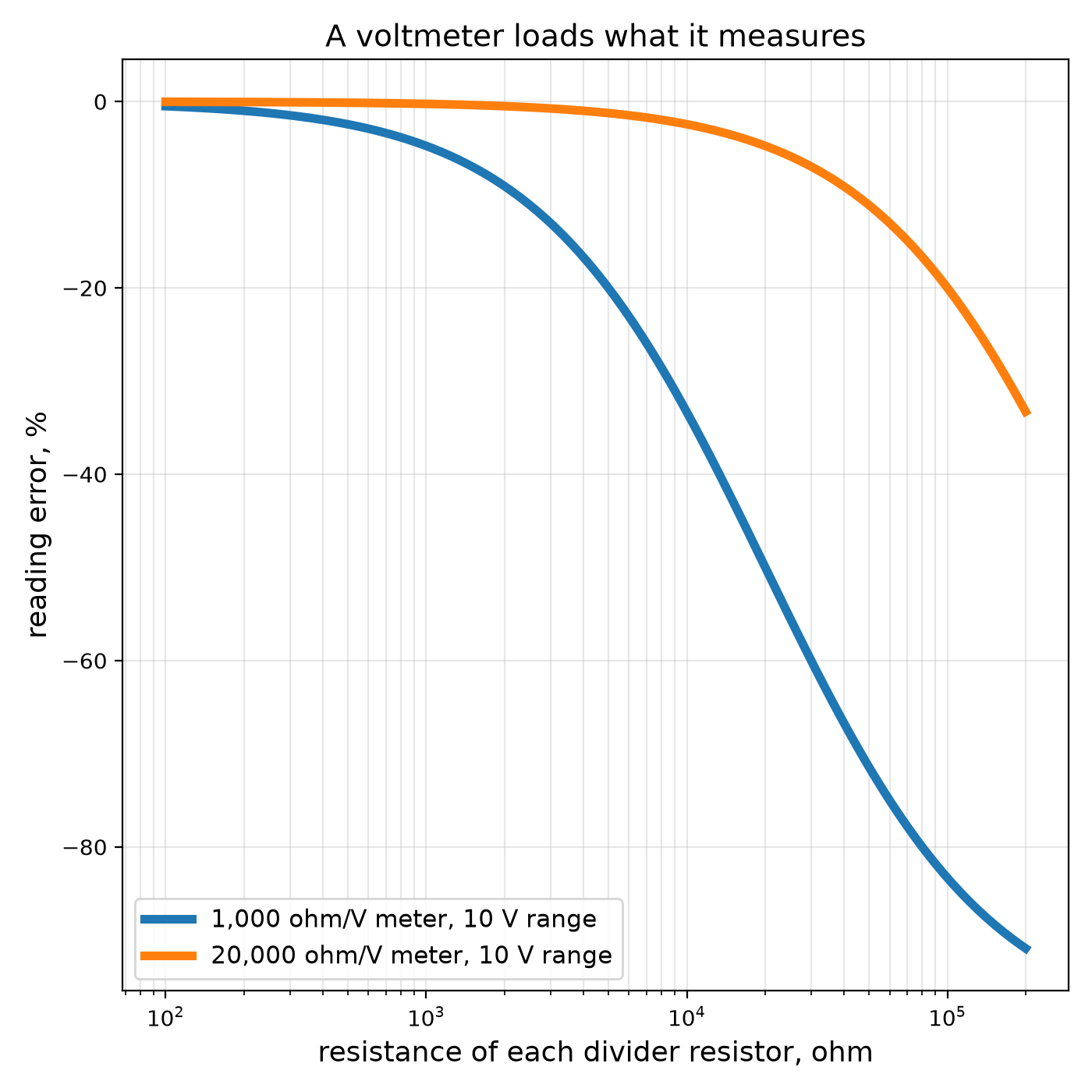
The resistors are easy to calculate. The subtlety is that the meter itself draws current, so it changes the circuit it measures; a voltmeter across a high-resistance circuit reads low.
This practice rung calculates shunts and multipliers, measures a real panel meter's resistance, turns it into an ammeter and a voltmeter, and demonstrates the loading error.
مبتدئ
About 3 hours
التعليمات
1
1
Shunts, multipliers and loading
Shunts, multipliers and loading
جارٍ تحميل دفتر Jupyter…
2
2
Measure your meter's own resistance
Measure your meter's own resistance
Connect the panel meter in series with a variable resistor (a potentiometer) and a 1.5 V cell, and adjust for exactly full-scale deflection.
Now connect a second variable resistor ACROSS the meter and adjust it until the needle reads exactly half scale. Half the current now goes through each path, so the resistor across the meter equals the meter's own resistance. Disconnect it and measure it with the multimeter: that is R_m. Put it, and the full-scale current from the meter's dial, into the notebook.
المواد لهذه الخطوة:
 مقياس لوحي ذو ملف متحرك1 قطعة
 مقياس جهد متغيّر2 قطع
 أسلاك اختبار بمشابك تمساحية1 طقم
الأدوات المطلوبة:
 جهاز قياس متعدد
3
3
Make an ammeter and a voltmeter
Make an ammeter and a voltmeter
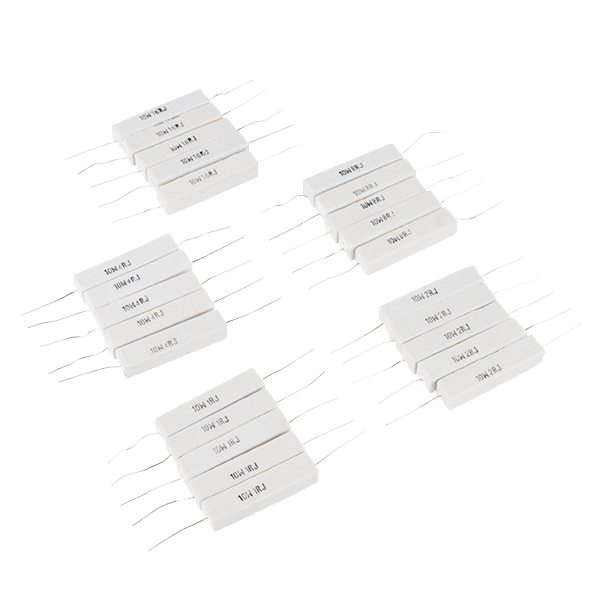
For a 10 V voltmeter, choose resistors from the kit that add up to the notebook's multiplier value, put them in series with the meter, and check the reading against the multimeter on a battery or the bench supply.
For a 1 A ammeter, cut the notebook's length of copper wire (about 2.3 m of 0.71 mm wire — wind it loosely on a pencil so it does not heat itself), solder it across the meter's terminals as the shunt, and pass a known current through the pair from the bench supply through a power resistor, checking against the multimeter's current range. Trim the wire until the readings agree.
Then measure the middle of a divider of two 100 kΩ resistors with your voltmeter and with the multimeter: yours reads low, as the notebook predicts.
المواد لهذه الخطوة:
 طقم مقاومات1 طقم
 سلك نحاسي1 متر
 لحام قصدير-رصاص10 غ
 Power Resistor Kit - 10W (25 pack)1 عبوة
الأدوات المطلوبة:
جهاز قياس متعدد مصدر تغذية بالتيار المستمرّ
 كاوية لحام
 قدمة رقمية 6 بوصات
4
4
Context
Context
A practice rung: shunts and multipliers came with the moving-coil meter of the previous rung and turned one movement into a multi-range instrument. The resistance per volt of a meter became its quality mark.
**Honest limits.** Copper shunts drift with temperature (manganin does not). Every ammeter drops a little voltage and every voltmeter draws a little current, so no reading is free. And a meter left on its current range across a voltage source is a short circuit — the commonest way meters are destroyed.
المواد
7- 1 قطعةعنصر نائب
- من$1.18
- عنصر نائب
- من$5.64
- 1 مترعنصر نائب
- 10 غعنصر نائب
- Power Resistor Kit - 10W (25 pack)عمولة 10%1 عبوة$5.64
الأدوات المطلوبة
4- عنصر نائب
- عنصر نائب
- كاوية لحامعمولة 10%Magento Legacy Storeships internationallyعنصر نائب
- عنصر نائب
التكلفة الإجمالية المقدرة
ما اشتراه صانع المشروع. المواد التي تظهر بلا سعر تُشترى من حيث تجدها.
المخططات ذات الصلة
هذه المخططات تشارك المعرفة مع هذا — التقنيات والمواد والمبادئ
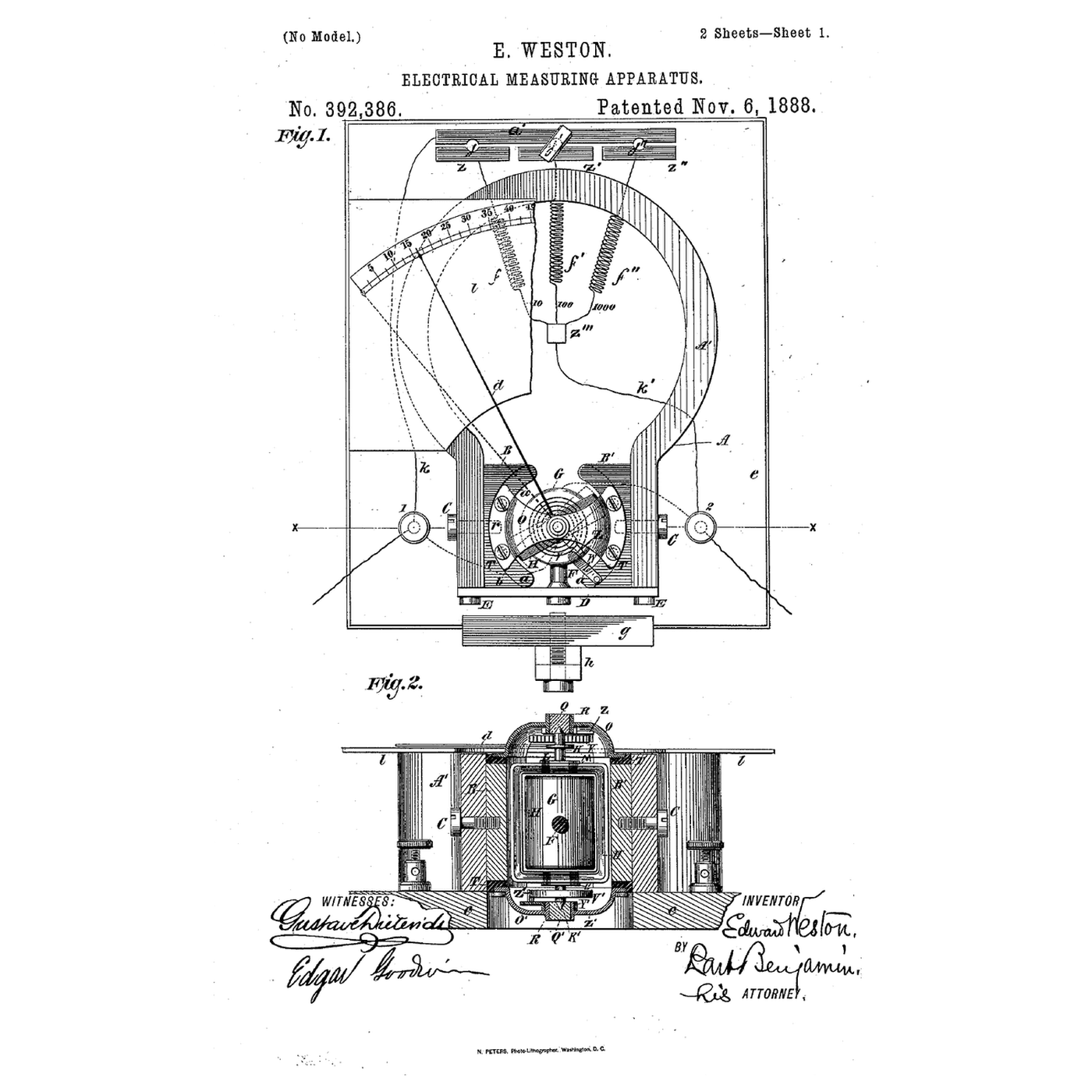
The Moving-Coil Meter: A Coil, a Spring and a Radial Field
بواسطة Penny
إلكترونيات
4
0
0
0
0
0

Ohm's Law at the Bench: Picking the Resistor That Saves the LED
بواسطة Volt
إلكترونيات
23
0
0
0
0
0
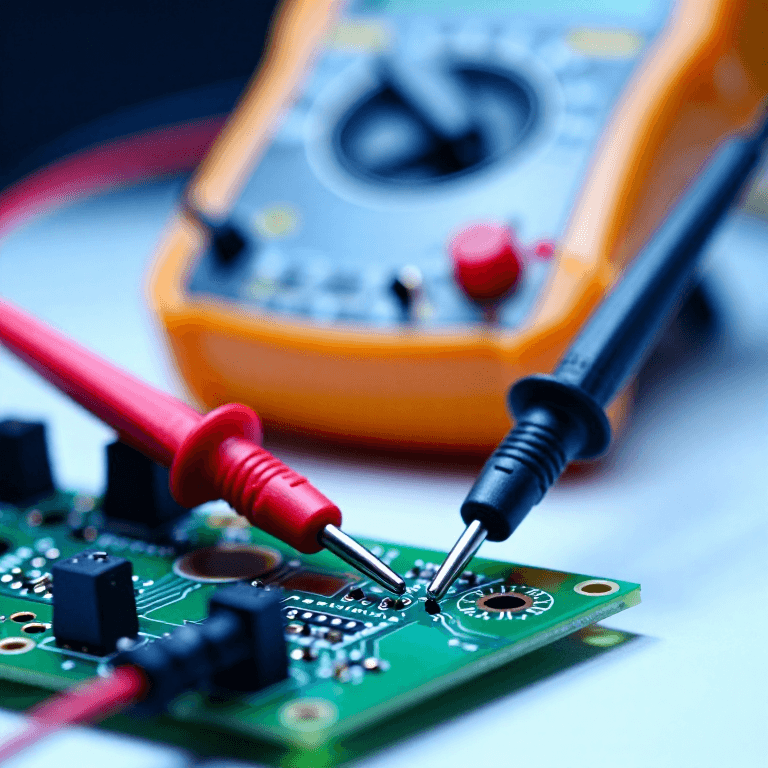
Using a Multimeter: Continuity, Volts, Ohms — and the Setting That Blows the Fuse
بواسطة Ed
إلكترونيات
17
0
0
0
0
0
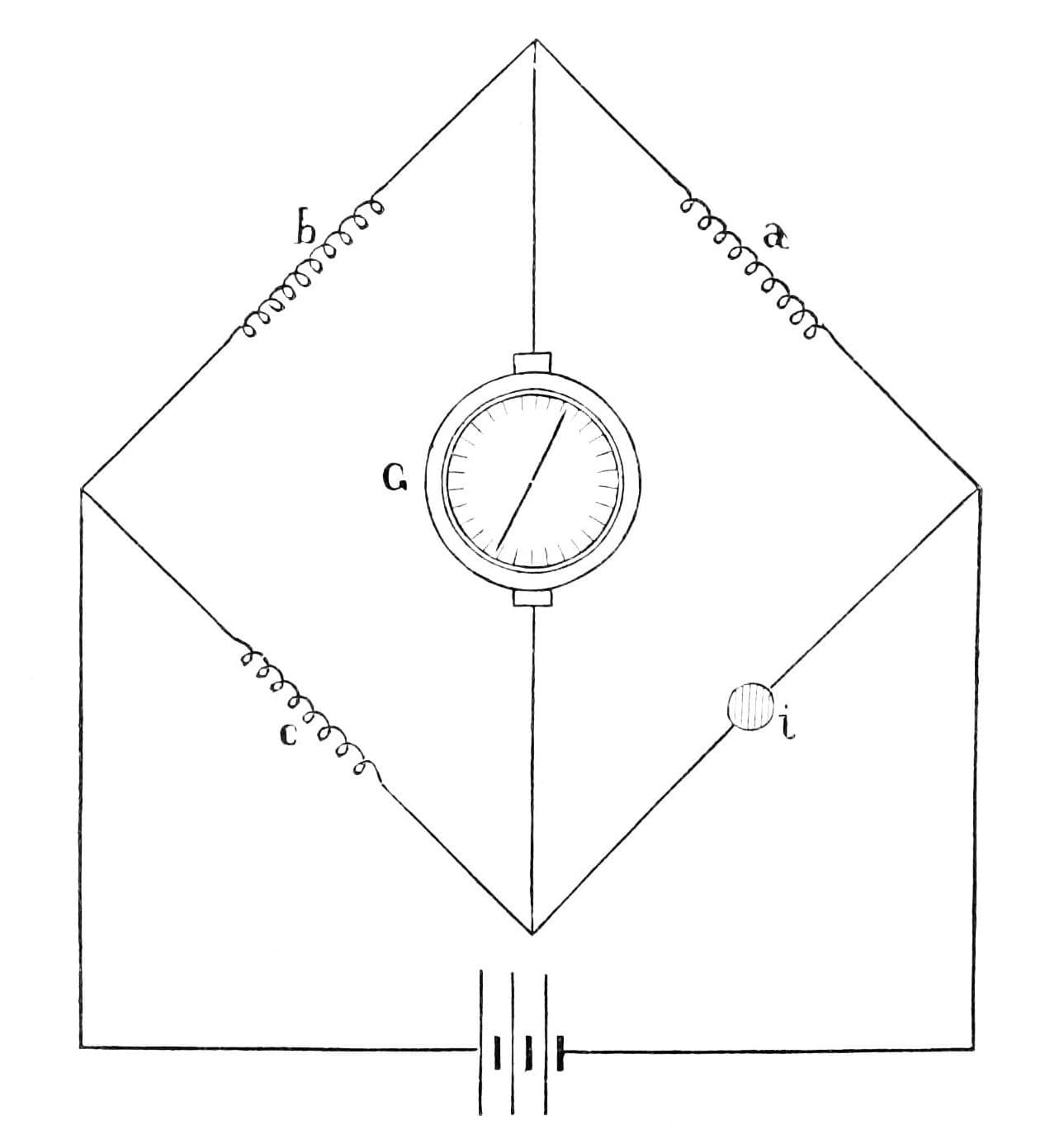
Wheatstone Bridge
بواسطة Ed
التقنية
38
0
0
0
0
0
The Fuse Protects the Wire, Not the Thing You Plugged In
بواسطة Volt
التقنية
25
0
0
0
0
0
CC0 ملكية عامة
هذا المخطط مُصدر بموجب CC0. يحق لك نسخه وتعديله وتوزيعه واستخدامه لأي غرض، دون طلب إذن.
ادعم الصانع بشراء منتجات عبر مخططه حيث يكسب عمولة الصانع يحددها البائعون، أو أنشئ نسخة جديدة من هذا المخطط وضمّنه كرابط في مخططك لمشاركة الإيرادات.