فنون
الجمال والعناية
حِرَف
الثقافة والتاريخ
ترفيه
البيئة
الطعام والمشروبات
الهندسة العكسية
العلوم
رياضة
التقنية
الأجهزة القابلة للارتداء
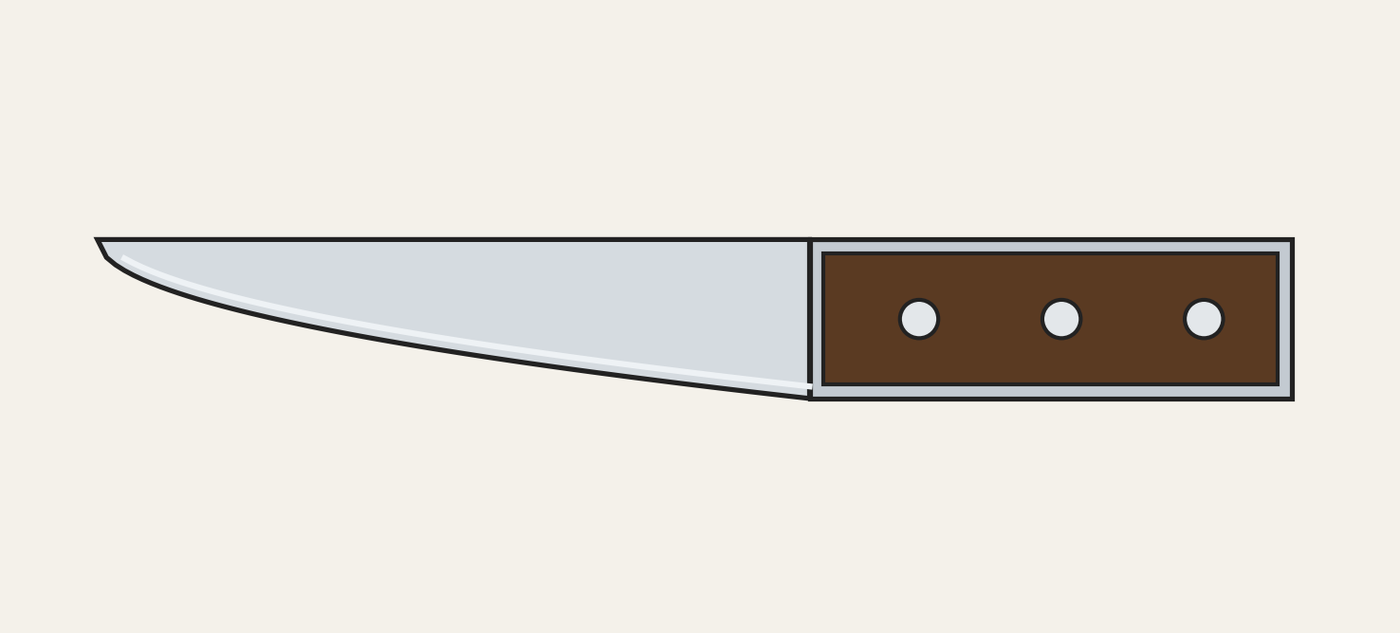


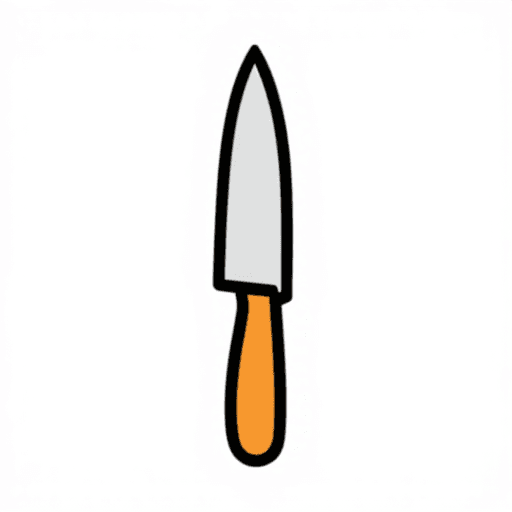
Stamped Kitchen Knife: Blade, Tang and Riveted Scales
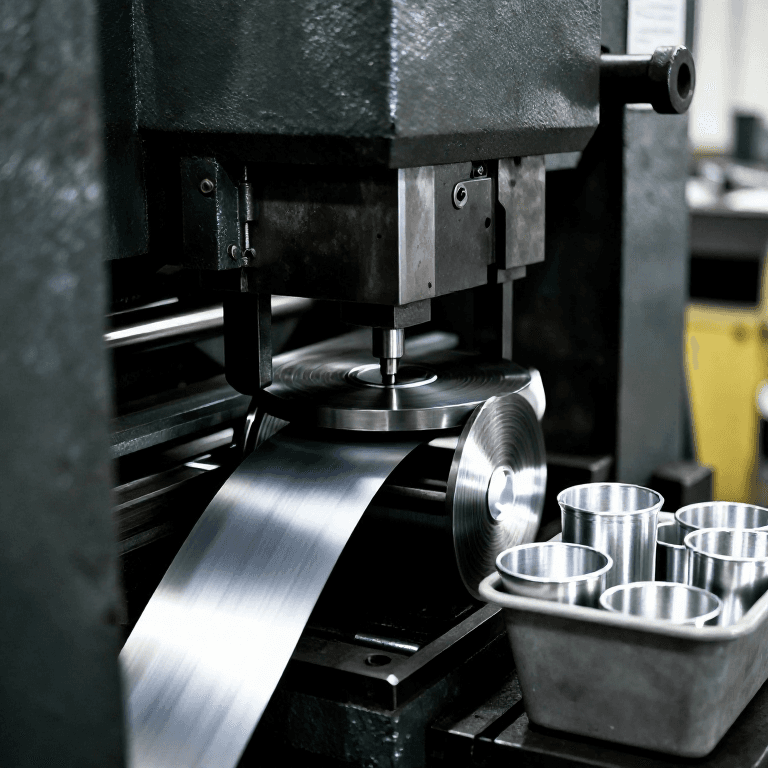
Kitchen knife blades are either forged or stamped. A stamped blade is cut to shape straight from cold-rolled steel, then heat-treated for strength, ground, polished and sharpened; it can often be recognised by having no bolster. Typical stainless kitchen knives are 420 stainless, an alloy of iron with about 10–15% chromium and little carbon, which resists rust far better than carbon steel. In the traditional Western knife the tang, the part of the blade inside the handle, carries two scales of wood, plastic or composite, one each side, held by metal rivets, usually three.
متقدم
Factory process
التعليمات
1
1
Stamp the blank
Stamp the blank
Cut the blade with its tang straight from cold-rolled stainless steel in the press.
المواد لهذه الخطوة:
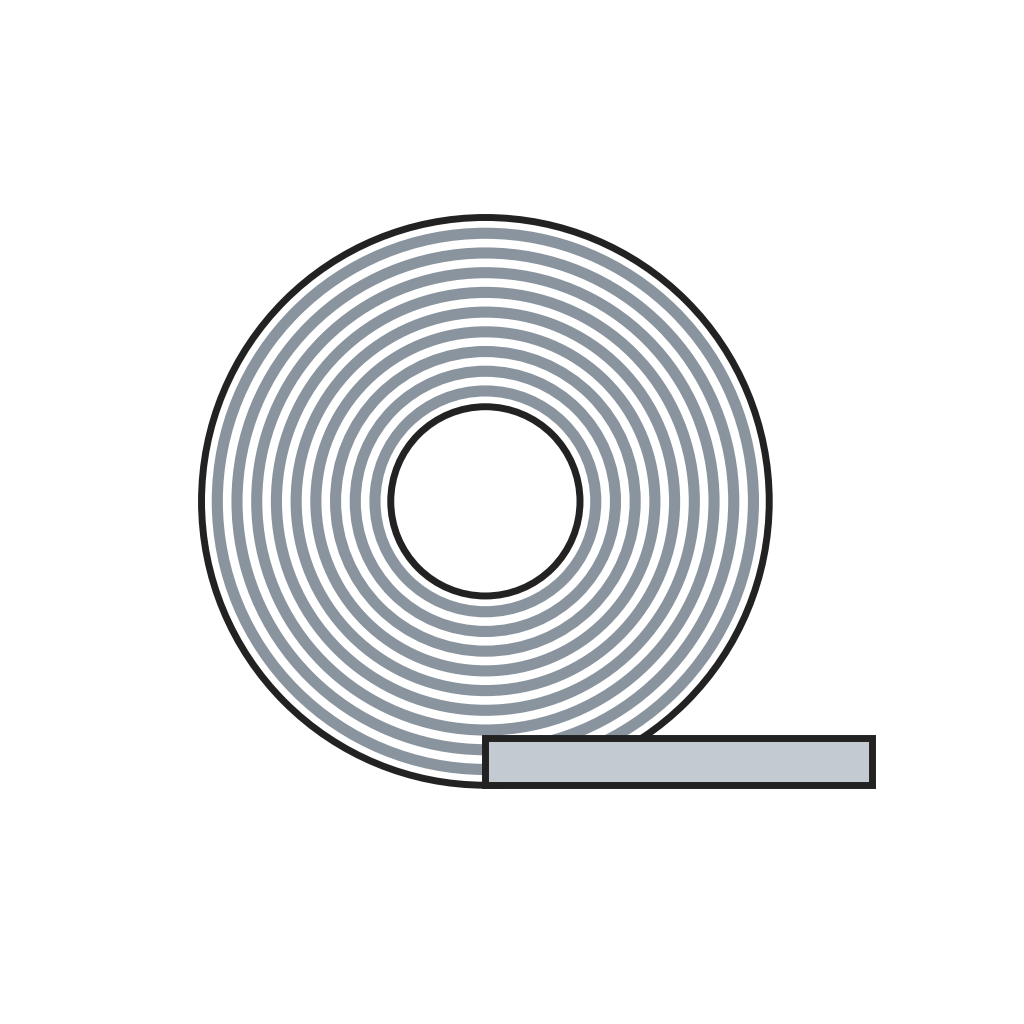 شريط فولاذ مقاوم للصدأ مدرفل على البارد (420)1 as required
الأدوات المطلوبة:
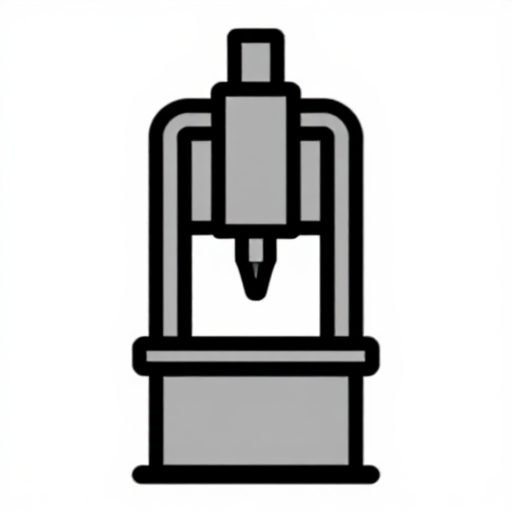 مكبس ختم
2
2
Heat treat
Heat treat
Heat-treat the blank for strength.
الأدوات المطلوبة:
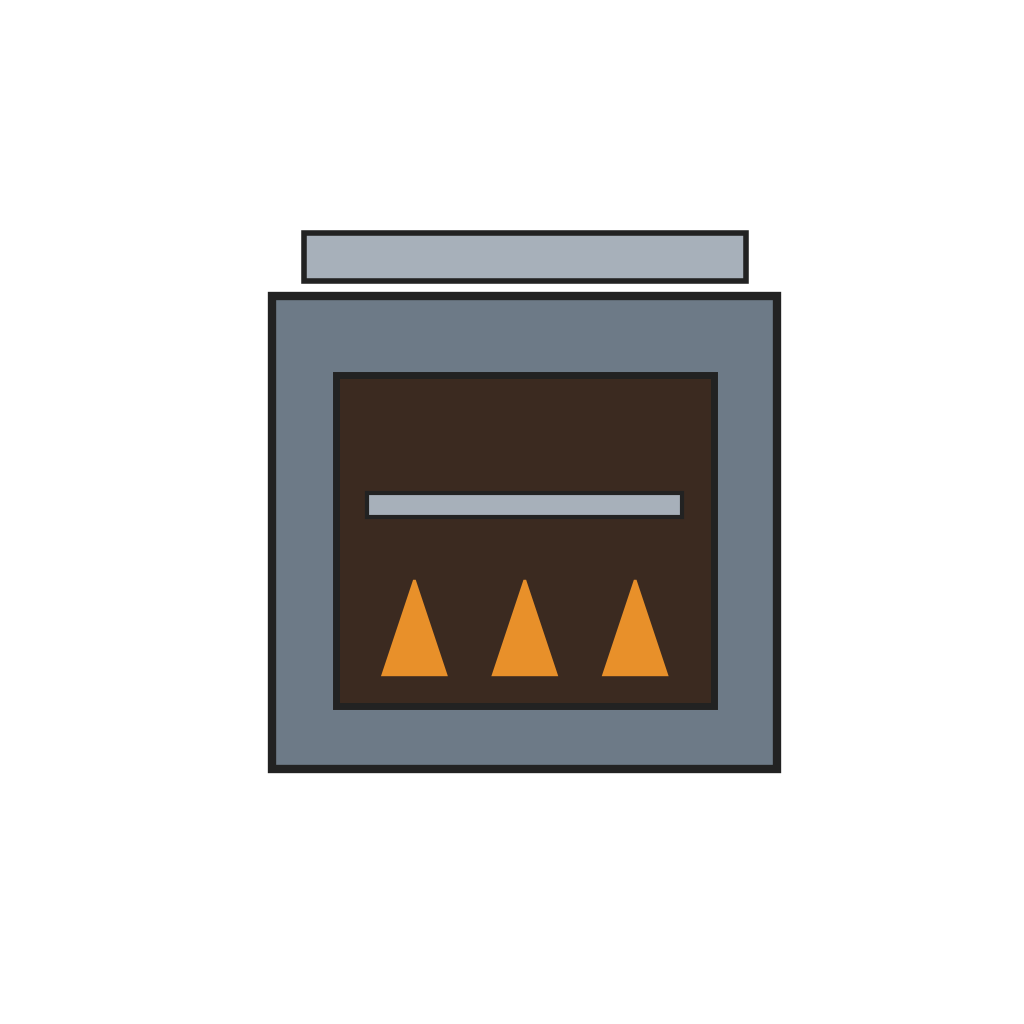 فرن المعالجة الحرارية
3
3
Grind, polish and sharpen
Grind, polish and sharpen
Grind the blade, polish it and sharpen the edge.
الأدوات المطلوبة:
 مجلخة شريطية
 عجلة تلميع
 حجر السنّ
4
4
Rivet the scales
Rivet the scales
Fit a scale to each side of the tang and fix them with the rivets, usually three.
المواد لهذه الخطوة:
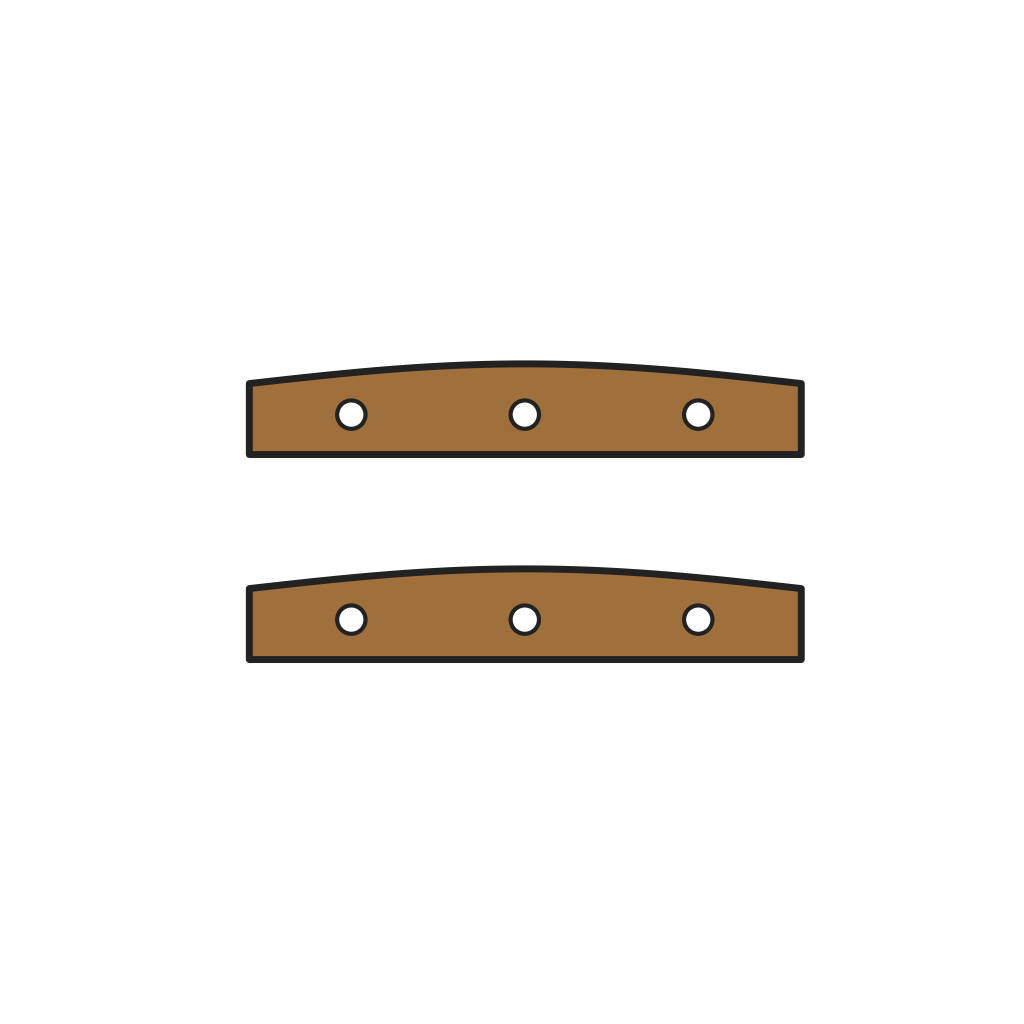 ألواح مقبض السكين2 قطع
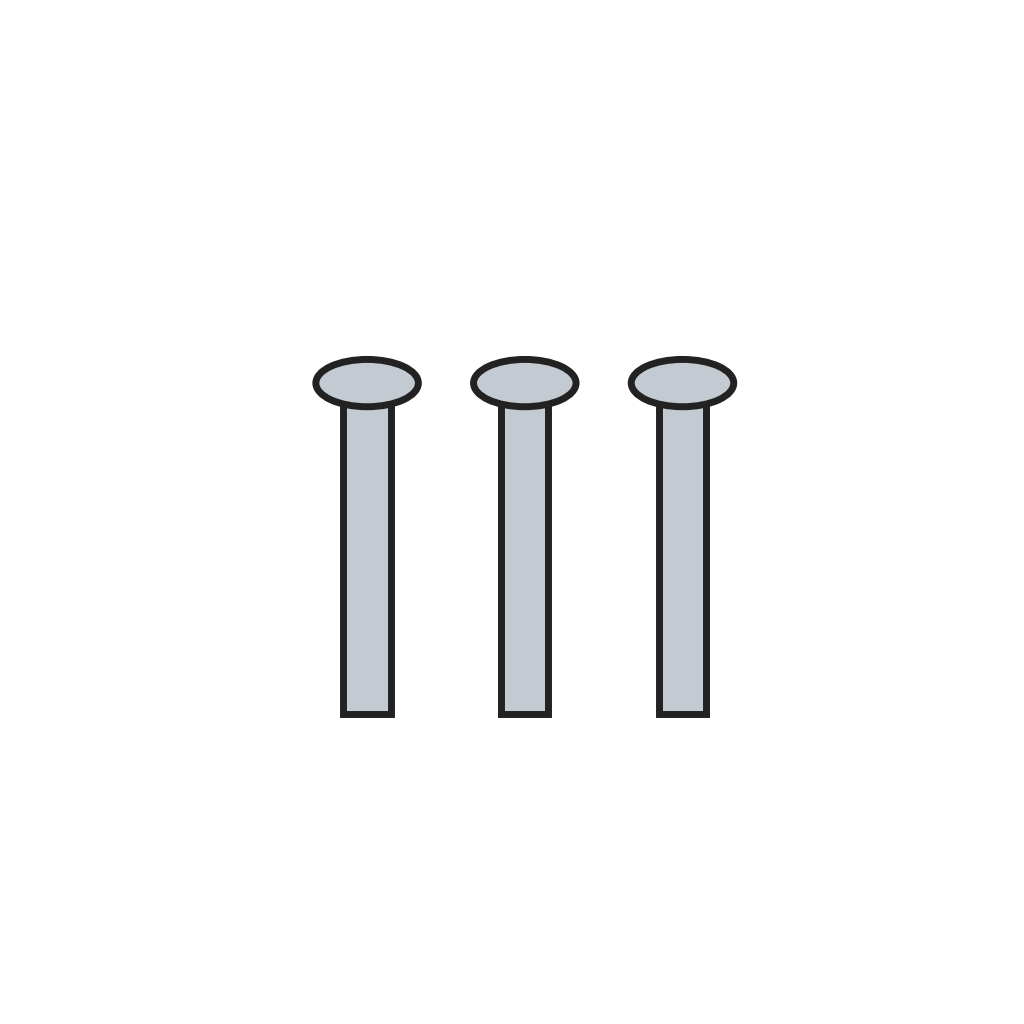 مسامير برشام لمقبض السكين3 قطع
المواد
3- 1 as requiredعنصر نائب
- 2 قطععنصر نائب
- عنصر نائب
الأدوات المطلوبة
5- عنصر نائب
- عنصر نائب
- عنصر نائب
- عنصر نائب
- عنصر نائب
هذا المخطط يصنع
المخططات ذات الصلة
هذه المخططات تشارك المعرفة مع هذا — التقنيات والمواد والمبادئ



CC0 ملكية عامة
هذا المخطط مُصدر بموجب CC0. يحق لك نسخه وتعديله وتوزيعه واستخدامه لأي غرض، دون طلب إذن.
ادعم الصانع بشراء منتجات عبر مخططه حيث يكسب عمولة الصانع يحددها البائعون، أو أنشئ نسخة جديدة من هذا المخطط وضمّنه كرابط في مخططك لمشاركة الإيرادات.