فنون
الجمال والعناية
حِرَف
الثقافة والتاريخ
ترفيه
البيئة
الطعام والمشروبات
الهندسة العكسية
العلوم
رياضة
التقنية
الأجهزة القابلة للارتداء
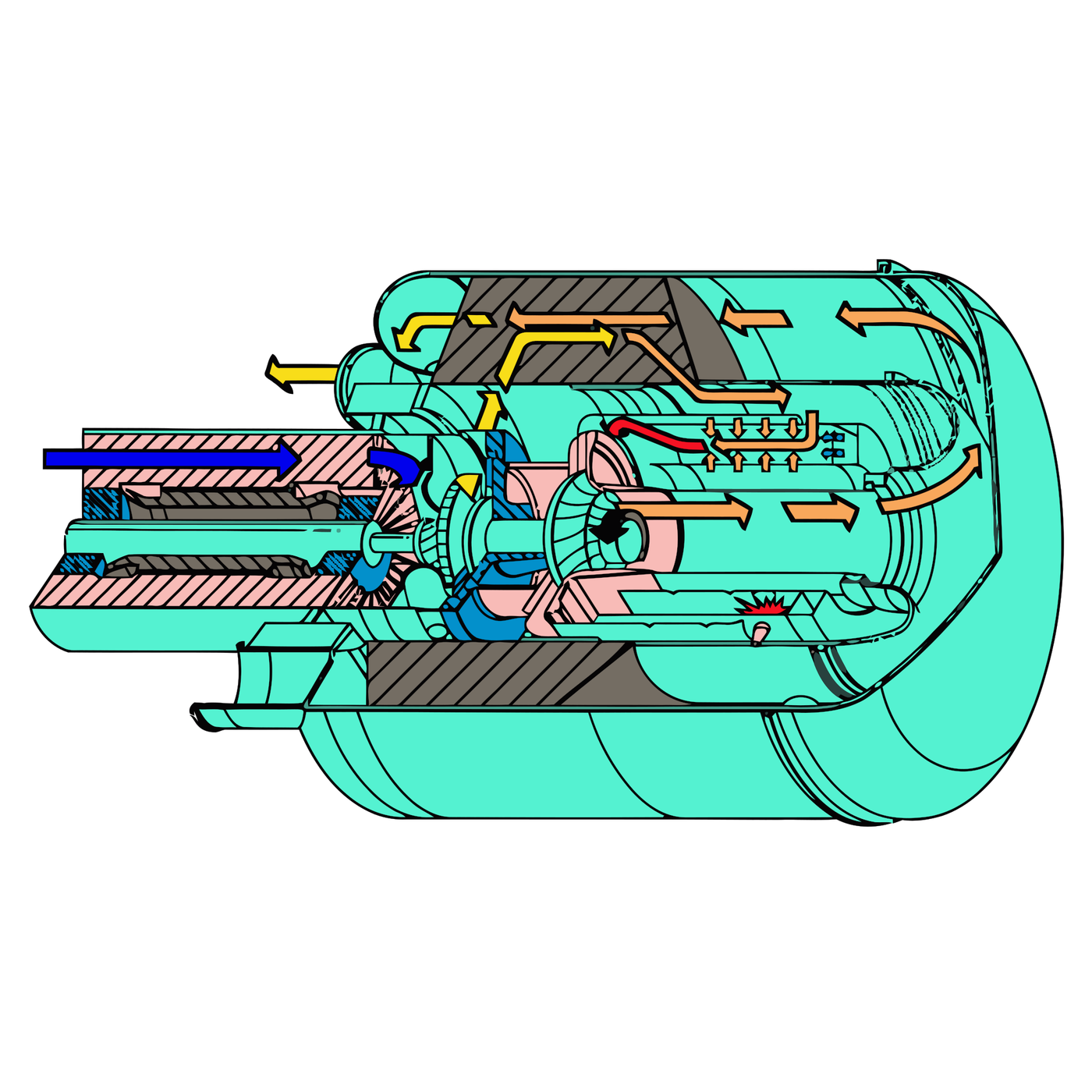

The Gas Turbine: When the Turbine Finally Beat Its Own Compressor
Compress air, burn fuel in it, and expand the hot gas through a turbine that also turns the compressor. The idea is simple and old. Making it work took until 1903, when the Norwegian engineer Ægidius Elling ran the first gas turbine that delivered more power than its own compressor consumed.
The difficulty is arithmetic. The compressor takes most of what the turbine makes, so small losses in either machine wipe out the net output entirely. It needed efficient compressors and turbine metal that could stand red heat — and the Whittle turbojet in this catalogue is the result.
This rung works out the arithmetic, then demonstrates it safely with an air turbine and a compressor on the bench.
متوسط
About 3 hours
التعليمات
1
1
Net work: turbine minus compressor
Net work: turbine minus compressor
جارٍ تحميل دفتر Jupyter…
2
2
Demonstrate the energy bill with compressed air
Demonstrate the energy bill with compressed air
No combustion here. Print a small impulse air turbine — a 60 mm wheel with 20 cupped buckets — on the shaft of a hobby motor used as a generator, with a 330 Ω load and the multimeter across it. Blow it with the air compressor through the regulator and a nozzle made from a short piece of tube.
Measure the electrical power out (V² ÷ R). Then measure the power the compressor draws from the wall while it runs — the clamp meter on the live conductor, times the mains voltage.
The turbine returns a tiny fraction of what the compressor took. That is the gas turbine's problem without the fuel: compression is expensive, and only by adding heat between compressor and turbine does the turbine get back more than it cost.
المواد لهذه الخطوة:
 خيط PETG30 غ
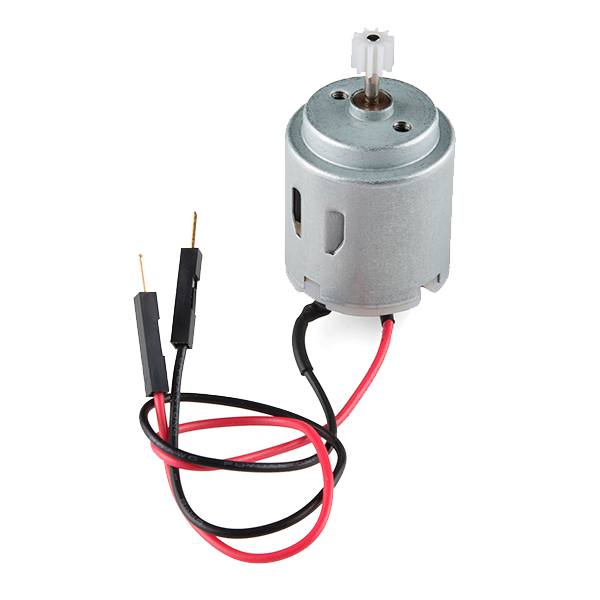 Hobby Motor - Gear1 قطعة
 مقاومة 330 أوم1 قطعة
 خرطوم فينيل شفاف0.5 متر
الأدوات المطلوبة:
 ضاغط هواء (طراز الفطيرة)
 منظّم خافض للضغط
 جهاز قياس متعدد
 مشبك قياس التيار AC/DC 600 أمبير
 طابعة ثلاثية الأبعاد بالخيط (FDM)
 نظارة أمان شفافة
 واقي السمع
3
3
History and context
History and context
**Ægidius Elling, Norway, 1903** — the first gas turbine to deliver net power — more than its own compressor consumed. No patent number is asserted here, and the details of his machine are left to the sources; the principle is the payload. Earlier attempts had failed exactly as the notebook predicts: the compressor ate all the turbine's output.
The line runs through Büchi's turbocharger (the next rung) — a gas turbine driving a compressor, fed by an engine's exhaust — to the Whittle turbojet and the power-station gas turbine.
**Honest limits.** Efficiency depends on turbine inlet temperature, which is limited by materials and cooling; small gas turbines are inefficient; and part-load efficiency falls away. **Do not build a combustion gas turbine**: the parts spin at speeds where a failure is a shrapnel event, and the combustor is a blowtorch.
المواد
4- 30 غعنصر نائب
- Hobby Motor - Gearعمولة 10%1 قطعة$2.51
- 1 قطعةعنصر نائب
- 0.5 مترعنصر نائب
الأدوات المطلوبة
7- عنصر نائب
- عنصر نائب
- عنصر نائب
- عنصر نائب
- عنصر نائب
- عنصر نائب
- واقي السمععمولة 10%عنصر نائب
التكلفة الإجمالية المقدرة
ما اشتراه صانع المشروع. المواد التي تظهر بلا سعر تُشترى من حيث تجدها.
المخططات ذات الصلة
هذه المخططات تشارك المعرفة مع هذا — التقنيات والمواد والمبادئ
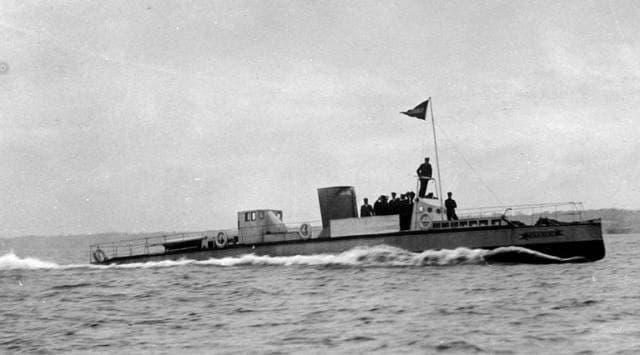
Parsons Steam Turbine
بواسطة Martin
فيزياء
40
0
0
0
0
0
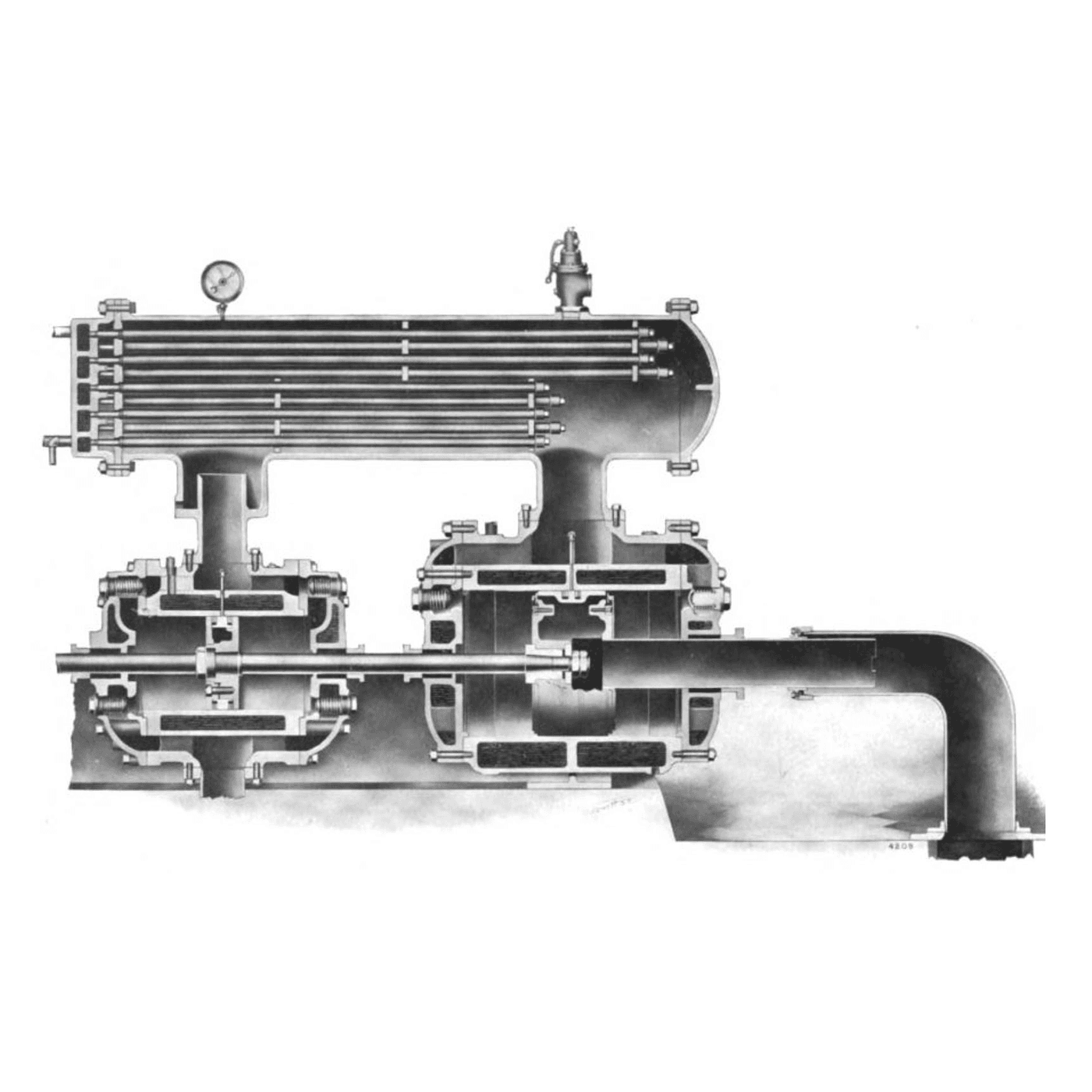
The Heat of Compression: Why Compressed Air Is Hot and Wet
بواسطة Martin
ميكانيكا
11
0
0
0
0
0
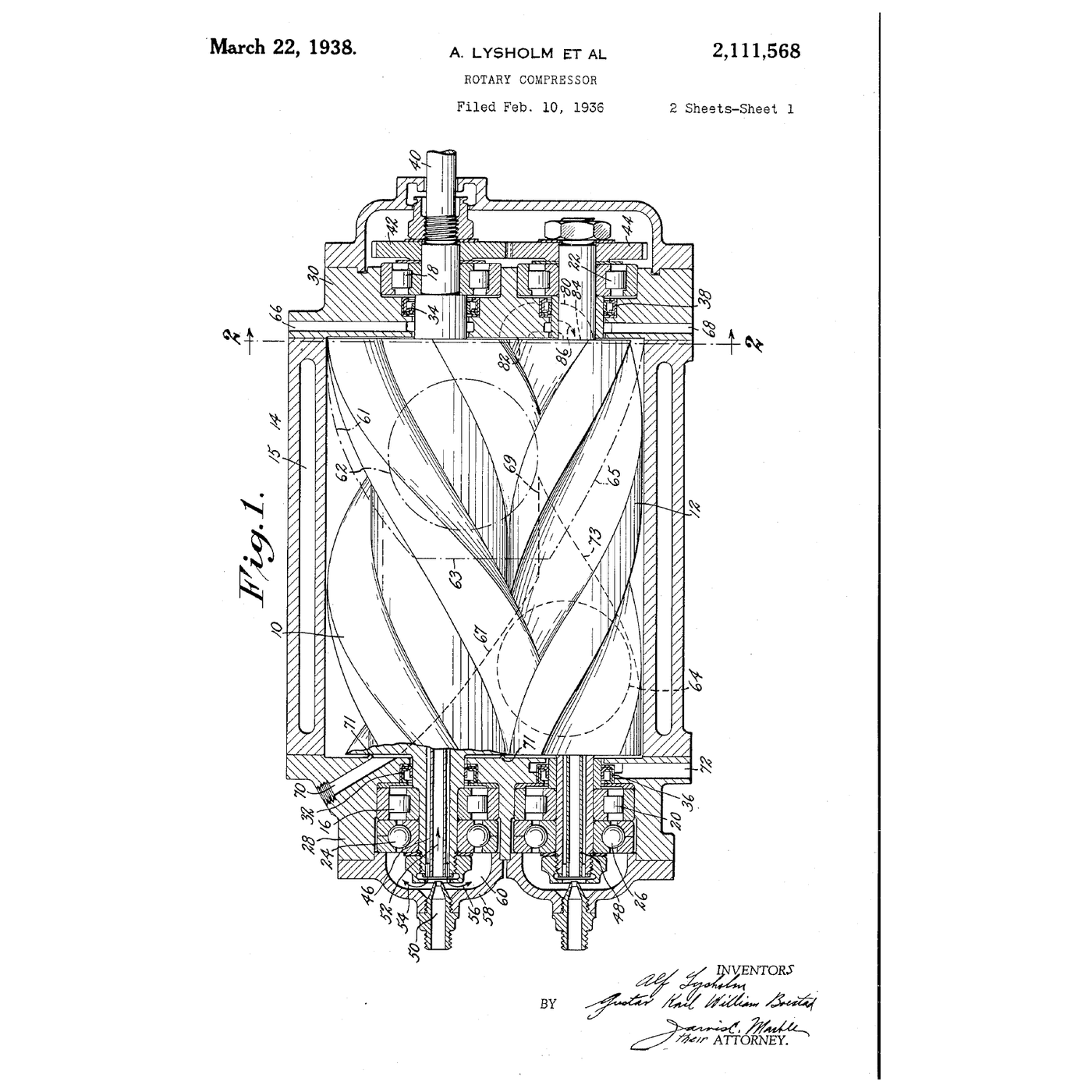
The Screw Compressor: A Built-In Ratio, and the Cost of the Wrong One
بواسطة Martin
ميكانيكا
8
0
0
0
0
0

The Rotary Regenerator: Store Heat in a Wheel and Carry It Across
بواسطة Martin
ميكانيكا
12
0
0
0
0
0

The Sirocco Fan: Many Shallow Forward-Curved Blades
بواسطة Emma
ميكانيكا
10
0
0
0
0
0
CC0 ملكية عامة
هذا المخطط مُصدر بموجب CC0. يحق لك نسخه وتعديله وتوزيعه واستخدامه لأي غرض، دون طلب إذن.
ادعم الصانع بشراء منتجات عبر مخططه حيث يكسب عمولة الصانع يحددها البائعون، أو أنشئ نسخة جديدة من هذا المخطط وضمّنه كرابط في مخططك لمشاركة الإيرادات.