فنون
الجمال والعناية
حِرَف
الثقافة والتاريخ
ترفيه
البيئة
الطعام والمشروبات
الهندسة العكسية
العلوم
رياضة
التقنية
الأجهزة القابلة للارتداء
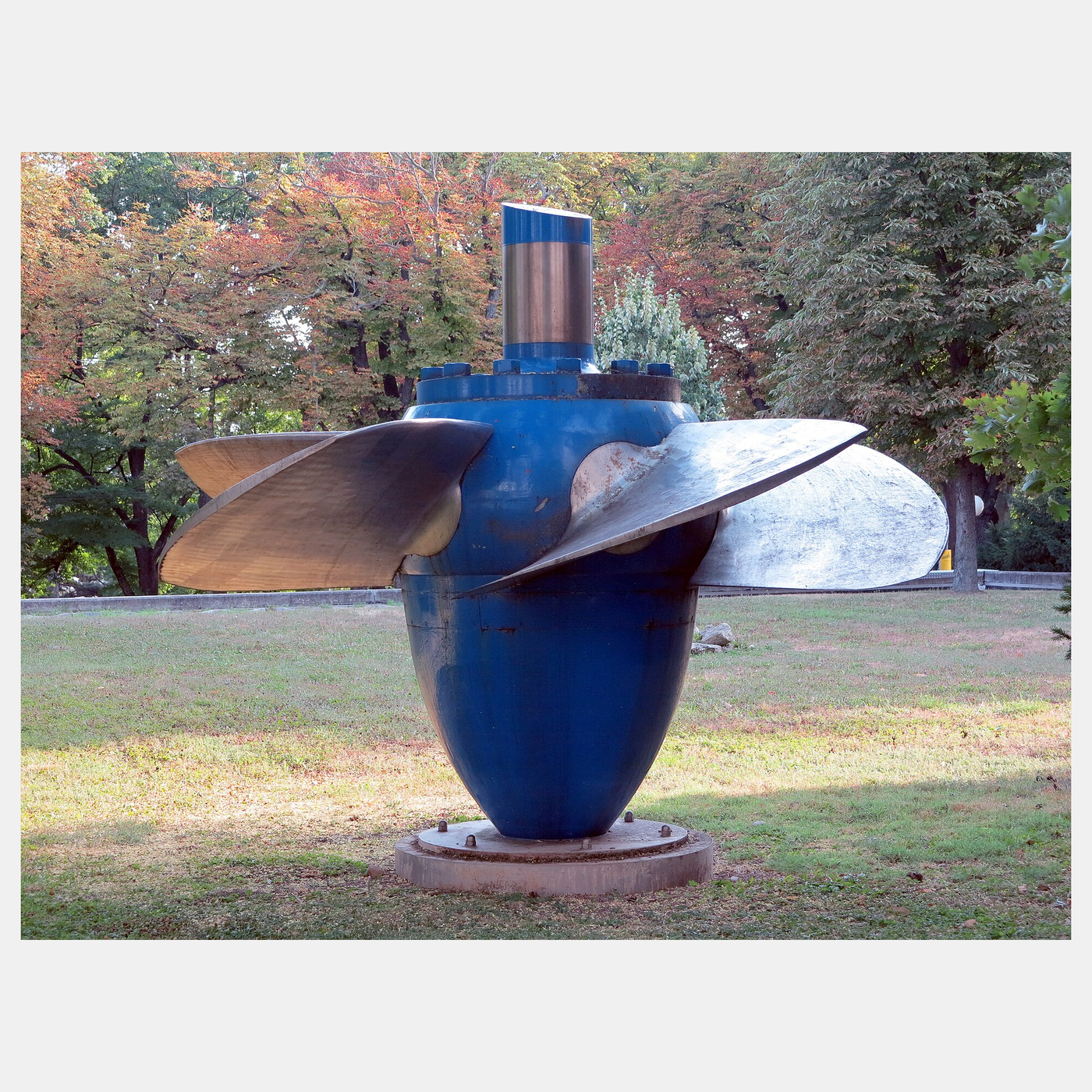


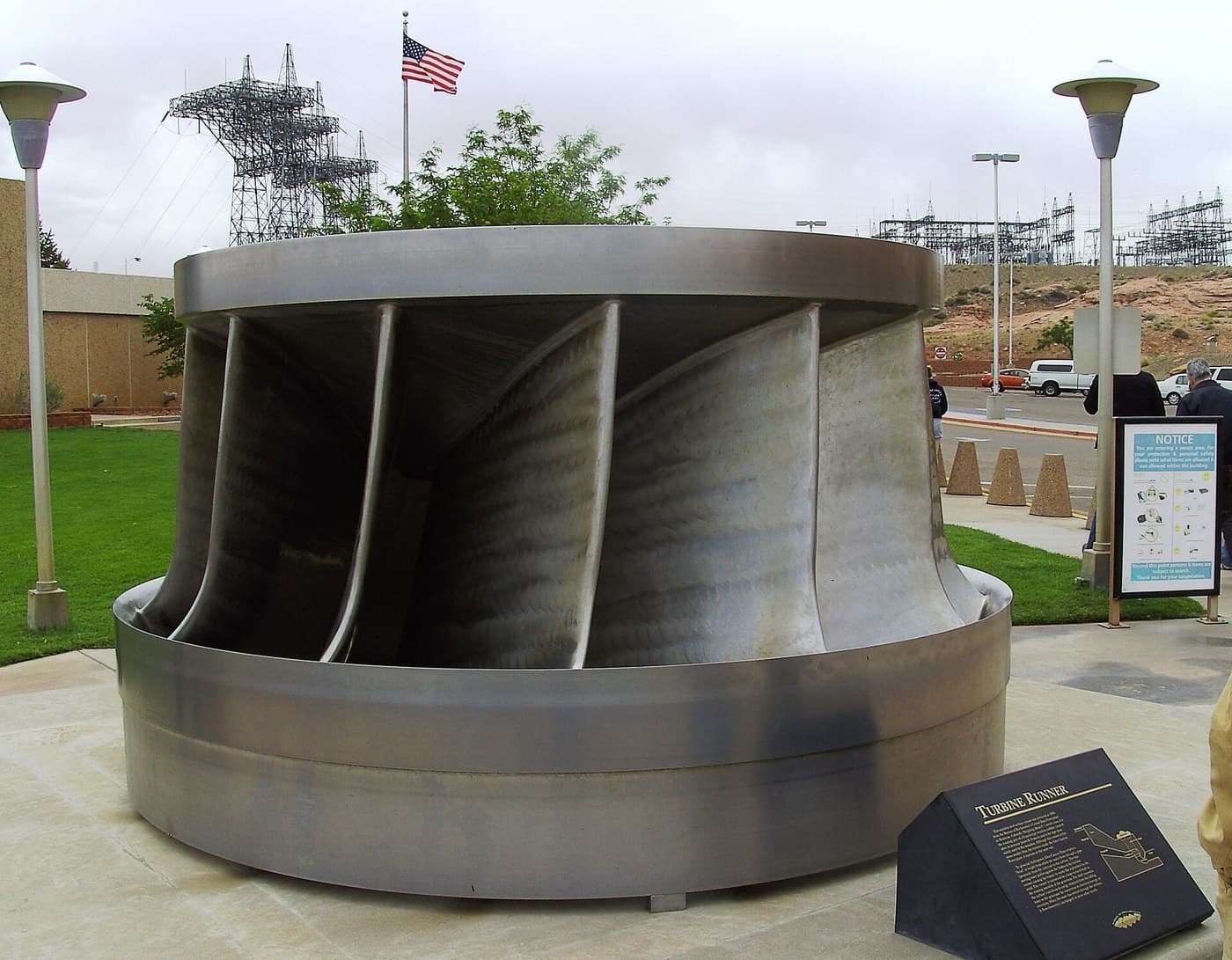
The Kaplan Turbine: A Propeller in a Pipe, With Blades That Turn
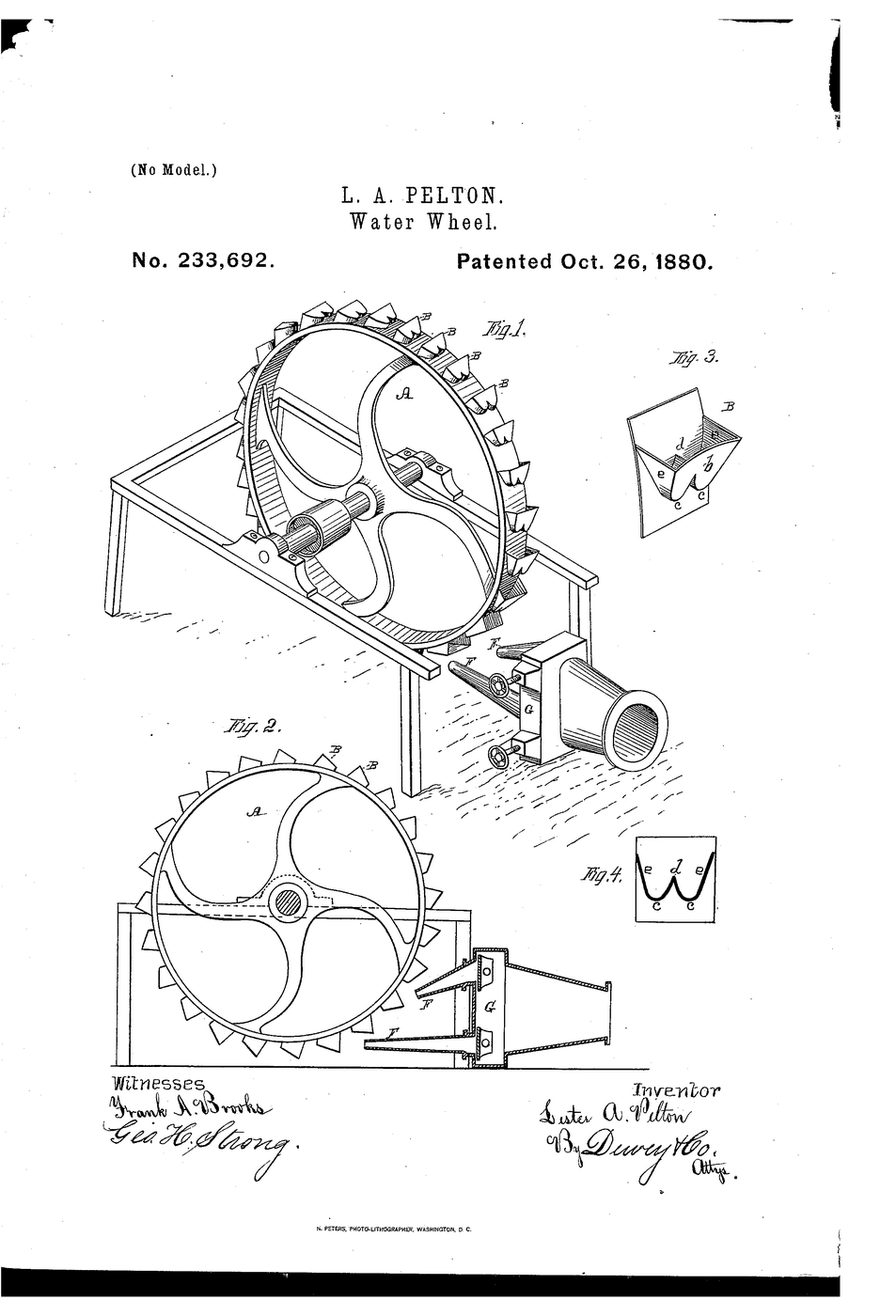
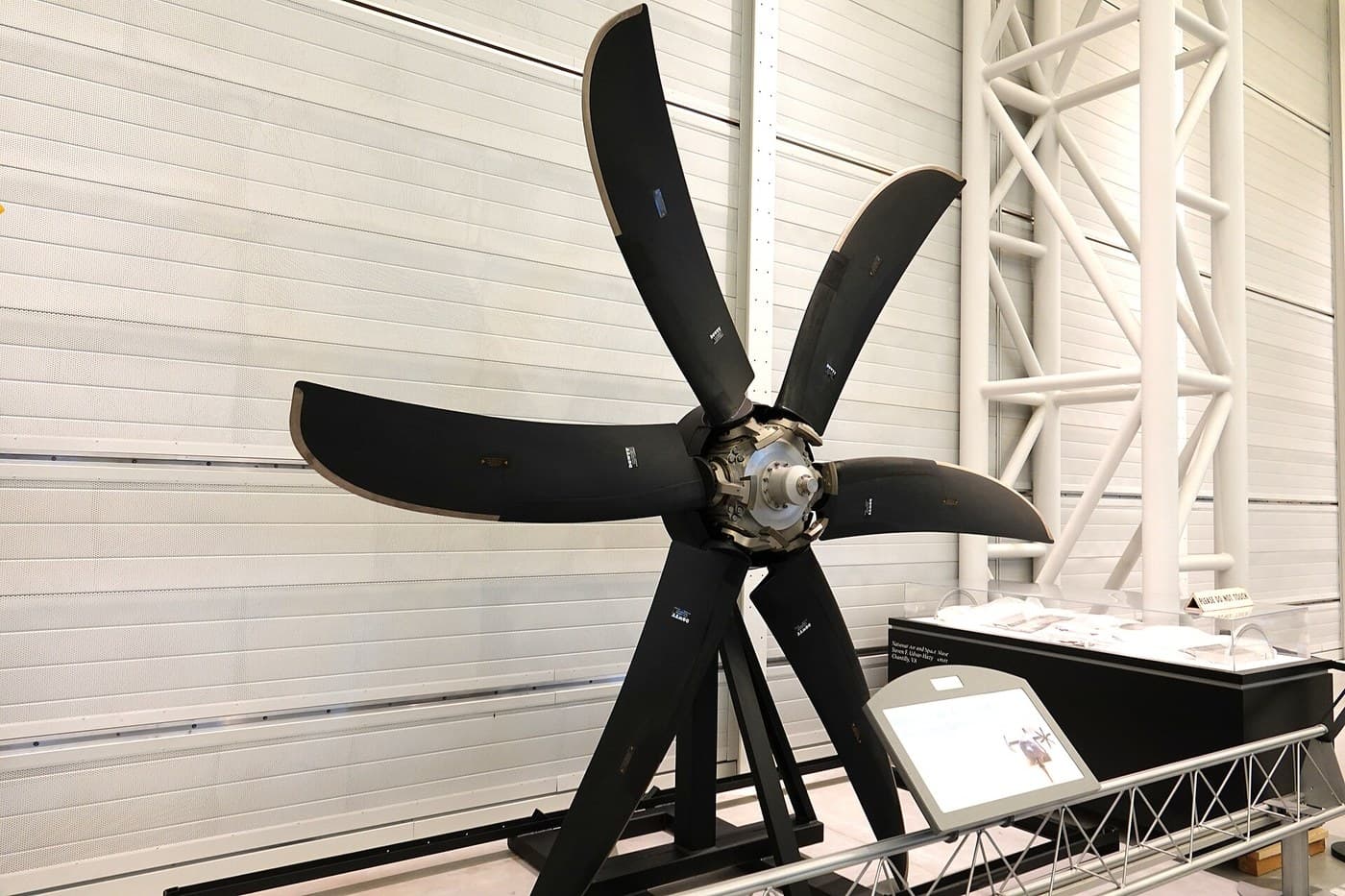
The Pelton wheel suits high heads and small flows, the Francis turbine the middle. At low heads — a river weir, a tidal barrage, a few metres of fall — the water must pass in enormous volume, and the right runner is a propeller in a pipe.
A fixed propeller only works well at one flow. Viktor Kaplan, in Brno, made the blades turn in the hub, patented in Austria from 1912–13, so that the blade angle follows the flow and the efficiency stays high as the river rises and falls. The first commercial installation ran in 1918.
This rung works out why the blades must turn, and builds a small pipe turbine whose blade pitch you can set.
متوسط
About 5 hours
التعليمات
1
1
Why the blades must turn
Why the blades must turn
جارٍ تحميل دفتر Jupyter…
2
2
Build a pipe turbine with settable blades
Build a pipe turbine with settable blades
Print a four-bladed runner 70 mm across whose blades are separate parts, each on a short pin in the hub, with a set screw so each blade's angle can be fixed at 15°, 25° or 35°. The runner fits inside a 75 mm PVC pipe on a shaft carried by a printed spider bearing, and drives a hobby motor used as a generator, sealed outside the pipe through an O-ring gland.
Upstream of the runner, fit a ring of fixed guide vanes printed to give the water a little swirl — the wicket gate of a real Kaplan.
المواد لهذه الخطوة:
 أنبوب PVC1 قطعة
 تشكيلة وصلات أنابيب PVC1 طقم
 خيط PETG120 غ
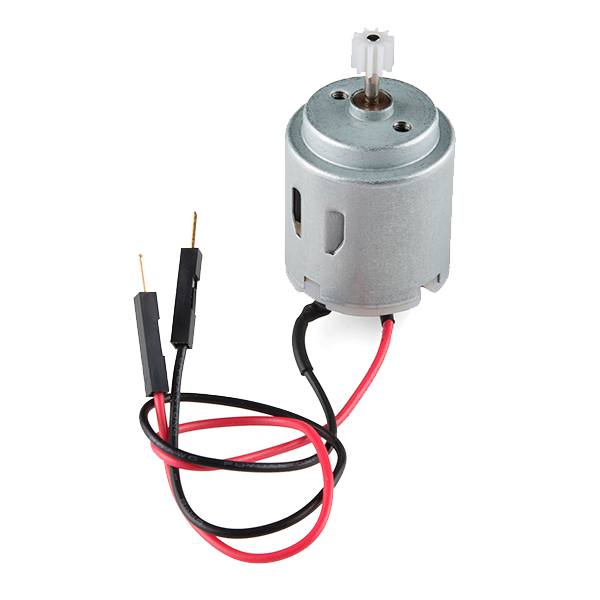 Hobby Motor - Gear1 قطعة
 طقم حلقات إحكام1 طقم
 قضبان فولاذية خام1 قطعة
 مادة إحكام سيليكونية1 قطعة
الأدوات المطلوبة:
 طابعة ثلاثية الأبعاد بالخيط (FDM)
 قاطع الأنابيب
 طقم مفاتيح ألن
 قدمة رقمية 6 بوصات
3
3
Find the best blade angle at two flows
Find the best blade angle at two flows
Feed the pipe from the submersible pump in a bucket, with a ball valve to set the flow; time a measuring jug at the outlet to know the flow. Load the generator with a 330 Ω resistor and read the voltage; power is V² ÷ R.
At full flow, try each blade angle and note the power. Then close the valve to about half flow and try each again. The best angle at half flow is flatter than at full flow — exactly what a Kaplan runner's blade-turning gear does automatically.
المواد لهذه الخطوة:
 ماء20 لترات
 محبس كروي نحاسي1 قطعة
 مقاومة 330 أوم1 قطعة
الأدوات المطلوبة:
 مضخة ماء غاطسة
 دلو
دلو إبريق قياس
 ساعة إيقاف
 جهاز قياس متعدد
 مقياس دوران رقمي
4
4
History and context
History and context
**Viktor Kaplan**, professor at the German Technical University in Brno, patented the propeller turbine with adjustable runner blades in Austria in 1912–13; the first installation went into service in 1918. His US patent number is not asserted here — it could not be read from a primary source — and the mechanism is fully documented.
Kaplan turbines and their fixed-blade relatives run most low-head hydro plants, and the bulb turbine — a Kaplan runner with the generator in a pod inside the water passage — runs tidal barrages.
**Honest limits.** At low head the machine is large and slow for its power. Kaplan runners are prone to cavitation (the NPSH problem of the centrifugal pump rung, in reverse). And the blade-turning mechanism inside the hub must stay watertight for decades.
المواد
10- 1 قطعةعنصر نائب
- عنصر نائب
- 120 غعنصر نائب
- Hobby Motor - Gearعمولة 10%1 قطعة$2.54
- 1 طقمعنصر نائب
- 1 قطعةعنصر نائب
- 1 قطعةعنصر نائب
- 20 لتراتعنصر نائب
- 1 قطعةعنصر نائب
- 1 قطعةعنصر نائب
الأدوات المطلوبة
10- عنصر نائب
- قاطع الأنابيبعمولة 10%عنصر نائب
- عنصر نائب
- عنصر نائب
- عنصر نائب
- عنصر نائب
- عنصر نائب
- عنصر نائب
- عنصر نائب
- عنصر نائب
التكلفة الإجمالية المقدرة
ما اشتراه صانع المشروع. المواد التي تظهر بلا سعر تُشترى من حيث تجدها.
المخططات ذات الصلة
هذه المخططات تشارك المعرفة مع هذا — التقنيات والمواد والمبادئ

CC0 ملكية عامة
هذا المخطط مُصدر بموجب CC0. يحق لك نسخه وتعديله وتوزيعه واستخدامه لأي غرض، دون طلب إذن.
ادعم الصانع بشراء منتجات عبر مخططه حيث يكسب عمولة الصانع يحددها البائعون، أو أنشئ نسخة جديدة من هذا المخطط وضمّنه كرابط في مخططك لمشاركة الإيرادات.