فنون
الجمال والعناية
حِرَف
الثقافة والتاريخ
ترفيه
البيئة
الطعام والمشروبات
الهندسة العكسية
العلوم
رياضة
التقنية
الأجهزة القابلة للارتداء
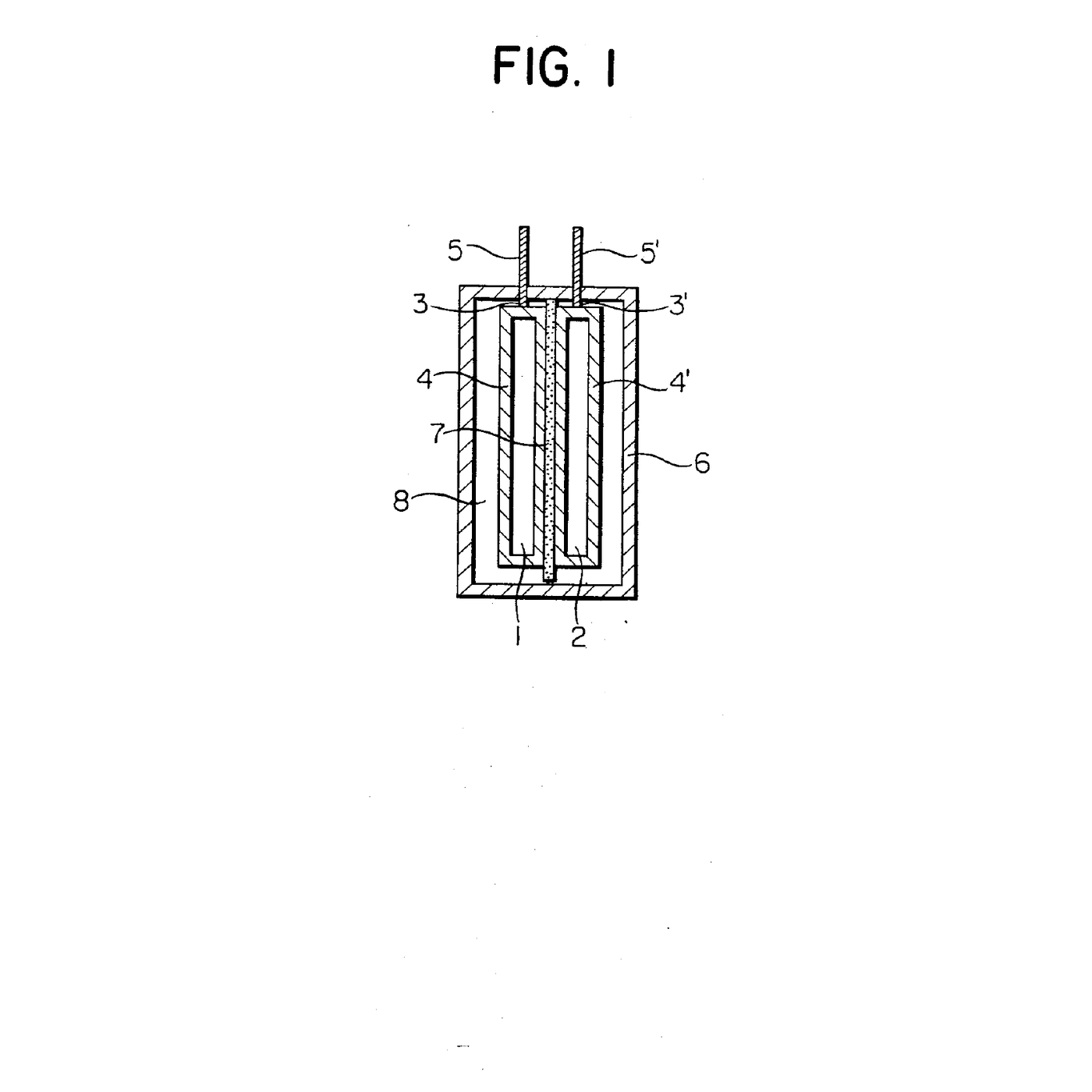


The Lithium-Ion Cell: A Host Instead of a Metal
The cathode was solved first. Goodenough's lithium cobalt oxide could give lithium up and take it back, reliably, at four volts. The problem was the other end of the cell: whatever you paired it with had to accept that lithium and give it back again, thousands of times, without growing the metal needles that had killed every rechargeable lithium cell so far.
Akira Yoshino's answer in 1985 was to stop storing lithium as a metal at all. Use a piece of carbon as a **host lattice** and let the lithium live between its layers. Nothing plates, nothing grows, and the cell can be built in the discharged state, which makes it safe to manufacture.
This rung reads that patent, measures a modern cell against it, and works out what the idea actually bought — in watt-hours per kilogram, and in the number of cells a tool pack needs.
متوسط
About 3 hours
التعليمات
1
1
Read the claim, including what it rules out
Read the claim, including what it rules out
**US 4,668,595**, *Secondary battery*, Akira Yoshino, Kenichi Sanechika and Takayuki Nakajima, assigned to Asahi Kasei Kogyo, Osaka; filed **9 May 1986** with Japanese priority from May 1985, granted **26 May 1987**, long expired. The figure on this page is its own FIG. 1: the cathode (1), the anode (2), their current collectors (3, 3'), the leads (5, 5'), the separator (7) and the case (6, 8).
The patent's subject is the **negative** electrode, and the claim is unusually specific about what will and will not work:
- The anode is a **carbonaceous material**, not lithium metal and not a lithium alloy.
- It must be neither **over-graphitised** nor **under-carbonised** — the patent bounds it by X-ray spacing and by a **BET surface area of 0.1 to 100 m²/g**.
- Paired with a lithium-containing oxide cathode, the result has *very stable cyclicity*, is *small and light*, and has *high energy density*.
Write down that middle bullet, because it is the one that reads like a footnote and is actually the invention. Plenty of people had put lithium into carbon. The patent is about **which carbon**, and it names the window by measurement rather than by recipe — which is exactly the form a fact has to take to be useful to anyone else.
Note what is *not* claimed: the cathode is Goodenough's lithium cobalt oxide, already published and already in the catalogue as its own rung. This patent is one half of a cell, and it says so.
2
2
Measure a cell's open-circuit curve, and find the plateau
Measure a cell's open-circuit curve, and find the plateau
Take one 18650 cell in a holder. Charge it with the charger board to its full 4.2 V and let it rest for thirty minutes — resting matters, because you want the *open-circuit* voltage, not the voltage the last current left behind.
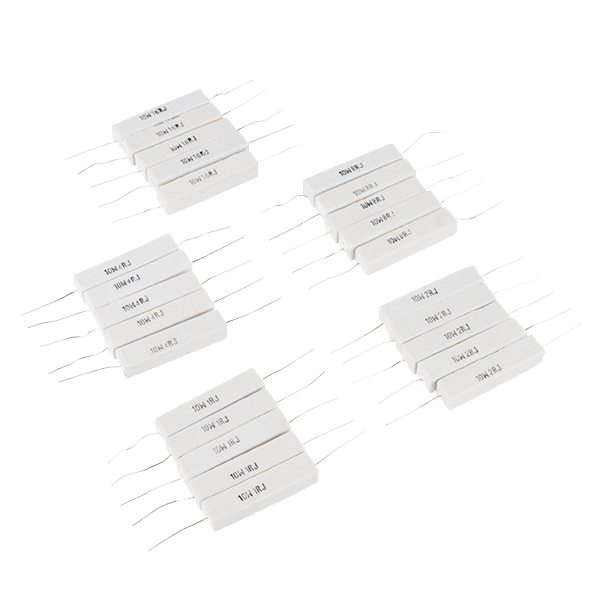
Discharge it at a gentle, constant current. A 10 W power resistor of about 4.7 Ω pulls roughly 0.8 A from a cell at 3.7 V, which is a comfortable C/4. Mount the resistor on a heat sink, clear of anything that can burn; it will get genuinely hot.
Every ten minutes: disconnect the load, wait one minute, read the open-circuit voltage, reconnect. Also read the loaded voltage each time. Stop at **3.0 V under load** and do not go below it — over-discharging a lithium cell dissolves its copper current collector and the damage is permanent and invisible.
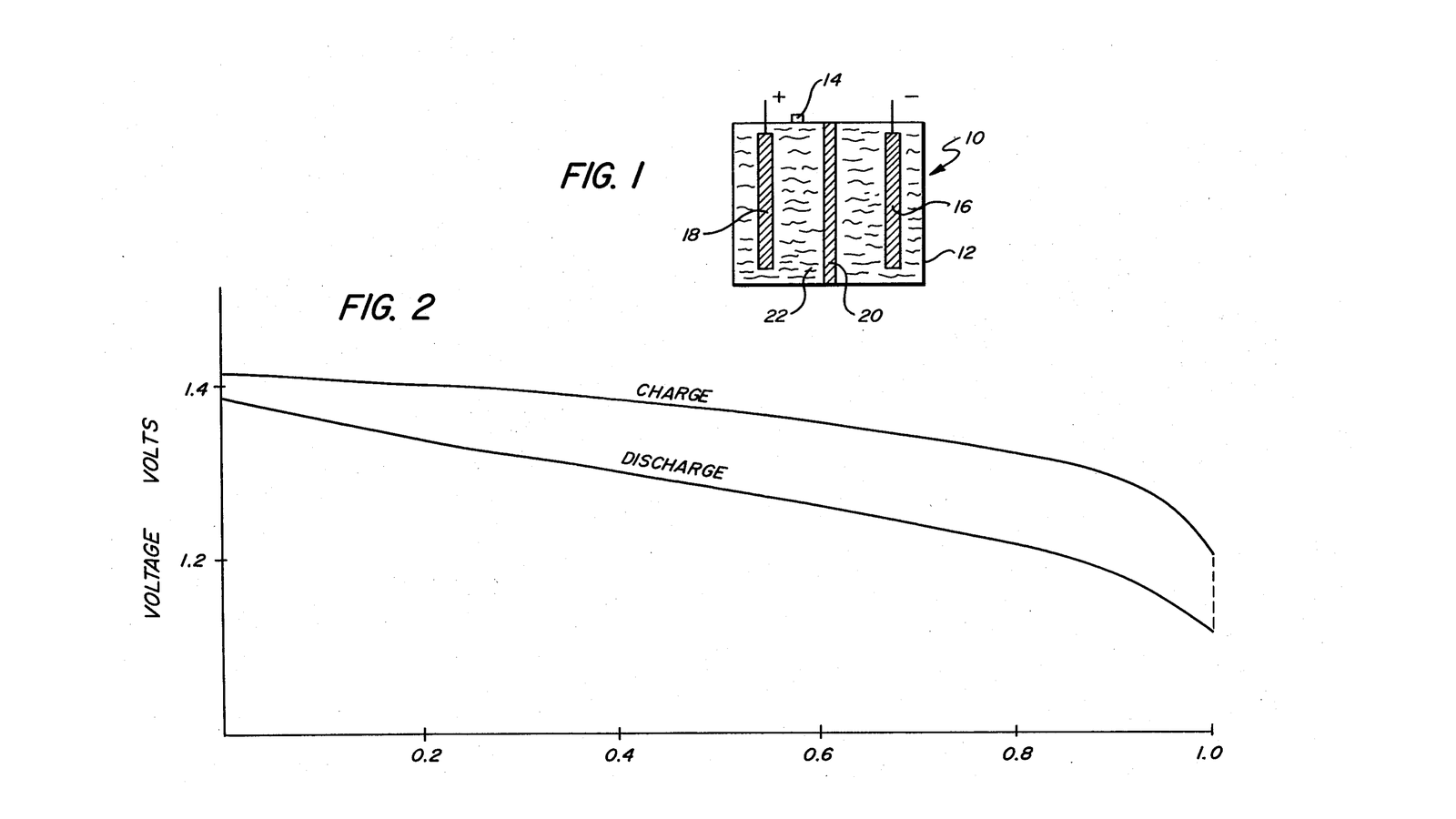
Plot open-circuit voltage against elapsed time. You should get the shape in the patent's FIG. 2: a steep drop at the top, a long flat plateau, a steep fall at the end. That plateau is intercalation happening at a nearly constant chemical potential, and it is both the great virtue of the cell — a steady supply voltage — and the reason you cannot tell its state of charge from its voltage, which is why rung 3's pack needs a coulomb counter and rung 7 needs cell taps.
Multiply current by time to get amp-hours delivered. Compare with the figure printed on the cell. Step 3 turns that number into the patent's own axis.
المواد لهذه الخطوة:
 خلية ليثيوم 186501 قطعة
الأدوات المطلوبة:
 حامل بطاريات
 لوحة شحن LiPo
 Power Resistor Kit - 10W (25 pack)
 تشكيلة مشتتات حرارية (ألمنيوم)
 مقياس متعدّد رقمي — تدرّج تلقائي، RMS حقيقي
 مراقب بطارية (عداد كولوم)
 ساعة إيقاف
 أسلاك اختبار بمشابك تمساحية
 نظارة أمان شفافة
 دفتر مختبر (بنسخة كربونية)
3
3
From amp-hours to lithium per carbon atom
From amp-hours to lithium per carbon atom
جارٍ تحميل دفتر Jupyter…
4
4
Look at the layers, and at what they are not
Look at the layers, and at what they are not
You cannot open a lithium cell safely, and you should not try. But you can hold the anode material in your hand, because it is the same graphite that is in a pencil and the same carbon black that is in a printer.
Put a little graphite powder and a little carbon black side by side on white paper and look at them under the digital microscope. Graphite is flaky, reflective and plate-like, because it *is* stacked sheets. Carbon black is matt and fluffy, a mass of tiny near-spherical particles, and it has an enormous surface area for its mass.
That contrast is the patent's window made visible. The lithium has to slide between the sheets, so you need the sheets; but every square metre of exposed surface is somewhere the electrolyte decomposes on the first charge, consuming lithium permanently in the layer called the SEI. Too flaky and the layers exfoliate; too fluffy and the first charge eats your capacity. The patent's 0.1–100 m²/g is the survivable gap between those two failures.
Rub a little graphite between your fingers and feel it lubricate. That slipperiness is the sheets sliding — the same property that lets a lithium ion in and out ten thousand times.
Wear gloves and work over a tray: both powders travel, both are conductive, and carbon black in particular will find its way onto every surface in the room and into any circuit you have left open on the bench.
المواد لهذه الخطوة:
 مسحوق الغرافيت1 قطعة
 مسحوق أسود الكربون1 قطعة
الأدوات المطلوبة:
 مجهر رقمي
 ملقط دقيق الطرفين
 قفازات نتريلنظارة أمان شفافة
5
5
History and context
History and context
**Attribution.** US 4,668,595, *Secondary battery*, Akira Yoshino, Kenichi Sanechika and Takayuki Nakajima, Asahi Kasei Kogyo Kabushiki Kaisha; filed 9 May 1986, granted 26 May 1987, expired. Yoshino shared the 2019 Nobel Prize in Chemistry with John Goodenough and M. Stanley Whittingham for this line of work — Whittingham for the idea of intercalation, Goodenough for the cobalt-oxide cathode, Yoshino for the carbon anode that made a whole cell practical.
**Why the anode was the hard half.** Whittingham's 1970s cells used lithium metal and caught fire. Moli Energy's rechargeable lithium cells were recalled in 1989 for the same reason. The industry knew the energy was there; what it could not do was get the lithium back out of the negative electrode in a shape that would not grow. Yoshino's move was to give up storing it as a metal, accept roughly a third less capacity at that electrode, and get a cell that could be cycled a thousand times without growing anything.
There is a second, quieter advantage in the claim: with a carbon anode the cell is **assembled discharged**, with all the lithium in the cathode. Nothing in the factory is ever a reactive metal foil. That is a manufacturing fact, not a chemistry one, and it is part of why this design scaled and the others did not.
**Honest limits.** The plateau that makes lithium-ion such a good supply also makes its state of charge hard to read, which every later rung in this batch has to work around. The SEI layer consumes lithium on the first charge and keeps slowly consuming it for the cell's whole life, so capacity fades whether you use the cell or not. Charging below about 5 °C plates lithium metal after all — the failure the design was meant to avoid, reintroduced by the user. And the cobalt in the cathode carries a real and well-documented mining cost, which is why the chemistry has kept moving since.
المواد
3- خلية ليثيوم 18650عمولة 10%1 قطعةعنصر نائب
- 1 قطعةعنصر نائب
- 1 قطعةعنصر نائب
الأدوات المطلوبة
13- حامل بطارياتعمولة 10%Magento Legacy Storeships internationallyعنصر نائب
- لوحة شحن LiPoعمولة 10%عنصر نائب
- Power Resistor Kit - 10W (25 pack)عمولة 10%$5.64
- تشكيلة مشتتات حرارية (ألمنيوم)عمولة 10%عنصر نائب
- مراقب بطارية (عداد كولوم)عمولة 10%عنصر نائب
- عنصر نائب
- عنصر نائب
- عنصر نائب
- دفتر مختبر (بنسخة كربونية)عمولة 10%عنصر نائب
- عنصر نائب
- عنصر نائب
- عنصر نائب
المخططات ذات الصلة
هذه المخططات تشارك المعرفة مع هذا — التقنيات والمواد والمبادئ

CC0 ملكية عامة
هذا المخطط مُصدر بموجب CC0. يحق لك نسخه وتعديله وتوزيعه واستخدامه لأي غرض، دون طلب إذن.
ادعم الصانع بشراء منتجات عبر مخططه حيث يكسب عمولة الصانع يحددها البائعون، أو أنشئ نسخة جديدة من هذا المخطط وضمّنه كرابط في مخططك لمشاركة الإيرادات.