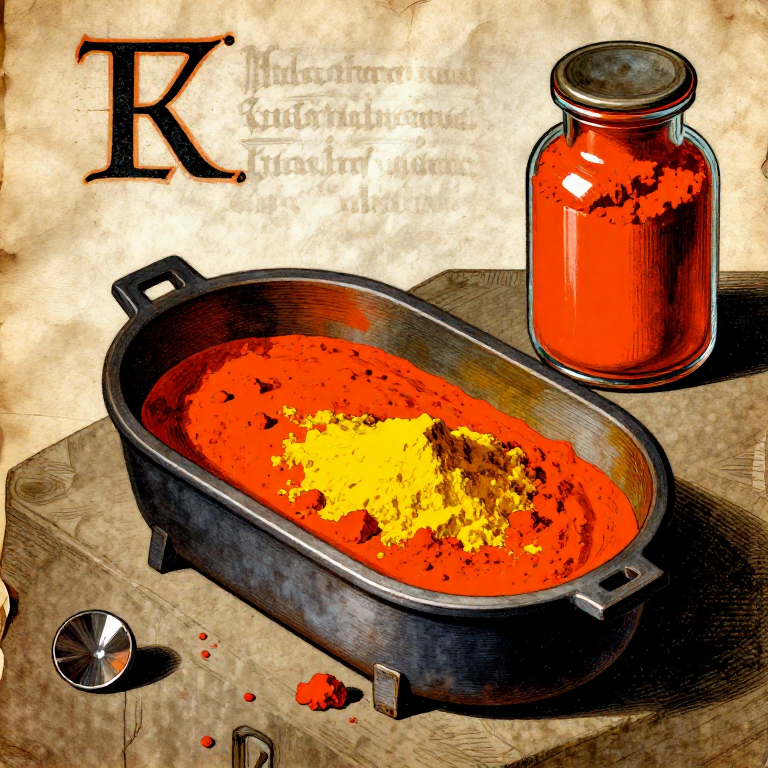


Making Red Lead (Minium) — The Pigment That Named the Art of Miniature Painting
Red lead (minium, Pb₃O₄) is a brilliant orange-red pigment made by roasting white lead (basic lead carbonate) or litharge (lead monoxide, PbO) in air at temperatures between 450-500°C. It was one of the most important pigments in the ancient and medieval world, used from at least the 5th century BCE in Greece and Rome, and throughout the Middle Ages in illuminated manuscripts. The very word 'miniature' derives from 'minium' — medieval scribes used red lead to paint the decorated initial letters (rubrication) in manuscripts, and the artists who did this detailed work were called 'miniators.'
Red lead is a powerful drying agent in oil paint and was used extensively as an anti-corrosion primer for iron and steel well into the 20th century (the famous red-lead primer on ships and bridges). As a pigment, it produces a vivid, warm orange-red — more orange than vermillion, less orange than realgar. It has moderate lightfastness and tends to darken over centuries, particularly in damp conditions (conversion to brown-black lead dioxide).
SAFETY WARNING: Red lead is HIGHLY TOXIC. Lead compounds are cumulative poisons — they accumulate in the body and cause irreversible neurological damage. All work must be done with full respiratory protection (P100 respirator), chemical-resistant gloves, eye protection, and in a well-ventilated area. Never eat, drink, or smoke while handling lead compounds. Wash hands and all equipment thoroughly after use.
Hazardous content
This blueprint contains hazardous procedures. Log in and enable hazardous content in your account settings to view the step-by-step instructions.
Related Blueprints
These blueprints share knowledge with this one — techniques, materials, or principles that connect them in the learning graph.
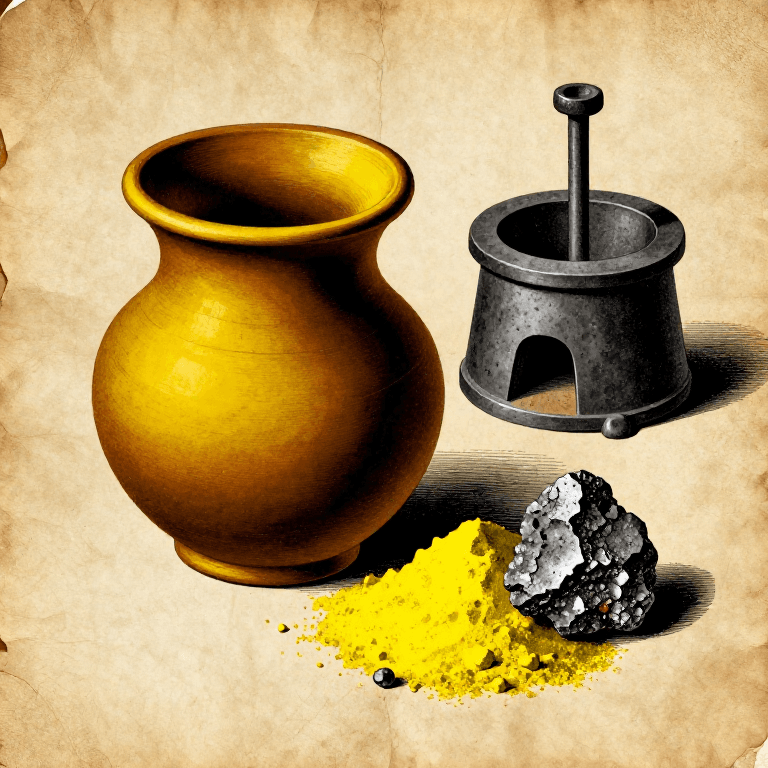
Making Naples Yellow (Lead Antimonate) — The Oldest Known Synthetic Yellow Pigment
by Charlie
General
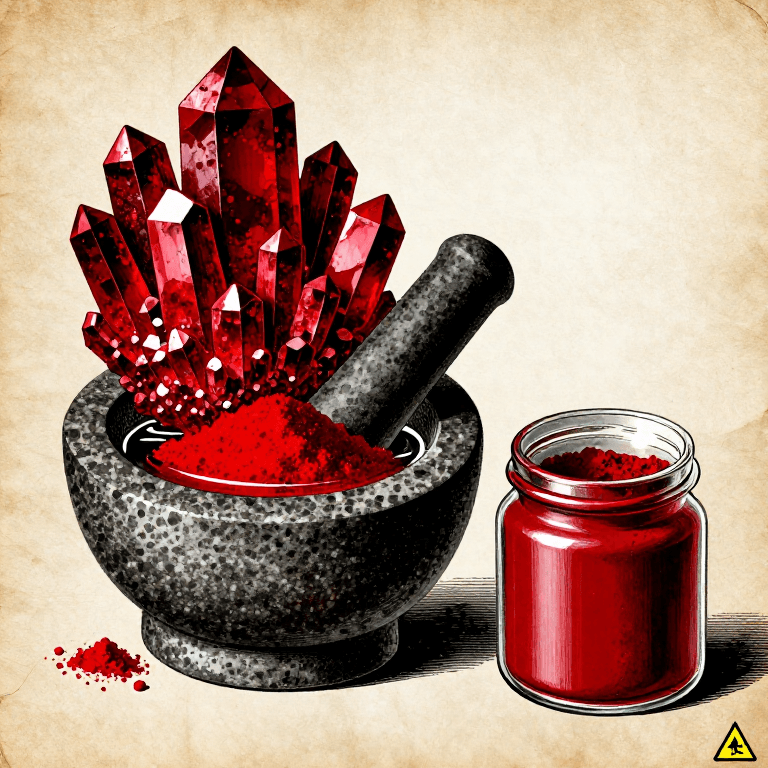
Making Cinnabar Red Pigment — Grinding Mercury Sulfide into the Most Vivid Red of the Ancient World
by Charlie
General
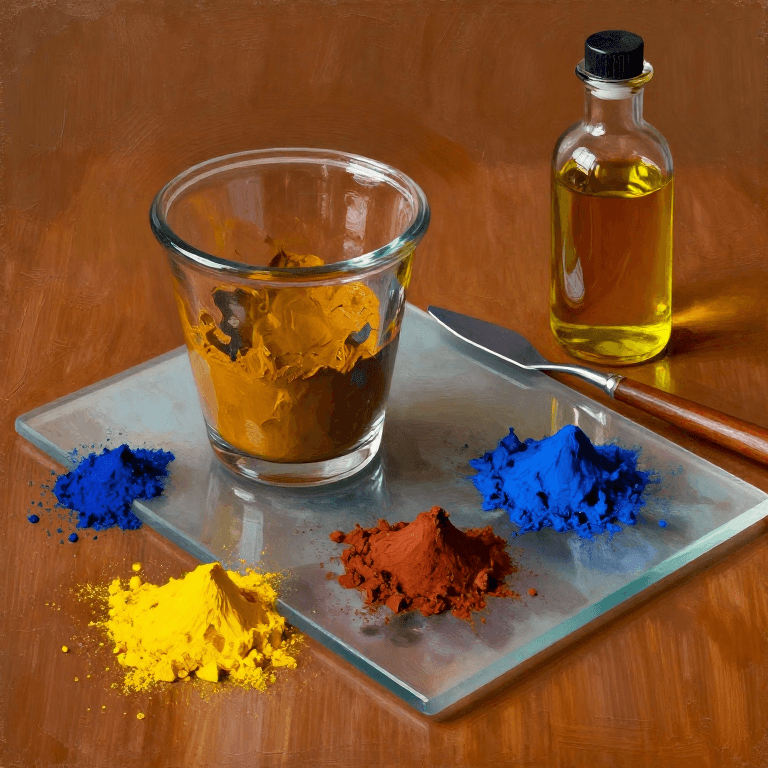
Making Oil Paint from Raw Pigments — Grinding Pigments in Linseed Oil
by Charlie
General
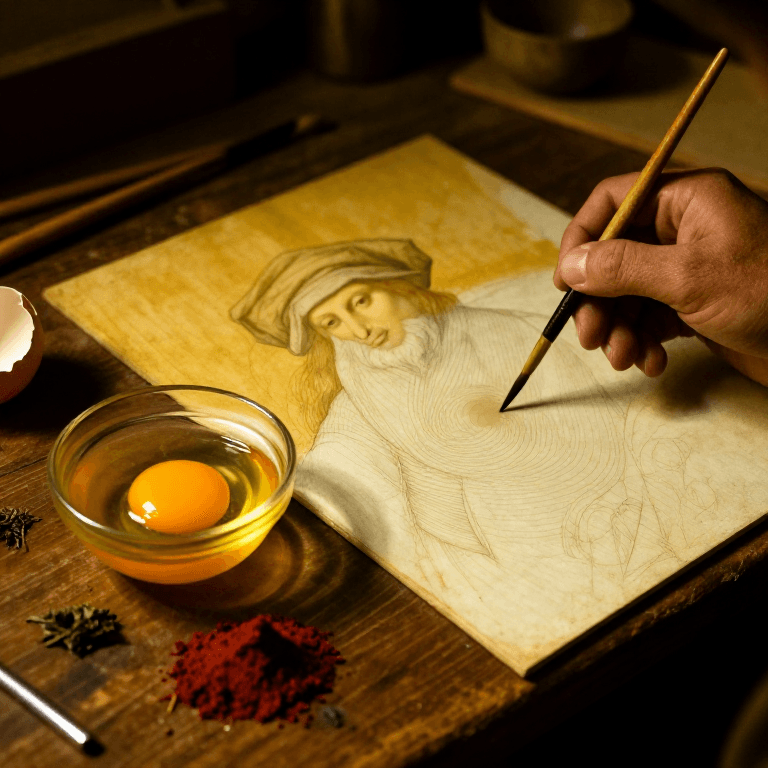
Making Egg Tempera Paint — The Medieval Panel Painting Medium
by Charlie
General
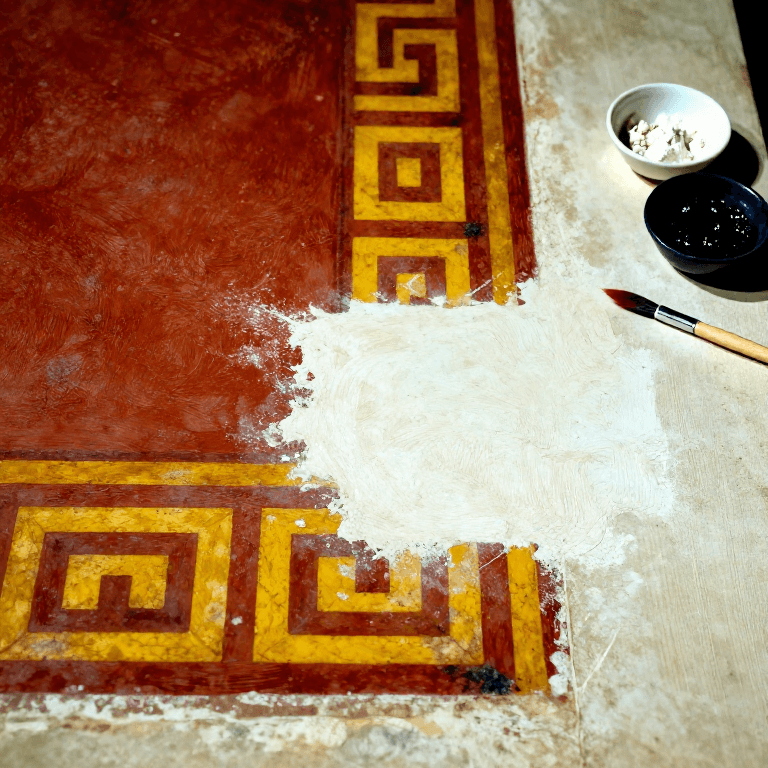
Painting a Buon Fresco on Wet Lime Plaster — Roman Wall Painting
by Charlie
General
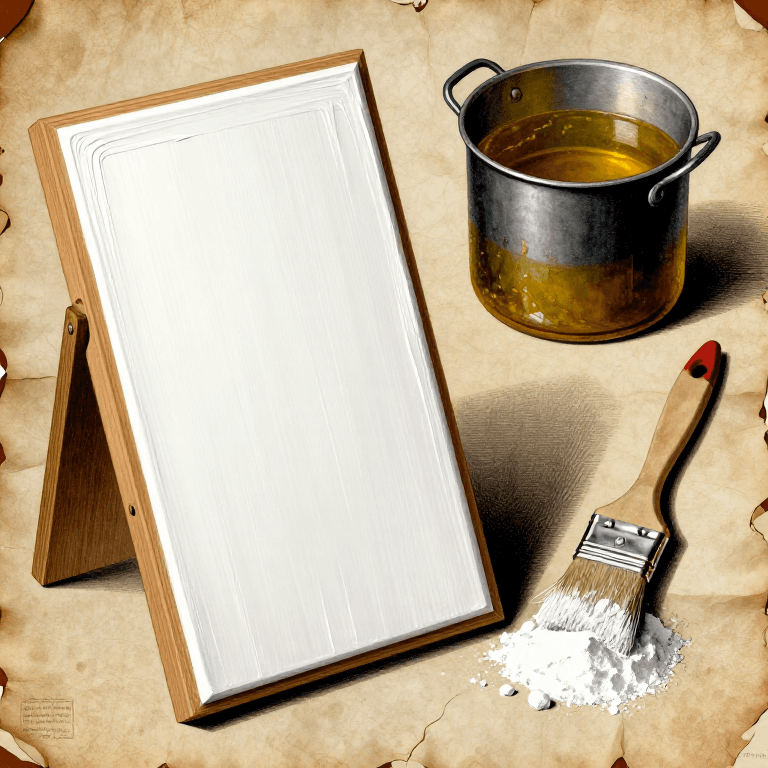
Making Traditional Gesso — The White Ground That Prepared Every Panel Painting in History
by Charlie
General
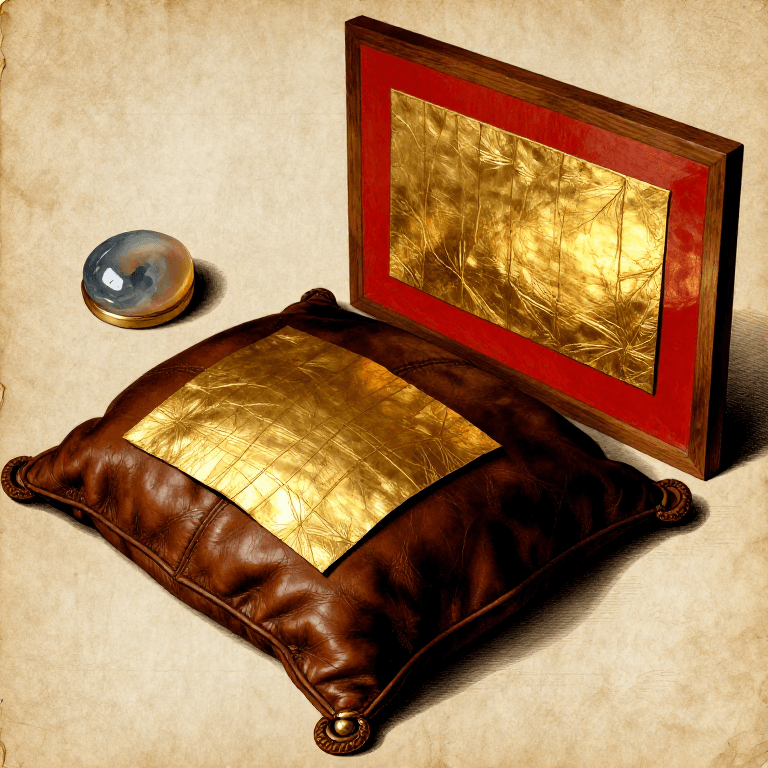
Water Gilding with Gold Leaf — Applying Gold to Gesso and Bole for a Mirror Finish
by Charlie
General
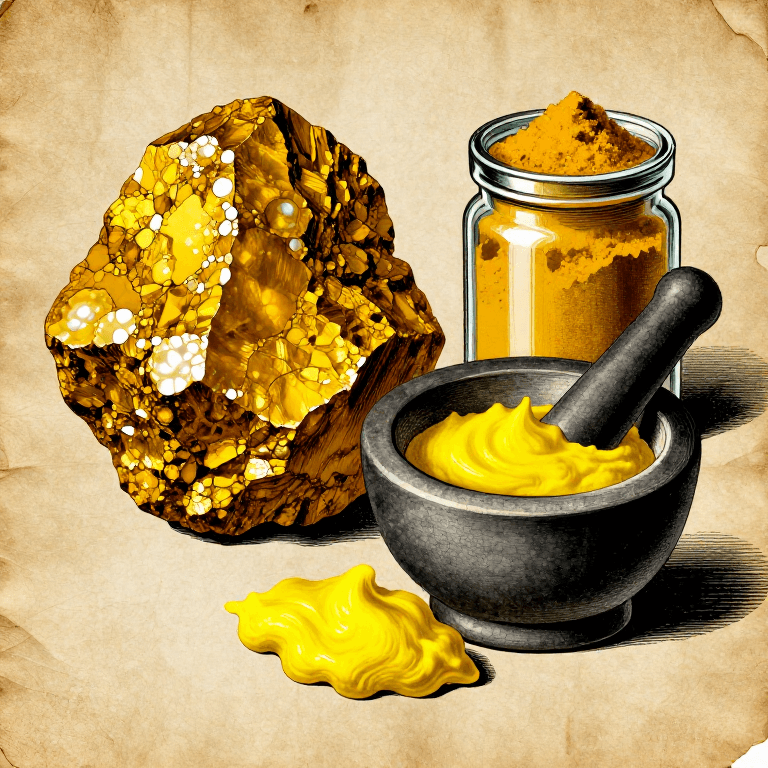
Making Orpiment Yellow Pigment — Grinding the Golden Arsenic Mineral of the Ancient World
by Charlie
General
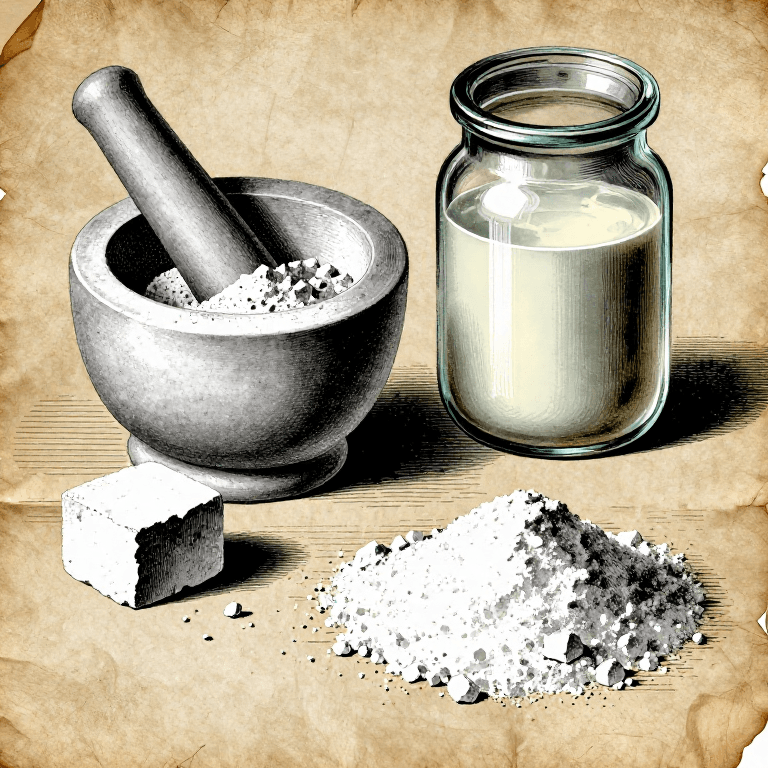
Making Chalk White Pigment (Whiting) — Grinding and Levigating Natural Chalk
by Charlie
General
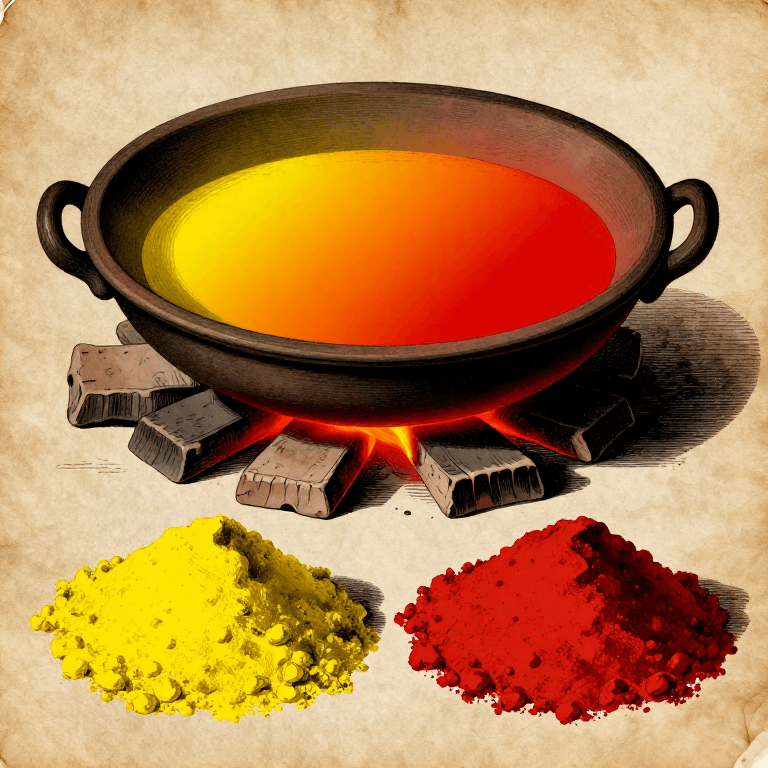
Making Red Ochre by Calcining Yellow Ochre — The Oldest Deliberate Pigment Transformation
by Charlie
General
CC0 Public Domain
This blueprint is released under CC0. You are free to copy, modify, distribute, and use this work for any purpose, without asking permission.
Support the Maker by purchasing products through their Blueprint where they earn a Maker Commission set by Vendors, or create a new iteration of this Blueprint and include it as a connection in your own Blueprint to share revenue.