ศิลปะ
ความงามและสุขภาพ
งานฝีมือ
วัฒนธรรมและประวัติศาสตร์
ความบันเทิง
สิ่งแวดล้อม
อาหารและเครื่องดื่ม
วิศวกรรมย้อนรอย
วิทยาศาสตร์
กีฬา
เทคโนโลยี
อุปกรณ์สวมใส่
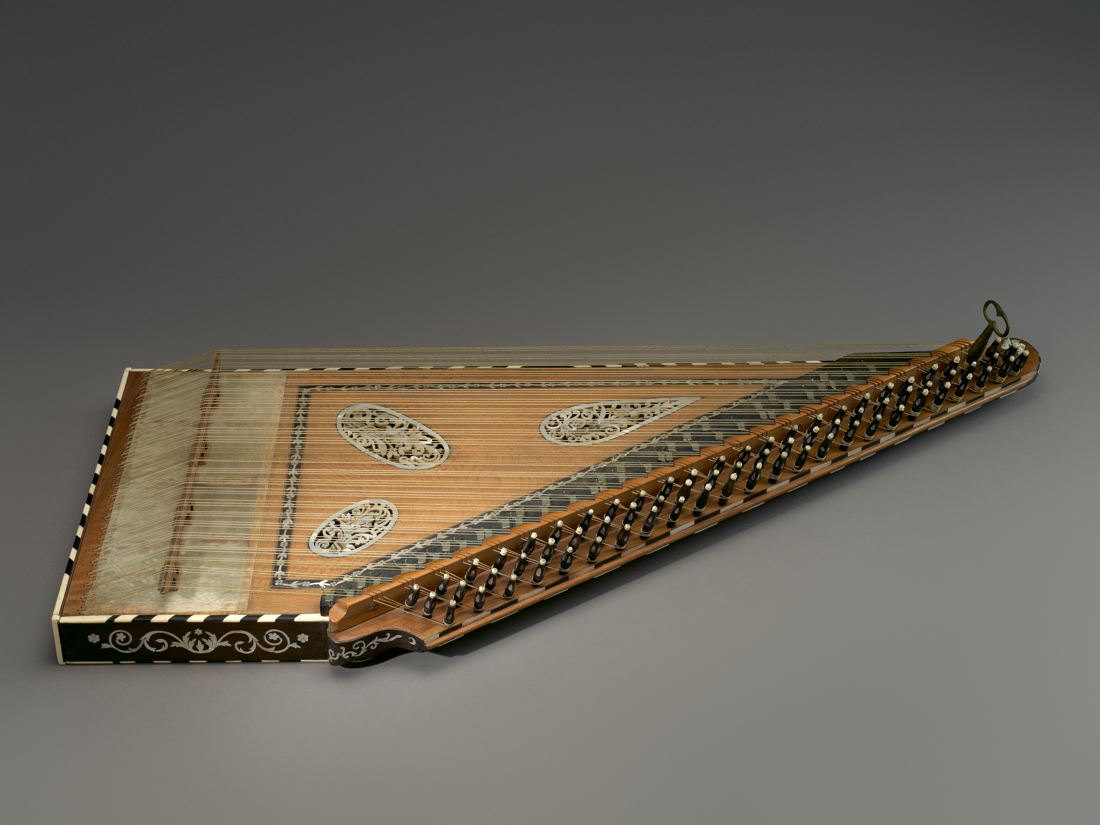


Building a Qanun — The Plucked Zither with Microtone Levers
Build a qanun: a flat trapezoidal zither of many string courses, plucked with finger picks — the plucked cousin of the hammered santur. Its secret is a bank of little levers (mandal) that raise or lower each course by a microtone, flipped mid-performance to change the mode. A serious maker build in the plucked zither and how a lever re-tunes a string in an instant.
ระดับกลาง
Several hours over several sessions
คำแนะนำ
1
1
A zither you pluck, with levers
A zither you pluck, with levers
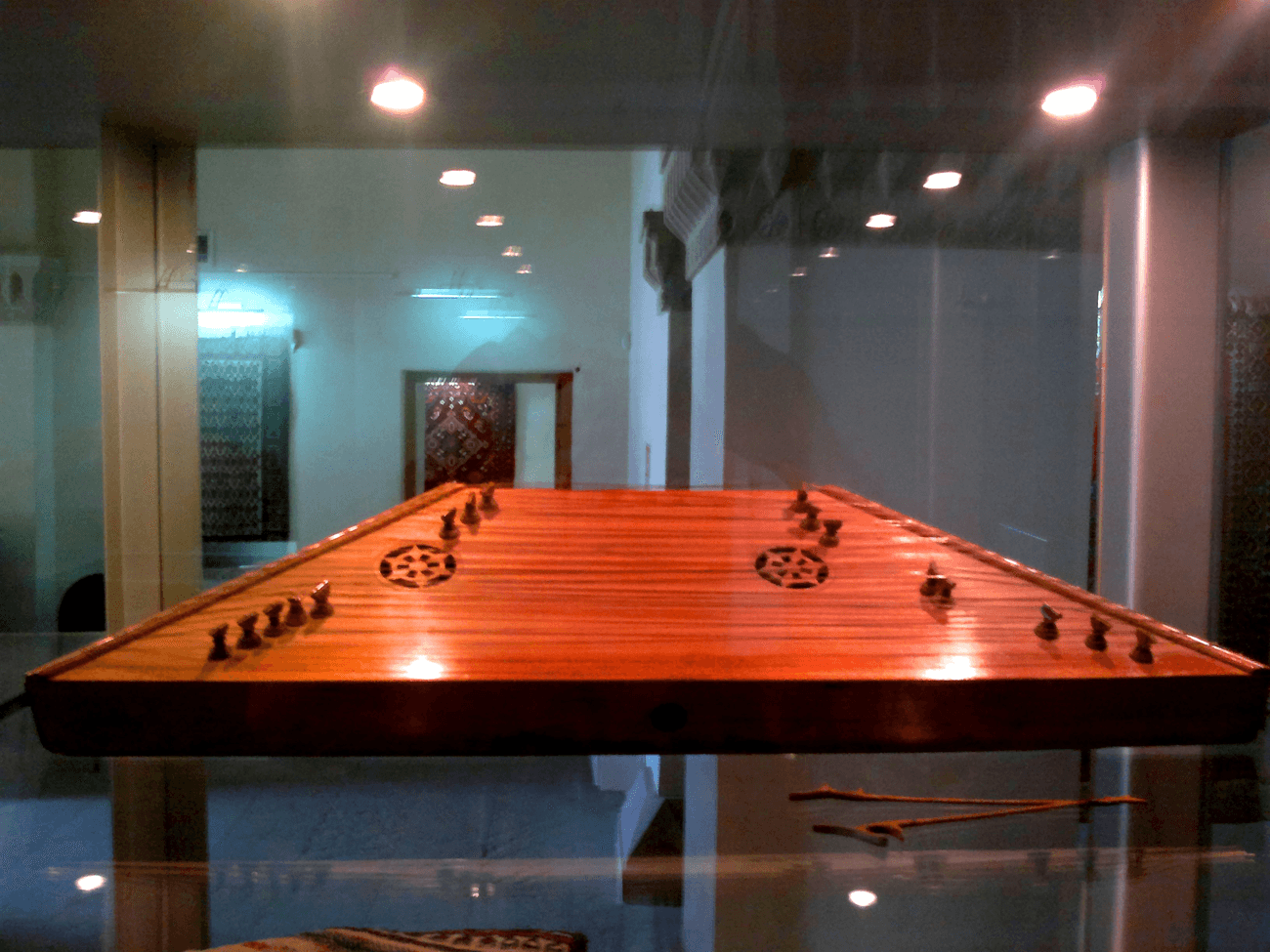
The qanun is a flat trapezoidal zither with dozens of string courses, plucked with picks on your fingers. Rows of little levers let you re-tune any course by a microtone in an instant to change the mode.
2
2
Build the trapezoidal box
Build the trapezoidal box
Build a shallow trapezoidal box with a thin wooden soundboard. On a real qanun part of the board is covered with fish-skin, over which the bridge stands.
วัสดุสำหรับขั้นตอนนี้:
 ไม้อัดเบิร์ชบอลติก1 ชิ้น
 แผ่นไม้เนื้ออ่อนแห้ง1 ชิ้น
 กาวไม้ PVA1 ชิ้น
เครื่องมือที่ต้องใช้:
 เลื่อยตัดเหล็ก
3
3
Set the pins and string it
Set the pins and string it
Fit tuning pins along one slanted side and hitch pins on the other, and string the instrument in courses of three strings tuned together — a full qanun has around seventy strings.
วัสดุสำหรับขั้นตอนนี้:
 ลูกบิดตั้งสาย9 ชิ้น
 ลวดเปียโนเหล็ก 0.032 นิ้ว1 ชิ้น
เครื่องมือที่ต้องใช้:
 เหล็กหมาด (สว่านเจาะรูมือ)
4
4
Stand the bridge
Stand the bridge
Stand a long wooden bridge across the skin-covered part of the soundboard so all the courses press down on it, feeding their vibration into the skin and box.
เครื่องมือที่ต้องใช้:
 มีดสโลยด์
5
5
Fit the mandal levers
Fit the mandal levers
At the tuning end, fit a bank of small metal levers (mandal) under each course. Flipping a lever shortens the vibrating length of that course by a tiny, fixed amount — raising it a microtone.
วัสดุสำหรับขั้นตอนนี้:
 ลวดสัมฤทธิ์1 ชิ้น
เครื่องมือที่ต้องใช้:
 ตะไบโลหะ
6
6
Tune the courses
Tune the courses
Tune every course to the scale with its pins, then set the mandal levers for the mode (maqam) you want to play.
7
7
Play with finger picks
Play with finger picks
Wear a pick on each index finger and pluck the courses, the two hands answering each other across the strings.
8
8
Flip a lever, change the note
Flip a lever, change the note
Mid-tune, flip a mandal lever to shift a course up or down a microtone. This is how a qanun player slides between maqamat without stopping to re-tune.
9
9
Compendium — the lever that re-tunes a string
Compendium — the lever that re-tunes a string
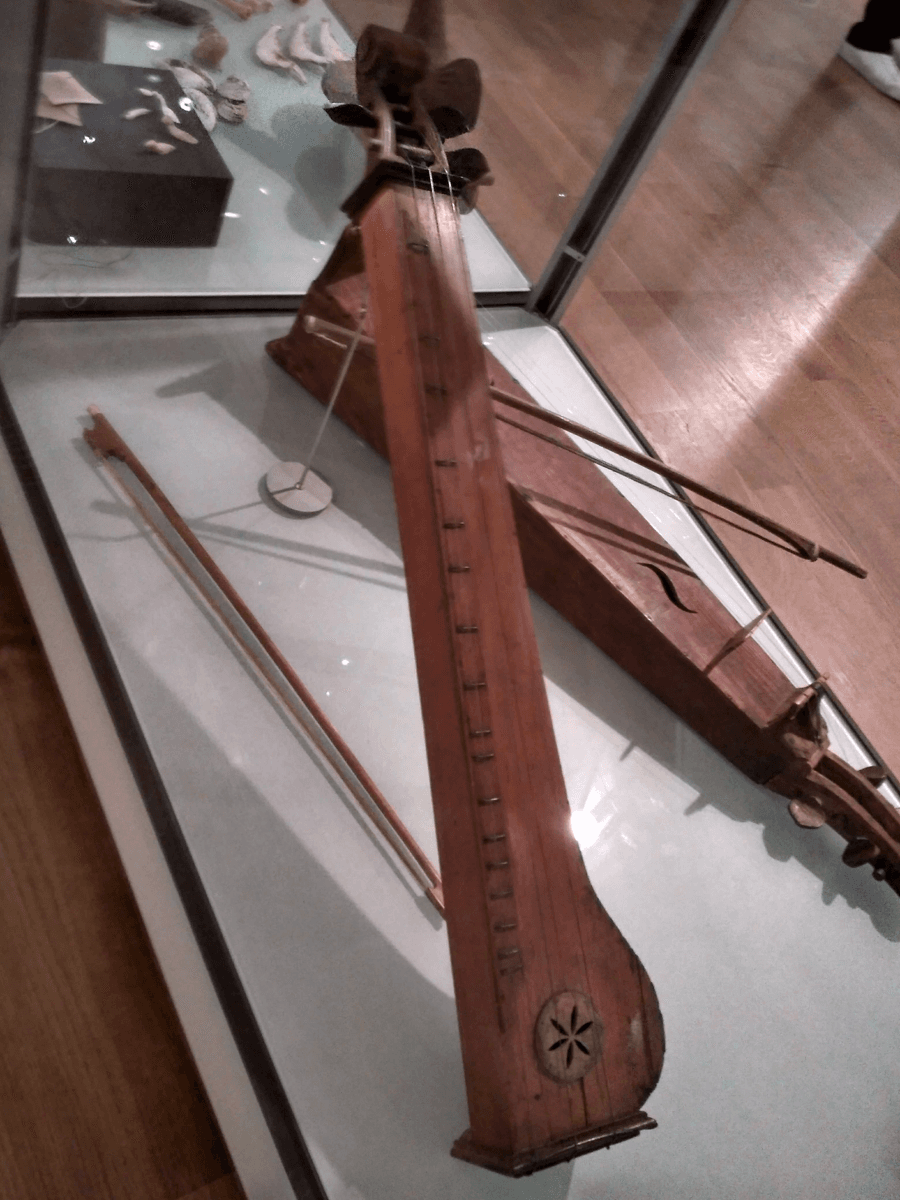
The qanun is a plucked box zither — the same idea as the langspil, but with many courses of strings across a wide trapezoidal soundboard, and plucked with finger picks rather than a hammer, which makes it the exact plucked twin of the hammered santur that shares its shape. A string's pitch depends on its length, tension and mass, and the qanun's mandal levers are a beautifully simple way to change one of these on the fly: each lever, when flipped up, presses down near one end of a course and shortens its vibrating length by a small fixed amount, raising that course's pitch by a microtone; flip it back and the full length returns. Because Arabic and Turkish music uses many microtonal notes and shifts between modes (maqamat) within a single piece, a qanun carries a whole bank of these levers, several per course, so the player can nudge individual notes up or down by tiny steps in an instant without ever re-tuning by ear. The bridge stands on a patch of stretched skin so the strings drive a membrane as well as the soundboard, giving the qanun its bright, ringing shimmer. Its cousins are the santur, the langspil and every box zither, and its lever trick is a mechanical relative of the harp's pedals and the guitar's capo — all quick ways to retune strings without turning a peg.
วัสดุ
6- 1 ชิ้นตัวยึดตำแหน่ง
- 1 ชิ้นตัวยึดตำแหน่ง
- 1 ชิ้นตัวยึดตำแหน่ง
- 9 ชิ้นตัวยึดตำแหน่ง
- ตัวยึดตำแหน่ง
- 1 ชิ้นตัวยึดตำแหน่ง
บลูพริ้นท์ที่เกี่ยวข้อง
บลูพริ้นท์เหล่านี้แบ่งปันความรู้ — เทคนิค วัสดุ หรือหลักการ
CC0 สาธารณสมบัติ
พิมพ์เขียวนี้เผยแพร่ภายใต้ CC0 คุณสามารถคัดลอก แก้ไข แจกจ่าย และใช้งานผลงานนี้เพื่อวัตถุประสงค์ใดก็ได้ โดยไม่ต้องขออนุญาต
สนับสนุนเมกเกอร์โดยซื้อสินค้าผ่านพิมพ์เขียวของพวกเขา ซึ่งพวกเขาจะได้รับ ค่าคอมมิชชันเมกเกอร์ ที่ผู้ขายกำหนด หรือสร้างเวอร์ชันใหม่ของพิมพ์เขียวนี้และรวมเป็นการเชื่อมต่อในพิมพ์เขียวของคุณเพื่อแบ่งรายได้