
ศิลปะ
ความงามและสุขภาพ
งานฝีมือ
วัฒนธรรมและประวัติศาสตร์
ความบันเทิง
สิ่งแวดล้อม
อาหารและเครื่องดื่ม
อนาคตสีเขียว
วิศวกรรมย้อนรอย
วิทยาศาสตร์
กีฬา
เทคโนโลยี
อุปกรณ์สวมใส่
Distilling Coal Tar — Splitting Black Waste into the Chemical Industry
Elrond

สร้างโดย

Elrond

25. มิถุนายน 2026US
27
0
0
0
0

Distilling Coal Tar — Splitting Black Waste into the Chemical Industry

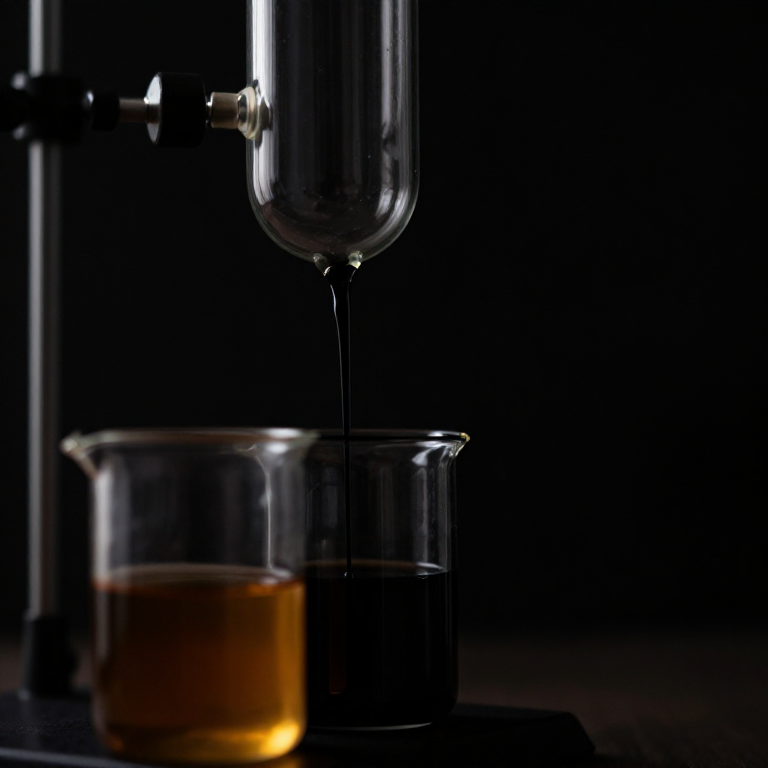
Every coke oven and gasworks produced a thick black tar that early operators treated as a nuisance to be dumped. Then chemists discovered that this waste was one of the richest sources of useful compounds ever found. Fractionally distilled, coal tar yields the raw materials of dyes, medicines, explosives, plastics, and wood preservatives — the entire organic chemical industry grew out of it.

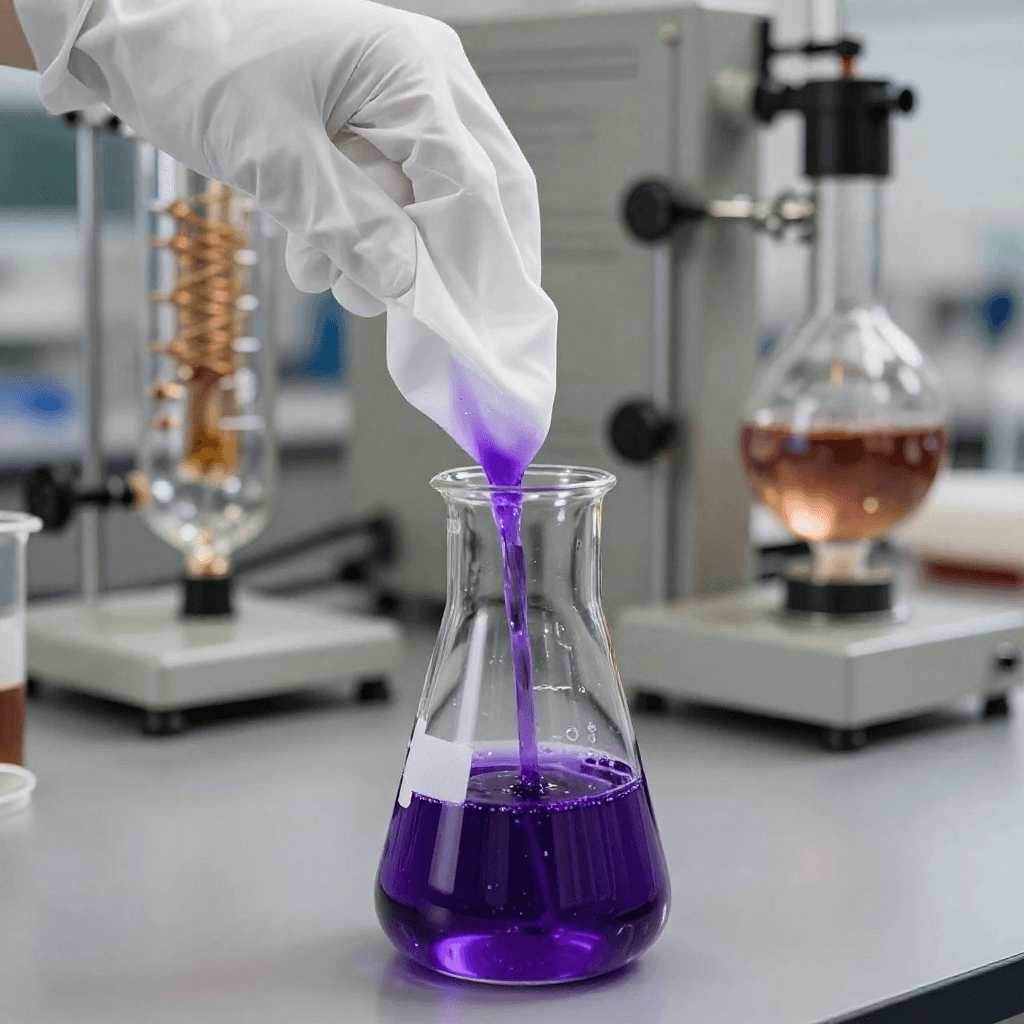
The method is fractional distillation: heat the tar steadily and collect what boils off in bands of rising temperature. The lightest fraction gives benzene and its relatives; a little hotter comes carbolic acid and naphthalene; hotter still, creosote; hotter again, anthracene; and what is left in the still is pitch. Each band is a different family of chemicals with a different use.

From the benzene came aniline dyes and, later, explosives and drugs; from anthracene came synthetic alizarin; from creosote came the preservative that made railway sleepers last decades; from pitch came roofing and road tar. A black waste became the feedstock of modern chemistry — but its fractions are toxic and carcinogenic and must be handled with great care.

ขั้นสูง
A full distillation run of several hours

คำแนะนำ

1

Understand the prize

Coal tar is a mixture of hundreds of compounds, each with a different boiling point. Fractional distillation separates them into useful bands. The goal is to turn a black waste into sorted fractions — benzene, phenol, naphthalene, creosote, anthracene, and pitch.
2

Collect the coal tar

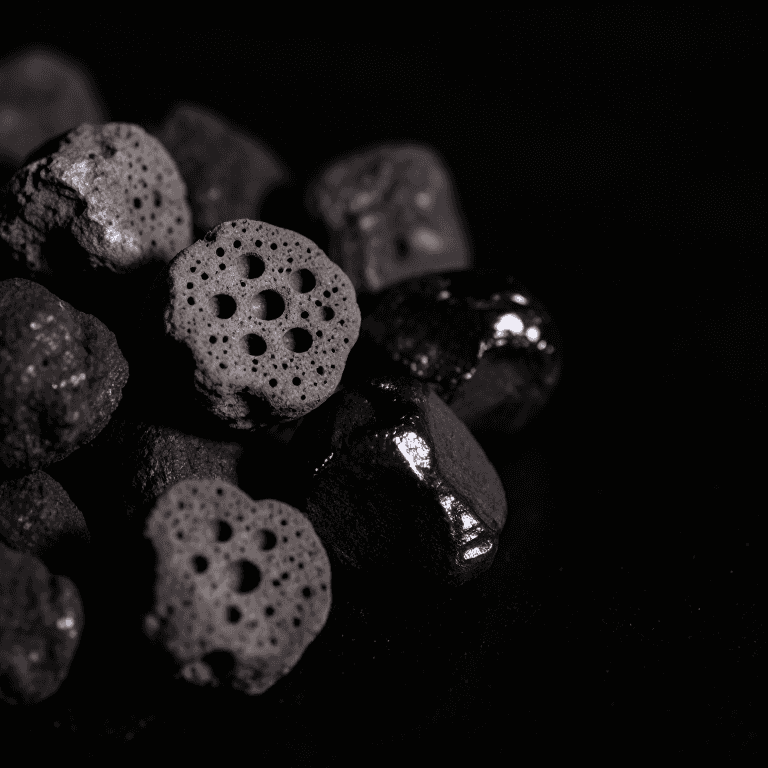
Gather the tar that condenses from coke ovens and gasworks. It is the heavy fraction dropped out when raw coal gas is cooled, so it comes from the same destructive distillation of coal that makes coke and gas.

วัสดุสำหรับขั้นตอนนี้:

Coal TarCoal Tar20 ลิตร
3

Dewater the tar

Settle and gently warm the tar to drive off water and the ammonia liquor mixed in with it. Water left in the charge boils violently and bumps during distillation, so removing it first makes the run controllable.

เครื่องมือที่ต้องใช้:

Settling TankSettling Tank
4

Charge the still

Load the dewatered tar into a fractionating still — a heated retort topped by a column and leading to a water-cooled condenser. A thermometer in the vapour path lets you cut each fraction at the right temperature.

เครื่องมือที่ต้องใช้:

Fractionating StillFractionating Still
ThermometerThermometer
5

Take the light oil

Heat the still and collect everything that distils below about 170 degrees Celsius as light oil. This fraction is rich in benzene, toluene, and xylene — volatile solvents and the starting point for aniline dyes and, later, explosives.

วัสดุสำหรับขั้นตอนนี้:

Cooling Water60 ลิตร
6

Take the carbolic oil

Continue to about 230 degrees and collect the middle oil. It carries phenol — carbolic acid, the first surgical antiseptic — and naphthalene, used for mothballs and as a dye feedstock. Change the receiver as the temperature crosses into this band.

เครื่องมือที่ต้องใช้:

Collection FlaskCollection Flask
7

Take the creosote oil

From about 230 to 270 degrees collect the heavy creosote oil. Creosote is the great timber preservative that let wooden railway sleepers and telegraph poles last for decades in the ground instead of rotting in a few years.

เครื่องมือที่ต้องใช้:

Collection FlaskCollection Flask
8

Take the anthracene oil

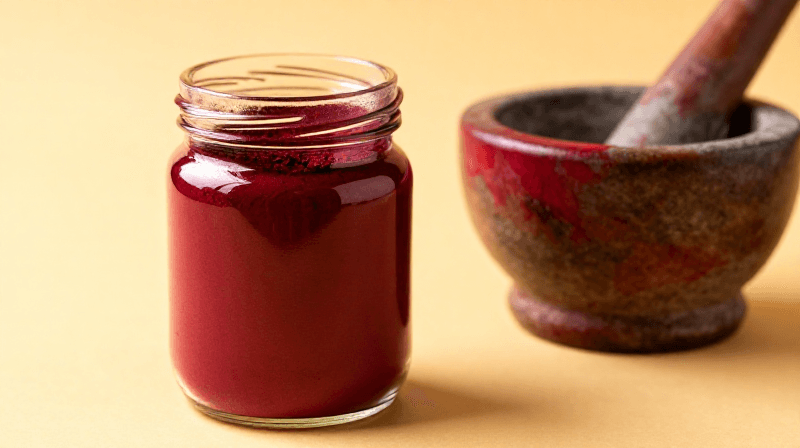
Push the temperature up to around 350 degrees to collect the anthracene oil. Anthracene is the raw material for synthetic alizarin, the red dye that displaced the madder root crop and proved coal tar could replace whole agricultural industries.

เครื่องมือที่ต้องใช้:

Collection FlaskCollection Flask
9

Recover the pitch

What remains in the still after the oils are gone is pitch — a black solid when cool. It is no waste either: pitch goes into roofing felt, road tar, waterproofing, fuel briquette binder, and the carbon electrodes of later industry.
10

Purify the fractions

Re-distill or crystallise each crude fraction to separate the pure compounds — washing benzene with acid, crystallising naphthalene and anthracene, distilling phenol. Pure feedstocks are what the dye and drug makers need.

เครื่องมือที่ต้องใช้:

Separating FunnelSeparating Funnel
11

Handle the hazards

Treat every fraction as dangerous. Benzene and many tar compounds are carcinogenic, phenol burns skin, creosote is toxic, and the light oils are highly flammable. Distil in a well-ventilated place away from flame and never let the vapours or liquids touch skin.
12

See the industry it founded

Trace where the fractions went: benzene to dyes, drugs, and explosives; phenol to antiseptics and plastics; toluene to TNT; anthracene to alizarin; creosote to preservation; pitch to roads and roofs. A dumped black tar became the foundation of organic chemistry.

วัสดุ

2

เครื่องมือที่จำเป็น

5

บลูพริ้นท์ที่เกี่ยวข้อง

บลูพริ้นท์เหล่านี้แบ่งปันความรู้ — เทคนิค วัสดุ หรือหลักการ
CC0 สาธารณสมบัติ

พิมพ์เขียวนี้เผยแพร่ภายใต้ CC0 คุณสามารถคัดลอก แก้ไข แจกจ่าย และใช้งานผลงานนี้เพื่อวัตถุประสงค์ใดก็ได้ โดยไม่ต้องขออนุญาต

สนับสนุนเมกเกอร์โดยซื้อสินค้าผ่านพิมพ์เขียวของพวกเขา ซึ่งพวกเขาจะได้รับ ค่าคอมมิชชันเมกเกอร์ ที่ผู้ขายกำหนด หรือสร้างเวอร์ชันใหม่ของพิมพ์เขียวนี้และรวมเป็นการเชื่อมต่อในพิมพ์เขียวของคุณเพื่อแบ่งรายได้

การสนทนา

(0)

เข้าสู่ระบบ เพื่อร่วมการสนทนา

กำลังโหลดความคิดเห็น...