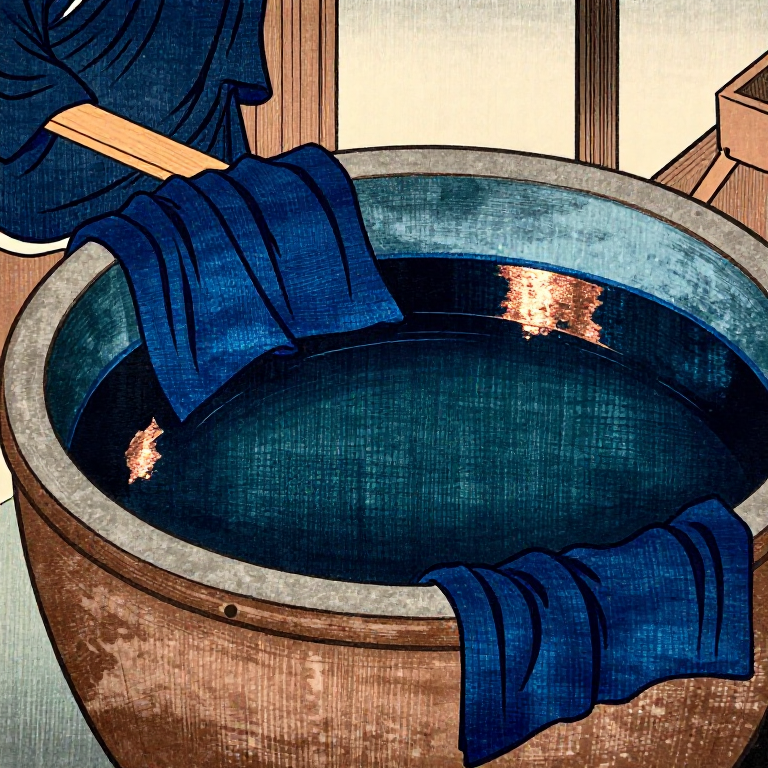


Dyeing Cotton with Fermented Indigo Vat — Aizome Japanese Indigo
คำแนะนำ
Prepare the Lye and Vat Base
Prepare the Lye and Vat Base
Make wood ash lye by pouring boiling water through hardwood ash in a bucket with drainage holes, collecting the alkaline liquid that filters through. Repeat until the lye is strong enough to feel slippery between fingers (pH 11-12). Alternatively, dissolve slaked lime in warm water to achieve the same alkalinity. Fill the vat one-third full with warm lye solution (approximately 25-30 degrees C). The alkaline environment is essential: indigo is insoluble in water, but under alkaline and reducing conditions, bacteria convert it to its soluble leuco-indigo form, which bonds to cellulose fibres and then re-oxidizes to insoluble blue when exposed to air.
วัสดุสำหรับขั้นตอนนี้:
 สุกุโมะ500g-1 kg ก.
 น้ำด่างขี้เถ้าไม้5-10 litres ชิ้น
 รำข้าวสาลี200-300g ก.
 ปูนขาวที่หมักแล้ว100-200g ก.
 ผ้าฝ้ายas desired ชิ้น
เครื่องมือที่ต้องใช้:
 เซรามิก
 พายไม้กวน
 เทอร์มอมิเตอร์สำหรับเตาอบ
 แถบวัด pH
Add Sukumo and Nutrients
Add Sukumo and Nutrients
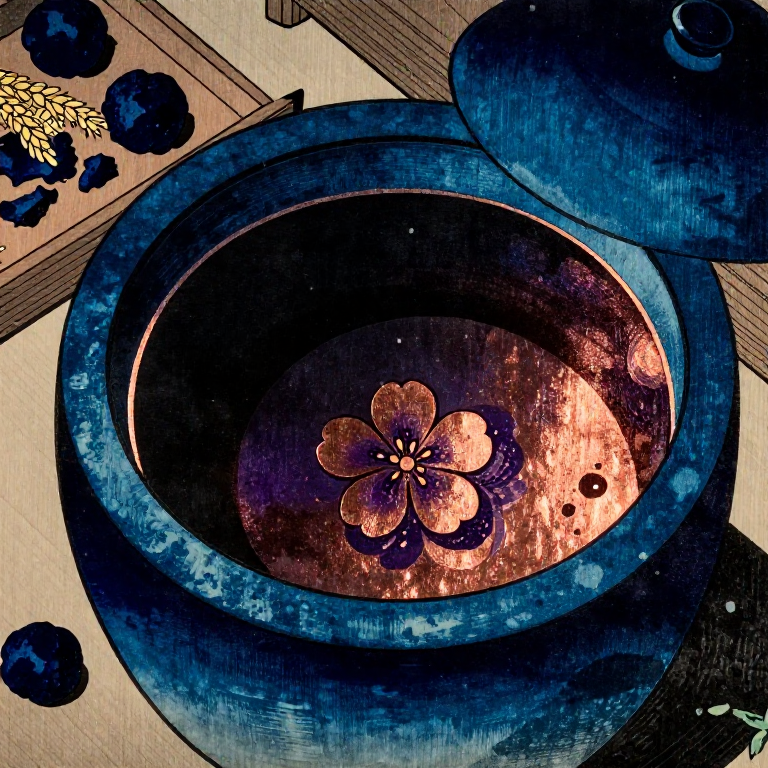
Crumble the sukumo (composted indigo balls) into the warm lye solution and stir thoroughly. Add wheat bran and a splash of sake — these provide sugars and nutrients for the anaerobic bacteria that drive the fermentation reduction process. The wheat bran ferments and produces carbon dioxide, which displaces oxygen from the vat and creates the reducing conditions necessary for indigo to dissolve. Stir the vat vigorously twice daily for 7-14 days, then allow it to settle. The vat is ready when the surface develops a coppery-purple metallic sheen (called the flower or ai-no-hana) and the liquid beneath is yellow-green rather than blue. If the liquid is blue, reduction is incomplete.
Test and Adjust the Vat
Test and Adjust the Vat
Dip a small test strip of cotton into the vat and hold it submerged for 2-3 minutes. When removed, the fabric should appear yellow-green (the colour of leuco-indigo). As it contacts air, the fabric oxidizes to blue over 15-20 minutes. If the test strip comes out blue, the vat is not sufficiently reduced — add more wheat bran and sake, stir, and wait another day. If the colour is weak, the vat needs more sukumo or higher temperature. The ideal vat temperature is 25-30 degrees C. Maintain alkalinity at pH 10-11 by adding small amounts of slaked lime as needed. A healthy vat smells earthy and slightly fermented, not putrid.
Dye the Fabric
Dye the Fabric
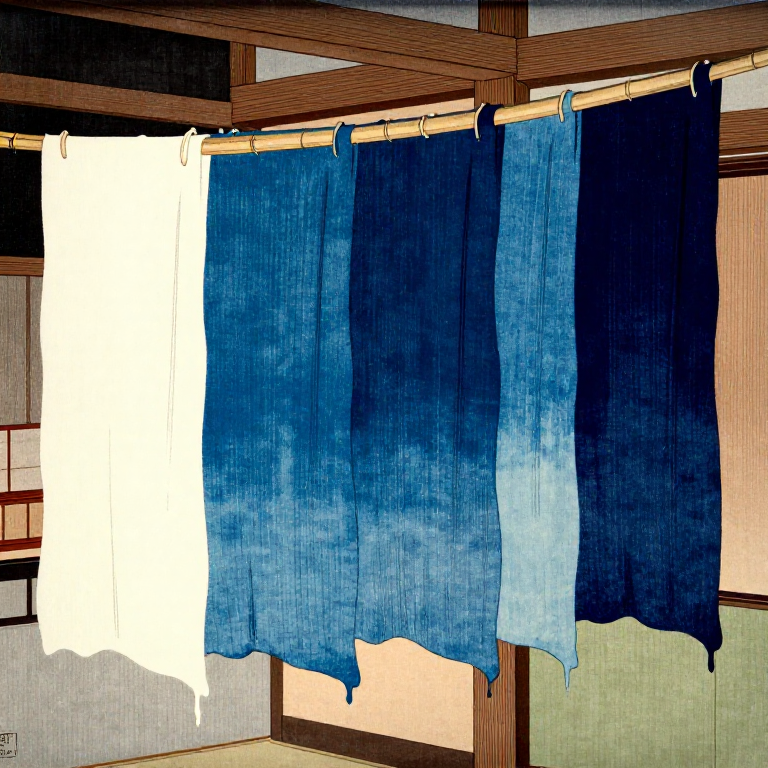
Pre-wet the scoured cotton fabric in warm water and wring it out. Gently lower it into the vat, pushing it beneath the surface without splashing (agitation introduces oxygen and disrupts the reduced state). Keep the fabric submerged for 3-5 minutes, gently squeezing and moving it underwater to ensure even penetration. Remove the fabric and allow it to oxidize in the air for 15-20 minutes — it will transform from yellow-green to blue as the leuco-indigo re-oxidizes and locks into the fibre. Repeat the dip-and-oxidize cycle 5-10 times for progressively deeper blues. Light blue requires 2-3 dips; the deepest navy may require 15-20 dips over several days.
Rinse and Fix the Colour
Rinse and Fix the Colour
After the final dip and oxidation, rinse the dyed fabric in cold running water until the water runs clear, removing any unbound indigo particles that would rub off in use. The colour is now permanently fixed within the cotton fibres through a mechanical bond — indigo molecules are physically trapped in the fibre structure during the oxidation step. No chemical mordant is needed, unlike most natural dyes. Dry the fabric out of direct sunlight to prevent initial fading. Indigo-dyed fabric actually improves with washing and wear: the surface indigo wears away slightly, revealing lighter fibres beneath and creating the characteristic faded patina prized in Japanese workwear and denim traditions.
วัสดุ
7- 500g-1 kg ก.ตัวยึดตำแหน่ง
- 5-10 litres ชิ้นตัวยึดตำแหน่ง
- 100-200g ก.ตัวยึดตำแหน่ง
- Sake or rice wine (as bacterial nutrient)200ml มล.
- as desired ชิ้นตัวยึดตำแหน่ง
- 200-300g ชิ้นตัวยึดตำแหน่ง
- 100-200g ชิ้นตัวยึดตำแหน่ง
เครื่องมือที่จำเป็น
6- ตัวยึดตำแหน่ง
- ตัวยึดตำแหน่ง
- ตัวยึดตำแหน่ง
- ตัวยึดตำแหน่ง
- ตัวยึดตำแหน่ง
- ตัวยึดตำแหน่ง
พิมพ์เขียวนี้สร้าง

CC0 สาธารณสมบัติ
พิมพ์เขียวนี้เผยแพร่ภายใต้ CC0 คุณสามารถคัดลอก แก้ไข แจกจ่าย และใช้งานผลงานนี้เพื่อวัตถุประสงค์ใดก็ได้ โดยไม่ต้องขออนุญาต
สนับสนุนเมกเกอร์โดยซื้อสินค้าผ่านพิมพ์เขียวของพวกเขา ซึ่งพวกเขาจะได้รับ ค่าคอมมิชชันเมกเกอร์ ที่ผู้ขายกำหนด หรือสร้างเวอร์ชันใหม่ของพิมพ์เขียวนี้และรวมเป็นการเชื่อมต่อในพิมพ์เขียวของคุณเพื่อแบ่งรายได้