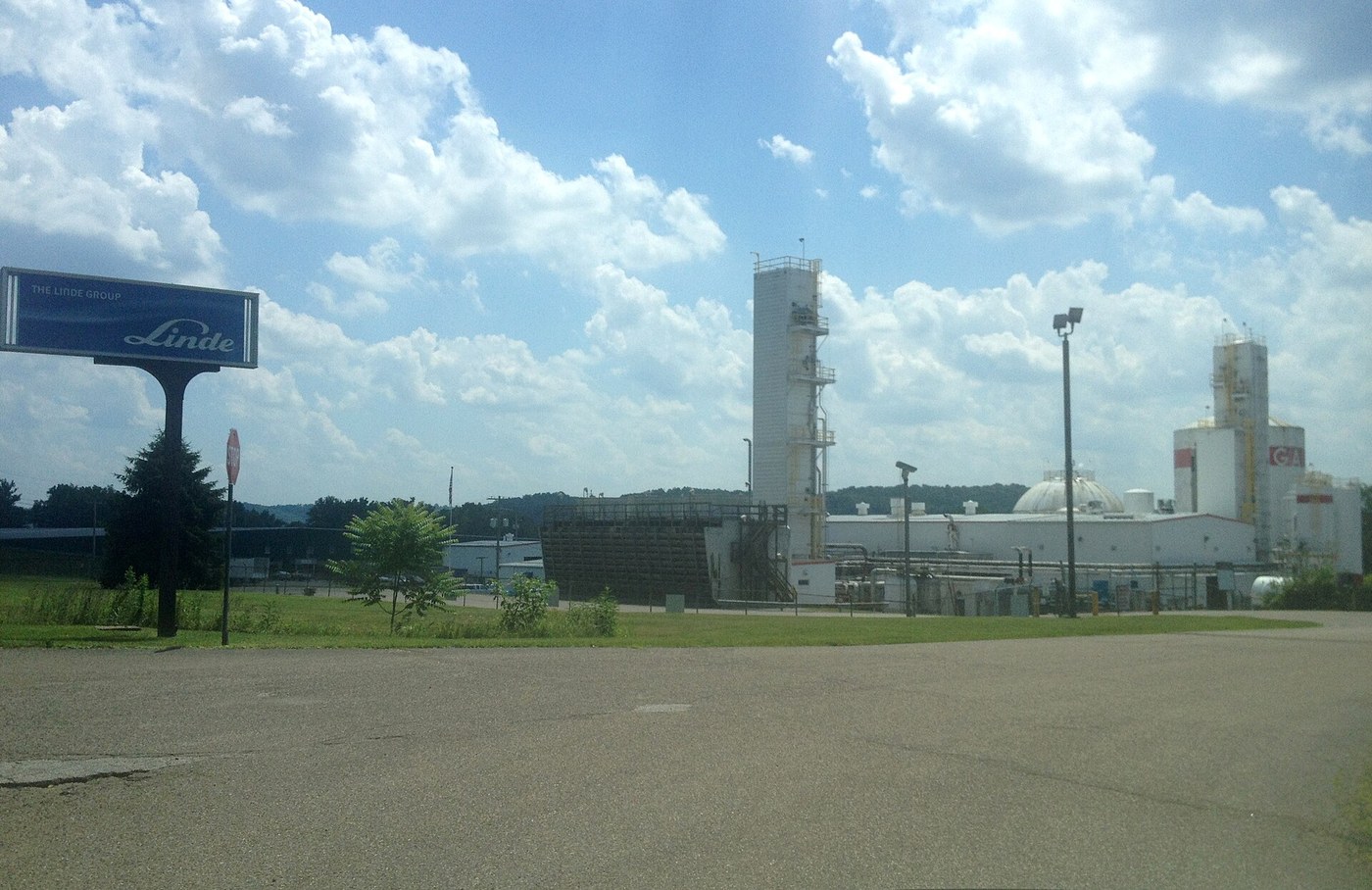


Linde Air Liquefaction
คำแนะนำ
Feel the effect you are about to industrialise
Feel the effect you are about to industrialise
The Joule-Thomson effect is not exotic. You can feel it in a minute.
- Pump a bicycle tyre and touch the pump barrel — compression warms the gas.
- Let air out of a full tyre across your hand — expansion cools it.
วัสดุสำหรับขั้นตอนนี้:
 เทอร์โมมิเตอร์อ่านค่าทันที1 ชิ้น
Regenerative counter-current cooling
Regenerative counter-current cooling
The cooled gas is not thrown away. It is used to chill the gas coming in behind it.
- Compressed air passes down through a heat exchanger.
- It expands through a throttle valve and cools.
- The cold expanded gas flows back up around the incoming pipe, chilling it.
- The next portion therefore starts colder, and expands to colder still.
The inversion temperature — and why hydrogen surprised everyone
The inversion temperature — and why hydrogen surprised everyone
Throttling only cools a gas if it starts below its inversion temperature.
- Above that temperature, expansion warms the gas instead.
- Air is comfortably below its inversion temperature at room temperature, so the cycle works directly.
- Hydrogen and helium are not — they must be pre-cooled first or the machine heats them up.
Separating the components
Separating the components
Liquid air is a mixture, and the parts boil at different temperatures.
- Nitrogen boils at -196 °C.
- Argon at -186 °C.
- Oxygen at -183 °C.
Fractional distillation of the liquid separates them.
Nitrogen boils off first, so it comes out of the top of the column and oxygen collects below. That 13-degree gap between nitrogen and oxygen is the entire basis of the industrial gas industry.History and context
History and context
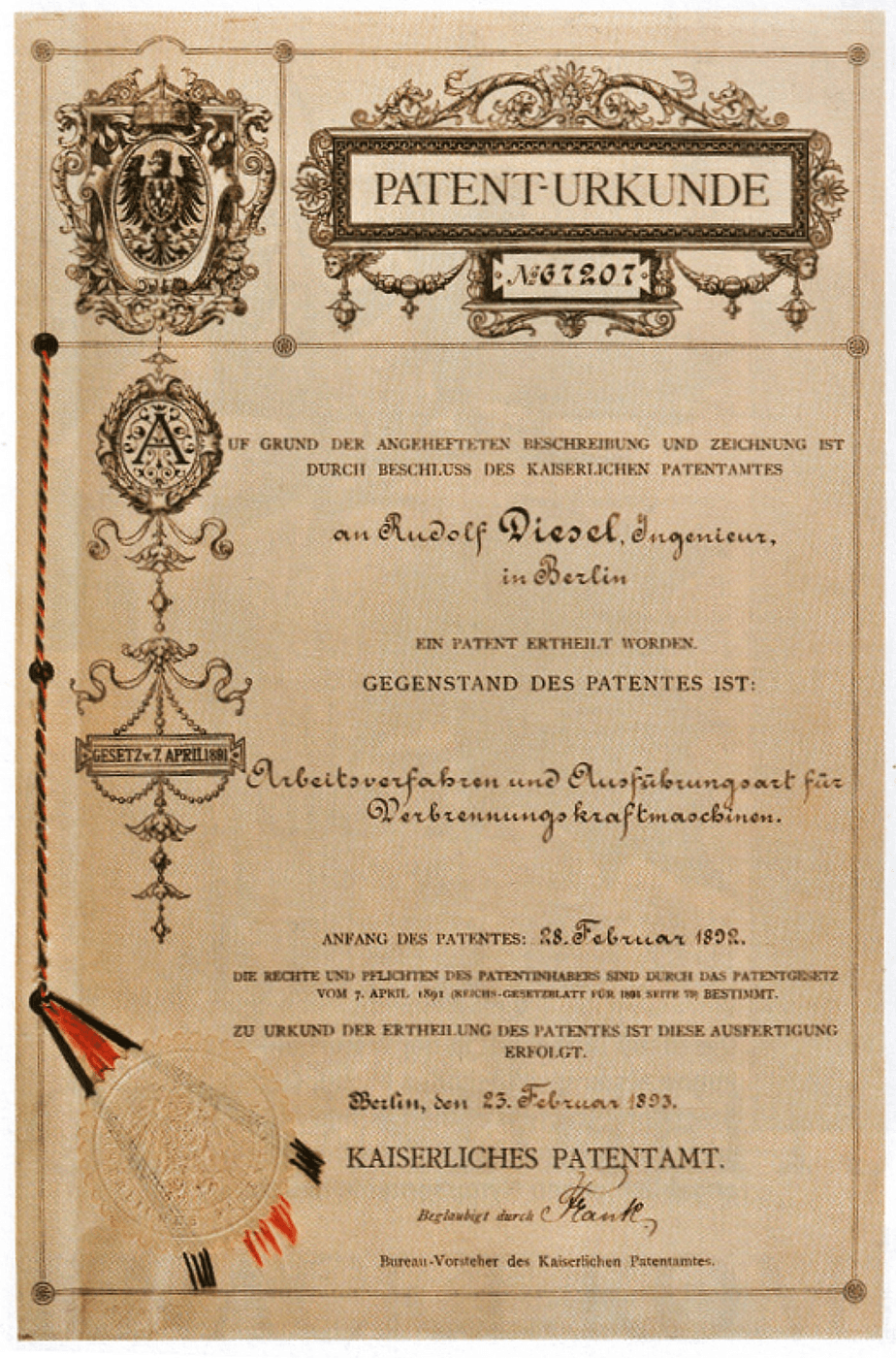
Carl von Linde was a professor of engineering in Munich who had already built a successful refrigeration business on ammonia compression before turning to air. His air-liquefaction patent dates from 1895. William Hampson, working independently in England, filed for a very similar regenerative cycle in the same year — the two are close enough that the cycle is commonly credited to both.
What it unlocked: cheap oxygen. Oxy-acetylene welding and cutting, the oxygen used to blow steel, and the nitrogen used as an inert blanket in industry all begin here. Liquid nitrogen became a routine laboratory coolant. When Haber and Bosch needed enormous quantities of pure nitrogen for ammonia synthesis, air separation is where it came from.
Georges Claude improved the cycle a few years later by expanding the gas through an engine that does external work, which cools it much more effectively than a plain throttle. Modern plants use expansion turbines on the same principle.
Why there is no build here. Reaching -195 °C requires sustained high-pressure compression and a heat exchanger with very low losses; a leak of high-pressure gas or a cold-embrittled fitting is genuinely dangerous, and liquid oxygen in contact with oil or grease is an explosion hazard. The Joule-Thomson step in this blueprint is real and safe to feel; the plant that multiplies it is not something to attempt.
วัสดุ
1- ตัวยึดตำแหน่ง
บลูพริ้นท์ที่เกี่ยวข้อง
บลูพริ้นท์เหล่านี้แบ่งปันความรู้ — เทคนิค วัสดุ หรือหลักการ

CC0 สาธารณสมบัติ
พิมพ์เขียวนี้เผยแพร่ภายใต้ CC0 คุณสามารถคัดลอก แก้ไข แจกจ่าย และใช้งานผลงานนี้เพื่อวัตถุประสงค์ใดก็ได้ โดยไม่ต้องขออนุญาต
สนับสนุนเมกเกอร์โดยซื้อสินค้าผ่านพิมพ์เขียวของพวกเขา ซึ่งพวกเขาจะได้รับ ค่าคอมมิชชันเมกเกอร์ ที่ผู้ขายกำหนด หรือสร้างเวอร์ชันใหม่ของพิมพ์เขียวนี้และรวมเป็นการเชื่อมต่อในพิมพ์เขียวของคุณเพื่อแบ่งรายได้