ศิลปะ
ความงามและสุขภาพ
งานฝีมือ
วัฒนธรรมและประวัติศาสตร์
ความบันเทิง
สิ่งแวดล้อม
อาหารและเครื่องดื่ม
วิศวกรรมย้อนรอย
วิทยาศาสตร์
กีฬา
เทคโนโลยี
อุปกรณ์สวมใส่
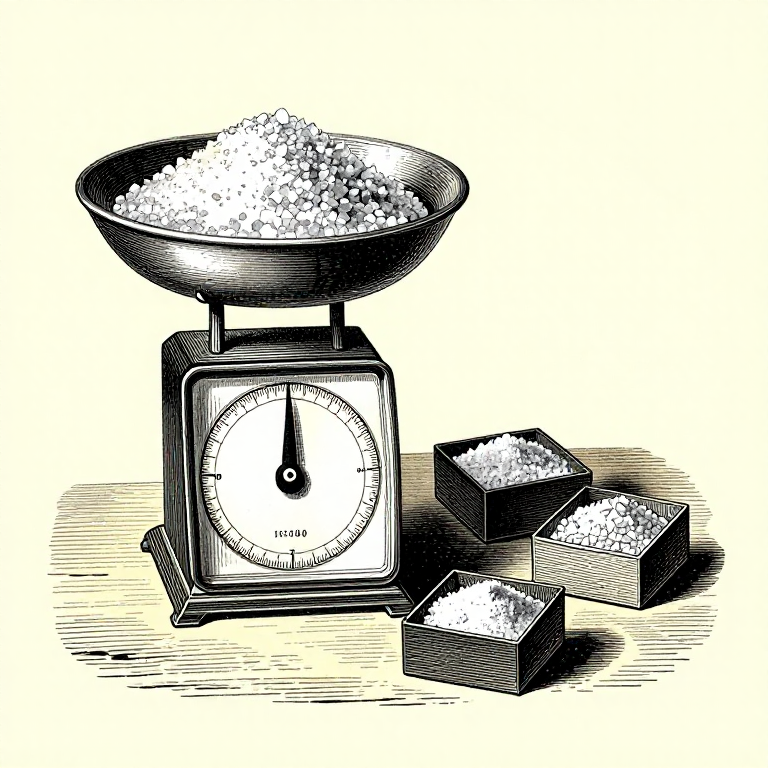


Salt: Measure It by Weight, and Add It Early Enough to Travel
A teaspoon of fine salt weighs roughly twice what a teaspoon of flaky salt weighs. So a recipe measuring salt in spoons is not a recipe — it is a suggestion that comes out right only if you happen to own the same salt the writer did.
Weighing it fixes that completely, and it lets you express salt the way it actually works: as a PERCENTAGE of what you are salting. 1% salt on meat is 1% whatever the meat weighs, whatever salt you own, in any kitchen in the world.
The second half is time. Salt on the surface of a piece of meat has to dissolve, draw out moisture, and be reabsorbed as brine before it reaches the middle — and that takes hours, not minutes. Salt added at the last second seasons only the outside.
เริ่มต้น
2 hours
คำแนะนำ
1
1
Weigh it, and stop measuring salt in spoons
Weigh it, and stop measuring salt in spoons
Put the bowl on the scale, tare it, and weigh the salt. It takes the same time as levelling a spoon and it removes the largest single variable in seasoning.
The reason spoons fail is crystal shape. Fine table salt packs densely; kosher and flaky salts are coarse hollow flakes with air between them, so the same volume holds far less salt. Two brands of kosher salt can differ from each other by a third.
Taring is not the same as subtracting afterwards, for the reasons the solution-making rung sets out: the container's weight changes, and subtracting two large numbers to get a small one throws precision away.
วัสดุสำหรับขั้นตอนนี้:
 โซเดียมคลอไรด์ (เกลือ)1 ชิ้น
เครื่องมือที่ต้องใช้:
 เครื่องชั่งดิจิทัลสำหรับครัว
 ตาชั่งครัวความละเอียดสูง
 ชามผสมแก้วใบใหญ่
2
2
Salt as a percentage, and the numbers worth knowing
Salt as a percentage, and the numbers worth knowing
กำลังโหลดสมุด Jupyter…
วัสดุสำหรับขั้นตอนนี้:
โซเดียมคลอไรด์ (เกลือ)1 ชิ้น เนื้อวัวไม่ติดมัน1 ชิ้น
เครื่องมือที่ต้องใช้:
เครื่องชั่งดิจิทัลสำหรับครัว คอมพิวเตอร์ตั้งโต๊ะ
 เครื่องคิดเลข
3
3
Salt needs time to get past the surface
Salt needs time to get past the surface
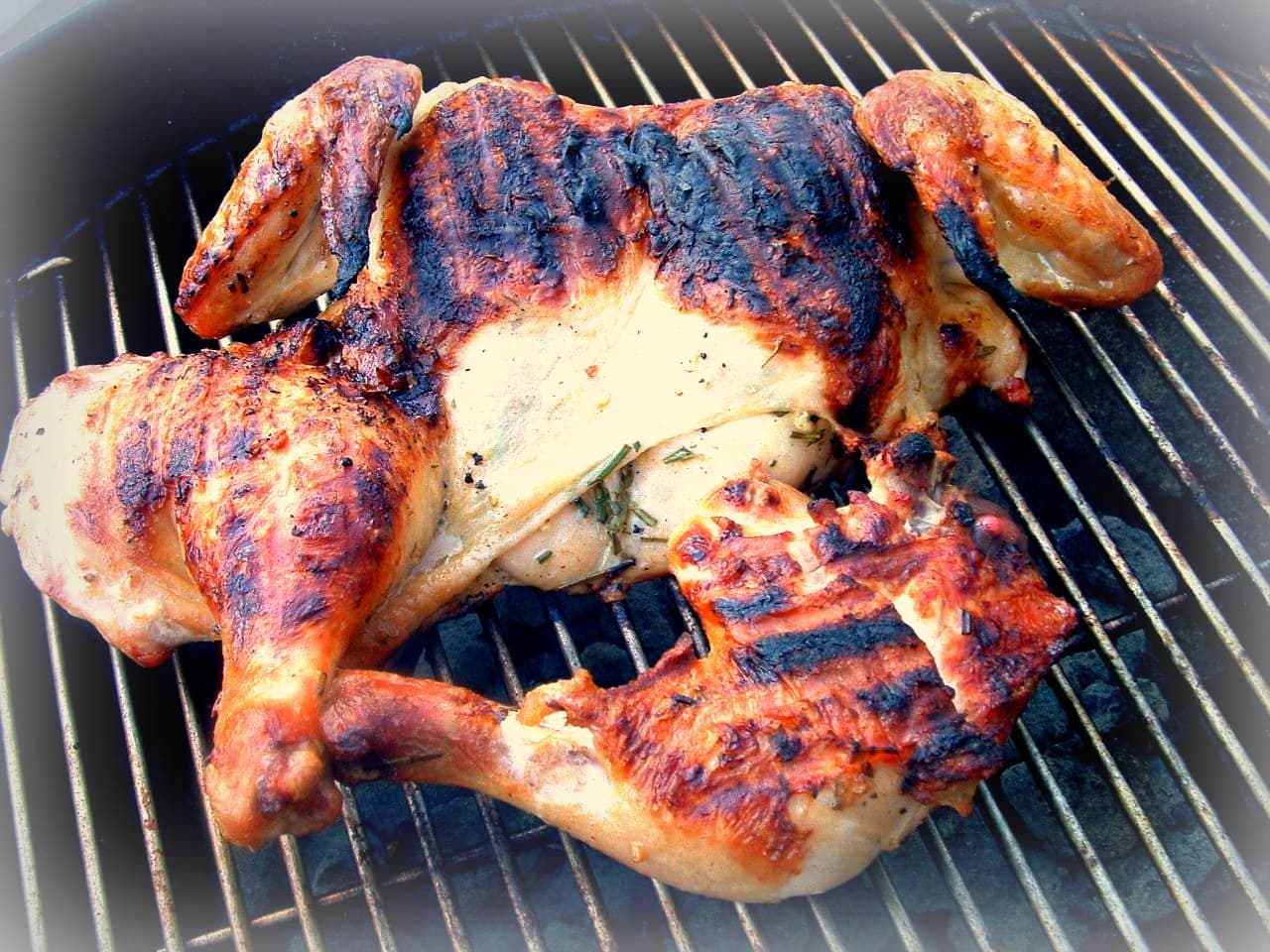
Salt a piece of meat and for the first twenty minutes it looks like a mistake: the surface goes wet as salt draws moisture out. That brine then dissolves the salt and is drawn back IN, carrying seasoning with it.
That round trip is why timing matters. Forty minutes is enough for a steak's surface to dry again and the salt to have moved in a little; overnight in the fridge, uncovered, seasons a whole chicken through and dries the skin so it browns properly.
The one timing to avoid is the middle: salting five to twenty minutes before cooking leaves the surface at its wettest, which is the worst possible state for browning. Salt well ahead, or salt right at the moment it hits the pan.
วัสดุสำหรับขั้นตอนนี้:
โซเดียมคลอไรด์ (เกลือ)1 ชิ้น ไก่1 ชิ้น
เครื่องมือที่ต้องใช้:
เครื่องชั่งดิจิทัลสำหรับครัว สมุดบันทึก
 ท่อนไม้เมเปิลสำหรับเขียง
4
4
Salt from above, and taste at the end
Salt from above, and taste at the end
Sprinkle from a height of 20 to 30 cm. The extra distance spreads the crystals evenly instead of dropping them in a patch, and an evenly salted surface is most of what people mean by well seasoned.
Season in LAYERS as you cook — a little on the onions, a little when the liquid goes in, a final adjustment at the end. Salt added throughout tastes like part of the dish; the same total dumped in at the end tastes like salt.
And taste at serving temperature. Cold food tastes less salty than the same food hot, so a sauce corrected while cool will be over-salted on the plate. That is the last rung of this batch, and it is the only test that actually settles the question.
วัสดุสำหรับขั้นตอนนี้:
โซเดียมคลอไรด์ (เกลือ)1 ชิ้น หัวหอม1 ชิ้น
เครื่องมือที่ต้องใช้:
 ช้อนไม้สำหรับคน
 ทัพพีสมุดบันทึก
วัสดุ
4- 1 ชิ้นตัวยึดตำแหน่ง
- 1 ชิ้นตัวยึดตำแหน่ง
- 1 ชิ้นตัวยึดตำแหน่ง
- 1 ชิ้นตัวยึดตำแหน่ง
เครื่องมือที่จำเป็น
9- ตัวยึดตำแหน่ง
- ตัวยึดตำแหน่ง
- ตัวยึดตำแหน่ง
- ตัวยึดตำแหน่ง
- ตัวยึดตำแหน่ง
- ตัวยึดตำแหน่ง
- ตัวยึดตำแหน่ง
- ตัวยึดตำแหน่ง
- ตัวยึดตำแหน่ง
บลูพริ้นท์ที่เกี่ยวข้อง
บลูพริ้นท์เหล่านี้แบ่งปันความรู้ — เทคนิค วัสดุ หรือหลักการ



CC0 สาธารณสมบัติ
พิมพ์เขียวนี้เผยแพร่ภายใต้ CC0 คุณสามารถคัดลอก แก้ไข แจกจ่าย และใช้งานผลงานนี้เพื่อวัตถุประสงค์ใดก็ได้ โดยไม่ต้องขออนุญาต
สนับสนุนเมกเกอร์โดยซื้อสินค้าผ่านพิมพ์เขียวของพวกเขา ซึ่งพวกเขาจะได้รับ ค่าคอมมิชชันเมกเกอร์ ที่ผู้ขายกำหนด หรือสร้างเวอร์ชันใหม่ของพิมพ์เขียวนี้และรวมเป็นการเชื่อมต่อในพิมพ์เขียวของคุณเพื่อแบ่งรายได้