ศิลปะ
ความงามและสุขภาพ
งานฝีมือ
วัฒนธรรมและประวัติศาสตร์
ความบันเทิง
สิ่งแวดล้อม
อาหารและเครื่องดื่ม
วิศวกรรมย้อนรอย
วิทยาศาสตร์
กีฬา
เทคโนโลยี
อุปกรณ์สวมใส่
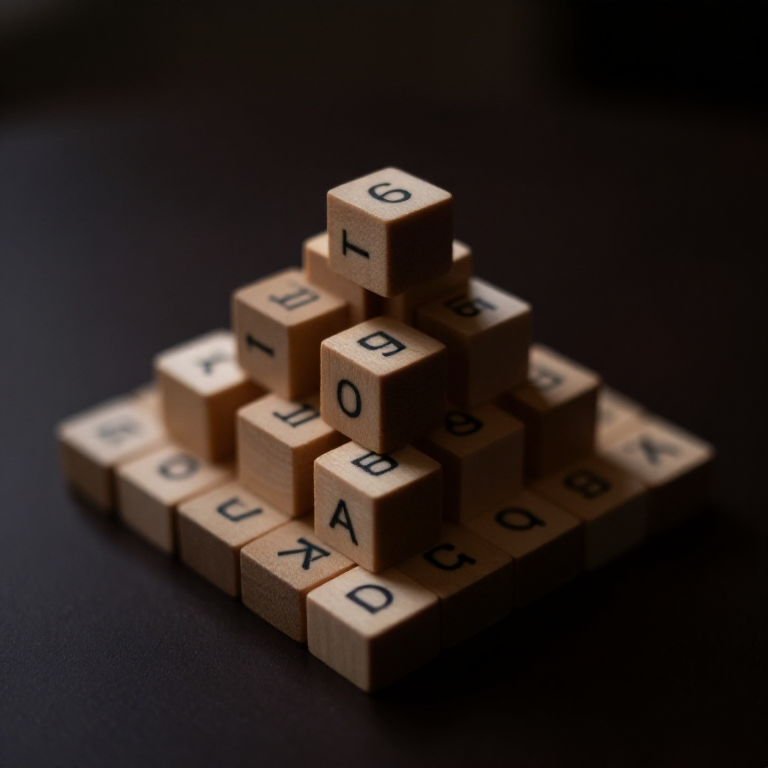


Pascal's Triangle — Build a Pyramid of Numbers by Adding
A hands-on maths project: build a triangle of numbers where each one is the sum of the two above it, then hunt for the patterns hiding inside -- powers of two, the Fibonacci numbers, even a fractal. A Python cell reveals the patterns and a compendium links them to counting and chance.
เริ่มต้น
30 minutes
คำแนะนำ
1
1
A pyramid of numbers
A pyramid of numbers
Pascal's triangle starts with a 1 at the top, and every number below is the sum of the two just above it. It is simple to build but packed with hidden patterns.
2
2
Build it on card
Build it on card
On a large sheet, write a 1 at the top. In the next row write 1 and 1. For every row after, put a 1 at each end, and in each gap write the SUM of the two numbers diagonally above it. Fill in eight or nine rows. (You can lay out coins or counters and combine piles instead of writing, if you like.)
วัสดุสำหรับขั้นตอนนี้:
 ชุดกระดาษการ์ดคละสี1 ชิ้น
เครื่องมือที่ต้องใช้:
 ชุดดินสอกราไฟต์
3
3
Hunt the patterns
Hunt the patterns
Add up each row: 1, 2, 4, 8, 16 -- the powers of two! Now shade in only the ODD numbers and step back: a triangular fractal pattern appears. Add the numbers along shallow diagonals and you get the Fibonacci sequence. Mark these discoveries on your triangle.
เครื่องมือที่ต้องใช้:
 เครื่องคิดเลข
4
4
Reveal them with code
Reveal them with code
กำลังโหลดสมุด Jupyter…
เครื่องมือที่ต้องใช้:
 คอมพิวเตอร์ตั้งโต๊ะ
5
5
Compendium: counting and chance
Compendium: counting and chance
What the pyramid hides. (1) Each row is the answer to 'how many ways can you choose k things from n?' -- the numbers are the 'combinations'. (2) The rows are also the coefficients you get expanding (a+b) to a power, the binomial theorem. (3) Shading the odd numbers draws the Sierpinski fractal -- pure pattern out of pure adding. (4) Because the triangle counts how many ways things can happen, Pascal and Fermat used it in 1654 to work out the odds in games of chance, launching the whole of probability and, from it, modern statistics. Though named for Pascal, it was known centuries earlier in India, Persia and China.
วัสดุ
2- 1 ชิ้นตัวยึดตำแหน่ง
- 1 แผ่นตัวยึดตำแหน่ง
เครื่องมือที่จำเป็น
3- ตัวยึดตำแหน่ง
- ตัวยึดตำแหน่ง
- ตัวยึดตำแหน่ง
บลูพริ้นท์ที่เกี่ยวข้อง
บลูพริ้นท์เหล่านี้แบ่งปันความรู้ — เทคนิค วัสดุ หรือหลักการ
CC0 สาธารณสมบัติ
พิมพ์เขียวนี้เผยแพร่ภายใต้ CC0 คุณสามารถคัดลอก แก้ไข แจกจ่าย และใช้งานผลงานนี้เพื่อวัตถุประสงค์ใดก็ได้ โดยไม่ต้องขออนุญาต
สนับสนุนเมกเกอร์โดยซื้อสินค้าผ่านพิมพ์เขียวของพวกเขา ซึ่งพวกเขาจะได้รับ ค่าคอมมิชชันเมกเกอร์ ที่ผู้ขายกำหนด หรือสร้างเวอร์ชันใหม่ของพิมพ์เขียวนี้และรวมเป็นการเชื่อมต่อในพิมพ์เขียวของคุณเพื่อแบ่งรายได้