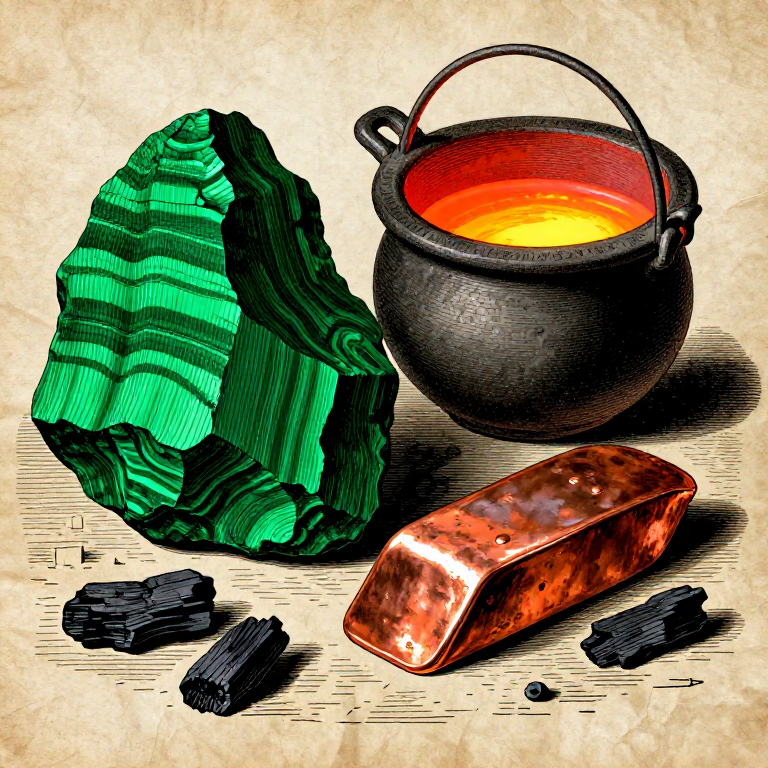

Smelting Copper from Malachite — From Green Ore to Red Metal
คำแนะนำ
ทำความเข้าใจเคมีของกระบวนการ
ทำความเข้าใจเคมีของกระบวนการ
มาลาไคต์จะสลายตัวเมื่อถูกความร้อน: Cu₂CO₃(OH)₂ → 2CuO + CO₂ + H₂O (ที่ ~300°C) คอปเปอร์ออกไซด์ที่ได้ (CuO) จะถูกรีดิวซ์โดยคาร์บอนมอนอกไซด์จากถ่านที่กำลังเผาไหม้: CuO + CO → Cu + CO₂ ทองแดงหลอมละลายที่ 1085°C ผลผลิตทองแดงทั้งหมดจากมาลาไคต์บริสุทธิ์ประมาณ 57.5%
บดมาลาไคต์
บดมาลาไคต์
ใช้ค้อนและทั่งตีมาลาไคต์ให้เป็นชิ้นเล็กกว่า 1 cm ยิ่งบดละเอียดมากเท่าไร การรีดักชันจะยิ่งเร็วและสมบูรณ์มากขึ้นเท่านั้น หากมี ให้ใช้ครกและสากสำหรับการบดขั้นสุดท้าย เป้าหมายคือชิ้นส่วนขนาดเท่าเมล็ดถั่วหรือเล็กกว่า
วัสดุสำหรับขั้นตอนนี้:
 สินแร่มาลาไคต์2 kilogram
เครื่องมือที่ต้องใช้:
 ค้อนธรณีวิทยา
 ครกและสาก
เตรียมเบ้าหลอม
เตรียมเบ้าหลอม
ใช้เบ้าหลอมดินเหนียวที่ทนได้ 1200°C ขึ้นไป เบ้าหลอมแกรไฟต์-ดินเหนียวเหมาะสมที่สุด เบ้าหลอมควรจุได้อย่างน้อย 500 ml หากทำเอง ให้ผสมดินทนไฟกับทราย (อัตราส่วน 2:1) แล้วเผาอย่างช้าๆ ในเตาเผาที่ 1000°C ก่อนใช้งาน เบ้าหลอมที่เผาล่วงหน้าจะแตกร้าวน้อยกว่า
วัสดุสำหรับขั้นตอนนี้:
 เบ้าหลอมดินทนไฟ1 ชิ้น
Layer ore and charcoal in the crucible
Layer ore and charcoal in the crucible
Place a 2 cm layer of charcoal pieces at the bottom of the crucible. Add a layer of crushed malachite (2-3 cm). Top with another layer of charcoal. The charcoal both provides carbon for reduction and protects the copper from re-oxidation. Fill to about 2/3 full.
วัสดุสำหรับขั้นตอนนี้:
 ถ่านไม้5 kilogram
Build or prepare the forge
Build or prepare the forge
You need a forge or furnace capable of reaching 1100-1200°C. A simple charcoal forge with forced air (bellows or blower) works well. The crucible sits in a bed of burning charcoal with additional charcoal piled around and above it. The air supply must be controllable.
วัสดุสำหรับขั้นตอนนี้:
 แผ่นถ่านกลม20 kilogram
เครื่องมือที่ต้องใช้:
 สูบลม (เครื่องเป่าลมมือ)
Put on safety equipment
Put on safety equipment
Copper smelting involves extreme heat, toxic fumes, and molten metal. Wear: leather apron, leather gauntlet gloves, face shield, safety boots (no synthetic materials). Work outdoors or in a well-ventilated space. Copper oxide fumes cause metal fume fever if inhaled. Keep a bucket of dry sand nearby for spill containment.
เครื่องมือที่ต้องใช้:
 ผ้ากันเปื้อนหนัง
 ถุงมือหนังข้อยาว
 กระบังหน้า
 ถังทรายแห้ง
Light the forge and preheat
Light the forge and preheat
Light the forge charcoal and bring it to full heat over 30-45 minutes with gentle bellows action. Place the loaded crucible into the forge once the coals are glowing white-hot. Pack charcoal tightly around the crucible. Increase bellows speed gradually.
Maintain temperature for 2-3 hours
Maintain temperature for 2-3 hours
Keep the forge at 1100-1200°C for 2-3 hours. The malachite first decomposes (green changes to black CuO at ~300°C), then the CuO reduces to copper as temperature climbs. Add charcoal to the forge as needed to maintain heat. The crucible contents will shrink as CO₂ gas escapes.
Check for completion
Check for completion
After 2-3 hours, carefully lift the crucible lid with tongs and peek inside. You should see a bright orange-red pool of molten copper beneath a layer of slag (glassy dark material). If you see unmelted green or black chunks, continue heating for another 30 minutes.
เครื่องมือที่ต้องใช้:
 คีมด้ามยาว
Prepare the ingot mold
Prepare the ingot mold
While the copper melts, prepare a sand mold or a flat stone depression for pouring. Preheat the mold with a torch to prevent thermal shock cracking. A simple bar-shaped mold carved into a sandstone block works well. Ensure the mold is completely dry — any moisture causes explosive splattering of molten metal.
เครื่องมือที่ต้องใช้:
 แม่พิมพ์แท่งโลหะจากหินทราย
Pour the copper
Pour the copper
Using crucible tongs, lift the crucible from the forge. Tilt slowly to pour molten copper into the mold. The dark glassy slag floats on top and can be held back with a stick while the copper flows under it. Pour steadily — interrupted pours create cold shuts (weak seams).
เครื่องมือที่ต้องใช้:
 คีมคีบเบ้าหลอม
Let the ingot cool
Let the ingot cool
Allow the copper ingot to cool in the mold for at least 30 minutes. Do not quench in water — rapid cooling makes copper brittle with internal stresses. Air cooling produces a softer, more workable metal. The copper surface oxidizes to a dark red-brown as it cools.
Remove and clean the ingot
Remove and clean the ingot
Once cool enough to handle (below 100°C), remove the ingot from the mold. Brush off adhering sand and slag with a wire brush. The ingot should have the characteristic salmon-pink color of fresh copper on freshly exposed surfaces. Any dark patches are trapped slag or oxide inclusions.
เครื่องมือที่ต้องใช้:
 ชุดแปรงลวด
Weigh and assess yield
Weigh and assess yield
Weigh the clean copper ingot. From 2 kg of good malachite ore, expect 800-1000 g of copper (40-50% yield, accounting for slag losses and impurities). Pure malachite would yield 1150 g, but field-collected ore is rarely pure. Record the yield for future optimization.
เครื่องมือที่ต้องใช้:
 เครื่องชั่งดิจิทัลสำหรับครัว
Test the copper quality
Test the copper quality
Hammer the edge of the ingot on an anvil. Good copper deforms plastically without cracking — it is one of the most malleable metals. If it cracks, it contains too much slag or oxide. File a small area to expose fresh metal — pure copper is salmon-pink. A green tinge indicates incomplete reduction.
เครื่องมือที่ต้องใช้:
 ตะไบโลหะ
Store the copper ingot
Store the copper ingot
Copper oxidizes slowly in air (forming green patina over months). For short-term storage, keep dry. For long-term, coat with a thin layer of oil. Label with date, source ore, and weight. This copper is ready for casting, hammering into sheet, or alloying with tin to make bronze.
วัสดุ
4- 2 kilogramตัวยึดตำแหน่ง
- 1 ชิ้นตัวยึดตำแหน่ง
- 5 kilogramตัวยึดตำแหน่ง
- 20 kilogramตัวยึดตำแหน่ง
เครื่องมือที่จำเป็น
15- ตัวยึดตำแหน่ง
- ตัวยึดตำแหน่ง
- ตัวยึดตำแหน่ง
- ตัวยึดตำแหน่ง
- ตัวยึดตำแหน่ง
- ตัวยึดตำแหน่ง
- ตัวยึดตำแหน่ง
- ตัวยึดตำแหน่ง
- ตัวยึดตำแหน่ง
- ตัวยึดตำแหน่ง
- ตัวยึดตำแหน่ง
- ตัวยึดตำแหน่ง
- ตัวยึดตำแหน่ง
- ตัวยึดตำแหน่ง
วัสดุจากพิมพ์เขียวที่เชื่อมต่อ
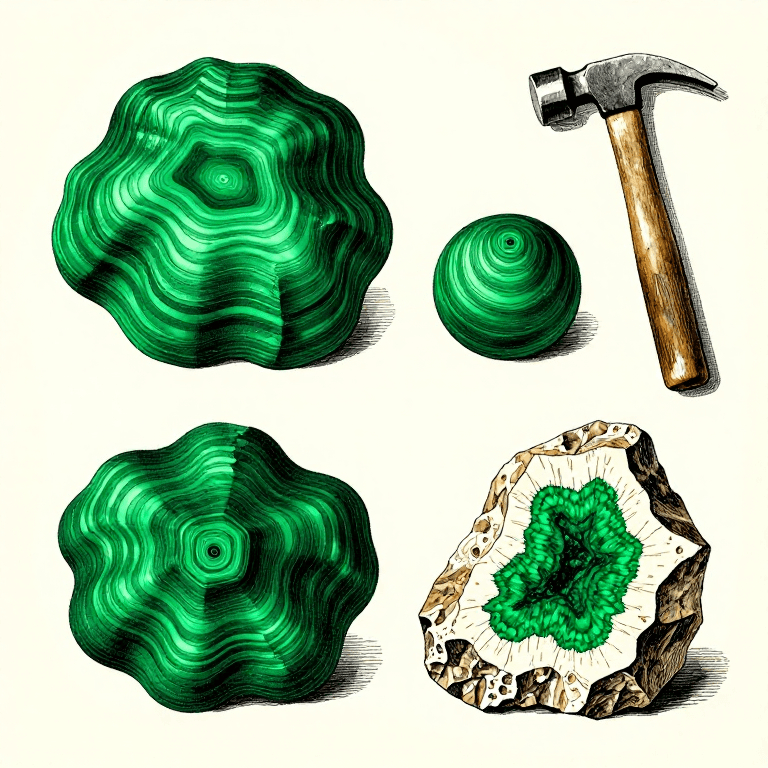
Identifying and Collecting Malachite — Copper Carbonate Ore from the Earth
โดย Peter
งานโลหะ
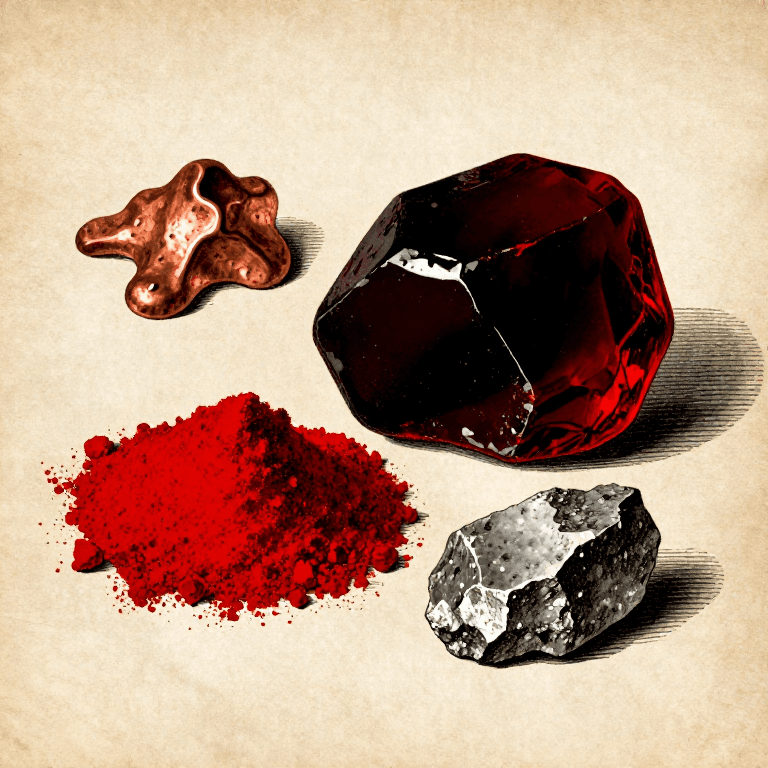
Recovering Selenium from Copper Refinery Anode Slime — The Photoconductor That Sees Light
โดย Peter
การขุดแร่

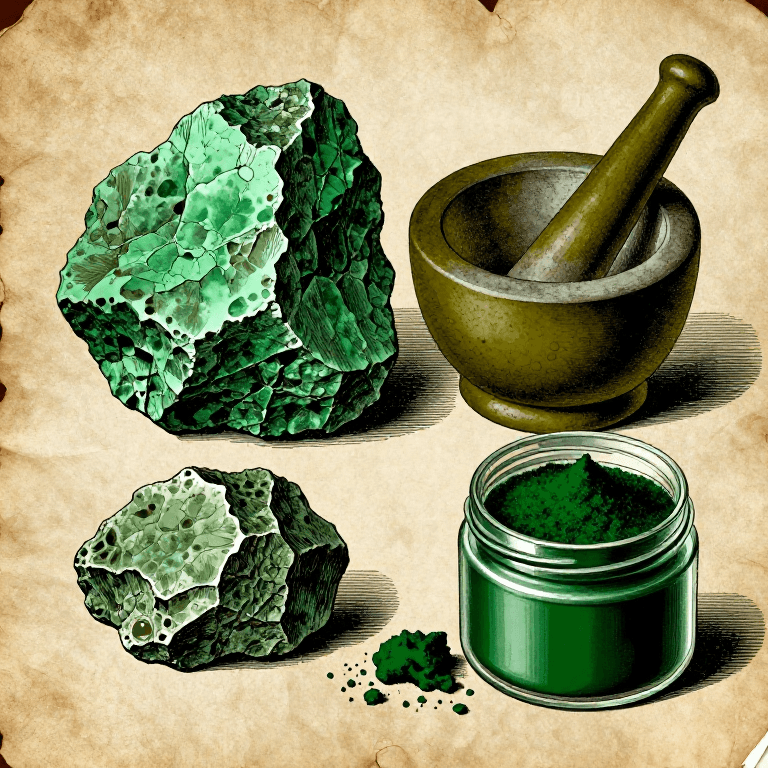
Making Malachite Green Pigment — Grinding the Copper Mineral into Painter's Green
โดย Charlie
ศิลปะ
พิมพ์เขียวนี้สร้าง

บลูพริ้นท์ที่เกี่ยวข้อง
บลูพริ้นท์เหล่านี้แบ่งปันความรู้ — เทคนิค วัสดุ หรือหลักการ
CC0 สาธารณสมบัติ
พิมพ์เขียวนี้เผยแพร่ภายใต้ CC0 คุณสามารถคัดลอก แก้ไข แจกจ่าย และใช้งานผลงานนี้เพื่อวัตถุประสงค์ใดก็ได้ โดยไม่ต้องขออนุญาต
สนับสนุนเมกเกอร์โดยซื้อสินค้าผ่านพิมพ์เขียวของพวกเขา ซึ่งพวกเขาจะได้รับ ค่าคอมมิชชันเมกเกอร์ ที่ผู้ขายกำหนด หรือสร้างเวอร์ชันใหม่ของพิมพ์เขียวนี้และรวมเป็นการเชื่อมต่อในพิมพ์เขียวของคุณเพื่อแบ่งรายได้