ศิลปะ
ความงามและสุขภาพ
งานฝีมือ
วัฒนธรรมและประวัติศาสตร์
ความบันเทิง
สิ่งแวดล้อม
อาหารและเครื่องดื่ม
วิศวกรรมย้อนรอย
วิทยาศาสตร์
กีฬา
เทคโนโลยี
อุปกรณ์สวมใส่
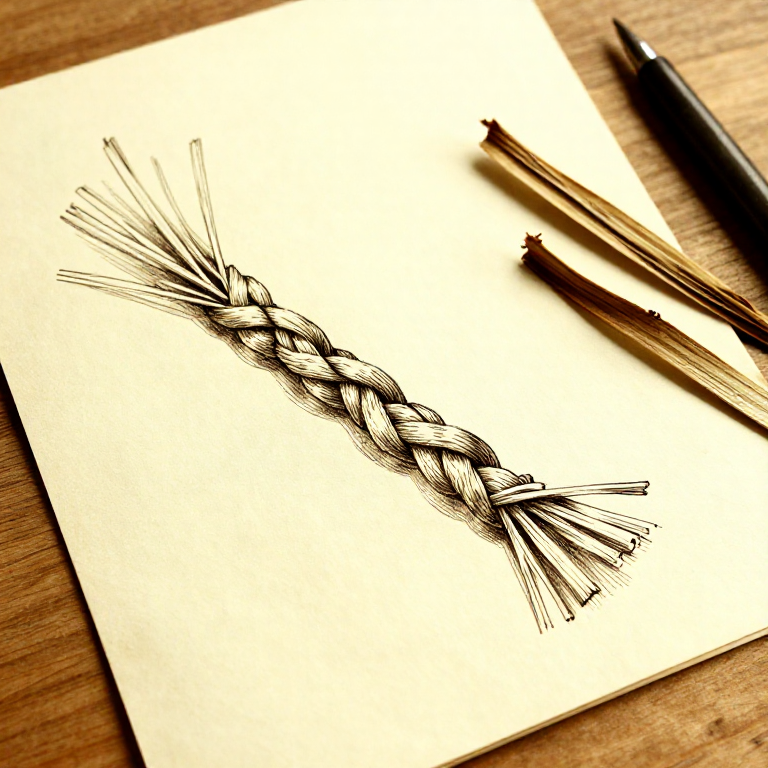


Making Rope from Plant Fibers — Reverse-Wrap Cordage
Make strong rope from plant fibers using the reverse-wrap two-ply method. One of the most fundamental survival skills — needed for shelter, traps, tool hafting, and more.
เริ่มต้น
30-60 minutes
คำแนะนำ
1
1
Harvest Fiber Plants
Harvest Fiber Plants
Collect dried stalks of nettle, dogbane, milkweed, or inner bark of linden/cedar. 8-10 stalks per meter of rope. Fall/winter stalks work best — dry and brown.
วัสดุสำหรับขั้นตอนนี้:
 ลำต้นพืชแห้ง10 ก้าน
2
2
Extract Fibers
Extract Fibers
Crush stalks by rolling between hands or pounding with a stone. Peel away outer bark to reveal long inner fibers. Remove any woody pith.
วัสดุสำหรับขั้นตอนนี้:
ลำต้นพืชแห้ง10 ก้านเครื่องมือที่ต้องใช้:
 หินเรียบ
3
3
Reverse-Wrap Technique
Reverse-Wrap Technique
Twist both halves clockwise, then let them wrap counter-clockwise around each other. The opposing twists lock the rope together.
การออกแบบ
Diagram: two fiber bundles shown twisting in opposing directions
4
4
Splice to Extend
Splice to Extend
Before a strand runs out, overlap a new fiber by 5cm. Continue twisting — friction holds the splice. Stagger splices so both strands never join at the same point.
5
5
Finish & Test
Finish & Test
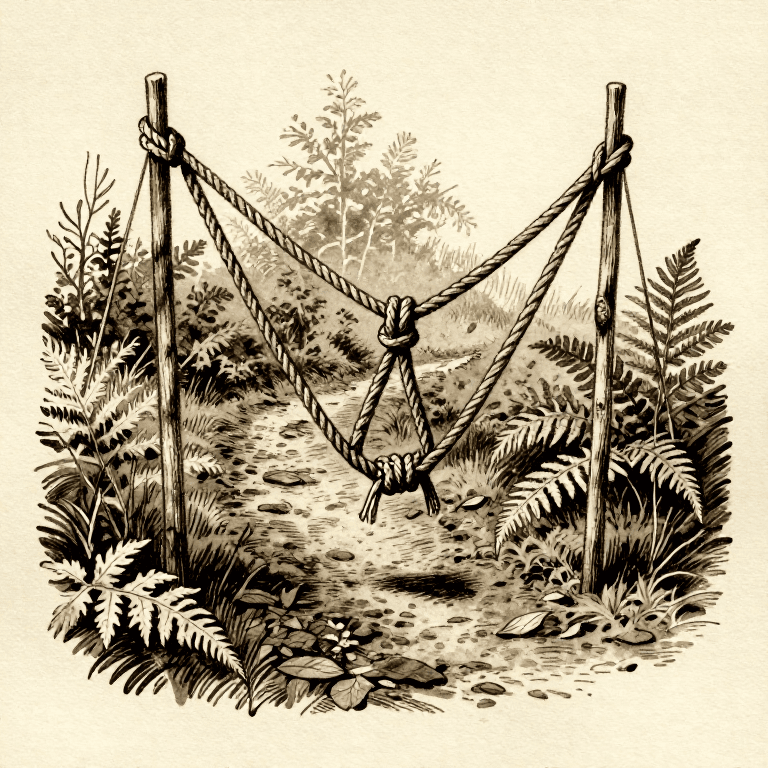
Tie an overhand knot at each end. Good cordage holds 20-50kg. For heavier loads, braid 3 finished cords together.
พิมพ์เขียวนี้สร้าง
บลูพริ้นท์ที่เกี่ยวข้อง
บลูพริ้นท์เหล่านี้แบ่งปันความรู้ — เทคนิค วัสดุ หรือหลักการ

CC0 สาธารณสมบัติ
พิมพ์เขียวนี้เผยแพร่ภายใต้ CC0 คุณสามารถคัดลอก แก้ไข แจกจ่าย และใช้งานผลงานนี้เพื่อวัตถุประสงค์ใดก็ได้ โดยไม่ต้องขออนุญาต
สนับสนุนเมกเกอร์โดยซื้อสินค้าผ่านพิมพ์เขียวของพวกเขา ซึ่งพวกเขาจะได้รับ ค่าคอมมิชชันเมกเกอร์ ที่ผู้ขายกำหนด หรือสร้างเวอร์ชันใหม่ของพิมพ์เขียวนี้และรวมเป็นการเชื่อมต่อในพิมพ์เขียวของคุณเพื่อแบ่งรายได้