ศิลปะ
ความงามและสุขภาพ
งานฝีมือ
วัฒนธรรมและประวัติศาสตร์
ความบันเทิง
สิ่งแวดล้อม
อาหารและเครื่องดื่ม
วิศวกรรมย้อนรอย
วิทยาศาสตร์
กีฬา
เทคโนโลยี
อุปกรณ์สวมใส่
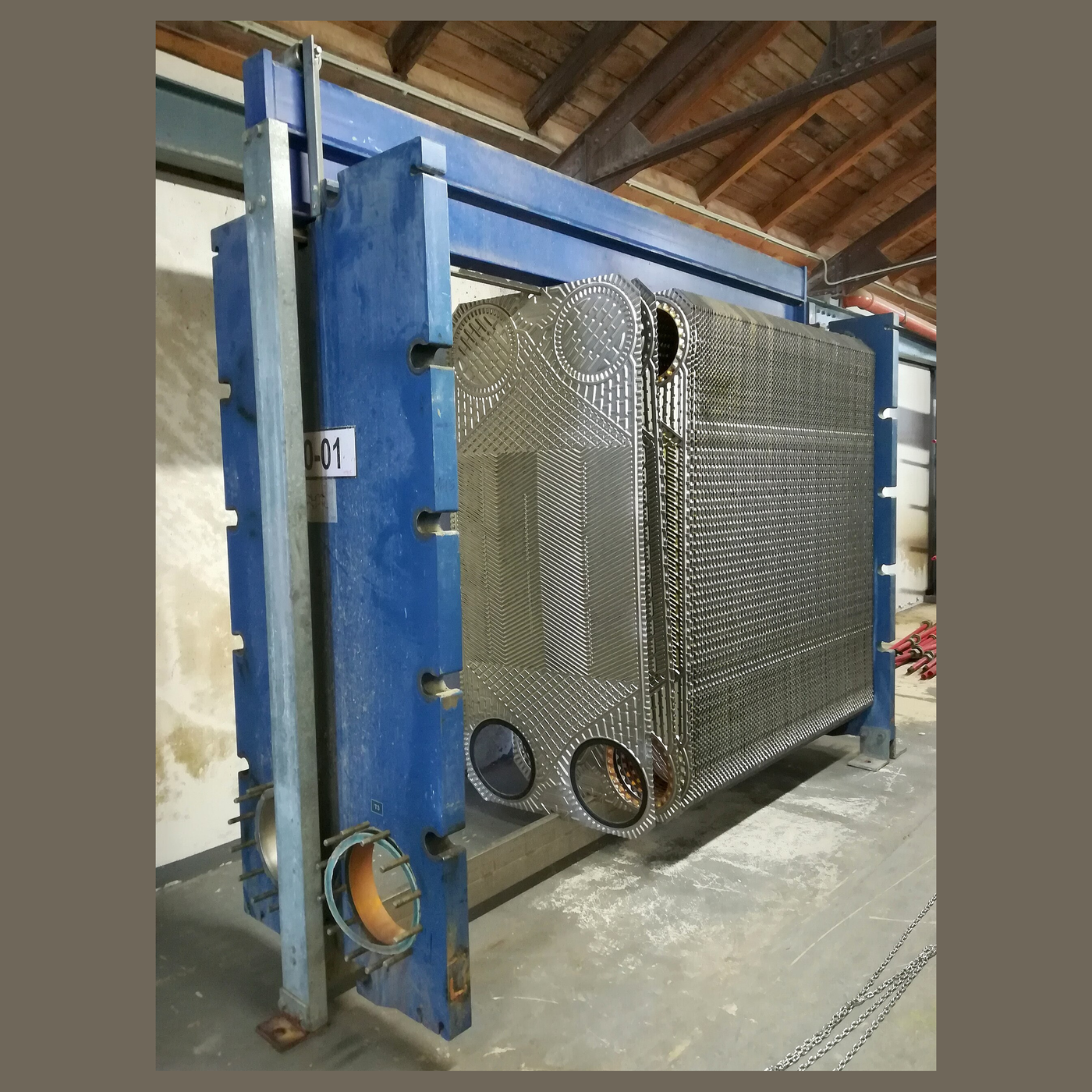

The Plate Heat Exchanger: Thin Plates, Turbulence, and a Frame You Can Open
A stack of thin pressed-metal plates, each sealed to the next by a gasket round its edge, clamped between two heavy frame plates by long bolts. Hot and cold liquids flow in alternate gaps, so every plate has hot on one face and cold on the other.
Richard Seligman's plate heat exchanger of 1923, made by his Aluminium Plate & Vessel Company (APV), was built for the dairy: milk had to be heated and cooled quickly for pasteurisation, and the equipment had to come apart for cleaning every day. Thin corrugated plates give very high heat transfer in a small space; the gasketed frame opens with a spanner.
This rung works out where the size advantage comes from, and builds a two-channel plate exchanger from copper sheet, printed gaskets and a clamped frame.
ระดับกลาง
About 6 hours
คำแนะนำ
1
1
Where the high U comes from, and what fouling costs
Where the high U comes from, and what fouling costs
กำลังโหลดสมุด Jupyter…
2
2
Plate exchangers run in counterflow
Plate exchangers run in counterflow
A plate exchanger's ports are arranged so the two liquids run in opposite directions through alternate gaps. The embedded blueprint explains why, and measures it on a tube-in-tube exchanger.
3
3
Build a two-channel plate exchanger
Build a two-channel plate exchanger
Cut three copper sheets 150 × 100 mm. The middle one is the heat-transfer plate; the outer two are blanks. Print two gasket frames in TPU, 3 mm thick, each the outline of the plate with a 10 mm border, so each frame encloses a flow gap.
Stack: acrylic end plate / copper blank / gasket frame / copper plate / gasket frame / copper blank / acrylic end plate. Drill four corner bolt holes through everything and clamp with threaded rod and wing nuts, tightening evenly.
Drill and fit hose tails so that gap 1 is fed at the top-left and drains at the bottom-right, and gap 2 is fed at the bottom-right and drains at the top-left — counterflow across the plate. Add ridges to the gasket frames or press shallow chevrons into the copper with a blunt punch to break up the flow.
วัสดุสำหรับขั้นตอนนี้:
 แผ่นทองแดง1 แผ่น
 เส้นใย TPU ยืดหยุ่น40 ก.
 แผ่นอะคริลิก1 แผ่น
 เพลาเกลียว1 ชิ้น
 น็อตหางปลา4 ชิ้น
 ชุดข้อต่อท่อพีวีซี1 ชุด
 ซิลิโคนยาแนว1 ชิ้น
เครื่องมือที่ต้องใช้:
 เครื่องพิมพ์สามมิติแบบเส้นใย (FDM)
 สว่านไร้สาย
 ชุดดอกสว่าน
 ไม้บรรทัด
 ประแจเลื่อน
 ถุงมือหนังสำหรับทำงาน
4
4
Test it, then open it
Test it, then open it
Run hot water through one gap and cold through the other at equal, timed flows, and read the four temperatures with the thermometer (or reuse the four-probe logger from the counterflow rung). Work out the heat carried by each side.
Now the reason the design exists: undo the wing nuts, lift the stack apart and look. Any sediment, scale or film is on the copper where you can wipe it. Wipe, restack and tighten. An exchanger you can open is an exchanger you can keep clean — which in a dairy is the difference between a safe product and a spoiled one.
Retighten evenly: a gasket squeezed harder on one side leaks on the other.
วัสดุสำหรับขั้นตอนนี้:
 น้ำ30 ลิตร
เครื่องมือที่ต้องใช้:
 กาต้มน้ำไฟฟ้าแก้ว
 ถัง
ถัง เหยือกตวง
 นาฬิกาจับเวลา
 เทอร์โมมิเตอร์ครัวประแจเลื่อน
5
5
History and context
History and context
**Richard Seligman, 1923** — the first commercially successful plate heat exchanger, made by the Aluminium Plate & Vessel Company he had founded in London in 1910, for the high-temperature short-time pasteurisation of milk. No patent number is asserted here: it could not be read from a primary source, and the design is fully documented.
Plate exchangers now run in food, brewing, district heating, heat pumps and chemical plant; brazed versions with no gaskets at all are the small cube in many domestic boilers.
**Honest limits.** Gaskets limit the temperature and pressure, and the chemicals they can meet. Narrow gaps clog on fibrous or particle-laden liquids, where shell-and-tube exchangers still win. And the high pressure drop of those turbulent gaps costs pumping power.
วัสดุ
8- 1 แผ่นตัวยึดตำแหน่ง
- 40 ก.ตัวยึดตำแหน่ง
- 1 แผ่นตัวยึดตำแหน่ง
- 1 ชิ้นตัวยึดตำแหน่ง
- น็อตหางปลาค่าคอมมิชชัน 10%4 ชิ้นตัวยึดตำแหน่ง
- 1 ชุดตัวยึดตำแหน่ง
- 1 ชิ้นตัวยึดตำแหน่ง
- 30 ลิตรตัวยึดตำแหน่ง
เครื่องมือที่จำเป็น
11- ตัวยึดตำแหน่ง
- 1 vendor sell this, none ship to you yetตัวยึดตำแหน่ง
- ตัวยึดตำแหน่ง
- ตัวยึดตำแหน่ง
- ตัวยึดตำแหน่ง
- ตัวยึดตำแหน่ง
- ตัวยึดตำแหน่ง
- ตัวยึดตำแหน่ง
- ตัวยึดตำแหน่ง
- ตัวยึดตำแหน่ง
- ตัวยึดตำแหน่ง
บลูพริ้นท์ที่เกี่ยวข้อง
บลูพริ้นท์เหล่านี้แบ่งปันความรู้ — เทคนิค วัสดุ หรือหลักการ
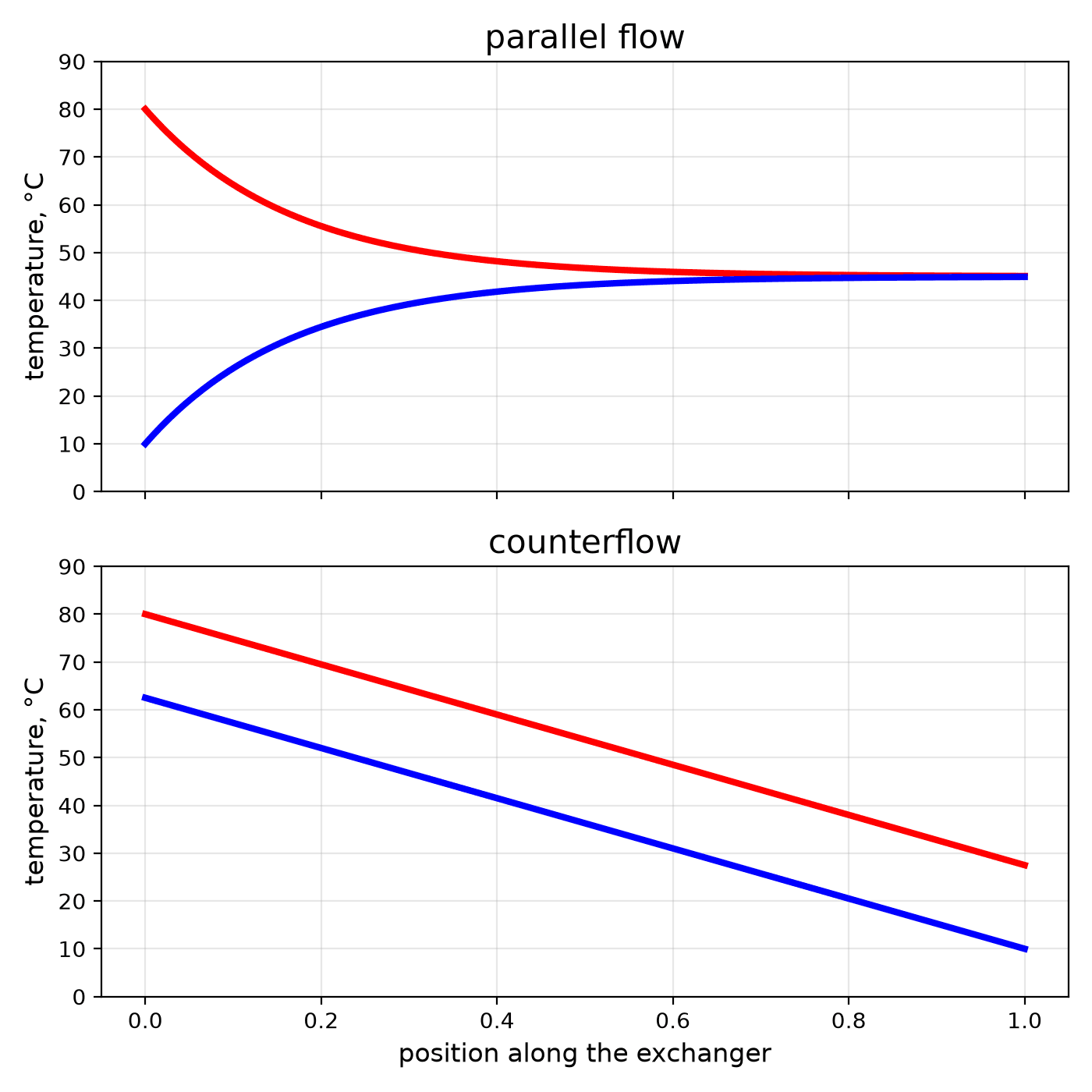
Counterflow: The Same Area Does More When the Streams Run Opposite
โดย Emma
กลศาสตร์
17
0
0
0
0
0

The Economiser: The Heat Still Going Up the Chimney
โดย Martin
กลศาสตร์
15
0
0
0
0
0
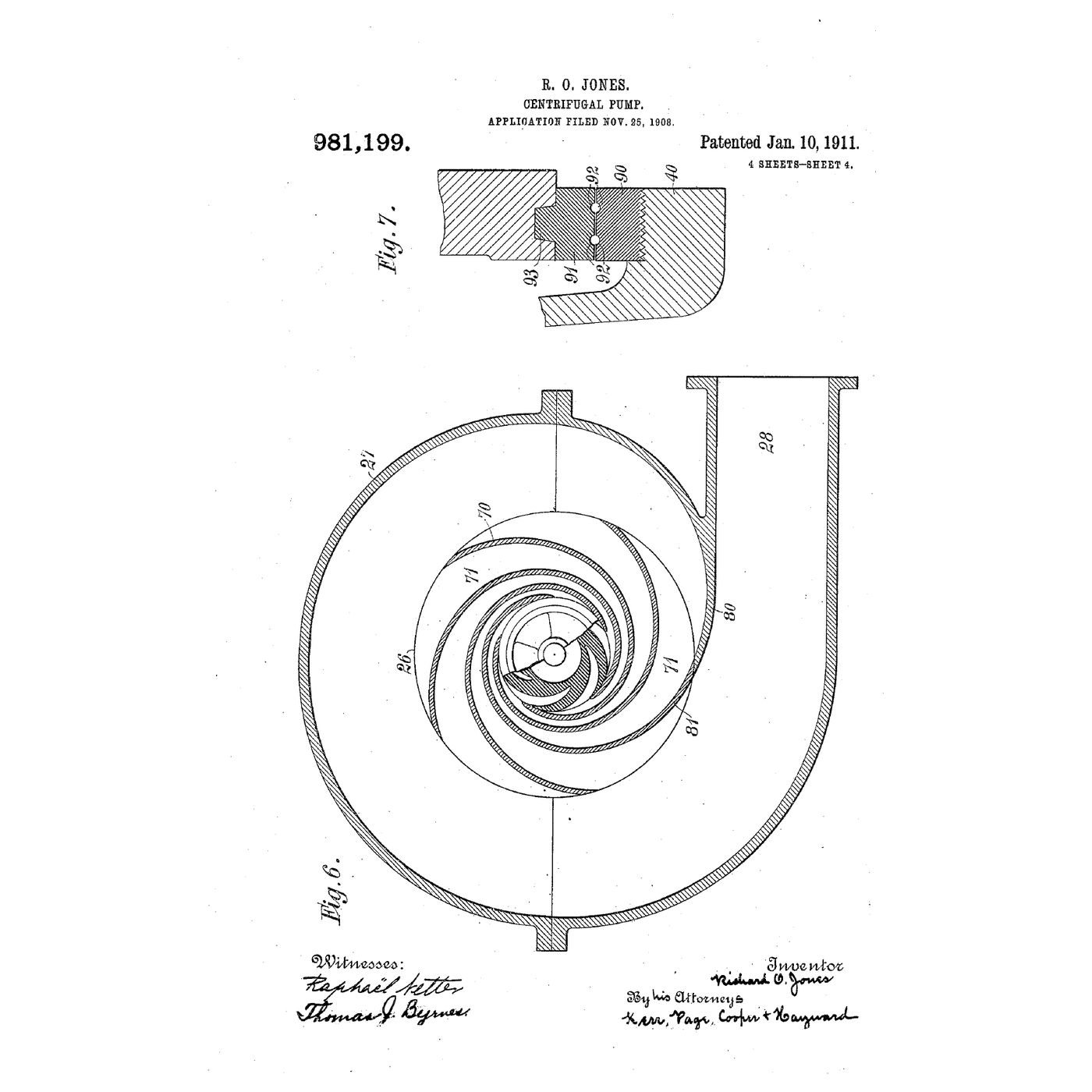
The Centrifugal Pump: Speed Squared, and Why It Cannot Lift Air
โดย Emma
กลศาสตร์
18
0
0
0
0
0
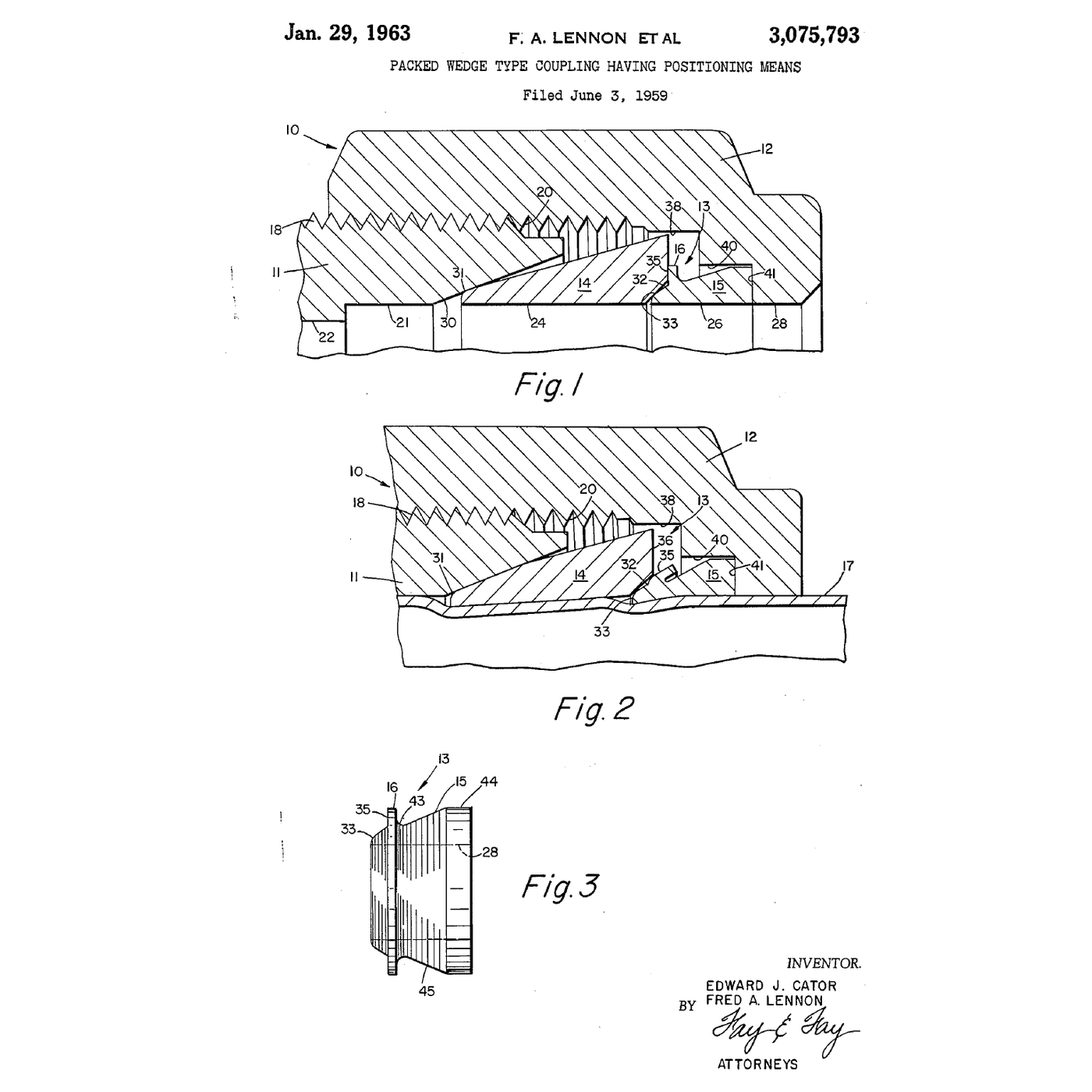
The Ferrule Fitting: Gripping and Sealing With One Nut
โดย Emma
เครื่องมือ
21
0
0
0
0
0
CC0 สาธารณสมบัติ
พิมพ์เขียวนี้เผยแพร่ภายใต้ CC0 คุณสามารถคัดลอก แก้ไข แจกจ่าย และใช้งานผลงานนี้เพื่อวัตถุประสงค์ใดก็ได้ โดยไม่ต้องขออนุญาต
สนับสนุนเมกเกอร์โดยซื้อสินค้าผ่านพิมพ์เขียวของพวกเขา ซึ่งพวกเขาจะได้รับ ค่าคอมมิชชันเมกเกอร์ ที่ผู้ขายกำหนด หรือสร้างเวอร์ชันใหม่ของพิมพ์เขียวนี้และรวมเป็นการเชื่อมต่อในพิมพ์เขียวของคุณเพื่อแบ่งรายได้