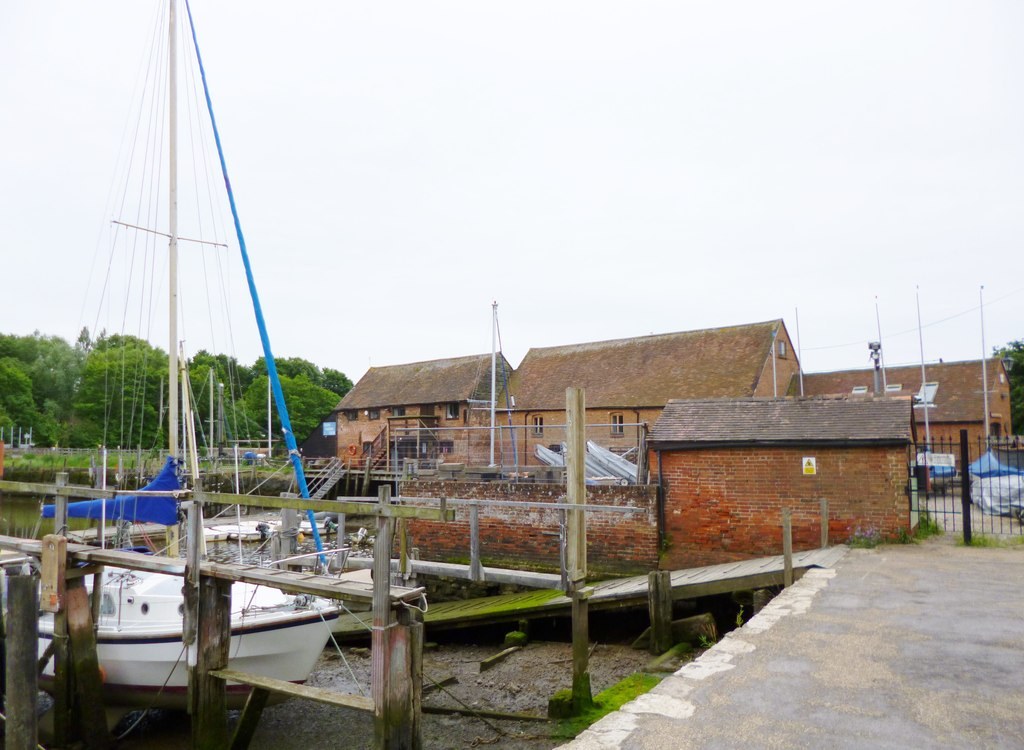


Tide Mill
คำแนะนำ
Build the pond and a one-way gate
Build the pond and a one-way gate
The gate is the whole trick and it needs no mechanism.
- Make a tank divided by a wall — one side is the pond, the other the sea.
- Cut an opening in the wall and hang a flap that swings only toward the pond.
- Raise the sea level and watch the flap open; lower it and watch it shut.
วัสดุสำหรับขั้นตอนนี้:
 ไม้อัดเบิร์ชบอลติก1 แพ็ค
Measure the head and when you have it
Measure the head and when you have it
Available power depends on the difference between pond and sea, and that changes constantly.
- Fill the pond at high water and close the gate.
- Lower the outside level in steps to simulate the ebb, recording the head each time.
- Plot head against time through a simulated tide.
วัสดุสำหรับขั้นตอนนี้:
 ไม้บรรทัด1 ชิ้น
 นาฬิกาจับเวลา1 ชิ้น
Fit a wheel that tolerates low head
Fit a wheel that tolerates low head
The head is small and falling, so the wheel must suit that.
- Build an undershot or low-breastshot wheel in the outflow.
- Run water through and observe the speed as the head drops.
- Try a high overshot wheel and see it fail.
วัสดุสำหรับขั้นตอนนี้:
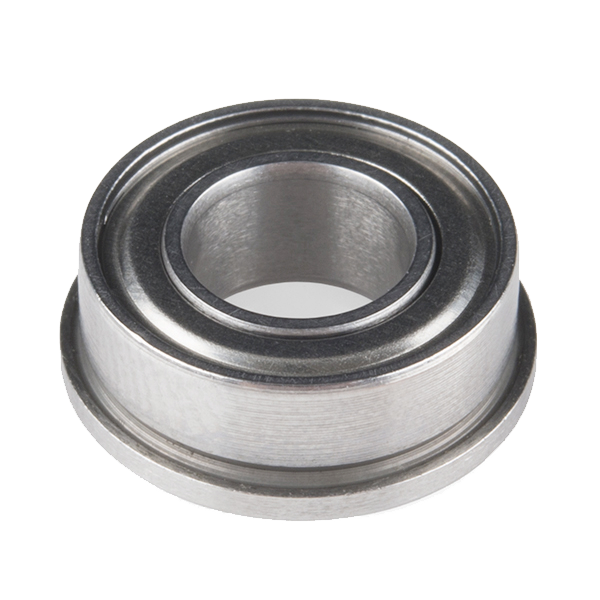 Ball Bearing - Flanged (6,35 mm Bore, 1,27 cm OD)2 ชิ้น
Estimate the energy stored
Estimate the energy stored
The pond is a battery, and you can size it.
- Measure the pond area and the usable head.
- Energy ≈ ρ × g × A × h² / 2 — the water's average fall is half the head.
- Divide by the working duration for average power.
History and context
History and context
The earliest excavated examples are remarkably old: Nendrum in Strangford Lough, Northern Ireland, has been dated by dendrochronology to the early seventh century, with an even earlier phase around 619. Tide mills then appear across Atlantic Europe — Brittany, Portugal, England, the Netherlands — and were carried to the American colonies, where several operated in New England.
They were commercially serious, not curiosities. Some ran into the twentieth century; the Eling tide mill in Hampshire still grinds. Their advantage was reliability of a kind rivers do not offer: a river fails in drought and floods in spate, while the tide simply arrives, forever, on a schedule known centuries in advance.
The scheduling cost was borne by people. Because high water shifts roughly fifty minutes later each day, a tide miller's working hours rotated through the whole clock over a fortnight, including the middle of the night. This is the oldest example of a workforce arranged around an intermittent renewable resource, and the arrangement was to make the humans flexible.
What it became: tidal barrage schemes — La Rance in France since 1966, Sihwa Lake in South Korea — are tide mills at national scale, with turbines instead of a wheel and often generating on both the flood and the ebb. The environmental objection is the same at both scales: a barrage changes the estuary it dams, and estuaries are among the most biologically productive places there are.
วัสดุ
4- 1 แพ็คตัวยึดตำแหน่ง
- 1 ชิ้นตัวยึดตำแหน่ง
- 1 ชิ้นตัวยึดตำแหน่ง
- Ball Bearing - Flanged (6,35 mm Bore, 1,27 cm OD)ค่าคอมมิชชัน 10%2 ชิ้น$2.43
CC0 สาธารณสมบัติ
พิมพ์เขียวนี้เผยแพร่ภายใต้ CC0 คุณสามารถคัดลอก แก้ไข แจกจ่าย และใช้งานผลงานนี้เพื่อวัตถุประสงค์ใดก็ได้ โดยไม่ต้องขออนุญาต
สนับสนุนเมกเกอร์โดยซื้อสินค้าผ่านพิมพ์เขียวของพวกเขา ซึ่งพวกเขาจะได้รับ ค่าคอมมิชชันเมกเกอร์ ที่ผู้ขายกำหนด หรือสร้างเวอร์ชันใหม่ของพิมพ์เขียวนี้และรวมเป็นการเชื่อมต่อในพิมพ์เขียวของคุณเพื่อแบ่งรายได้