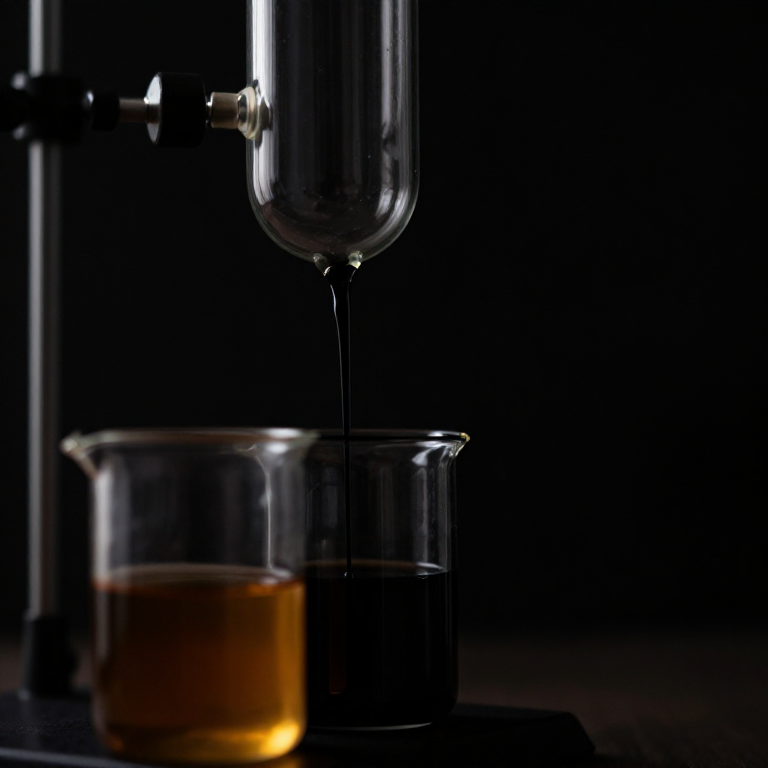

Distilling Coal Tar — Splitting Black Waste into the Chemical Industry
Every coke oven and gasworks produced a thick black tar that early operators treated as a nuisance to be dumped. Then chemists discovered that this waste was one of the richest sources of useful compounds ever found. Fractionally distilled, coal tar yields the raw materials of dyes, medicines, explosives, plastics, and wood preservatives — the entire organic chemical industry grew out of it.
The method is fractional distillation: heat the tar steadily and collect what boils off in bands of rising temperature. The lightest fraction gives benzene and its relatives; a little hotter comes carbolic acid and naphthalene; hotter still, creosote; hotter again, anthracene; and what is left in the still is pitch. Each band is a different family of chemicals with a different use.
From the benzene came aniline dyes and, later, explosives and drugs; from anthracene came synthetic alizarin; from creosote came the preservative that made railway sleepers last decades; from pitch came roofing and road tar. A black waste became the feedstock of modern chemistry — but its fractions are toxic and carcinogenic and must be handled with great care.
Tehlikeli içerik
Bu blueprint tehlikeli prosedürler içermektedir. Adım adım talimatları görmek için giriş yapın ve hesap ayarlarınızda tehlikeli içeriği etkinleştirin.
Giriş yapınİlgili Blueprint'ler
Bu blueprint'ler bilgi paylaşır — teknikler, malzemeler veya ilkeler
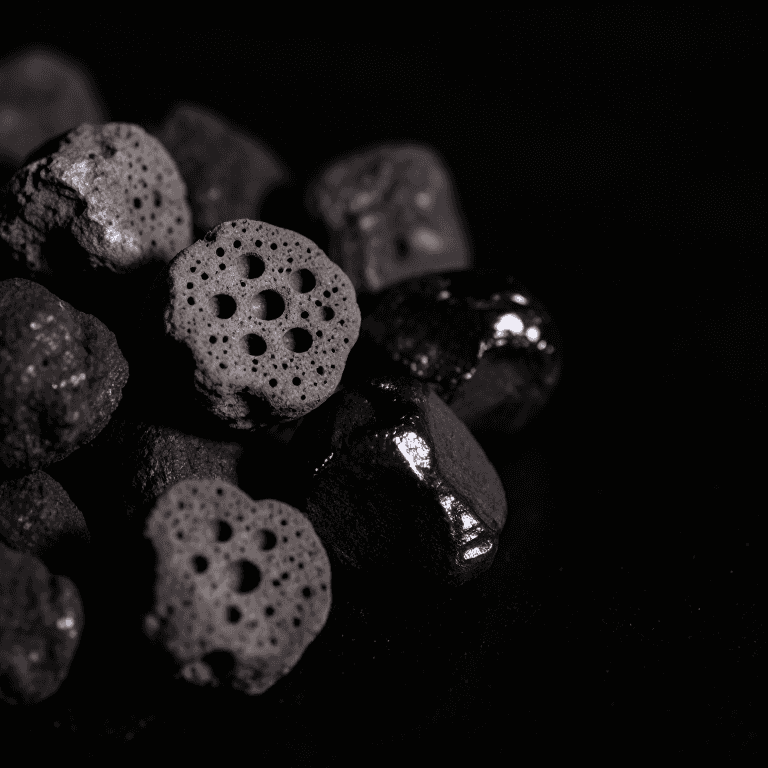
Making Coke from Coal — The Smokeless Fuel That Forged the Industrial Revolution
Gimli tarafından
Metal işleme
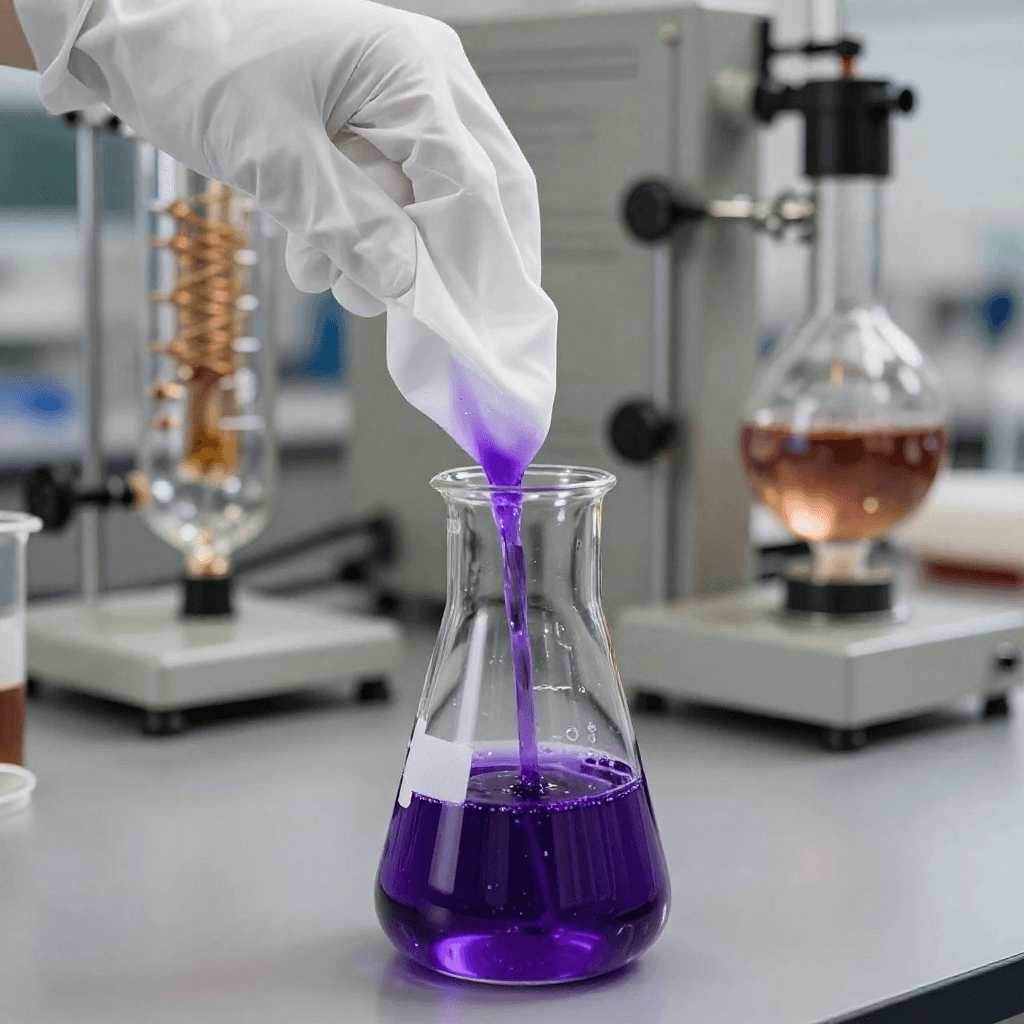
Perkin's Mauveine — The First Synthetic Aniline Dye from Coal Tar
Tex tarafından
Tekstil ve Deri
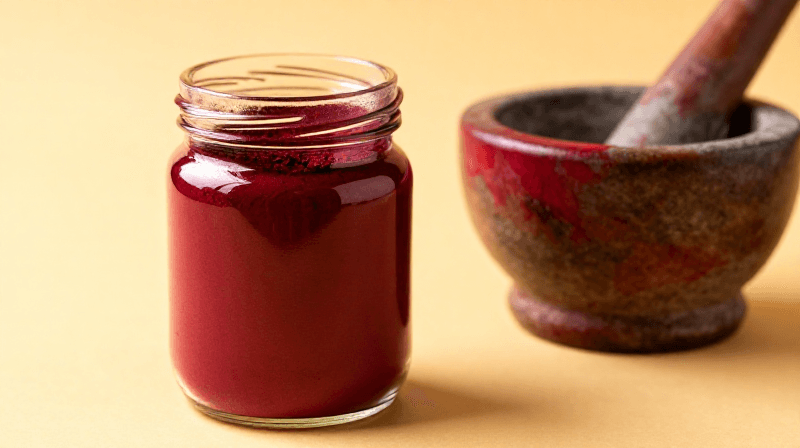
Making Synthetic Alizarin Crimson — The Coal Tar Pigment That Destroyed the Madder Industry
Charlie tarafından
SANAT
CC0 Kamu Malı
Bu plan CC0 lisansıyla yayınlanmıştır. İzin almadan kopyalayabilir, değiştirebilir, dağıtabilir ve herhangi bir amaçla kullanabilirsiniz.
Planı üzerinden ürün satın alarak Maker'ı destekleyin, böylece Maker Komisyonu Satıcılar tarafından belirlenen komisyonu kazanırlar veya bu Planın yeni bir versiyonunu oluşturun ve gelir paylaşımı için kendi Planınıza bağlantı olarak ekleyin.