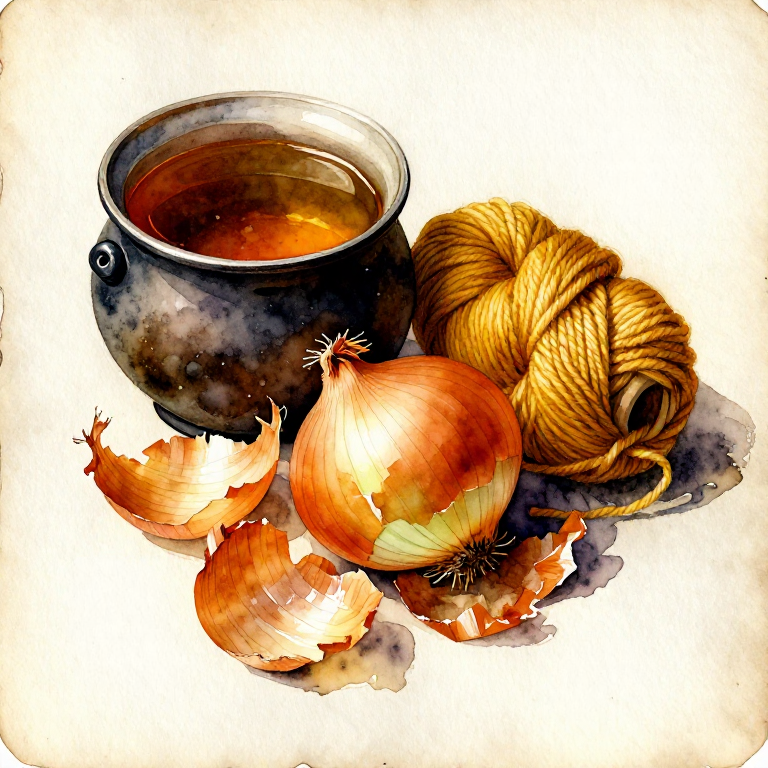

Dyeing Gold with Onion Skins — The Most Accessible Natural Dye in Any Kitchen
The dry outer skins of yellow onions (Allium cepa) are one of the most accessible and reliable sources of natural dye. They contain quercetin — a flavonoid pigment that produces warm golden-yellow to deep burnt orange on alum-mordanted wool. Onion skin dyeing requires no specialist materials: the papery skins discarded during cooking are the dye source, kitchen alum is the mordant, and a single pot is the only equipment. This accessibility has made onion skins a staple of household dyeing for millennia.
The history of onion skin dyeing is inseparable from the history of onion cultivation itself. Onions have been cultivated since at least 3000 BCE in Central Asia, and their use as a dye is documented in ancient Egyptian and Roman textile records. In Eastern Europe, onion skins remain a living tradition — Ukrainian and Polish pysanky (decorated Easter eggs) use onion skin dye as a base colour, and the same technique transfers directly to wool and silk.
Yellow onion skins give the strongest colour. Red onion skins produce a more muted greenish-brown — less vibrant but interesting for colour mixing. On alum-mordanted wool, yellow onion skins produce a warm, clear gold. With iron modification, the colour shifts to olive-green to khaki. With tin mordant (use sparingly and with caution), the colour brightens to a vivid orange-gold. The lightfastness of onion skin dye is moderate — better than turmeric but not as good as weld or madder. For items exposed to sunlight, expect gradual fading over months.
Talimatlar
Collect and weigh the onion skins
Collect and weigh the onion skins
Gather the dry, papery outer skins of yellow onions. You need 100-200% WOF — for 100 g of wool, collect 100-200 g of skins. This sounds like a lot, but onion skins are very light and a large bag fills quickly. Collect over several weeks of cooking, or ask a greengrocer — they discard onion skins in bulk. Use only the dry, papery outer layers, not the moist fleshy layers beneath. The skins should be golden-brown and crisp. Avoid any that are mouldy or wet.
Bu adım için malzemeler:
 Soğan kabuğu (kuru, sarı)150 g
Gerekli aletler:
 Dijital Mutfak Terazisi
Soak the skins in warm water for one hour
Soak the skins in warm water for one hour
Place the onion skins in a dye pot and cover with 4 litres of warm water. Soak for at least one hour — overnight is even better. The skins will begin releasing quercetin immediately, turning the water a rich amber-gold. Unlike dense heartwood dyes, onion skins release colour quickly because they are thin and papery. Pressing them below the water surface helps ensure even extraction.
Gerekli aletler:
 Yüksek Tencere
Simmer the skins for 30-45 minutes
Simmer the skins for 30-45 minutes
Bring the pot to a gentle simmer (80-85°C) and hold for 30-45 minutes. The liquid will deepen to a vivid dark amber. Stir occasionally. Onion skins extract faster than most plant dyes — 30 minutes is usually sufficient for full extraction. Over-simmering does not harm the colour, but there is little benefit past 45 minutes. The skins will lose their colour and turn pale tan when fully exhausted.
Gerekli aletler:
 Mutfak Termometresi
 Ahşap Karıştırma Kaşığı
Strain out the skins
Strain out the skins
Strain the dye liquor through a fine mesh strainer into a clean pot. Press the skins to extract all the golden liquid. Onion skin fragments left in the dye bath can tangle in wool and cause uneven colouring. The strained liquid should be a clear, deep golden-amber — a beautiful and vivid dye bath.
Gerekli aletler:
 İnce Süzgeç
Dye alum-mordanted wool at 80°C for 45 minutes
Dye alum-mordanted wool at 80°C for 45 minutes
Pre-wet the alum-mordanted wool in lukewarm water for 15 minutes, squeeze gently, and lower it into the onion skin dye bath at room temperature. Slowly raise the temperature to 80°C over 15 minutes, then hold for 45 minutes. Turn the wool gently every 10 minutes to ensure even uptake. The wool will absorb colour quickly — a warm, clear golden-yellow that deepens with time. The alum mordant forms a stable complex with quercetin, giving the best lightfastness and the brightest gold.
Bu adım için malzemeler:
 Yün İplik Çilesi100 g
 Şap (Potasyum Şapı)10 g
Cool, rinse, and dry
Cool, rinse, and dry
Turn off the heat and let the wool cool in the dye bath overnight for deepest colour. Remove, squeeze gently, and rinse in lukewarm water until the runoff is mostly clear. The final colour is a warm, glowing gold — ranging from pale buttercup at low concentrations to deep burnt orange at high concentrations. Onion skin gold fades gradually in direct sunlight over months but holds well for indoor textiles and garments. Dry in shade.
Malzemeler
3- Yer Tutucu
- 100 gYer Tutucu
- Yer Tutucu
Gerekli Aletler
5- Yer Tutucu
- Yer Tutucu
- Yer Tutucu
- Yer Tutucu
- Yer Tutucu
Bağlı Plan Malzemeleri
Mordanting Wool with Alum — The Foundation of Natural Dyeing
Tex tarafından
Tekstil ve Deri
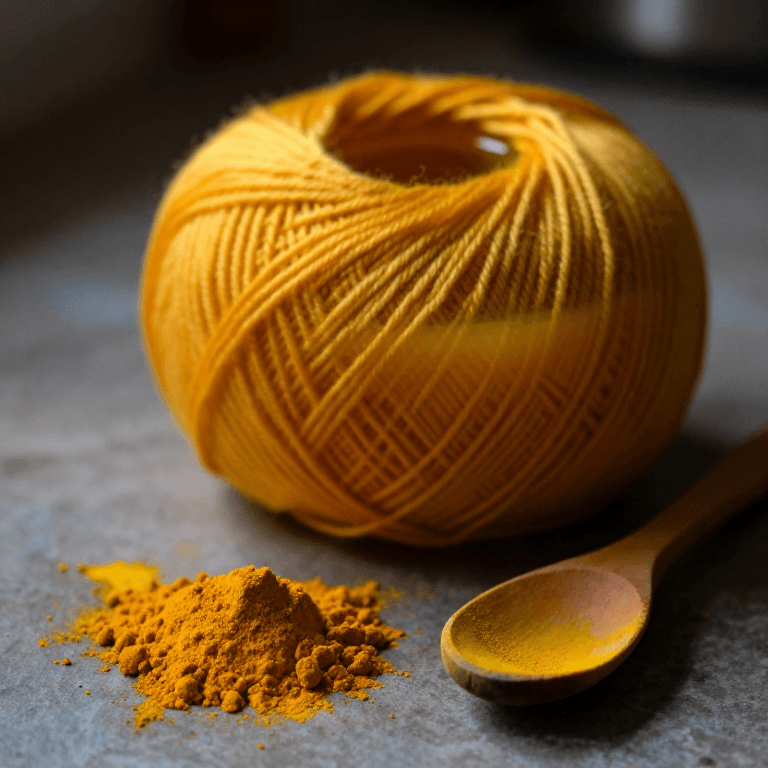
Dyeing Yarn with Turmeric — The Oldest Golden-Yellow Dye
Tex tarafından
Tekstil ve Deri
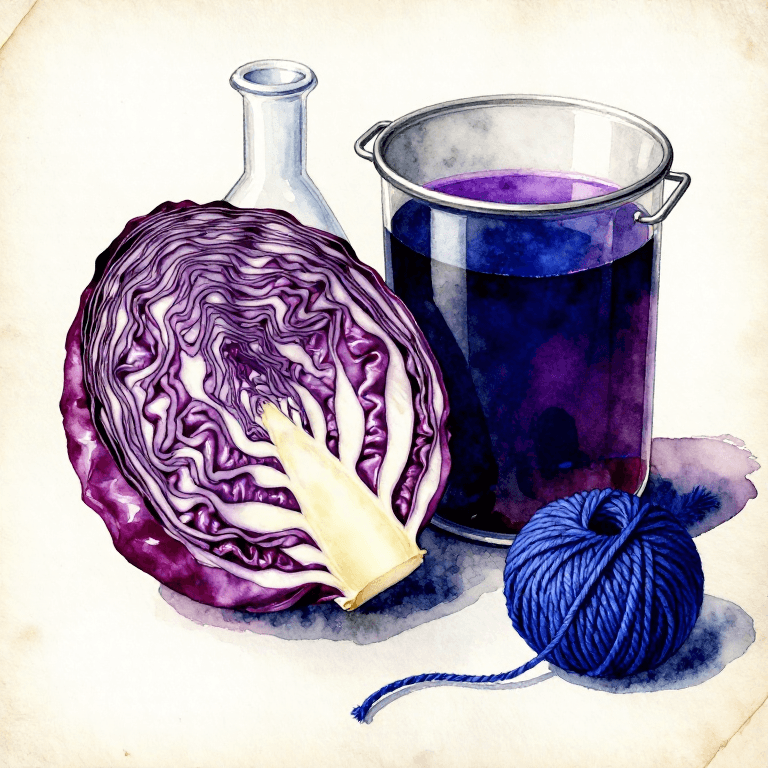
Dyeing Blue-Purple with Red Cabbage — The Kitchen-Chemistry pH Indicator Dye
Tex tarafından
Tekstil ve Deri
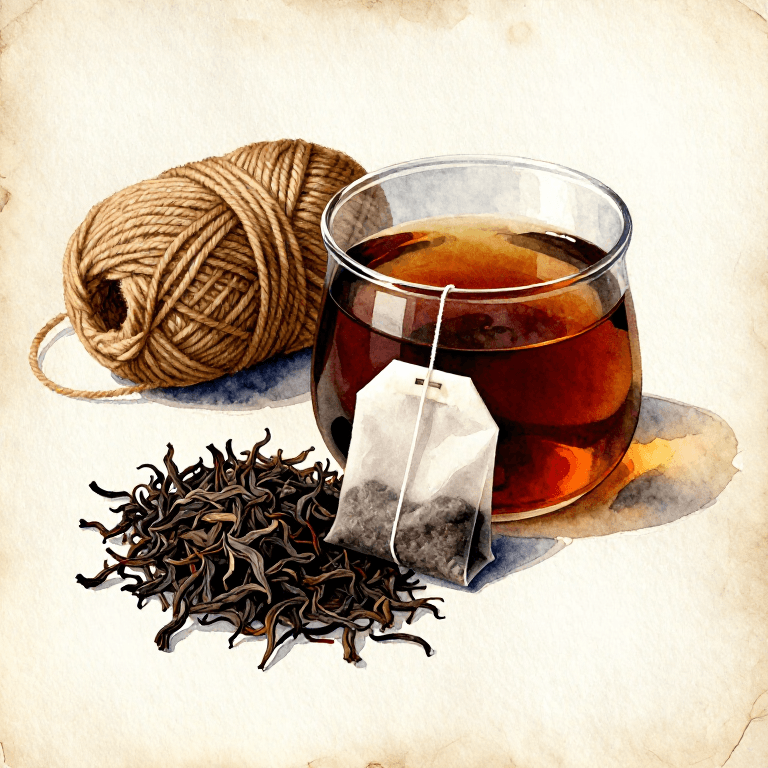
Dyeing Warm Tan with Tea — The Gentlest Tannin Dye in Every Household
Tex tarafından
Tekstil ve Deri
Bu planla yapılan

İlgili Blueprint'ler
Bu blueprint'ler bilgi paylaşır — teknikler, malzemeler veya ilkeler
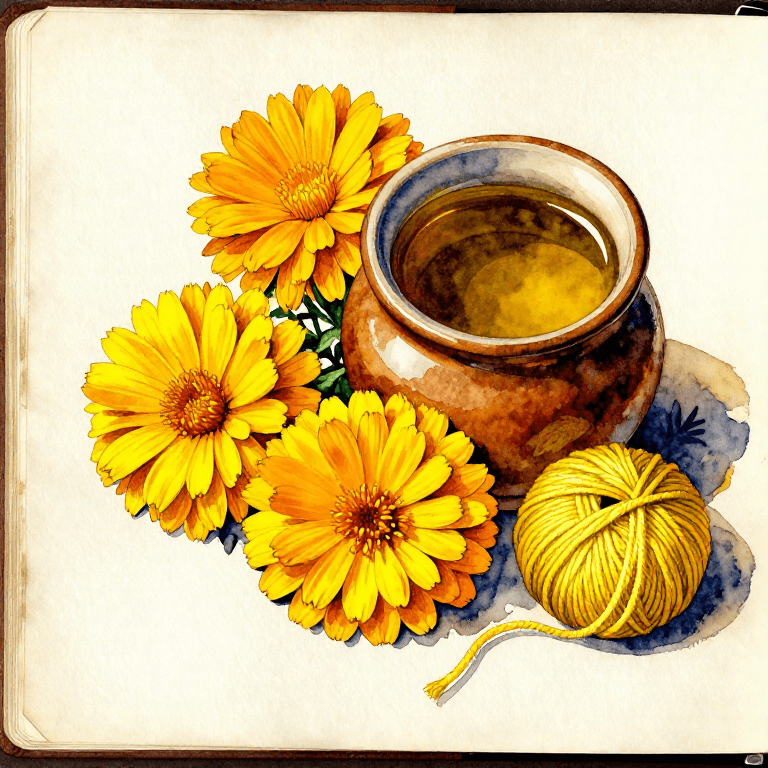
Dyeing Yellow with Marigold — The Sacred Aztec Flower Dye
Tex tarafından
Tekstil ve Deri
Iron Saddening — Darkening and Shifting Natural Dye Colours with Iron Water
Tex tarafından
Tekstil ve Deri
Dyeing Yellow with Goldenrod — One of the Best Wild-Plant Dyes in Nature
Tex tarafından
Tekstil ve Deri
Dyeing Yellow-Orange with Rhubarb Root — The Anthraquinone Dye of Central Asia
Tex tarafından
Tekstil ve Deri
Dyeing Red with Dragon's Blood Resin — The Ancient Tree-Sap Pigment of the Spice Trade
Tex tarafından
Tekstil ve Deri
CC0 Kamu Malı
Bu plan CC0 lisansıyla yayınlanmıştır. İzin almadan kopyalayabilir, değiştirebilir, dağıtabilir ve herhangi bir amaçla kullanabilirsiniz.
Planı üzerinden ürün satın alarak Maker'ı destekleyin, böylece Maker Komisyonu Satıcılar tarafından belirlenen komisyonu kazanırlar veya bu Planın yeni bir versiyonunu oluşturun ve gelir paylaşımı için kendi Planınıza bağlantı olarak ekleyin.