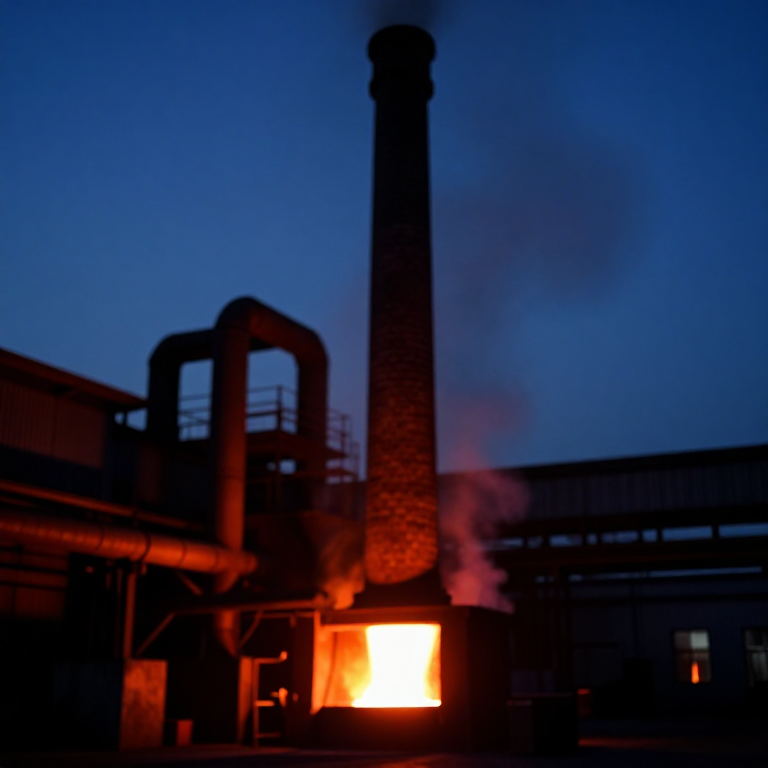


Building a Hot Blast Stove — Preheating the Air That Tripled the Blast Furnace
For centuries ironmasters believed a blast furnace ran best on cold winter air, and blew their furnaces with air at whatever temperature the weather gave. In 1828 the Scottish engineer James Neilson proved the opposite: heating the blast before it entered the furnace slashed the fuel needed and raised the output enormously. The hot blast was one of the great efficiency leaps of the iron age.
The idea seems backwards but the physics is sound. Cold air entering the furnace has to be heated by burning precious fuel before it can do its work; preheating the air outside the furnace, using waste heat that would otherwise escape up the chimney, means far less coke is wasted just warming the blast. Neilson's first stoves cut coke use by a third, and later regenerative stoves did far better still.
A hot blast stove is a chamber of brick or pipe that the blast passes through on its way to the tuyeres, heated by the furnace's own escaping gases. Bolted onto the pig-iron blast furnace, it made iron dramatically cheaper — and cheap iron was the lifeblood of the Industrial Revolution.
Talimatlar
Understand the hot blast
Understand the hot blast
Tap the furnace waste gas
Tap the furnace waste gas
Gerekli aletler:
 Havalandırma kanalları
Build the stove chamber
Build the stove chamber
Bu adım için malzemeler:
 Ateş Tuğlası200 adet
Gerekli aletler:
 El Malası
Heat the stove
Heat the stove
Bu adım için malzemeler:
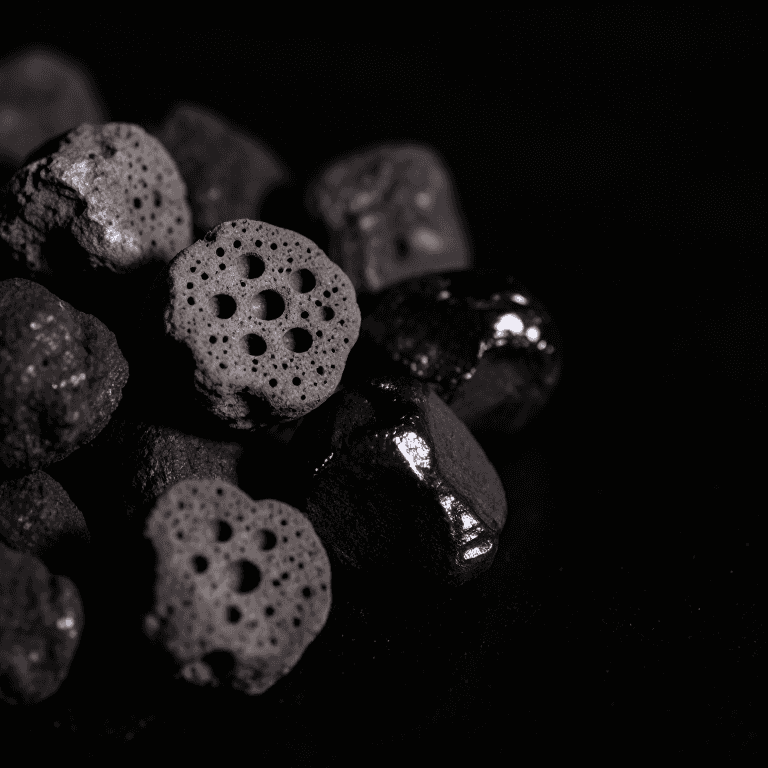
 Metalurjik kok20 kg
Pass the blast through
Pass the blast through
Gerekli aletler:
 Hava üfleyici
Alternate the regenerator stoves
Alternate the regenerator stoves
Insulate the hot main
Insulate the hot main
Bu adım için malzemeler:
 Refrakter çimento15 kg
Deliver the hot blast
Deliver the hot blast
Gerekli aletler:
 Delik açma çubuğu
Control the temperature
Control the temperature
Gerekli aletler:
 Pirometre
Measure the saving
Measure the saving
Mind the hazards
Mind the hazards
See the impact
See the impact
Malzemeler
3- 200 adetYer Tutucu
- 20 kgYer Tutucu
- 15 kgYer Tutucu
Gerekli Aletler
5- Yer Tutucu
- Yer Tutucu
- Yer Tutucu
- Yer Tutucu
- Yer Tutucu
Bağlı Plan Malzemeleri

İlgili Blueprint'ler
Bu blueprint'ler bilgi paylaşır — teknikler, malzemeler veya ilkeler
CC0 Kamu Malı
Bu plan CC0 lisansıyla yayınlanmıştır. İzin almadan kopyalayabilir, değiştirebilir, dağıtabilir ve herhangi bir amaçla kullanabilirsiniz.
Planı üzerinden ürün satın alarak Maker'ı destekleyin, böylece Maker Komisyonu Satıcılar tarafından belirlenen komisyonu kazanırlar veya bu Planın yeni bir versiyonunu oluşturun ve gelir paylaşımı için kendi Planınıza bağlantı olarak ekleyin.