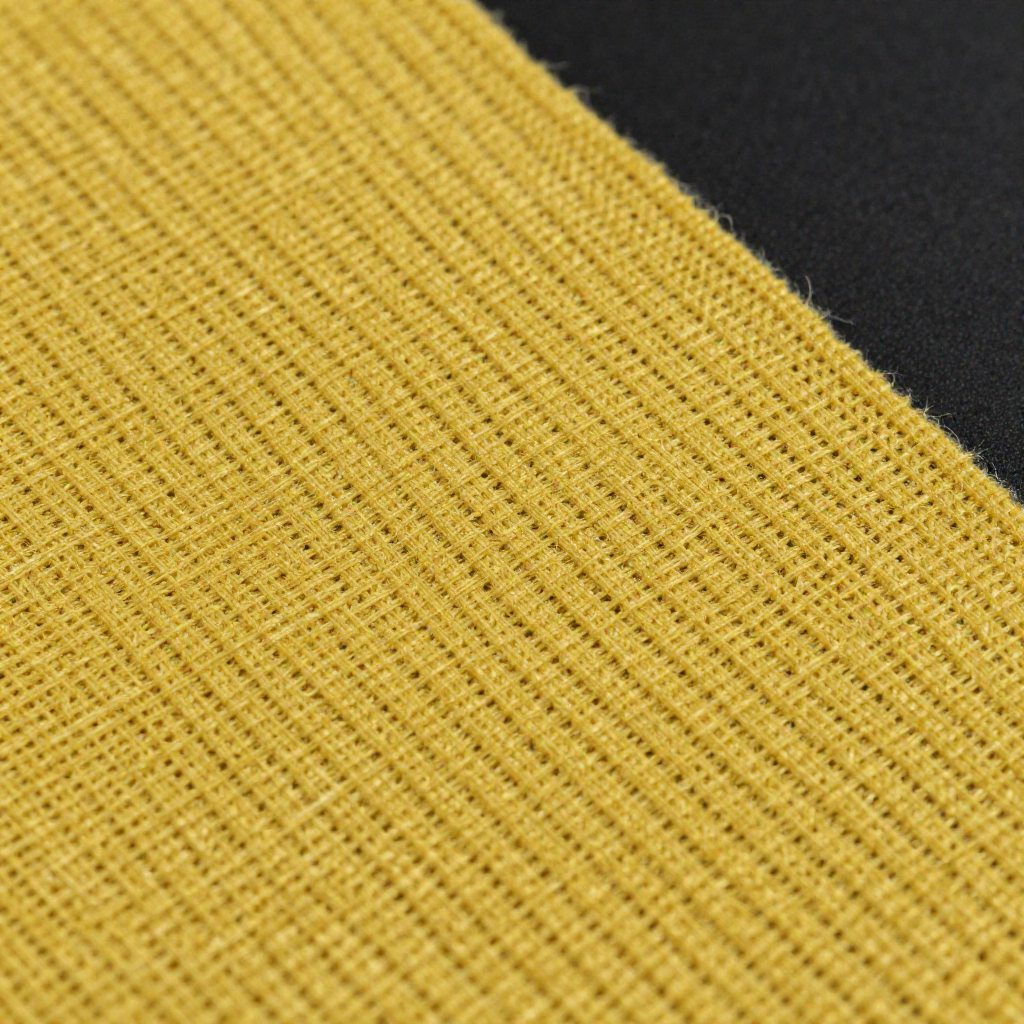

Kevlar — The Aramid Fiber Stronger Than Steel
In 1965, Stephanie Kwolek, a research chemist at DuPont's Pioneering Research Laboratory in Wilmington, Delaware, synthesized an unusual polymer solution that would become Kevlar — a para-aramid fiber with tensile strength five times greater than steel on an equal-weight basis. Kwolek was working on finding lightweight, stiff fibers for use in car tires when she produced a polymer solution that was cloudy and thin instead of the expected clear and viscous. Her supervisor initially wanted to discard it. Kwolek insisted on spinning it anyway — the resulting fiber had extraordinary mechanical properties never before seen in an organic material.
Kevlar is poly(para-phenylene terephthalamide) — a polyamide (like nylon) but with aromatic rings in the backbone instead of flexible carbon chains. These rigid, rod-like molecules pack together through hydrogen bonds into a highly ordered crystalline structure, with the chains aligned almost perfectly parallel to the fiber axis. This combination of molecular rigidity and crystal order gives Kevlar its extreme tensile strength (3.6 GPa), high modulus (tensile stiffness), and remarkable resistance to cutting, abrasion, and thermal decomposition.
DuPont commercialized Kevlar in 1971. Its first major application was as a tire cord replacement for steel belts in radial tires. By 1975, it was being used in bulletproof vests — an application Kwolek had not anticipated but which has since saved thousands of lives. Today, Kevlar is used in body armor, helmets, cut-resistant gloves, racing sails, aerospace composites, fiber-optic cable reinforcement, and drumheads. Kwolek's discovery — born from insisting on testing an anomalous result rather than throwing it away — demonstrated that para-aramid chemistry could produce materials previously achievable only with metals and ceramics.
Tehlikeli içerik
Bu blueprint tehlikeli prosedürler içermektedir. Adım adım talimatları görmek için giriş yapın ve hesap ayarlarınızda tehlikeli içeriği etkinleştirin.
Giriş yapınİlgili Blueprint'ler
Bu blueprint'ler bilgi paylaşır — teknikler, malzemeler veya ilkeler

Reeling Silk from Cocoons — Unwinding the Continuous Filament
Tex tarafından
Tekstil ve Deri
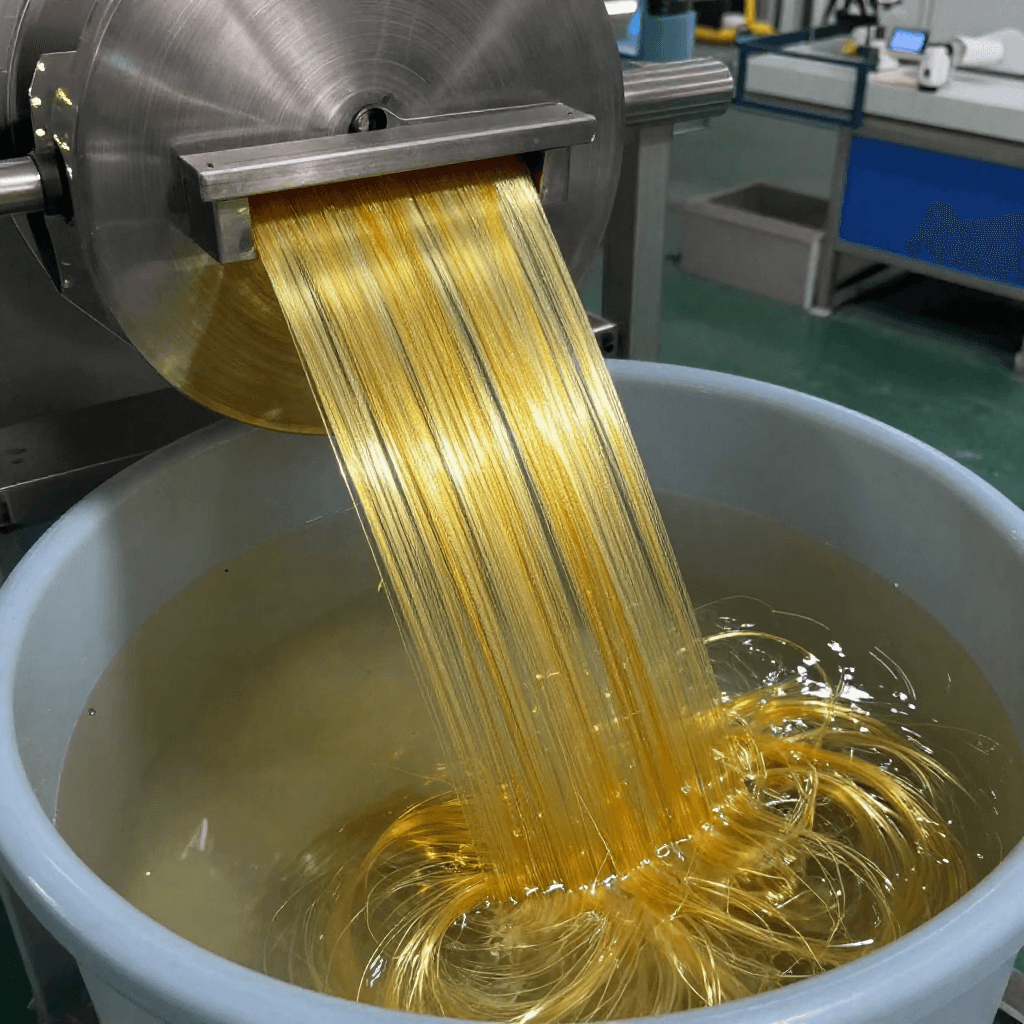
Viscose Rayon — The First Artificial Fiber from Wood Cellulose
Tex tarafından
Tekstil ve Deri
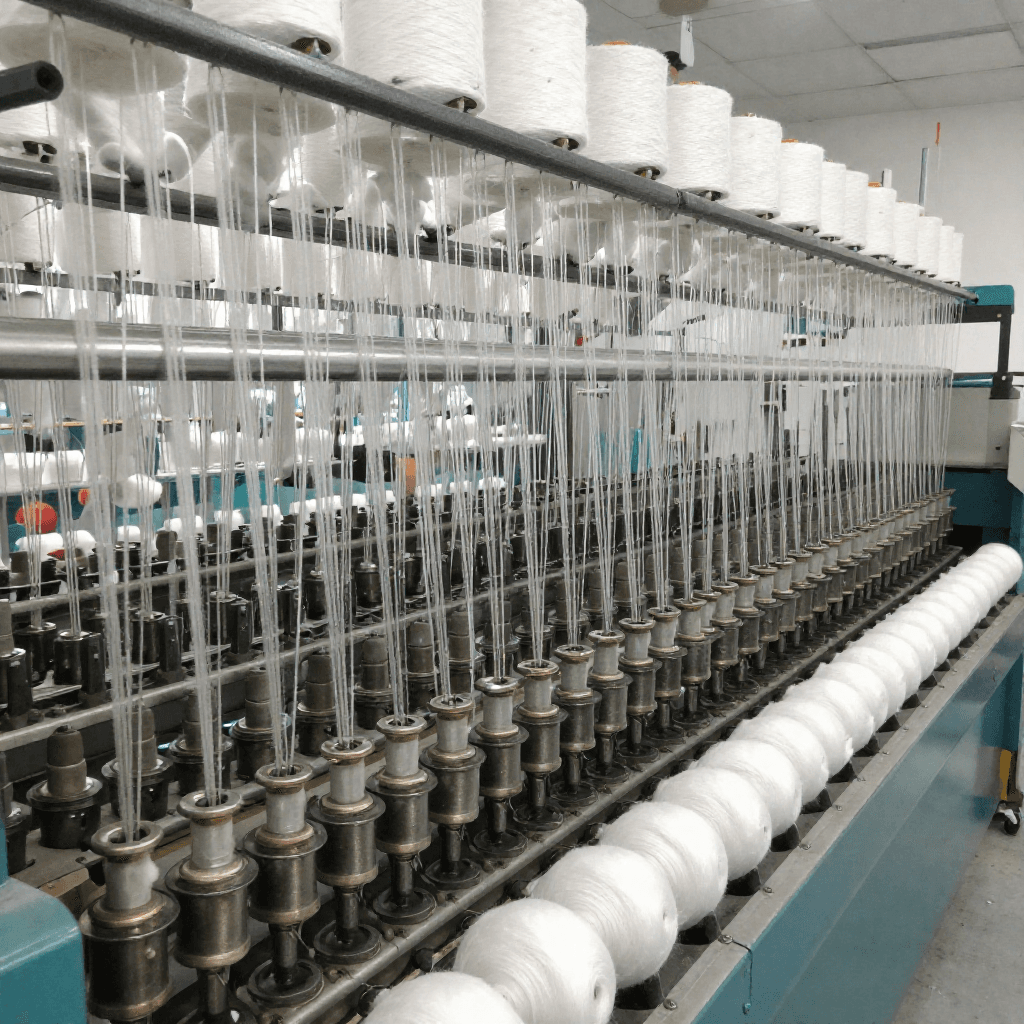
The Ring Spinning Frame — Continuous Yarn Production with Ring and Traveler
Tex tarafından
Tekstil ve Deri
CC0 Kamu Malı
Bu plan CC0 lisansıyla yayınlanmıştır. İzin almadan kopyalayabilir, değiştirebilir, dağıtabilir ve herhangi bir amaçla kullanabilirsiniz.
Planı üzerinden ürün satın alarak Maker'ı destekleyin, böylece Maker Komisyonu Satıcılar tarafından belirlenen komisyonu kazanırlar veya bu Planın yeni bir versiyonunu oluşturun ve gelir paylaşımı için kendi Planınıza bağlantı olarak ekleyin.