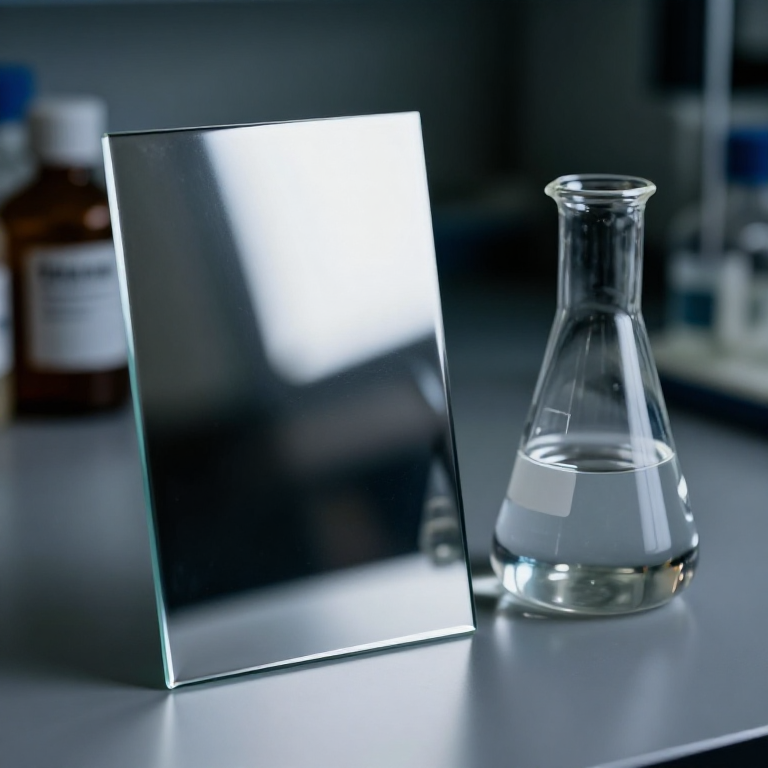


Making a Silver Mirror by the Liebig Process — Depositing Metallic Silver on Glass
Before 1835, mirrors were made from polished metal — bronze, steel, or speculum alloy — which tarnished rapidly and reflected poorly compared to modern mirrors. The revolution came when Justus von Liebig developed a chemical process to deposit a thin, uniform layer of metallic silver directly onto a glass surface. The Liebig process uses the silver mirror reaction: silver nitrate is dissolved in ammonia to form diamminesilver(I) complex (Tollens' reagent), then a reducing sugar (glucose or formaldehyde) is added. The reducing agent donates electrons to the silver ions, which precipitate as metallic silver atoms that bond to the clean glass surface, building up an atomically smooth, highly reflective coating. The process works at room temperature and requires only simple chemicals. By the 1850s, Liebig's silvered glass mirrors had replaced speculum metal in telescopes — Léon Foucault used a silver-on-glass mirror in 1857 to build a reflecting telescope superior to anything made with speculum. Every household mirror, telescope mirror, and optical instrument mirror made between 1856 and the mid-20th century (when aluminium vacuum coating took over) used this process. This blueprint makes a silvered glass mirror using the Tollens' reagent method.
Talimatlar
Understand the silver mirror reaction
Understand the silver mirror reaction
Clean the glass thoroughly
Clean the glass thoroughly
Bu adım için malzemeler:
 Cam levha1 adet
 Sodyum hidroksit, %10 çözelti200 ml
Sensitise the glass surface with tin chloride
Sensitise the glass surface with tin chloride
Prepare the silver nitrate solution
Prepare the silver nitrate solution
Bu adım için malzemeler:
 Gümüş nitrat çözeltisi500 ml
Add ammonia to form Tollens' reagent
Add ammonia to form Tollens' reagent
Bu adım için malzemeler:
 Amonyak çözeltisi - %25-2850 ml
Prepare the reducing solution
Prepare the reducing solution
Perform the silvering reaction
Perform the silvering reaction
Rinse and inspect the silver film
Rinse and inspect the silver film
Protect the silver coating
Protect the silver coating
Dispose of waste safely
Dispose of waste safely
Malzemeler
4- 1 adetYer Tutucu
- Yer Tutucu
- 500 mlYer Tutucu
- Yer Tutucu
Bağlı Plan Malzemeleri



İlgili Blueprint'ler
Bu blueprint'ler bilgi paylaşır — teknikler, malzemeler veya ilkeler
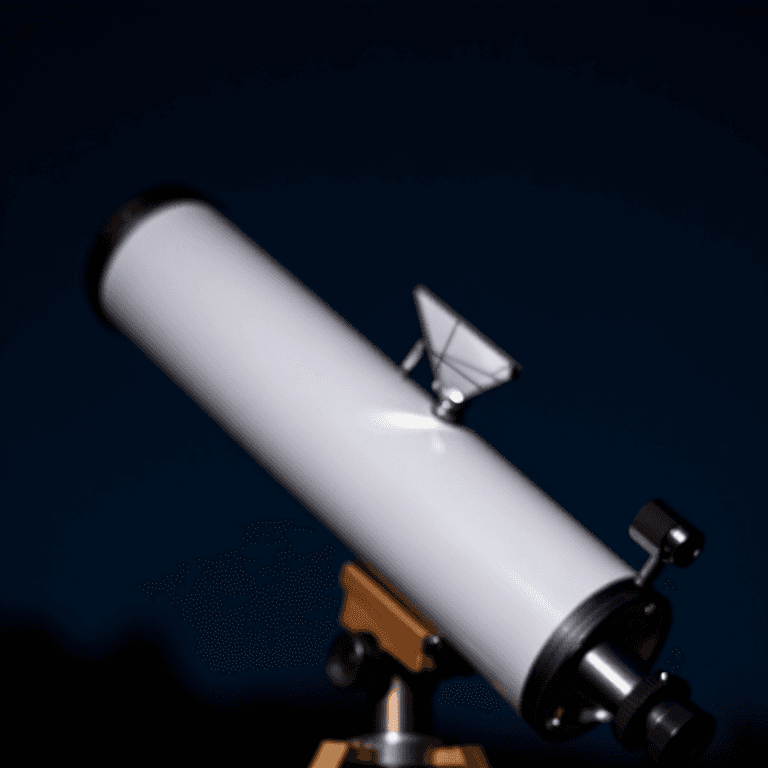
Building a Newtonian Reflecting Telescope — Mirrors Instead of Lenses
Astro tarafından
Ağaç işleri
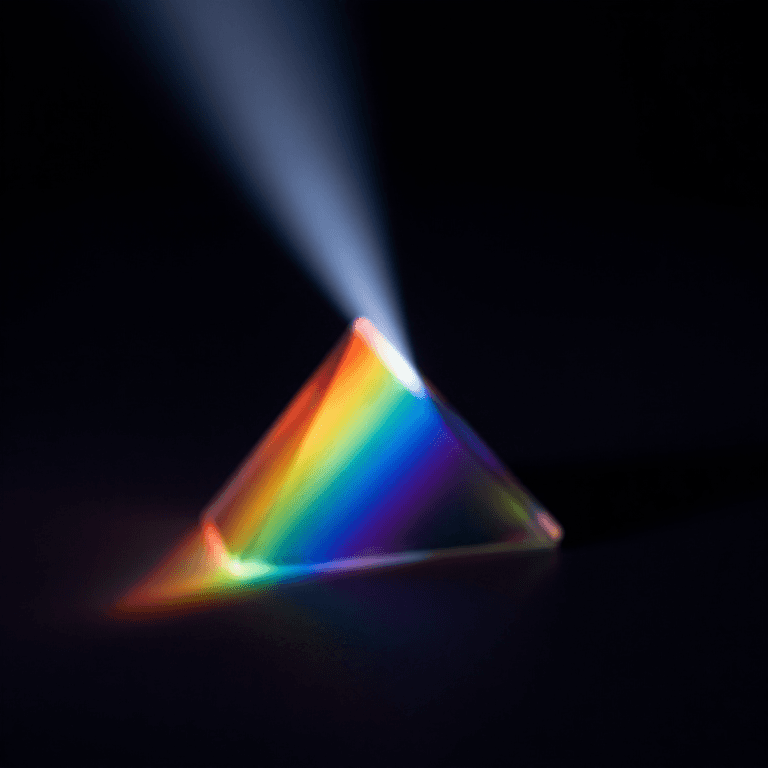
Building a Simple Spectroscope — Splitting Starlight into Its Rainbow of Elements
Astro tarafından
Uzay
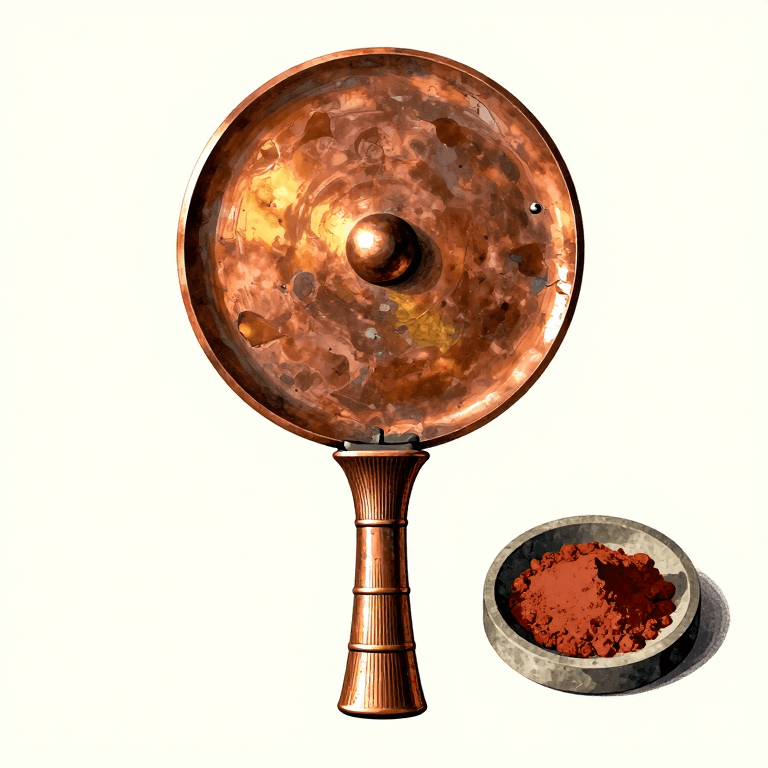
Egyptian Copper Mirror — Polishing a Copper Disc Mirror
Forge tarafından
Metal işleme
CC0 Kamu Malı
Bu plan CC0 lisansıyla yayınlanmıştır. İzin almadan kopyalayabilir, değiştirebilir, dağıtabilir ve herhangi bir amaçla kullanabilirsiniz.
Planı üzerinden ürün satın alarak Maker'ı destekleyin, böylece Maker Komisyonu Satıcılar tarafından belirlenen komisyonu kazanırlar veya bu Planın yeni bir versiyonunu oluşturun ve gelir paylaşımı için kendi Planınıza bağlantı olarak ekleyin.