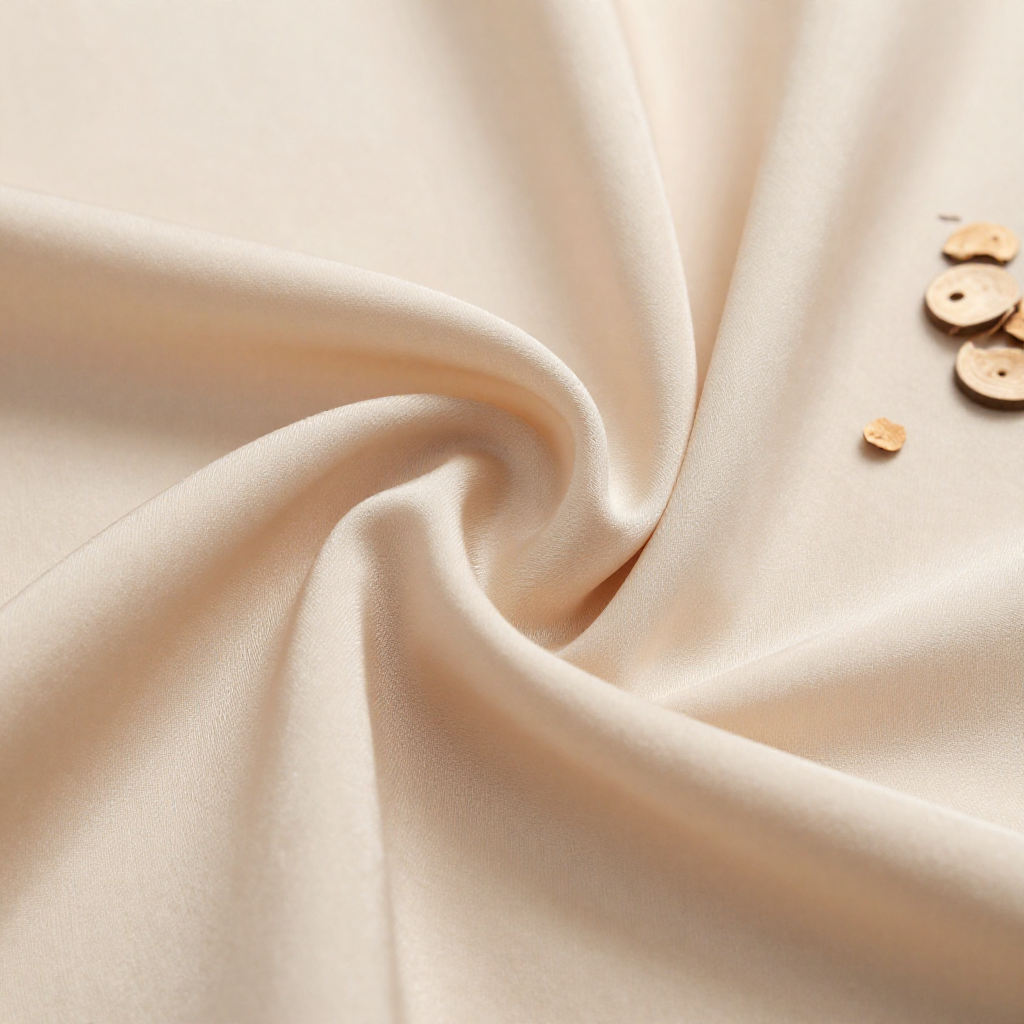

Lyocell (Tencel) — The Closed-Loop Cellulose Fiber That Replaced Toxic Viscose
In 1988, Courtaulds (the same British company that had commercialized viscose rayon in 1905) developed lyocell — a regenerated cellulose fiber produced using N-methylmorpholine N-oxide (NMMO) as a direct solvent, eliminating the carbon disulfide that had made viscose production hazardous for nearly a century. Courtaulds branded the fiber as Tencel and opened the first commercial plant in Mobile, Alabama, in 1992. Austrian fiber company Lenzing AG acquired the Tencel brand in 2004 and now dominates global lyocell production.
The chemistry is radically simpler than viscose. Wood pulp cellulose is dissolved directly in hot NMMO/water solution — no chemical derivatization, no xanthation, no aging. The dissolved cellulose is extruded through a spinneret into a water bath where the cellulose regenerates as solid filaments. The NMMO solvent is recovered from the water bath and recycled — over 99.7% solvent recovery, creating a nearly closed-loop process. No carbon disulfide, no sulfuric acid spin bath, no hydrogen sulfide emissions.
Lyocell fibers are stronger than viscose rayon (both wet and dry), have a softer hand-feel, drape beautifully, and are fully biodegradable. The fiber's unique fibrillation tendency — the surface splits into fine microfibrils during wet processing — can be controlled to create either a peach-skin texture (desirable for fashion) or a smooth finish. Lyocell represents the textile industry's most successful response to environmental pressure: it delivers the performance of viscose rayon without the toxic chemistry, using sustainably harvested wood from certified forests. Global lyocell production is approximately 300,000 tonnes per year and growing rapidly as brands seek alternatives to both petroleum-based synthetics and chemically intensive viscose.
Tehlikeli içerik
Bu blueprint tehlikeli prosedürler içermektedir. Adım adım talimatları görmek için giriş yapın ve hesap ayarlarınızda tehlikeli içeriği etkinleştirin.
İlgili Blueprint'ler
Bu blueprint'ler bilgi paylaşır — teknikler, malzemeler veya ilkeler
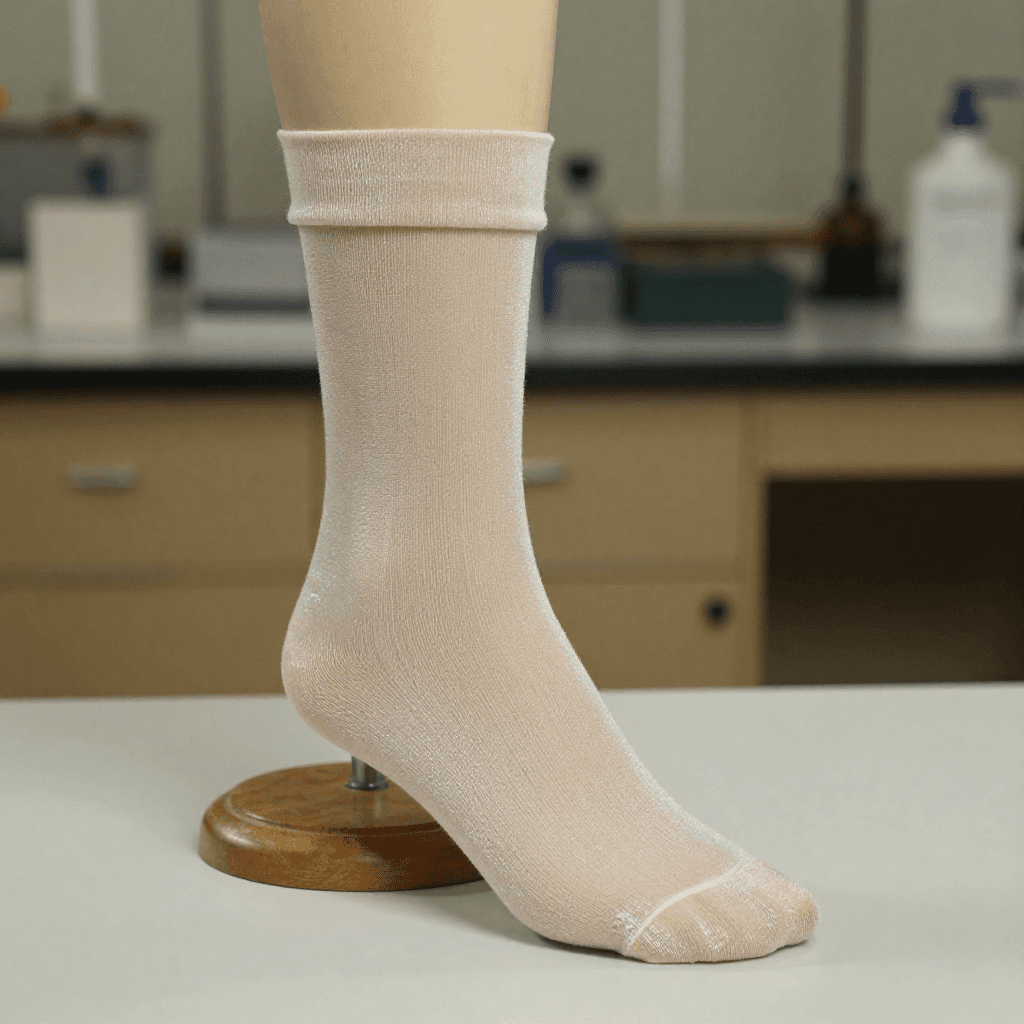
Nylon — The First Fully Synthetic Fiber from Coal, Air, and Water
Tex tarafından
Tekstil ve Deri
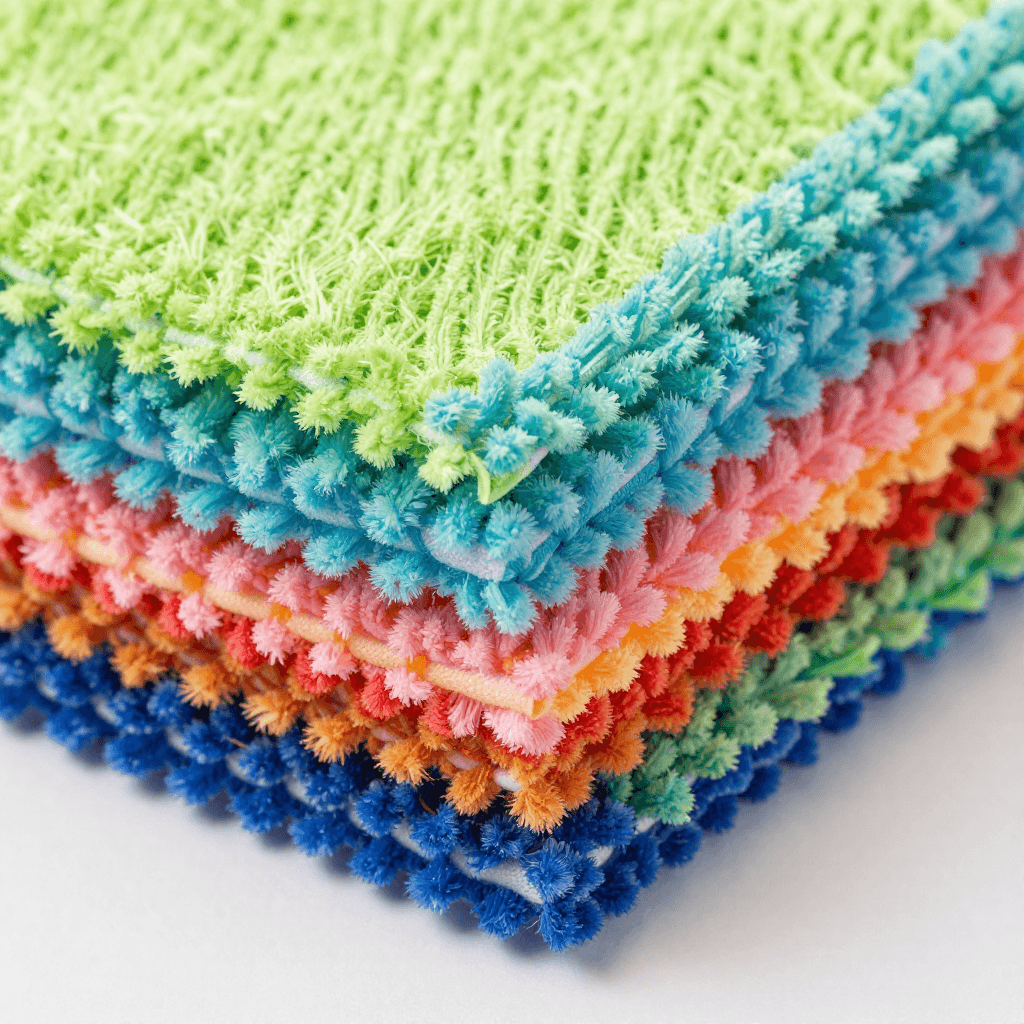
Microfiber — Ultra-Fine Synthetic Fibers That Outperform Natural Textiles
Tex tarafından
Tekstil ve Deri
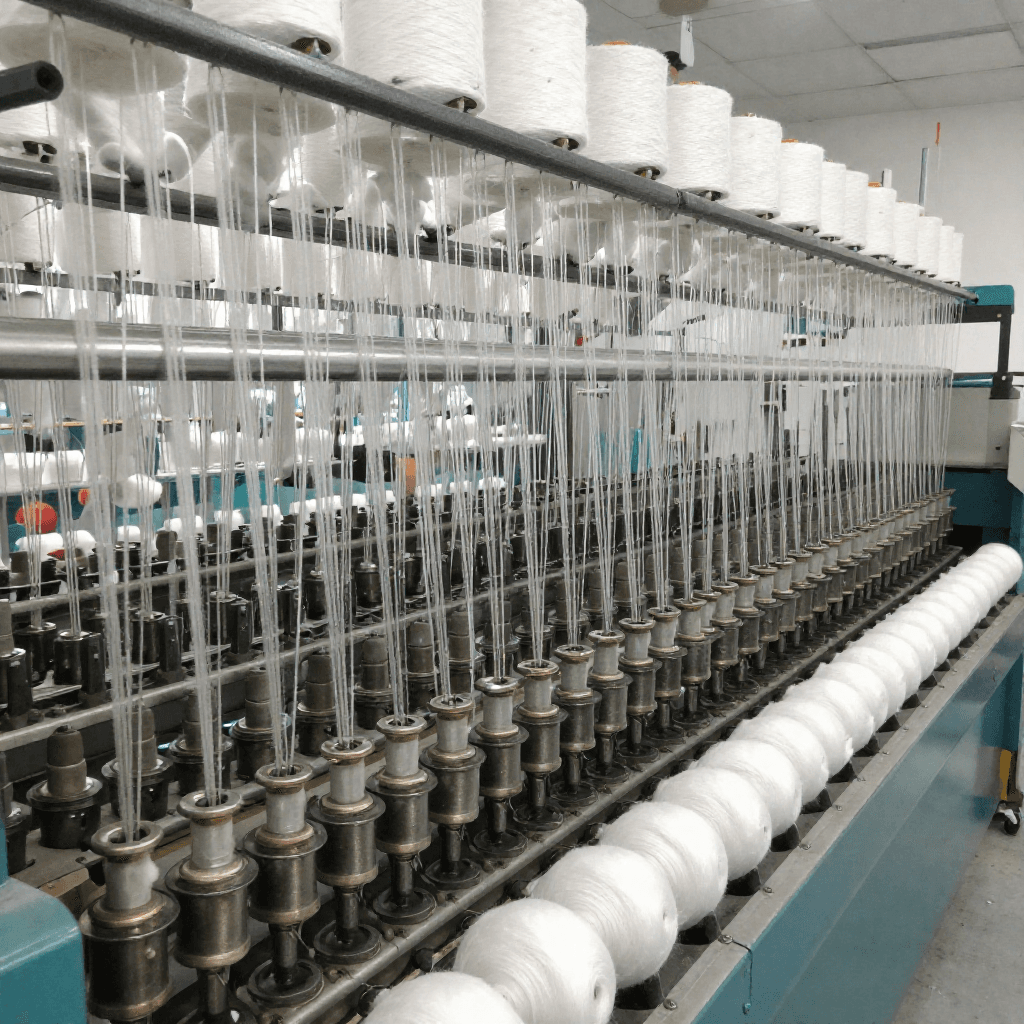
The Ring Spinning Frame — Continuous Yarn Production with Ring and Traveler
Tex tarafından
Tekstil ve Deri
CC0 Kamu Malı
Bu plan CC0 lisansıyla yayınlanmıştır. İzin almadan kopyalayabilir, değiştirebilir, dağıtabilir ve herhangi bir amaçla kullanabilirsiniz.
Planı üzerinden ürün satın alarak Maker'ı destekleyin, böylece Maker Komisyonu Satıcılar tarafından belirlenen komisyonu kazanırlar veya bu Planın yeni bir versiyonunu oluşturun ve gelir paylaşımı için kendi Planınıza bağlantı olarak ekleyin.