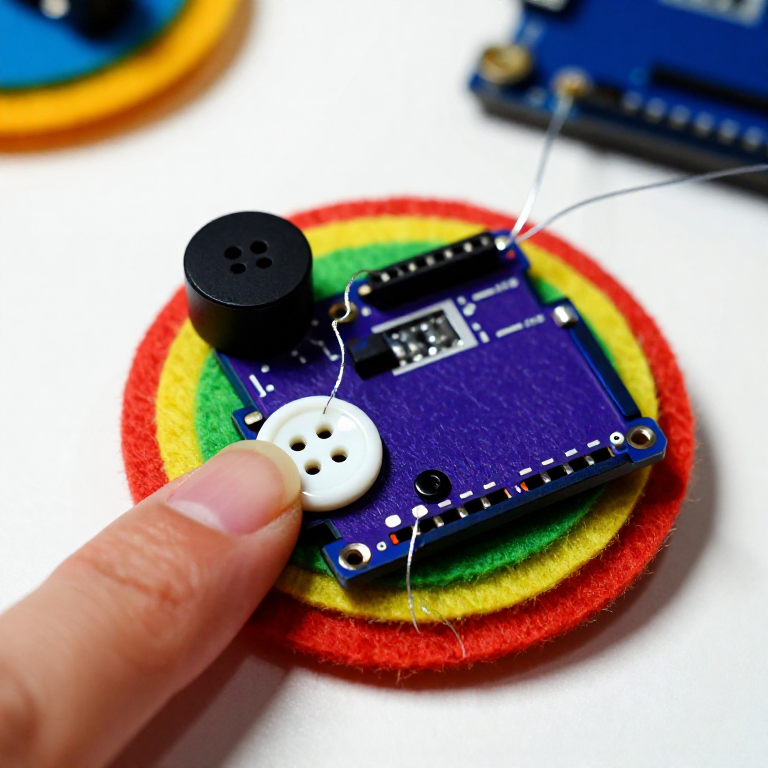


Making a LilyPad Musical Patch
Sew a patch that plays a tune. A LilyPad buzzer and a button let the microcontroller sing a short melody whenever you press it — a musical badge, a fabric greeting card, or a costume piece. This project introduces the buzzer and the Arduino tone() function that turns pin signals into notes.
Talimatlar
Sew the board, buzzer and button
Sew the board, buzzer and button
Sew a LilyPad Arduino, a LilyPad buzzer and a LilyPad button onto felt. Wire it: the buzzer's + tab to pin 9 and its - tab to -; the button's tabs to analog pin A2 and to -. Keep the lines from crossing.
Bu adım için malzemeler:
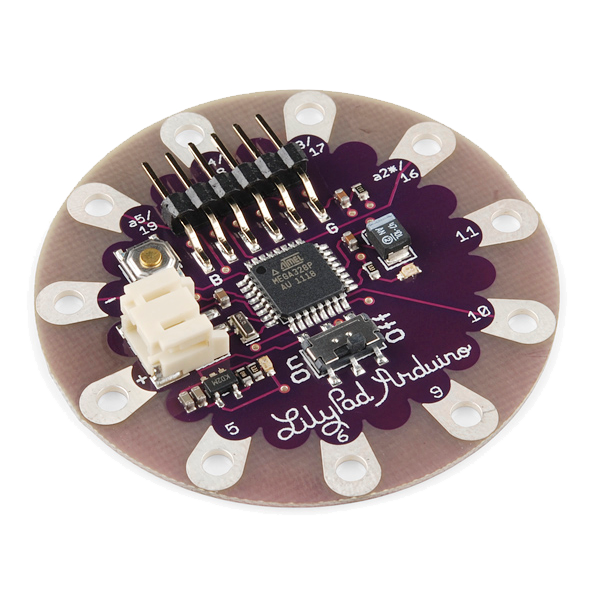 LilyPad Arduino Simple Board1 adet
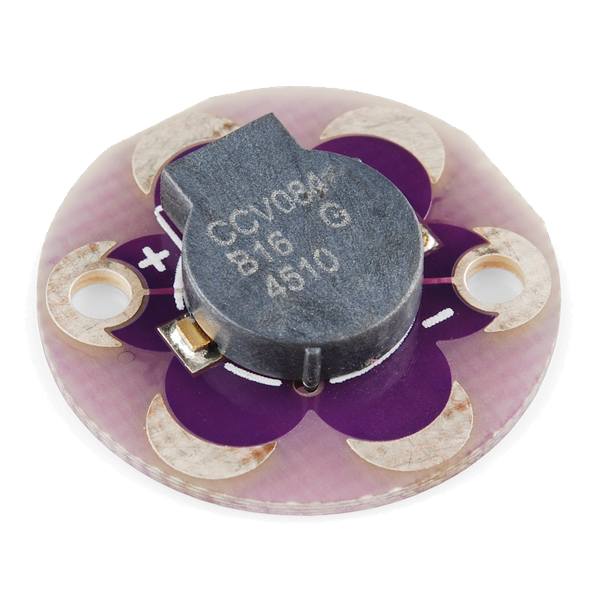 LilyPad Buzzer1 adet
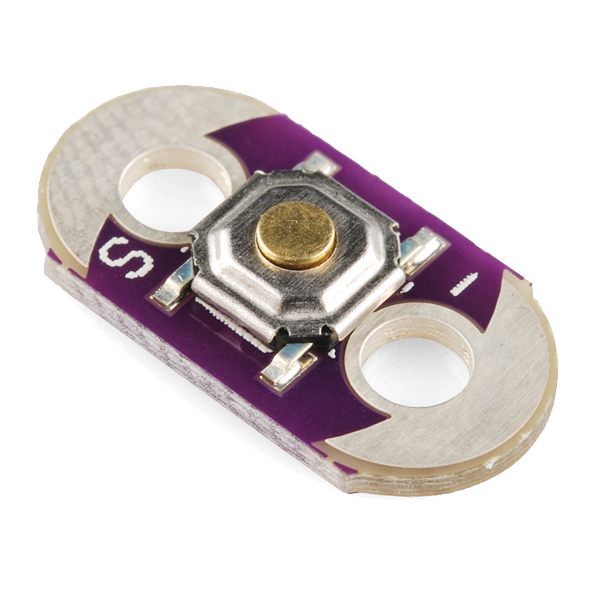 LilyPad Button Board1 adet
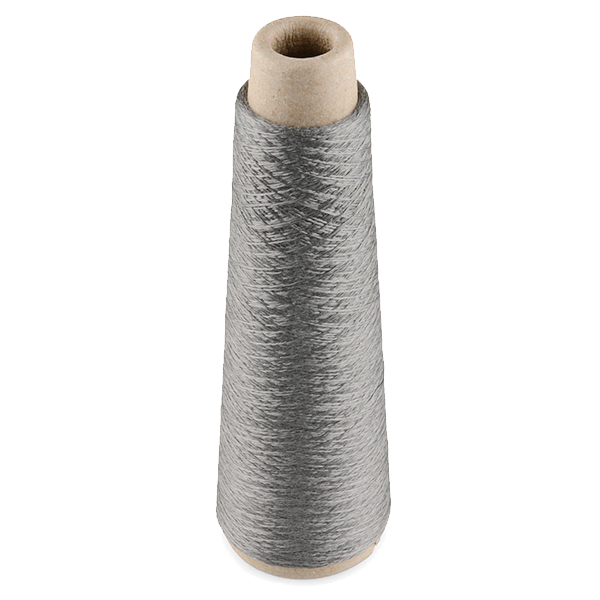 Conductive Thread - 60g (Stainless Steel)1 makara
 El dikiş iğneleri1 paket
 Yün keçe levha1 yaprak
Connect the programmer
Connect the programmer
Plug the LilyPad FTDI onto the programming header and connect the USB cable. Open the Arduino IDE and select the LilyPad Arduino board and its serial port.
Bu adım için malzemeler:
 LilyPad FTDI Basic Breakout - 5V1 adet
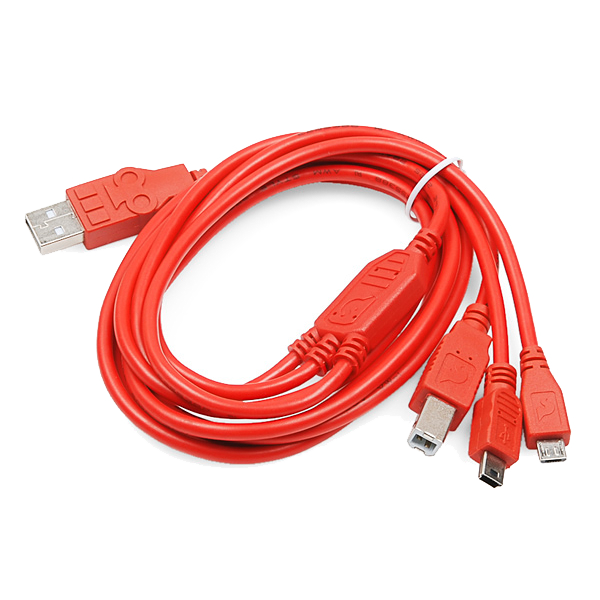 SparkFun Cerberus USB Cable - 1.8 meter1 adet
Gerekli aletler:
 Arduino IDE Kurulu Bilgisayar
Upload the melody sketch
Upload the melody sketch
Paste this sketch and upload. Pressing the button plays a short rising scale on the buzzer.
Press to play, then compose
Press to play, then compose
Press the button — you should hear the five notes. Change the tune by editing the melody[] frequencies (higher number = higher note) and the durations[] in milliseconds, then re-upload. Add more notes to both arrays to make a longer song.
Go wireless and wear it
Go wireless and wear it
Unplug the FTDI, sew a LilyPad coin-cell holder to the board (+ to +, - to -), drop in a CR2032 and switch on. Sew the felt onto a badge or card — press it to play your tune anywhere.
Bu adım için malzemeler:
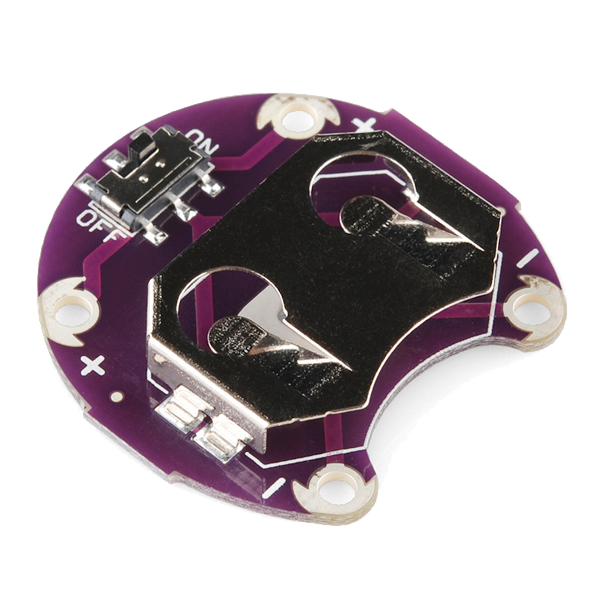 LilyPad Coin Cell Battery Holder - w/Switch - 20mm1 adet
 CR2032 düğme pil1 adet
Malzemeler
10- LilyPad Arduino Simple Board%10 komisyon1 adet$19.16
- LilyPad Buzzer%10 komisyon1 adet$7.45
- LilyPad Button Board%10 komisyon1 adet$2.18
- Conductive Thread - 60g (Stainless Steel)%10 komisyon1 makara$39.24
- 1 paketYer Tutucu
- 1 yaprakYer Tutucu
- LilyPad FTDI Basic Breakout - 5V%10 komisyon1 adet$14.06
- SparkFun Cerberus USB Cable - 1.8 meter%10 komisyon1 adet$5.61
- 1 adet$4.94
- 1 adetYer Tutucu
Gerekli Aletler
2- Yer Tutucu
- Yer Tutucu
İlgili Blueprint'ler
Bu blueprint'ler bilgi paylaşır — teknikler, malzemeler veya ilkeler
CC0 Kamu Malı
Bu plan CC0 lisansıyla yayınlanmıştır. İzin almadan kopyalayabilir, değiştirebilir, dağıtabilir ve herhangi bir amaçla kullanabilirsiniz.
Planı üzerinden ürün satın alarak Maker'ı destekleyin, böylece Maker Komisyonu Satıcılar tarafından belirlenen komisyonu kazanırlar veya bu Planın yeni bir versiyonunu oluşturun ve gelir paylaşımı için kendi Planınıza bağlantı olarak ekleyin.