
Making Dammar Varnish — The Clear Picture Varnish for Oil Paintings
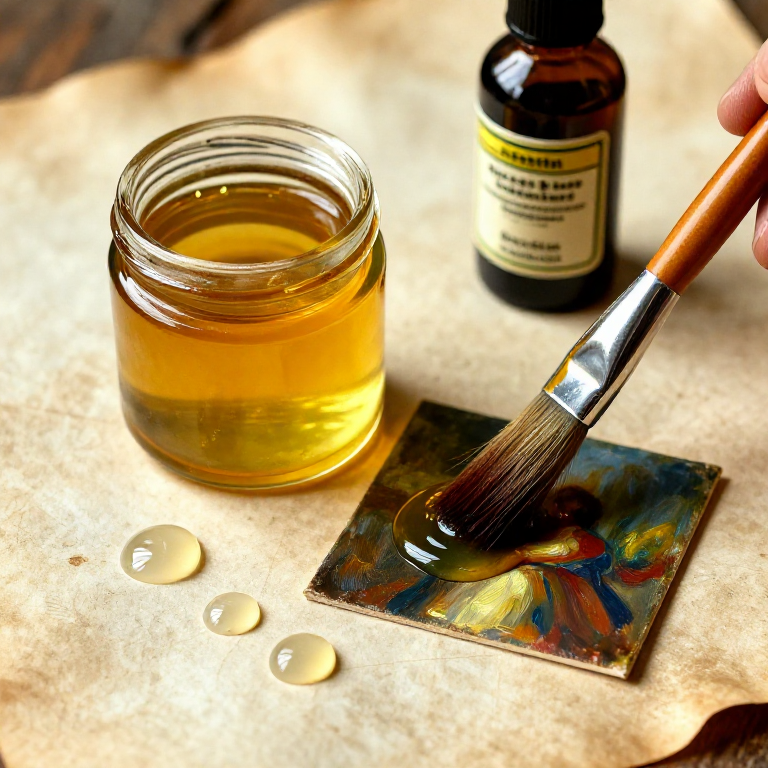
Dammar varnish is a solution of dammar resin dissolved in turpentine, used as a protective and aesthetic coating for oil paintings. It is the most widely used picture varnish in traditional painting, producing a clear, glossy, non-yellowing finish that saturates colours, unifies surface sheen, and protects the paint surface from dust, atmospheric pollutants, and handling damage. Dammar varnish can be removed with turpentine or mineral spirits, making it fully reversible — a critical requirement for conservation.
Dammar resin (also spelled 'damar') is a natural tree resin harvested from Dipterocarpaceae trees, primarily Shorea species, in Southeast Asia (Indonesia, Malaysia, the Philippines). The name comes from the Malay word 'damar' meaning 'torch' or 'light' — the resin was traditionally burned for illumination. The resin is collected as pale, translucent, rounded lumps ('tears') that are hard and brittle at room temperature but dissolve readily in turpentine, producing a clear, pale solution.
Dammar replaced mastic as the preferred picture varnish in the 19th century because it yellows significantly less over time. Mastic varnish (from Pistacia lentiscus resin) turns progressively yellow-brown with age, while dammar remains much clearer. Both are 'soft' resins — they remain soluble in their original solvent indefinitely, unlike 'hard' resins (copal, amber) which polymerise into insoluble films. This permanent solubility is what makes dammar varnish removable and therefore suitable for fine art. Making dammar varnish is one of the simplest and most useful preparations in the painter's studio — requiring only two ingredients, no heat, and minimal equipment.
Talimatlar
Crush the dammar resin to small pieces
Crush the dammar resin to small pieces
Select clean, pale, translucent dammar resin tears — avoid dark, cloudy, or bark-contaminated pieces as these produce a darker, less clear varnish. Place 100 g of resin tears in a cloth bag (muslin or cotton) and crush with a hammer or mortar and pestle to pieces roughly 5-10 mm. Smaller pieces dissolve faster. Dammar resin is brittle and shatters easily. Do not grind to powder — fine dust creates a cloudy suspension that is harder to strain clear.
Bu adım için malzemeler:
 Damar reçinesi100 g
Gerekli aletler:
 Müslin bez
 Havan ve Havaneli
Dissolve in gum turpentine
Dissolve in gum turpentine
Place the crushed resin in a clean glass jar and add 200 ml of pure gum turpentine (NOT mineral turpentine/white spirit, which dissolves dammar poorly). The standard ratio is 1 part resin to 2 parts turpentine by weight — this produces a medium-consistency varnish. Stir gently, seal the jar, and let stand at room temperature. Stir or shake gently every few hours. The resin will dissolve completely within 12-24 hours. Do NOT heat to speed dissolution — heat degrades the resin and increases yellowing. Work in a well-ventilated area as turpentine vapour is an irritant.
Bu adım için malzemeler:
 Terebentin200 ml
Gerekli aletler:
 Cam Kavanoz
Strain through fine muslin to remove impurities
Strain through fine muslin to remove impurities
Once the resin has fully dissolved, strain the varnish through two layers of fine-weave muslin cloth stretched over a clean glass jar. The straining removes bark fragments, undissolved resin particles, and any insoluble impurities. For the clearest varnish, strain a second time through fresh muslin. The strained varnish should be a clear, pale golden liquid — nearly water-clear for the best grade dammar. If the varnish appears cloudy, let it settle for a few days and decant the clear portion from any sediment.
Gerekli aletler:
Müslin bez Kapaklı Cam Kavanozlar
Test consistency and adjust
Test consistency and adjust
Dip a clean brush into the varnish and brush a thin coat onto a piece of glass or a test painting. The varnish should flow smoothly, level without brush marks, and dry to a clear, glossy film within 15-30 minutes. If too thick (sticky, leaves brush marks), add turpentine in small amounts and stir. If too thin (runs and drips, dries with no sheen), let the jar sit uncovered for a few hours to evaporate some turpentine, then re-test. A well-made dammar varnish dries to a perfectly clear, hard, glossy film that saturates the underlying paint colours beautifully.
Gerekli aletler:
 Geniş boya fırçası
Store and apply
Store and apply
Store the finished dammar varnish in a tightly sealed glass jar away from heat, light, and moisture. Dammar varnish has a long shelf life — months to years if properly sealed. To apply as picture varnish: ensure the oil painting is fully dry (at least 6-12 months for thick oil paint). Lay the painting flat, apply a thin, even coat with a wide, soft brush in long, parallel strokes. Do not rework or go over the same area — this causes streaks as the varnish begins to set. One thin coat is usually sufficient. The varnish can also be mixed 1:1 with turpentine for a thinner 'retouch varnish' used between painting sessions to restore colour saturation in sunken areas.
Malzemeler
2- 100 gYer Tutucu
- 200 mlYer Tutucu
Gerekli Aletler
5- Yer Tutucu
- Yer Tutucu
- Yer Tutucu
- Yer Tutucu
- Yer Tutucu
Bağlı Plan Malzemeleri
Making Oil Paint from Raw Pigments — Grinding Pigments in Linseed Oil
Charlie tarafından
SANAT
Making Encaustic Paint — The Hot Beeswax Medium of Ancient Greek and Egyptian Painters
Charlie tarafından
SANAT
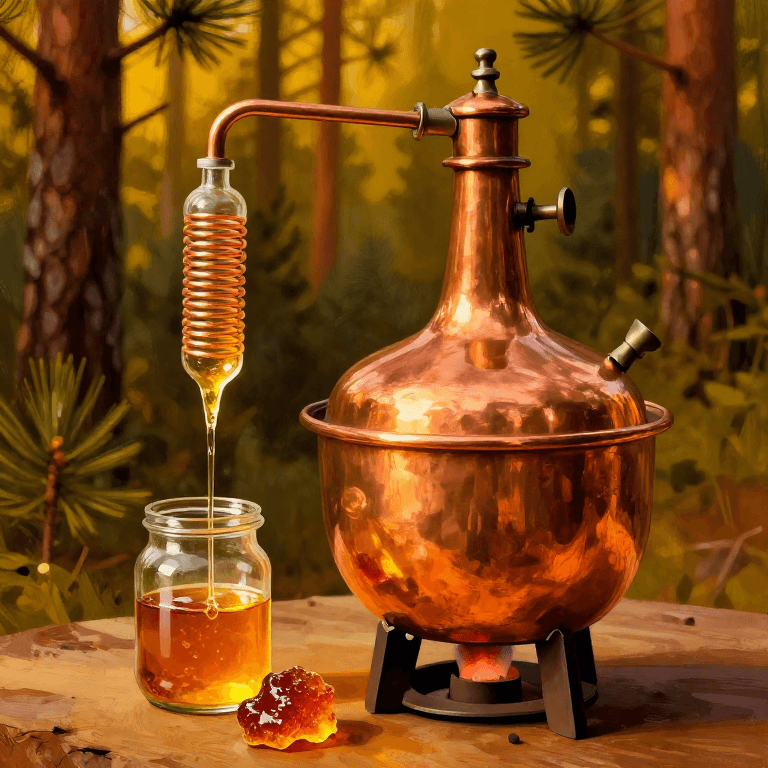
Distilling Turpentine from Pine Resin — The Essential Solvent of Oil Painting
Charlie tarafından
SANAT
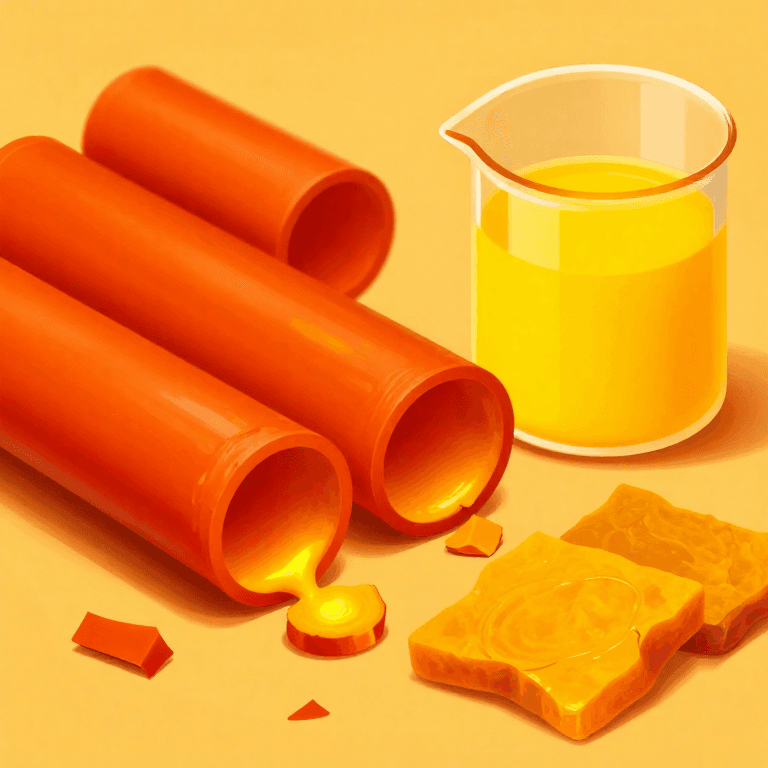
Making Gamboge Yellow — Preparing the Tree Resin Pigment of Southeast Asian Painters
Charlie tarafından
SANAT
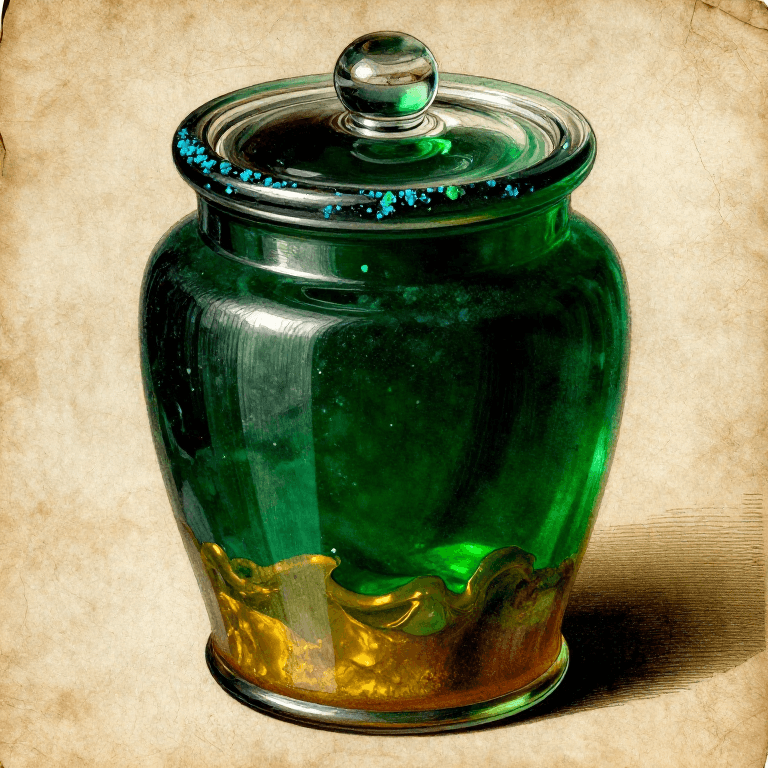
Making Copper Resinate Green — The Transparent Glaze of Medieval and Renaissance Painters
Charlie tarafından
SANAT
Bu planla yapılan
İlgili Blueprint'ler
Bu blueprint'ler bilgi paylaşır — teknikler, malzemeler veya ilkeler
Making Egg Tempera Paint — The Medieval Panel Painting Medium
Charlie tarafından
SANAT
Making Watercolour Paint from Raw Pigments — Gum Arabic Binder
Charlie tarafından
SANAT
Making Lampblack Pigment — Collecting Carbon Soot from a Burning Flame
Charlie tarafından
SANAT
Making Chalk White Pigment (Whiting) — Grinding and Levigating Natural Chalk
Charlie tarafından
SANAT
Making Red Ochre by Calcining Yellow Ochre — The Oldest Deliberate Pigment Transformation
Charlie tarafından
SANAT
Making Verdigris — The Copper Acetate Green of Medieval Painters
Charlie tarafından
SANAT
Making Ultramarine from Lapis Lazuli — Extracting the Most Precious Pigment in History
Charlie tarafından
SANAT
Making a Lake Pigment from Plant Dye — Precipitating Soluble Colour onto an Insoluble Substrate
Charlie tarafından
SANAT
Making Acrylic Paint — Grinding Pigments into Acrylic Polymer Medium
Charlie tarafından
SANAT
Making Hide Glue Distemper — The Traditional Ceiling and Wall Paint of Europe
Charlie tarafından
SANAT
Painting a Buon Fresco on Wet Lime Plaster — Roman Wall Painting
Charlie tarafından
Duvarcılık
CC0 Kamu Malı
Bu plan CC0 lisansıyla yayınlanmıştır. İzin almadan kopyalayabilir, değiştirebilir, dağıtabilir ve herhangi bir amaçla kullanabilirsiniz.
Planı üzerinden ürün satın alarak Maker'ı destekleyin, böylece Maker Komisyonu Satıcılar tarafından belirlenen komisyonu kazanırlar veya bu Planın yeni bir versiyonunu oluşturun ve gelir paylaşımı için kendi Planınıza bağlantı olarak ekleyin.