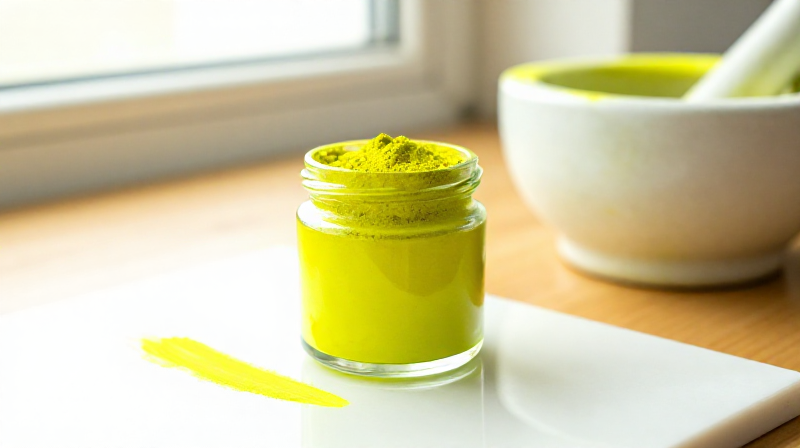

Making Isoindoline Yellow — The High-Performance Pigment That Outlasts Cadmium
Isoindoline Yellow (Pigment Yellow 109, CI 56284) is a synthetic organic pigment developed in the 1960s by Ciba-Geigy in Switzerland. It belongs to a class of pigments built from the isoindoline ring system — a five-membered nitrogen-containing ring fused to a benzene ring. These pigments offer a combination of brilliant colour, excellent lightfastness (ASTM I–II), and good heat stability that no earlier yellow pigment could match without using toxic heavy metals.
The synthesis involves two stages. First, phthalonitrile (1,2-dicyanobenzene) is reacted with ammonia to form 1,3-diiminoisoindoline — a reactive intermediate where both nitrile groups have been converted to imino groups, with one incorporated into a five-membered ring. Second, two molecules of this diiminoisoindoline are condensed with one molecule of barbituric acid. The active methylene group of barbituric acid (position 5) bridges the two isoindoline units, creating an extended conjugated system that absorbs blue-violet light and appears bright yellow.
The closely related PY110 (CI 56280) uses tetrachlorophthalonitrile as the starting material instead, giving a warmer, more reddish yellow with even greater weather resistance — preferred for automotive paints. Together, these isoindoline yellows replaced cadmium yellow and chrome yellow for applications demanding permanence without toxicity.
SAFETY WARNING: Phthalonitrile is a skin and respiratory irritant. Ammonia solution causes chemical burns and produces choking fumes. Barbituric acid is harmful if ingested (it is the parent compound of barbiturate drugs, though it has no sedative activity itself). Work under ventilation with full PPE.
Tehlikeli içerik
Bu blueprint tehlikeli prosedürler içermektedir. Adım adım talimatları görmek için giriş yapın ve hesap ayarlarınızda tehlikeli içeriği etkinleştirin.
Giriş yapınİlgili Blueprint'ler
Bu blueprint'ler bilgi paylaşır — teknikler, malzemeler veya ilkeler
Making Naples Yellow (Lead Antimonate) — The Oldest Known Synthetic Yellow Pigment
Charlie tarafından
SANAT
Making Gamboge Yellow — Preparing the Tree Resin Pigment of Southeast Asian Painters
Charlie tarafından
SANAT
Making Yellow Ochre Pigment — Grinding and Levigating Goethite into the Oldest Painter's Yellow
Charlie tarafından
SANAT
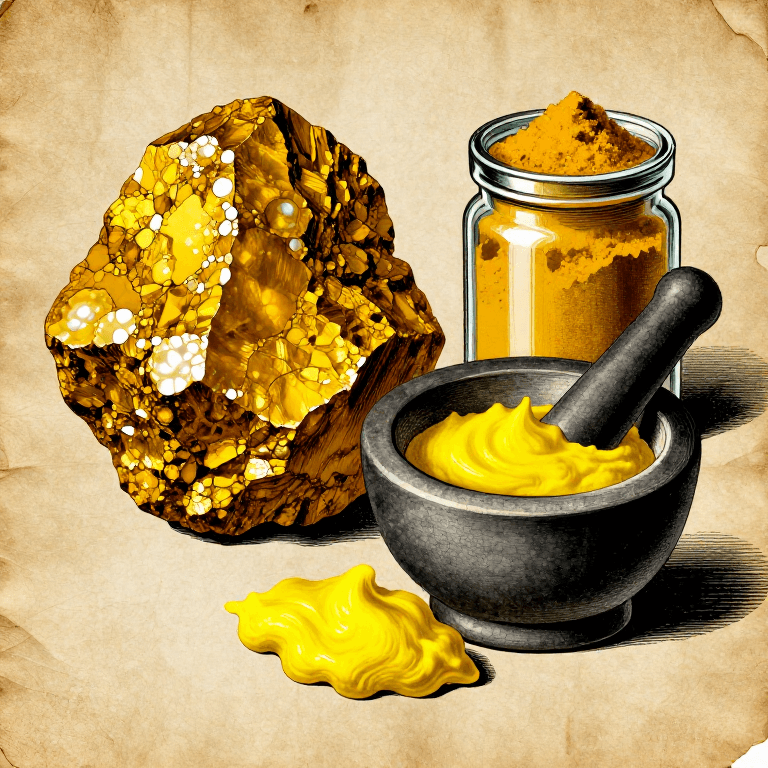
Making Orpiment Yellow Pigment — Grinding the Golden Arsenic Mineral of the Ancient World
Charlie tarafından
SANAT
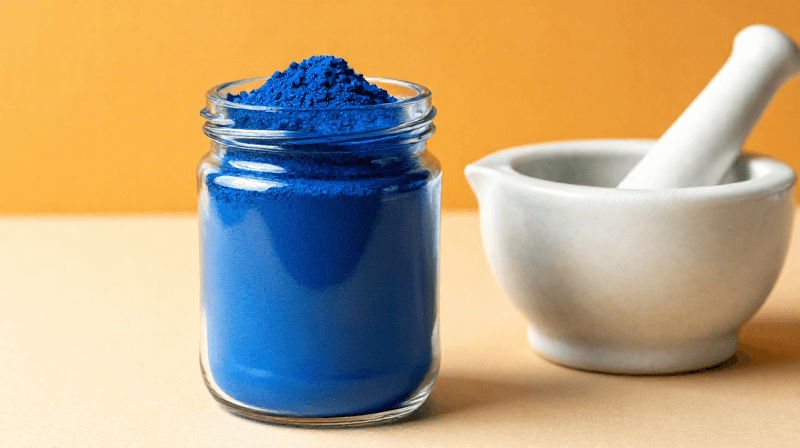
Making Phthalocyanine Blue — The Copper Complex That Became the World's Most Used Blue Pigment
Charlie tarafından
SANAT
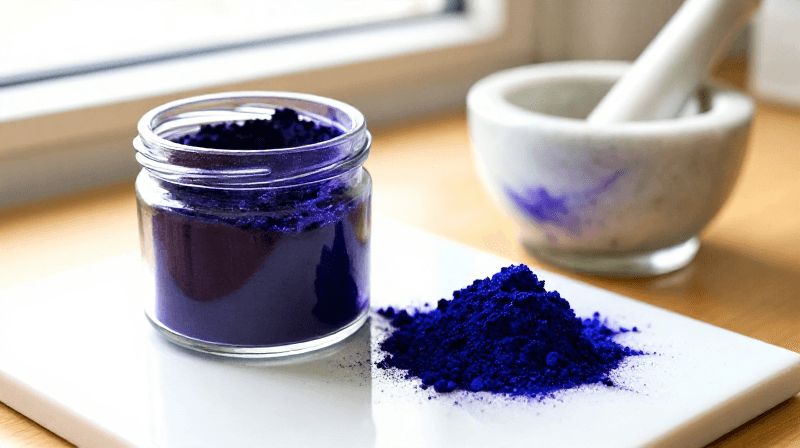
Making Dioxazine Violet — The Staggeringly Powerful Purple That Replaced Cobalt Violet
Charlie tarafından
SANAT
CC0 Kamu Malı
Bu plan CC0 lisansıyla yayınlanmıştır. İzin almadan kopyalayabilir, değiştirebilir, dağıtabilir ve herhangi bir amaçla kullanabilirsiniz.
Planı üzerinden ürün satın alarak Maker'ı destekleyin, böylece Maker Komisyonu Satıcılar tarafından belirlenen komisyonu kazanırlar veya bu Planın yeni bir versiyonunu oluşturun ve gelir paylaşımı için kendi Planınıza bağlantı olarak ekleyin.