SANAT
GÜZELLİK & SAĞLIK
ZANAAT
KÜLTÜR & TARİH
EĞLENCE
ÇEVRE
YİYECEK & İÇECEK
TERS MÜHENDİSLİK
BİLİMLER
SPOR
TEKNOLOJİ
GİYİLEBİLİR ÜRÜNLER
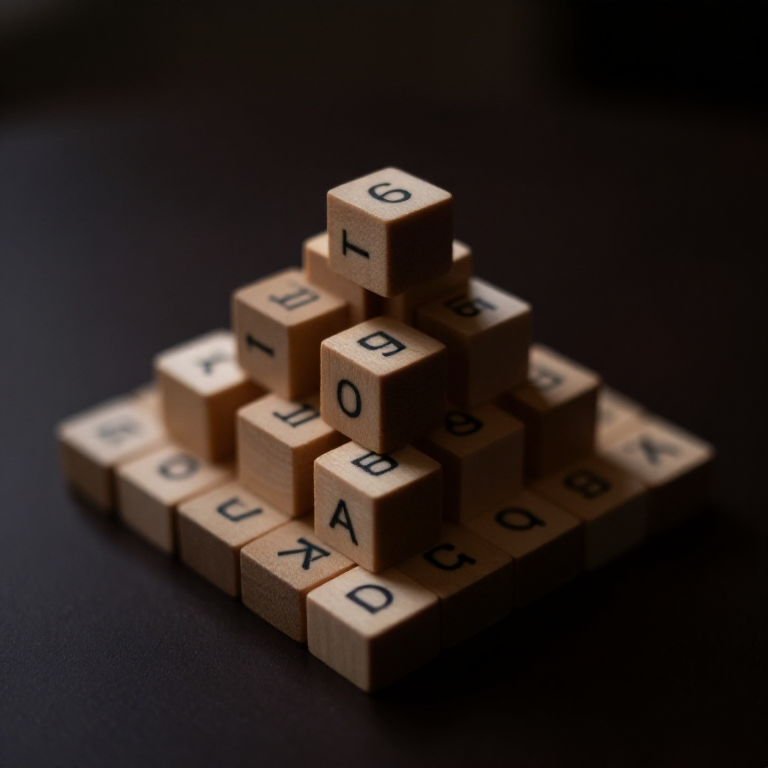


Pascal's Triangle — Build a Pyramid of Numbers by Adding
A hands-on maths project: build a triangle of numbers where each one is the sum of the two above it, then hunt for the patterns hiding inside -- powers of two, the Fibonacci numbers, even a fractal. A Python cell reveals the patterns and a compendium links them to counting and chance.
Başlangıç
30 minutes
Talimatlar
1
1
A pyramid of numbers
A pyramid of numbers
Pascal's triangle starts with a 1 at the top, and every number below is the sum of the two just above it. It is simple to build but packed with hidden patterns.
2
2
Build it on card
Build it on card
On a large sheet, write a 1 at the top. In the next row write 1 and 1. For every row after, put a 1 at each end, and in each gap write the SUM of the two numbers diagonally above it. Fill in eight or nine rows. (You can lay out coins or counters and combine piles instead of writing, if you like.)
Bu adım için malzemeler:
 Karışık Renk Bristol Karton Paketi1 adet
Gerekli aletler:
 Grafit Kalem Takımı
3
3
Hunt the patterns
Hunt the patterns
Add up each row: 1, 2, 4, 8, 16 -- the powers of two! Now shade in only the ODD numbers and step back: a triangular fractal pattern appears. Add the numbers along shallow diagonals and you get the Fibonacci sequence. Mark these discoveries on your triangle.
Gerekli aletler:
 Hesap Makinesi
4
4
Reveal them with code
Reveal them with code
Jupyter defteri yükleniyor…
Gerekli aletler:
 Masaüstü Bilgisayar
5
5
Compendium: counting and chance
Compendium: counting and chance
What the pyramid hides. (1) Each row is the answer to 'how many ways can you choose k things from n?' -- the numbers are the 'combinations'. (2) The rows are also the coefficients you get expanding (a+b) to a power, the binomial theorem. (3) Shading the odd numbers draws the Sierpinski fractal -- pure pattern out of pure adding. (4) Because the triangle counts how many ways things can happen, Pascal and Fermat used it in 1654 to work out the odds in games of chance, launching the whole of probability and, from it, modern statistics. Though named for Pascal, it was known centuries earlier in India, Persia and China.
Malzemeler
2- Yer Tutucu
- 1 yaprakYer Tutucu
Gerekli Aletler
3- Yer Tutucu
- Yer Tutucu
- Yer Tutucu
İlgili Blueprint'ler
Bu blueprint'ler bilgi paylaşır — teknikler, malzemeler veya ilkeler
CC0 Kamu Malı
Bu plan CC0 lisansıyla yayınlanmıştır. İzin almadan kopyalayabilir, değiştirebilir, dağıtabilir ve herhangi bir amaçla kullanabilirsiniz.
Planı üzerinden ürün satın alarak Maker'ı destekleyin, böylece Maker Komisyonu Satıcılar tarafından belirlenen komisyonu kazanırlar veya bu Planın yeni bir versiyonunu oluşturun ve gelir paylaşımı için kendi Planınıza bağlantı olarak ekleyin.