Bakırı Malakitten Eritme — Yeşil Cevherden Kırmızı Metale
Talimatlar
Kimyayi anlayin
Kimyayi anlayin
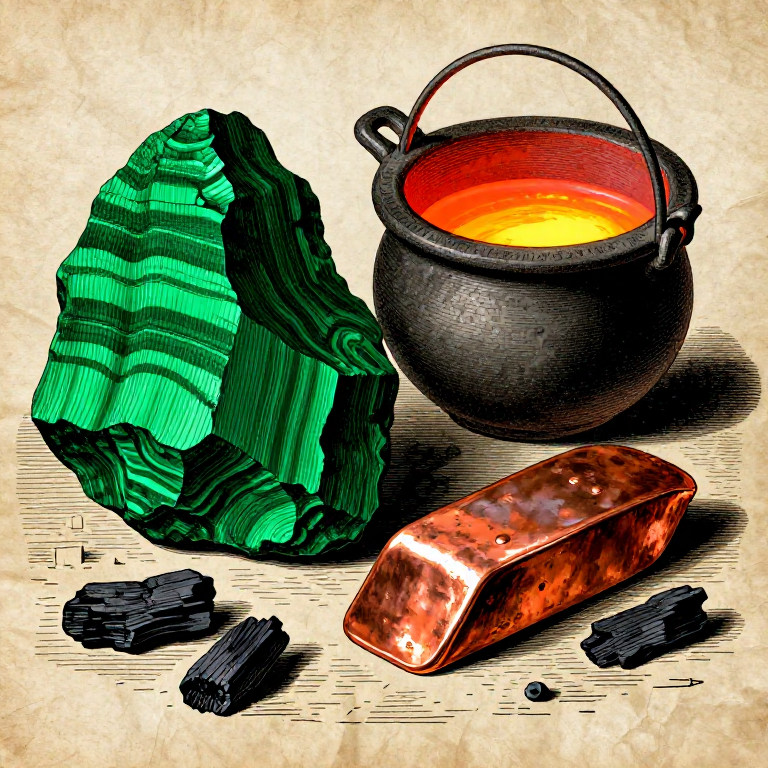
Malakit isitildiginda ayrisir: Cu₂CO₃(OH)₂ → 2CuO + CO₂ + H₂O (~300°C'de). Olusan bakir oksit (CuO), yanan odun komurunden cikan karbon monoksit tarafindan indirgenir: CuO + CO → Cu + CO₂. Bakir 1085°C'de erir. Saf malakitten toplam bakir verimi yaklasik %57,5'tir.
Malakiti ezin
Malakiti ezin
Cekic ve ors kullanarak malakiti 1 cm'den kucuk parcalara kirin. Ogutme ne kadar ince olursa, indirgeme o kadar hizli ve eksiksiz olur. Varsa son ogutme icin havan ve havan eli kullanin. Bezelye buyuklugunde veya daha kucuk parcalar elde etmeyi hedefleyin.
Bu adım için malzemeler:
 Malakit cevheri2 kilogram
Gerekli aletler:
 Jeolog Çekici
 Havan ve Havaneli
Potayi hazirlayin
Potayi hazirlayin
1200°C+ dayanabilecek bir kil pota kullanin. Grafit-kil pota idealdir. Pota en az 500 ml alabilmelidir. Kendiniz yapiyorsaniz, atesci kilini kumla (2:1 oraninda) kariştirin ve kullanmadan once firinda yavas yavas 1000°C'ye kadar pişirin. Onceden pişirilmiş potalar daha az catlar.
Bu adım için malzemeler:
 Ateş Kili Potası1 adet
Layer ore and charcoal in the crucible
Layer ore and charcoal in the crucible
Place a 2 cm layer of charcoal pieces at the bottom of the crucible. Add a layer of crushed malachite (2-3 cm). Top with another layer of charcoal. The charcoal both provides carbon for reduction and protects the copper from re-oxidation. Fill to about 2/3 full.
Bu adım için malzemeler:
 Odun Kömürü5 kilogram
Build or prepare the forge
Build or prepare the forge
You need a forge or furnace capable of reaching 1100-1200°C. A simple charcoal forge with forced air (bellows or blower) works well. The crucible sits in a bed of burning charcoal with additional charcoal piled around and above it. The air supply must be controllable.
Bu adım için malzemeler:
 Odun kömürü diski20 kilogram
Gerekli aletler:
 Körük
KörükPut on safety equipment
Put on safety equipment
Copper smelting involves extreme heat, toxic fumes, and molten metal. Wear: leather apron, leather gauntlet gloves, face shield, safety boots (no synthetic materials). Work outdoors or in a well-ventilated space. Copper oxide fumes cause metal fume fever if inhaled. Keep a bucket of dry sand nearby for spill containment.
Gerekli aletler:
 Deri Önlük
 Uzun Konçlu Deri Eldiven
 Yüz Siperliği
 Kuru kum kovası
Light the forge and preheat
Light the forge and preheat
Light the forge charcoal and bring it to full heat over 30-45 minutes with gentle bellows action. Place the loaded crucible into the forge once the coals are glowing white-hot. Pack charcoal tightly around the crucible. Increase bellows speed gradually.
Maintain temperature for 2-3 hours
Maintain temperature for 2-3 hours
Keep the forge at 1100-1200°C for 2-3 hours. The malachite first decomposes (green changes to black CuO at ~300°C), then the CuO reduces to copper as temperature climbs. Add charcoal to the forge as needed to maintain heat. The crucible contents will shrink as CO₂ gas escapes.
Check for completion
Check for completion
After 2-3 hours, carefully lift the crucible lid with tongs and peek inside. You should see a bright orange-red pool of molten copper beneath a layer of slag (glassy dark material). If you see unmelted green or black chunks, continue heating for another 30 minutes.
Gerekli aletler:
 Uzun Saplı Kerpeten
Prepare the ingot mold
Prepare the ingot mold
While the copper melts, prepare a sand mold or a flat stone depression for pouring. Preheat the mold with a torch to prevent thermal shock cracking. A simple bar-shaped mold carved into a sandstone block works well. Ensure the mold is completely dry — any moisture causes explosive splattering of molten metal.
Gerekli aletler:
 Kumtaşı külçe kalıbı
Pour the copper
Pour the copper
Using crucible tongs, lift the crucible from the forge. Tilt slowly to pour molten copper into the mold. The dark glassy slag floats on top and can be held back with a stick while the copper flows under it. Pour steadily — interrupted pours create cold shuts (weak seams).
Gerekli aletler:
 Pota Maşası
Let the ingot cool
Let the ingot cool
Allow the copper ingot to cool in the mold for at least 30 minutes. Do not quench in water — rapid cooling makes copper brittle with internal stresses. Air cooling produces a softer, more workable metal. The copper surface oxidizes to a dark red-brown as it cools.
Remove and clean the ingot
Remove and clean the ingot
Once cool enough to handle (below 100°C), remove the ingot from the mold. Brush off adhering sand and slag with a wire brush. The ingot should have the characteristic salmon-pink color of fresh copper on freshly exposed surfaces. Any dark patches are trapped slag or oxide inclusions.
Gerekli aletler:
 Tel fırça seti
Weigh and assess yield
Weigh and assess yield
Weigh the clean copper ingot. From 2 kg of good malachite ore, expect 800-1000 g of copper (40-50% yield, accounting for slag losses and impurities). Pure malachite would yield 1150 g, but field-collected ore is rarely pure. Record the yield for future optimization.
Gerekli aletler:
 Dijital Mutfak Terazisi
Test the copper quality
Test the copper quality
Hammer the edge of the ingot on an anvil. Good copper deforms plastically without cracking — it is one of the most malleable metals. If it cracks, it contains too much slag or oxide. File a small area to expose fresh metal — pure copper is salmon-pink. A green tinge indicates incomplete reduction.
Gerekli aletler:
 Metal Eğe
Store the copper ingot
Store the copper ingot
Copper oxidizes slowly in air (forming green patina over months). For short-term storage, keep dry. For long-term, coat with a thin layer of oil. Label with date, source ore, and weight. This copper is ready for casting, hammering into sheet, or alloying with tin to make bronze.
Malzemeler
4- 2 kilogramYer Tutucu
- 1 adetYer Tutucu
- 5 kilogramYer Tutucu
- 20 kilogramYer Tutucu
Gerekli Aletler
15- Yer Tutucu
- Yer Tutucu
- Yer Tutucu
- Yer Tutucu
- Yer Tutucu
- Yer Tutucu
- Yer Tutucu
- Yer Tutucu
- Yer Tutucu
- Yer Tutucu
- Yer Tutucu
- Yer Tutucu
- Yer Tutucu
- Yer Tutucu
Bağlı Plan Malzemeleri
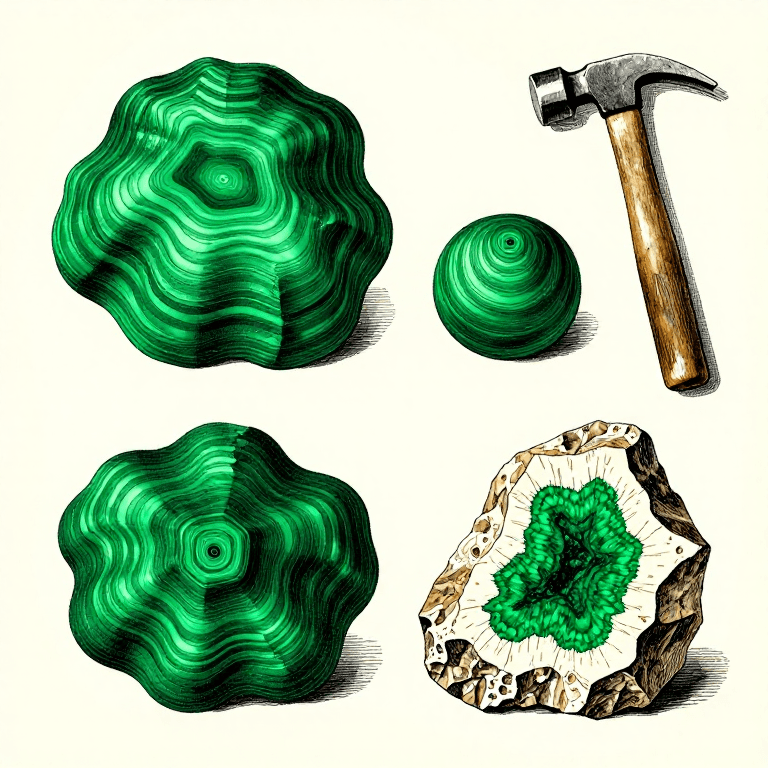
Identifying and Collecting Malachite — Copper Carbonate Ore from the Earth
Peter tarafından
Metal işleme
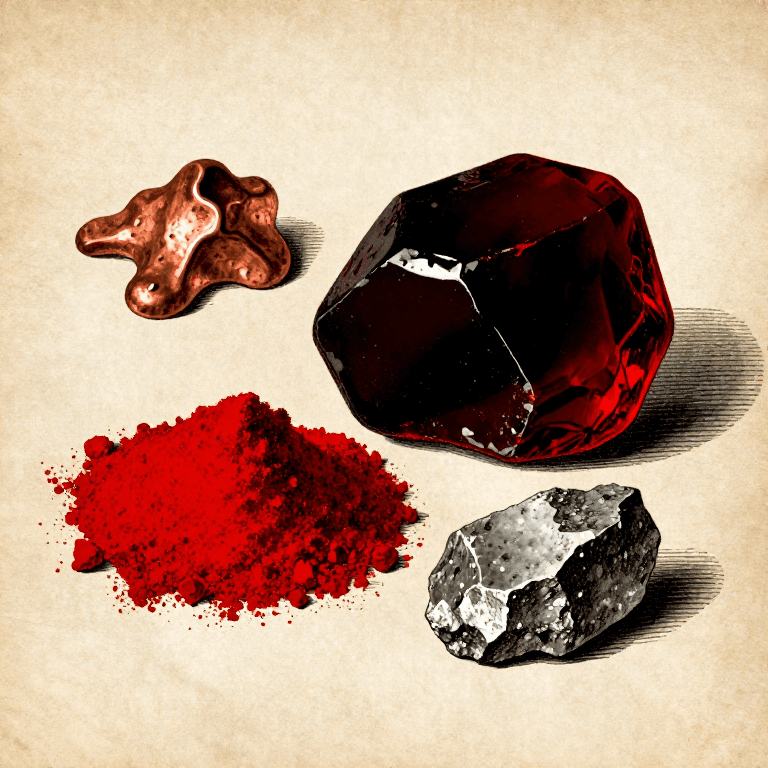
Recovering Selenium from Copper Refinery Anode Slime — The Photoconductor That Sees Light
Peter tarafından
madencilik
Making Malachite Green Pigment — Grinding the Copper Mineral into Painter's Green
Charlie tarafından
SANAT
Bu planla yapılan

İlgili Blueprint'ler
Bu blueprint'ler bilgi paylaşır — teknikler, malzemeler veya ilkeler
CC0 Kamu Malı
Bu plan CC0 lisansıyla yayınlanmıştır. İzin almadan kopyalayabilir, değiştirebilir, dağıtabilir ve herhangi bir amaçla kullanabilirsiniz.
Planı üzerinden ürün satın alarak Maker'ı destekleyin, böylece Maker Komisyonu Satıcılar tarafından belirlenen komisyonu kazanırlar veya bu Planın yeni bir versiyonunu oluşturun ve gelir paylaşımı için kendi Planınıza bağlantı olarak ekleyin.