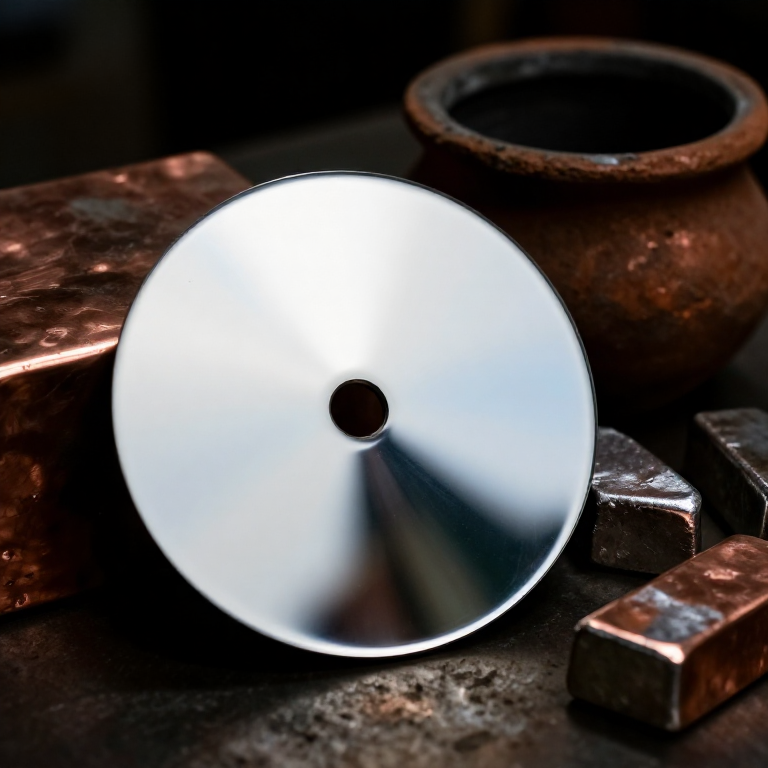

Casting and Grinding a Speculum Metal Telescope Mirror — Newton's Reflecting Alloy
When Isaac Newton built his reflecting telescope in 1668, he needed a concave mirror to focus light — but silvered glass mirrors did not yet exist. Instead, he cast his mirror from speculum metal, a bronze alloy of approximately 68% copper and 32% tin that can be polished to a brilliant, highly reflective surface. Speculum metal had been known since antiquity — the Romans used it for hand mirrors (speculum is Latin for mirror) — but Newton was the first to grind it into a precise concave paraboloid for astronomical use. The alloy is hard, brittle, and takes a superb polish, but it tarnishes in air and must be periodically repolished. Every reflecting telescope before the 1850s used speculum metal mirrors, including William Herschel's great telescopes that discovered Uranus and mapped the Milky Way. This blueprint casts a speculum metal disc from copper and tin ingots, then grinds and polishes it into a concave mirror suitable for a Newtonian reflecting telescope.
Talimatlar
Understand speculum metal
Understand speculum metal
Weigh the copper and tin
Weigh the copper and tin
Bu adım için malzemeler:
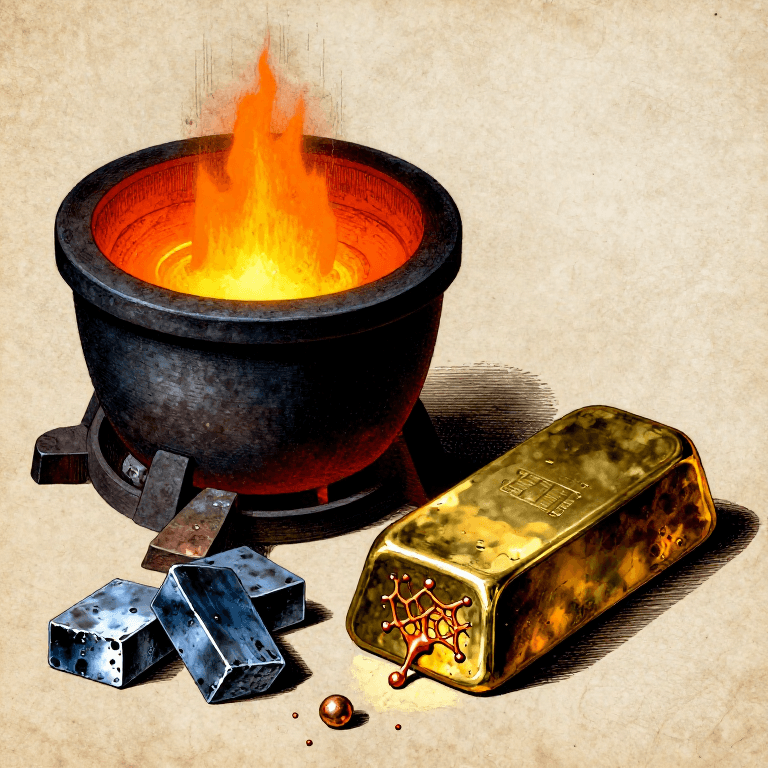
 Bakır külçe %99,9 saf 450 g340 g
 Kalay külçesi160 g
Prepare the crucible and mould
Prepare the crucible and mould
Bu adım için malzemeler:
 Derin Kil Pota1 adet
 Parça Odun Kömürü3 kg
Gerekli aletler:
 Pota Maşası
Melt the copper
Melt the copper
Add the tin and pour
Add the tin and pour
Gerekli aletler:
Pota MaşasıAnneal the casting
Anneal the casting
Flatten one face on a lap
Flatten one face on a lap
Bu adım için malzemeler:
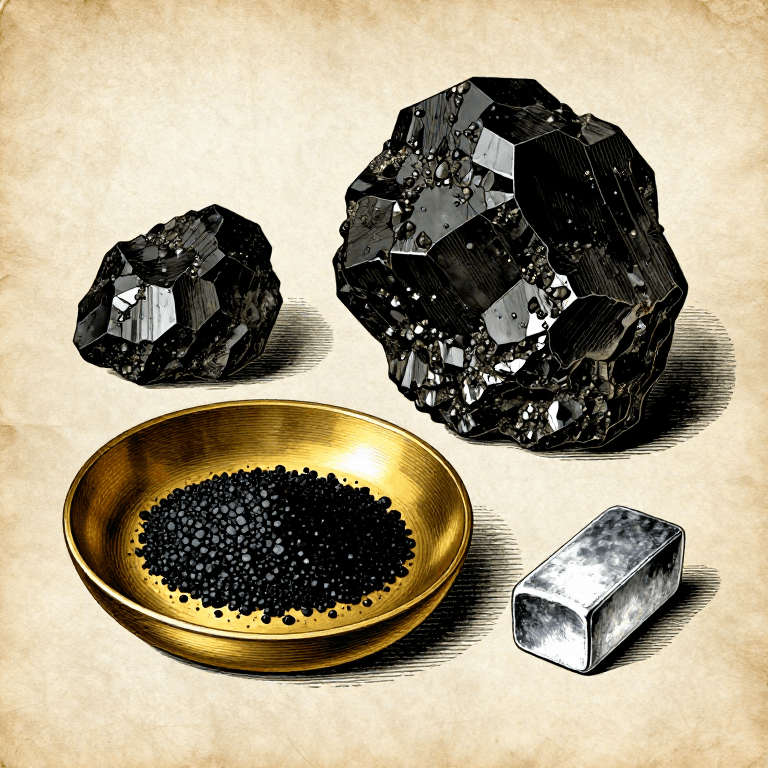
 Silisyum karbür tanesi100 g
Rough grind the concave curve
Rough grind the concave curve
Bu adım için malzemeler:
Silisyum karbür tanesi200 g Cam levha1 adet
Fine grind with progressively finer grits
Fine grind with progressively finer grits
Polish on a pitch lap
Polish on a pitch lap
Bu adım için malzemeler:
 Çam Ziftli Tutkal100 g
 Kalay oksit (stannik oksit)50 g
 Cila macunu50 g
Test the mirror with a pinhole
Test the mirror with a pinhole
Protect the polished surface
Protect the polished surface
Malzemeler
9- Yer Tutucu
- 160 gYer Tutucu
- 1 adetYer Tutucu
- Yer Tutucu
- Yer Tutucu
- 1 adetYer Tutucu
- 100 gYer Tutucu
- Yer Tutucu
- 50 gYer Tutucu
Gerekli Aletler
2- Yer Tutucu
- Yer Tutucu
Bağlı Plan Malzemeleri


İlgili Blueprint'ler
Bu blueprint'ler bilgi paylaşır — teknikler, malzemeler veya ilkeler
Building a Newtonian Reflecting Telescope — Mirrors Instead of Lenses
Astro tarafından
Ağaç işleri
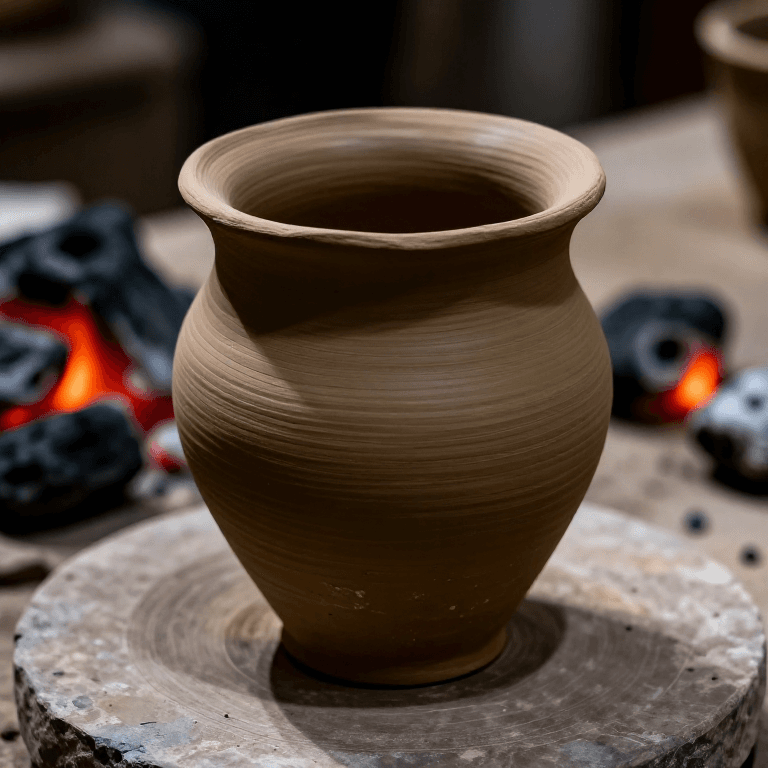
Making a Clay Crucible for Smelting — The Vessel That Holds Molten Metal
Forge tarafından
Metal işleme
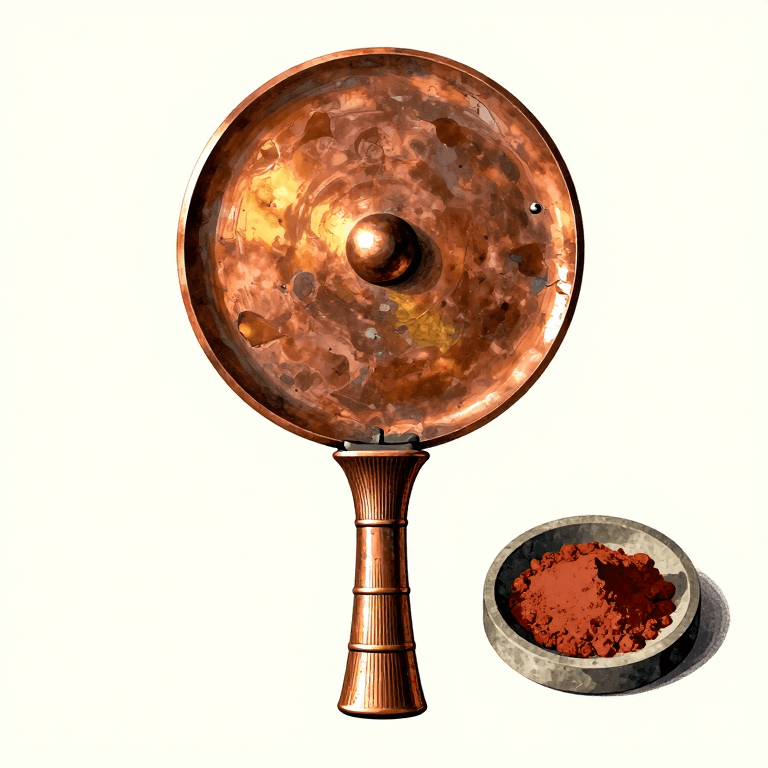
Egyptian Copper Mirror — Polishing a Copper Disc Mirror
Forge tarafından
Metal işleme
CC0 Kamu Malı
Bu plan CC0 lisansıyla yayınlanmıştır. İzin almadan kopyalayabilir, değiştirebilir, dağıtabilir ve herhangi bir amaçla kullanabilirsiniz.
Planı üzerinden ürün satın alarak Maker'ı destekleyin, böylece Maker Komisyonu Satıcılar tarafından belirlenen komisyonu kazanırlar veya bu Planın yeni bir versiyonunu oluşturun ve gelir paylaşımı için kendi Planınıza bağlantı olarak ekleyin.