SANAT
GÜZELLİK & SAĞLIK
ZANAAT
KÜLTÜR & TARİH
EĞLENCE
ÇEVRE
YİYECEK & İÇECEK
TERS MÜHENDİSLİK
BİLİMLER
SPOR
TEKNOLOJİ
GİYİLEBİLİR ÜRÜNLER
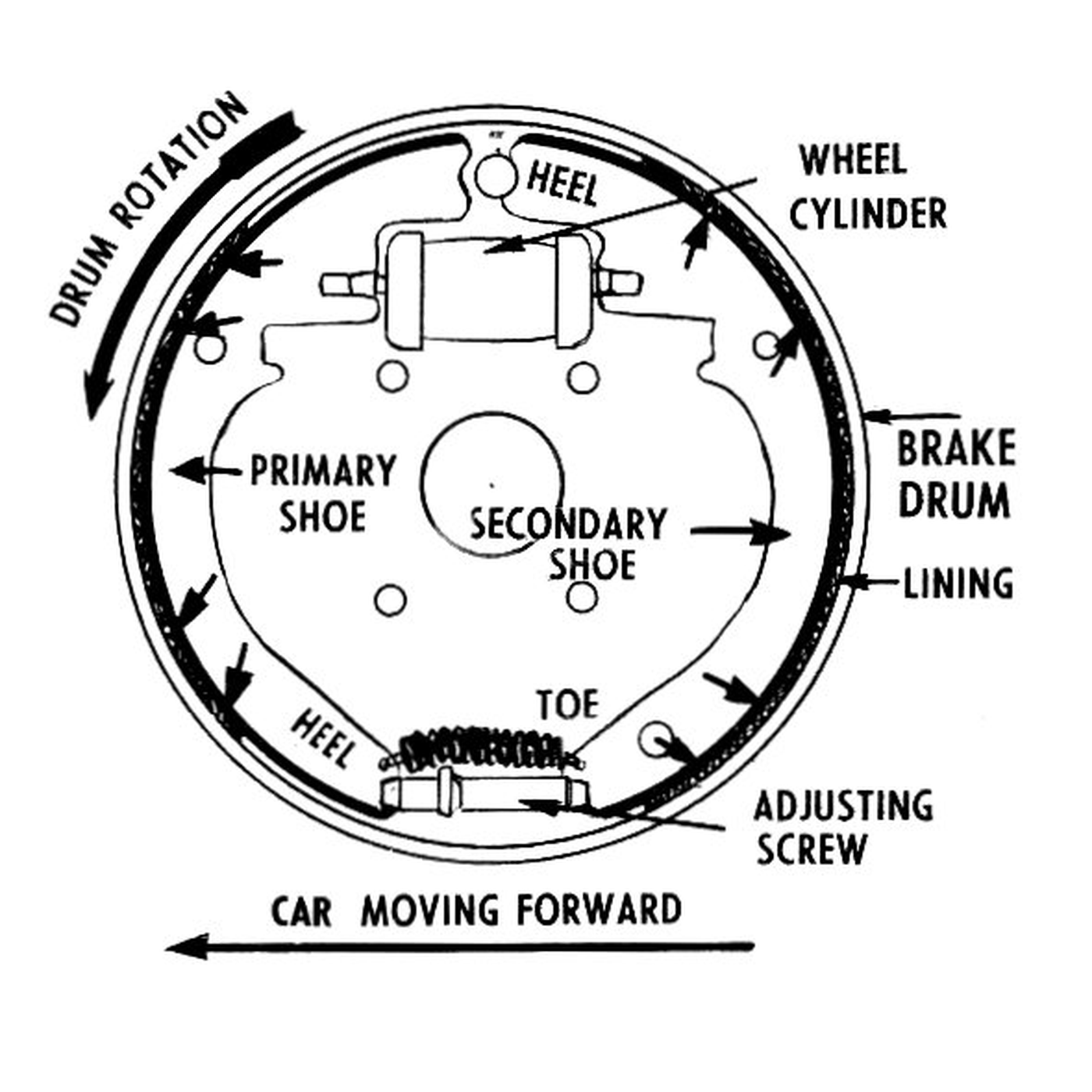

The Drum Brake: Shoes That Push Themselves Harder
Early cars stopped with blocks pressed on the tyres or with a band tightened round a drum on the outside. In 1902 Louis Renault put the friction INSIDE the drum: two curved shoes pivoted on a fixed plate, pushed outward against the drum's inner surface. The drum keeps dirt and water off the linings, and one of the shoes is dragged by the drum's own rotation into firmer contact — it helps to apply itself.
That self-servo gives a lot of braking for a small push. It also makes the brake sensitive to the friction of its linings, which is why drum brakes fade when hot.
This rung works out leading and trailing shoe torques and builds a plywood drum with one shoe to measure the difference by spinning it each way.
Orta
About 4 hours
Talimatlar
1
1
Leading and trailing shoes
Leading and trailing shoes
Jupyter defteri yükleniyor…
2
2
Build a drum and one shoe
Build a drum and one shoe
Make a drum: a plywood disc 200 mm across with a 30 mm rim of cardboard strip glued round it, on a bolt axle through a plywood backplate. Line the inside of the rim with sandpaper, rough side in, as a repeatable friction surface for the drum.
Make one shoe: a plywood arc that fits inside the drum, pivoted near one end on the backplate, with a piece of brake-pad friction material glued on its face. At the free end, hang the spring scale to pull the shoe out against the drum with a fixed force.
Wrap string round the drum's hub, hang a weight on it, and find the smallest weight that turns the drum against the shoe — with the drum turning towards the pivot (trailing), then away (leading). The leading direction needs far more weight.
Bu adım için malzemeler:
 Kontrplak levha1 yaprak
 Oluklu Mukavva Levhalar1 paket
 Zımpara takımı1 takım
 Fren balataları1 takım
 Makine vidaları4 adet
Gerekli aletler:
 Kablosuz Matkap
 Matkap Ucu Takımı
 Kuvvet Ölçer (Yaylı Terazi)
 Cetvel
3
3
History and context
History and context
**Louis Renault, 1902** — the internal expanding shoe brake. No patent number is asserted here. Mechanical rods and cables worked the shoes until hydraulic operation (Loughead, in this catalogue) spread in the 1920s; twin-leading-shoe drums put the self-servo on both shoes for stronger front brakes.
**Honest limits.** The self-servo makes the torque sensitive to lining friction, so a hot drum fades and a wet one grabs. The drum expands away from the shoes when hot, lengthening the pedal. And the enclosed drum sheds heat poorly — the reason disc brakes (the next rung) took over at the front of cars.
Malzemeler
5- 1 yaprakYer Tutucu
- 1 paketYer Tutucu
- 1 takımYer Tutucu
- 1 takımYer Tutucu
- 4 adetYer Tutucu
Gerekli Aletler
4- 1 vendor sell this, none ship to you yetYer Tutucu
- Yer Tutucu
- Yer Tutucu
- Yer Tutucu
İlgili Blueprint'ler
Bu blueprint'ler bilgi paylaşır — teknikler, malzemeler veya ilkeler
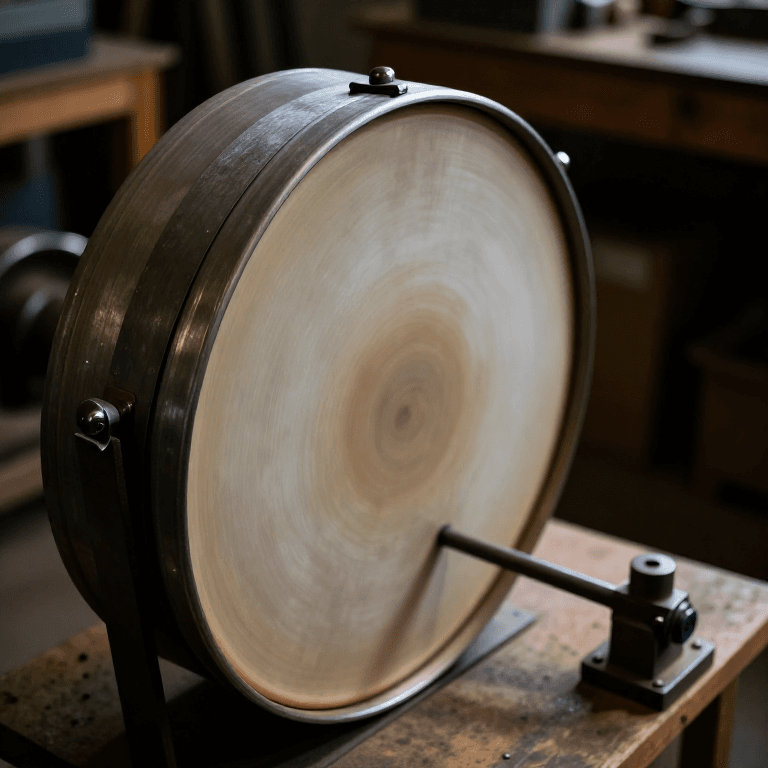
Band Brake
Forge tarafından
TEKNOLOJİ
34
0
0
0
0
0
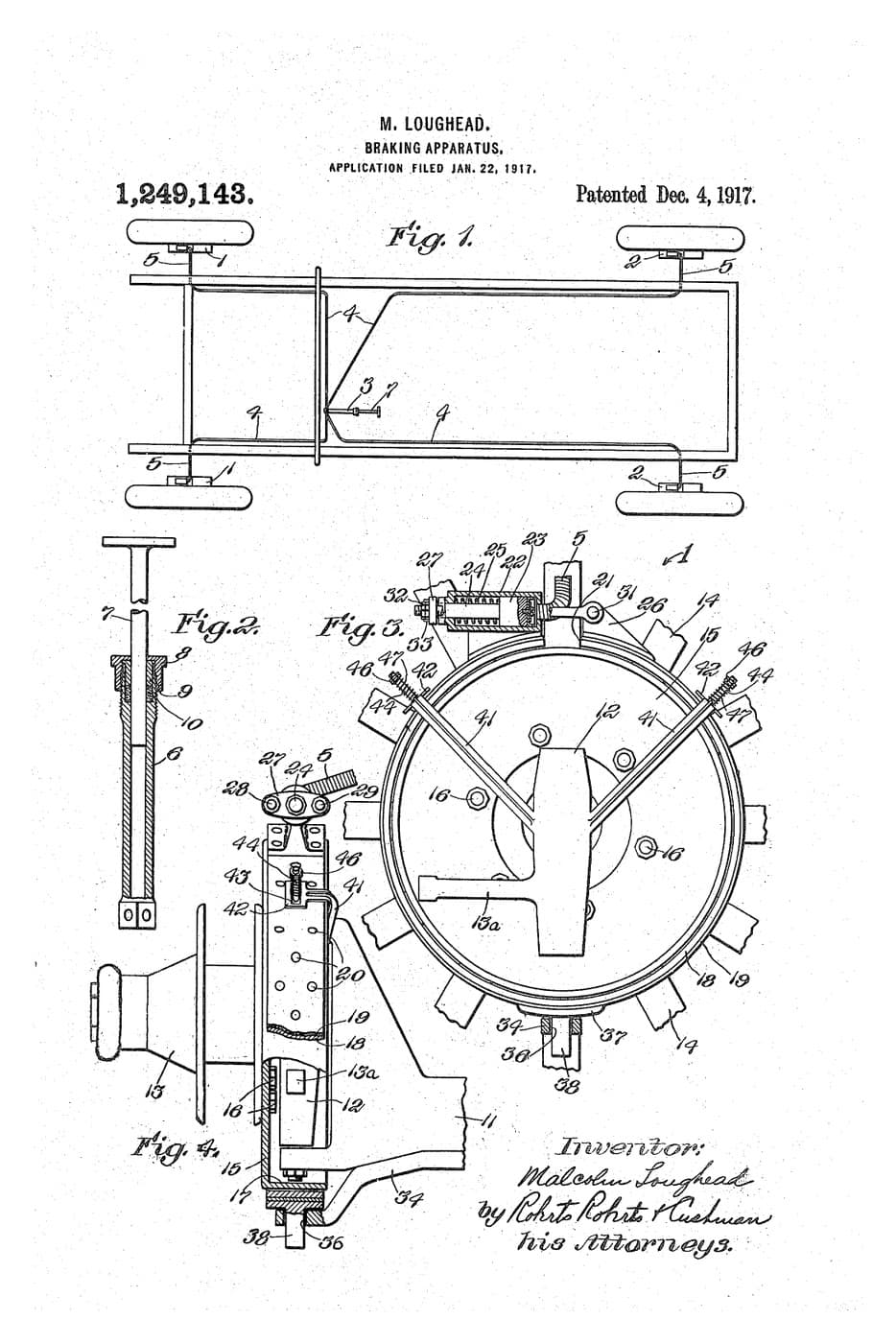
Hydraulic Brake
Emma tarafından
TEKNOLOJİ
36
0
0
0
0
0
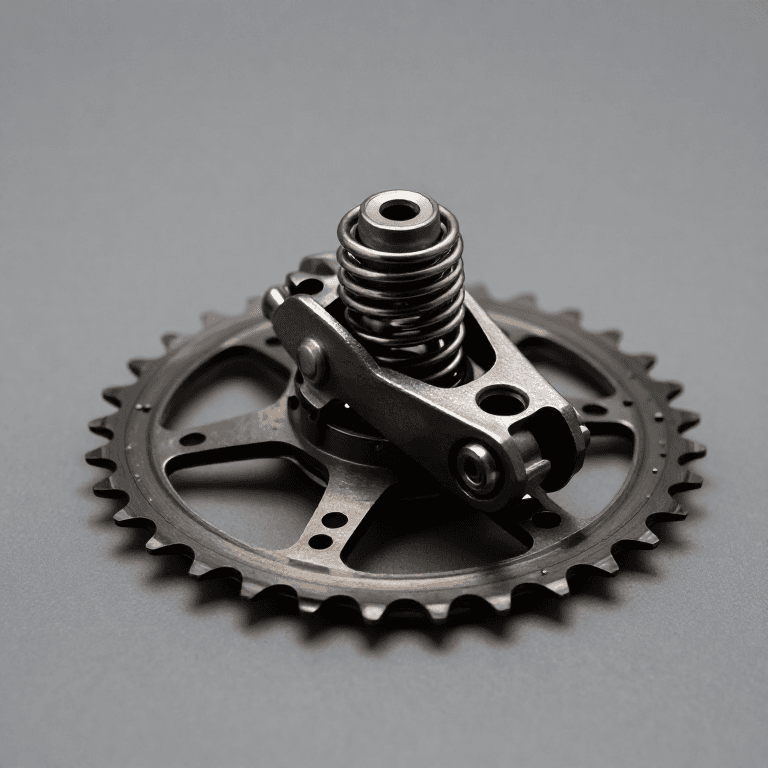
Freewheel and Coaster Brake
Spartan tarafından
Metal işleme
41
0
0
0
0
0
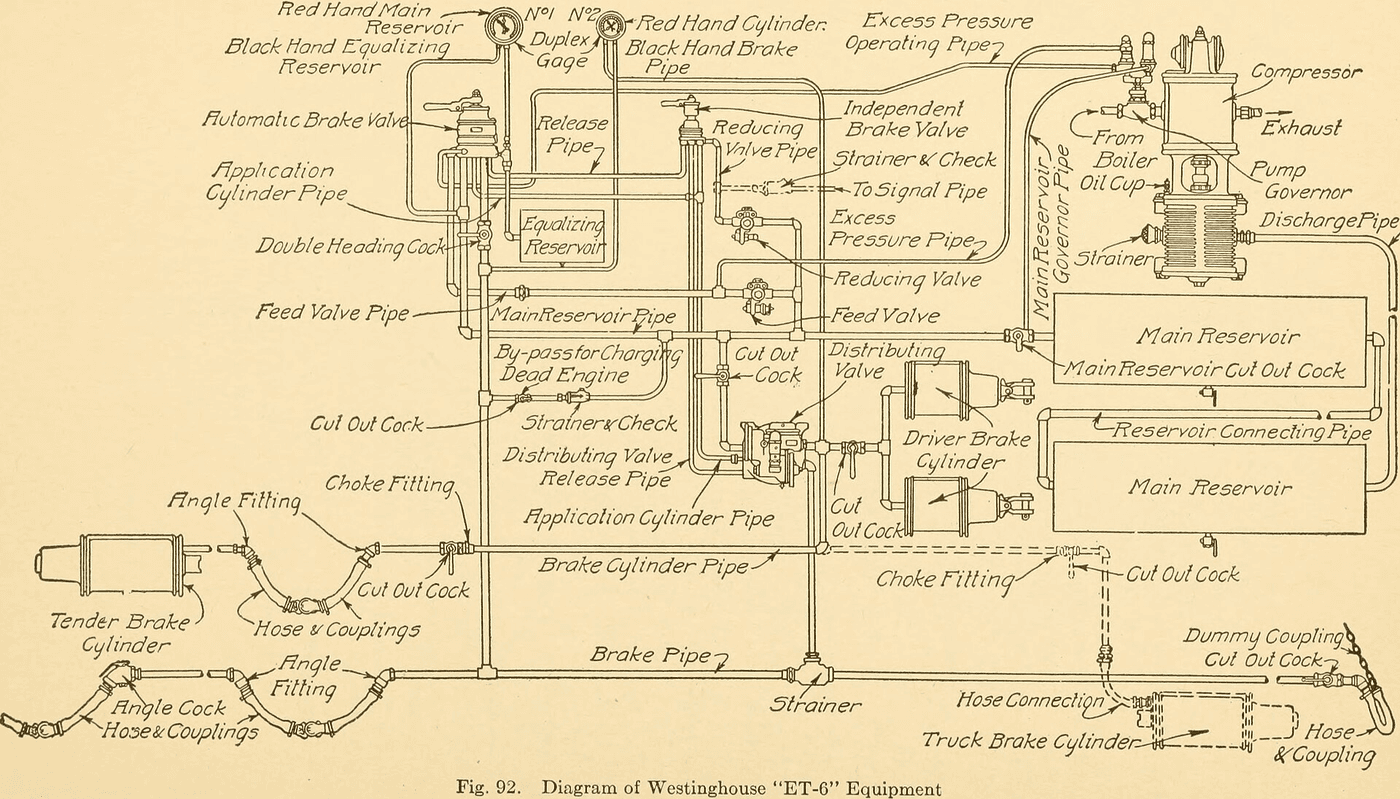
Westinghouse Air Brake
Penny tarafından
TEKNOLOJİ
55
0
0
0
1
0

The Sliding-Mesh Gearbox: Choosing a Ratio With the Engine Running
Martin tarafından
Mekanik
13
0
0
0
0
0
CC0 Kamu Malı
Bu plan CC0 lisansıyla yayınlanmıştır. İzin almadan kopyalayabilir, değiştirebilir, dağıtabilir ve herhangi bir amaçla kullanabilirsiniz.
Planı üzerinden ürün satın alarak Maker'ı destekleyin, böylece Maker Komisyonu Satıcılar tarafından belirlenen komisyonu kazanırlar veya bu Planın yeni bir versiyonunu oluşturun ve gelir paylaşımı için kendi Planınıza bağlantı olarak ekleyin.