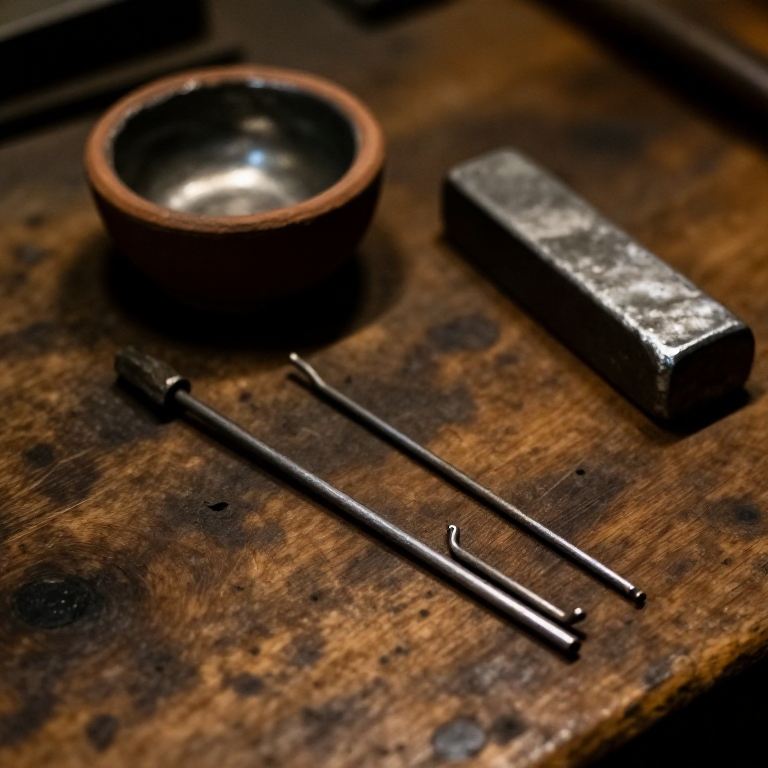


Making Tin-Lead Solder — The Ancient Alloy That Joins Metals Without a Forge
Solder is a low-melting-point alloy — traditionally tin and lead — used to join metals together without heating them to their own melting points. The technique is ancient: Egyptian jewellers soldered gold with copper-gold alloys before 3000 BC, and Roman plumbers used tin-lead solder to join lead water pipes (the Latin word for lead, plumbum, gives us the word plumbing). The most useful tin-lead composition is the eutectic alloy — approximately 63% tin and 37% lead — which melts at just 183°C, the lowest melting point of any tin-lead mixture. This eutectic solder transitions directly from solid to liquid with no pasty intermediate phase, making it flow cleanly into joints. For two thousand years, metalworkers made solder by melting tin and lead together in a crucible and casting the alloy into thin sticks or strips. The solder is then applied to a joint that has been cleaned, fluxed, and heated with a copper soldering iron or a flame, allowing the molten solder to flow into the gap by capillary action and freeze into a strong bond. This blueprint makes tin-lead solder from raw tin and lead ingots.
Tehlikeli içerik
Bu blueprint tehlikeli prosedürler içermektedir. Adım adım talimatları görmek için giriş yapın ve hesap ayarlarınızda tehlikeli içeriği etkinleştirin.
Giriş yapınİlgili Blueprint'ler
Bu blueprint'ler bilgi paylaşır — teknikler, malzemeler veya ilkeler
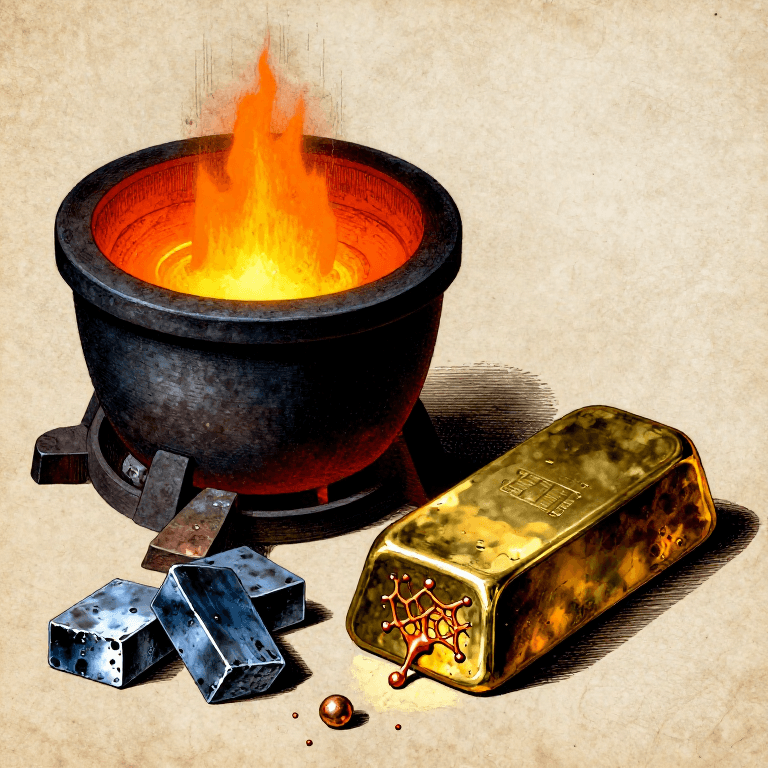
Alloying Brass from Copper and Zinc — The Golden Metal That Is Neither Gold Nor Bronze
Mary tarafından
Metal işleme
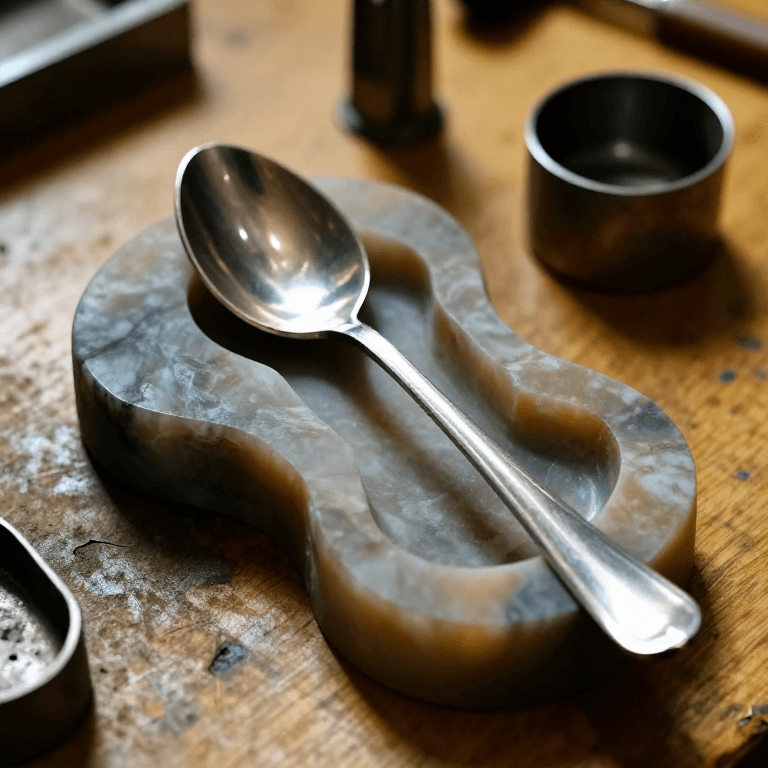
Casting a Pewter Spoon in a Soapstone Mould — Low-Temperature Metal Casting
Forge tarafından
Metal işleme

Making a Clay Crucible for Smelting — The Vessel That Holds Molten Metal
Forge tarafından
Metal işleme
CC0 Kamu Malı
Bu plan CC0 lisansıyla yayınlanmıştır. İzin almadan kopyalayabilir, değiştirebilir, dağıtabilir ve herhangi bir amaçla kullanabilirsiniz.
Planı üzerinden ürün satın alarak Maker'ı destekleyin, böylece Maker Komisyonu Satıcılar tarafından belirlenen komisyonu kazanırlar veya bu Planın yeni bir versiyonunu oluşturun ve gelir paylaşımı için kendi Planınıza bağlantı olarak ekleyin.