SANAT
GÜZELLİK & SAĞLIK
ZANAAT
KÜLTÜR & TARİH
EĞLENCE
ÇEVRE
YİYECEK & İÇECEK
TERS MÜHENDİSLİK
BİLİMLER
SPOR
TEKNOLOJİ
GİYİLEBİLİR ÜRÜNLER
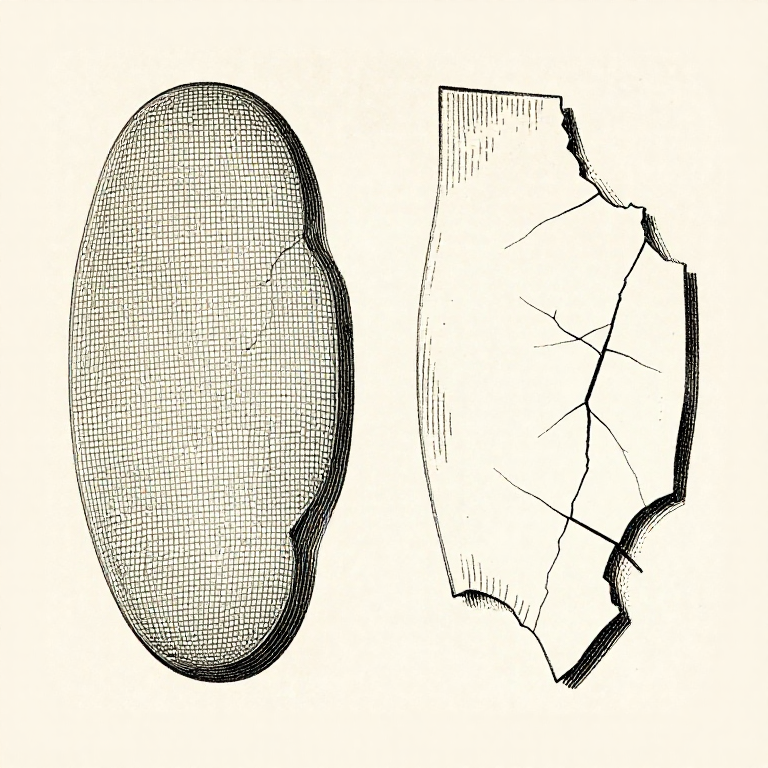


Why Paintings Fail: Cracking, Yellowing, Blooming and Flaking
Paintings fail in a small number of recognisable ways, and each one names its cause. A fine even net of cracks is a different fault from a few wide open ones, and both are different from paint lifting off in flakes.
That makes failure diagnostic, exactly as a broken bearing or a crazed glaze is. Looking carefully at how something failed tells you which decision, often made years earlier, caused it.
And nearly every one traces back to a rung in this batch: layers that did not match, a ground that was wrong for the support, a varnish applied too soon, or a pigment that was never going to last.
İleri
3 hours
Talimatlar
1
1
Two kinds of crack, two different causes
Two kinds of crack, two different causes
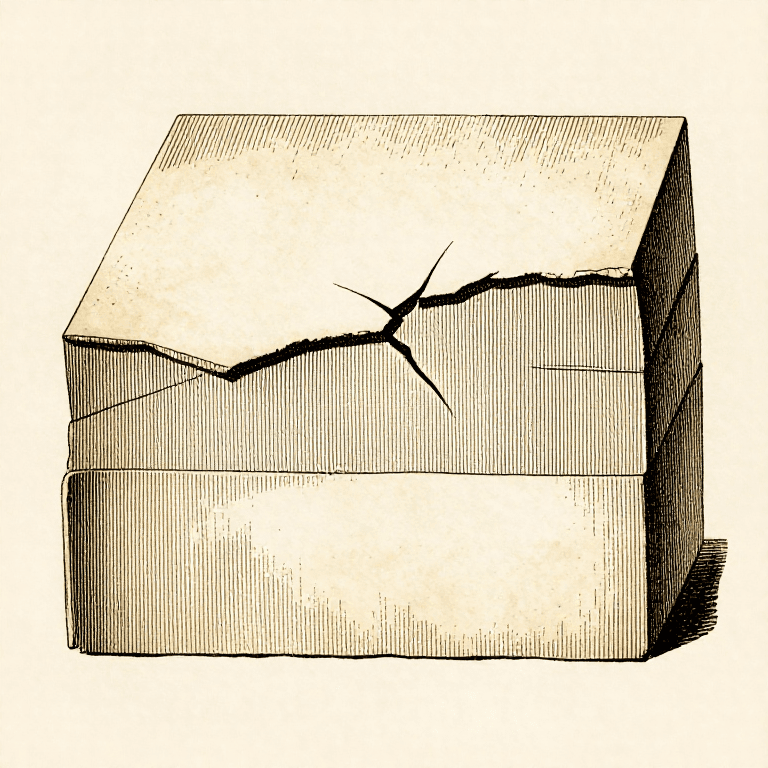
DRYING CRACKS are wide, open, irregular, and appear within months to a few years. They are caused by a layer drying and shrinking over one that was still moving — the fat-over-lean violation, or a drier-loaded upper layer.
AGE CRACKS are fine, follow a regular net, and take decades. They come from the support moving with humidity and temperature while the paint film has slowly become less flexible. They are largely inevitable and largely harmless.
So the width and the age of a crack together tell you which you have. Wide cracks in a young painting are a recipe fault; a fine net in an old one is the material behaving as materials do.
Gerekli aletler:
 Büyüteç Lupu
2
2
Yellowing: the oil, the varnish, or the dark
Yellowing: the oil, the varnish, or the dark
Linseed oil yellows as it ages, and it yellows MORE in the dark. A painting kept in a cupboard for a decade comes out noticeably warmer, and much of that reverses after some weeks in daylight — which is a genuinely useful fact.
Varnish yellowing is separate and does not reverse. An old dammar layer can be distinctly brown, and removing it can transform a painting — which is what cleaning does, and why the results are sometimes controversial.
Choosing a less yellowing oil helps: walnut and poppy oil yellow less than linseed, at the cost of drying slower and forming a weaker film. Using them for whites and blues only is a traditional compromise that follows directly from that trade.
Bu adım için malzemeler:
 Bezir Yağı1 adet
Gerekli aletler:
Büyüteç Lupu3
3
Flaking, cupping and bloom
Flaking, cupping and bloom
FLAKING is adhesion failure between layers — the ground and the support, or two paint layers. It means two materials that did not bond or that move at very different rates, and acrylic over oil is the textbook case.
CUPPING is paint islands curling up at their edges between cracks, which happens when a strong film sits on a support that has shrunk. It is a support problem presenting as a paint problem.
BLOOM is a milky haze in the varnish from moisture trapped during application. It is the only common fault that is often fixable: gentle warmth, or re-forming the varnish with a little solvent vapour, frequently clears it — which is worth knowing before anyone reaches for anything more drastic.
Gerekli aletler:
Büyüteç Lupu Ressam fırçası seti
4
4
Build it to survive, and write down how
Build it to survive, and write down how
The whole batch reduces to four decisions, all made before any paint is applied. A rigid support or a flexible one, matched to a ground that suits it. Lightfast pigments. Each layer fatter and slower than the one below. A varnish applied late and removable.
None of those cost money or time at the moment of deciding, and all of them are nearly impossible to correct afterwards. That is the same shape as wood movement, glaze fit and print orientation — the decisions that matter are early and cheap, and the failures are late and expensive.
So write it on the back. What it is painted on, what with, and when — so that the next person to look at it closely, whether that is a conservator or you in thirty years, is reading a record rather than guessing from the damage.
Bu adım için malzemeler:
 Ressam tuvali (gerilmiş)1 adet
Gerekli aletler:
Büyüteç Lupu Cetvel
Malzemeler
2- 1 adetYer Tutucu
- 1 adetYer Tutucu
İlgili Blueprint'ler
Bu blueprint'ler bilgi paylaşır — teknikler, malzemeler veya ilkeler
CC0 Kamu Malı
Bu plan CC0 lisansıyla yayınlanmıştır. İzin almadan kopyalayabilir, değiştirebilir, dağıtabilir ve herhangi bir amaçla kullanabilirsiniz.
Planı üzerinden ürün satın alarak Maker'ı destekleyin, böylece Maker Komisyonu Satıcılar tarafından belirlenen komisyonu kazanırlar veya bu Planın yeni bir versiyonunu oluşturun ve gelir paylaşımı için kendi Planınıza bağlantı olarak ekleyin.