
Casting Bronze with the Lost-Wax Method — Cire Perdue
Інструкції
Create the Wax Model
Create the Wax Model
Sculpt the desired object in beeswax. Warm the wax to make it pliable — body heat or gentle warming near a fire is sufficient. For solid castings (small figurines, tools, jewellery), model the entire form in solid wax. For larger, hollow castings (vessels, large statues), first form a clay core in the approximate internal shape, allow it to dry, then apply a layer of wax over the core to the desired wall thickness. Add wax rods (sprues) to the model to create channels through which the bronze will flow in and air will escape. Position the sprues at the highest and thickest points of the model.
Build the Mould
Build the Mould
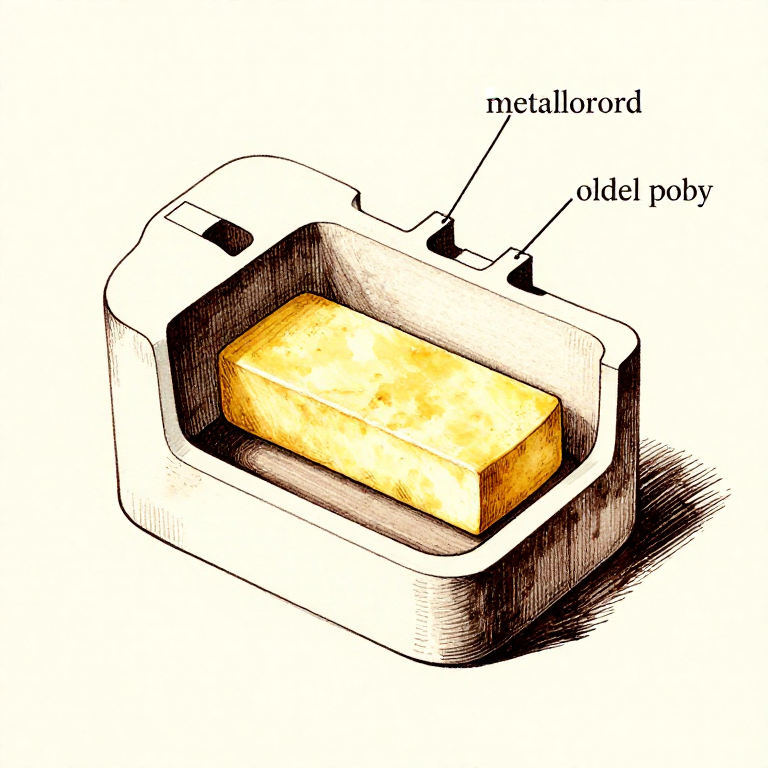
Coat the wax model in successive layers of clay. The first layer (the investment or prime coat) must be very fine-grained clay mixed with water to a creamy consistency — this layer captures every detail of the wax surface. Apply it carefully, ensuring no air bubbles are trapped. Allow each coat to dry before applying the next. Build up the outer layers with progressively coarser clay mixed with sand and chopped straw for thermal shock resistance, to a total thickness of 2-4 cm. Leave the sprue channels open at the top. Allow the mould to dry completely — any trapped moisture will flash to steam during casting and destroy the mould.
Матеріали для цього кроку:
 Гранули бджолиного воскуenough to model the object штука
 Природна глинаseveral kg штука
 Бронзовий круглий прутокenough to fill the mould штука
 Деревне вугілля, подрібнене5-10 kg кг
Burn Out the Wax
Burn Out the Wax
Place the dried mould upside down in a fire or kiln and heat it gradually to approximately 500-700 degrees C. The wax melts and drains out through the sprue openings (hence 'lost wax'), leaving a precise negative cavity between the clay core and the outer mould wall. At higher temperatures, any remaining wax residue burns away completely. The heating also fires the clay mould into a hard ceramic that can withstand the thermal shock of receiving molten bronze. After firing, inspect the sprue openings for blockages and clear them with a thin wire or reed.
Melt and Pour the Bronze
Melt and Pour the Bronze
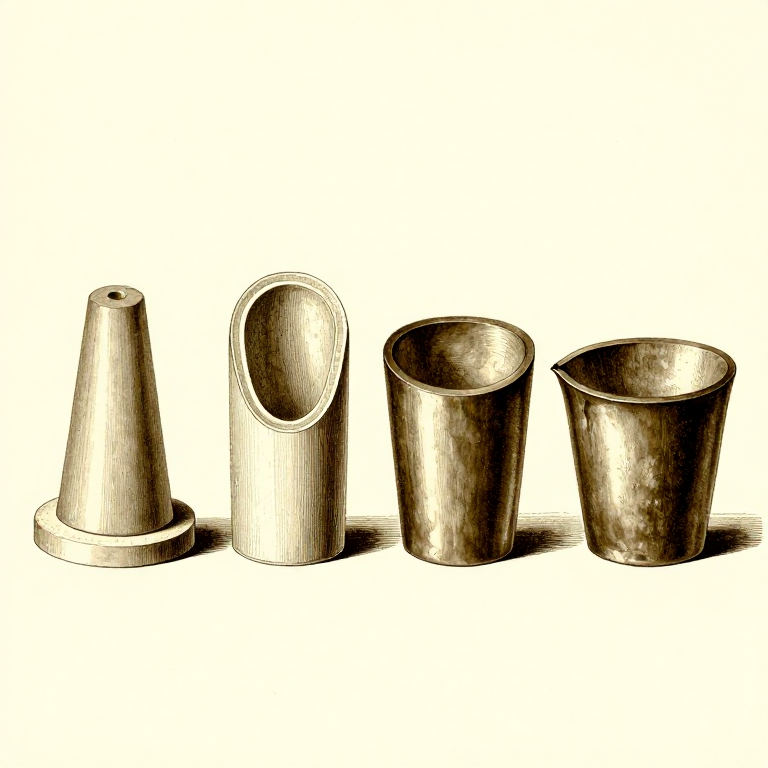
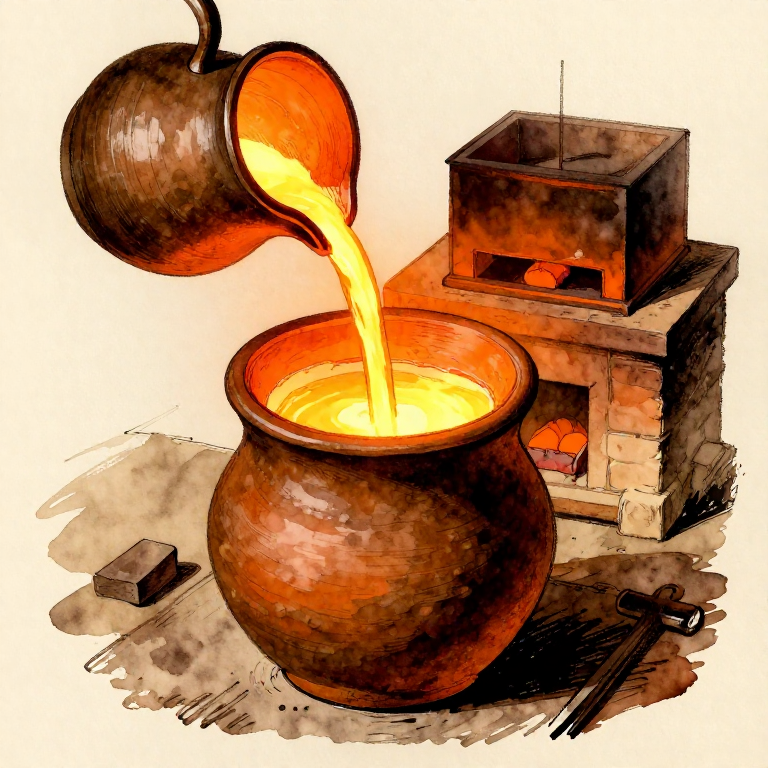
Melt the bronze alloy (typically 90 percent copper, 10 percent tin) in a clay crucible using a charcoal-fired furnace with forced air from bellows. Bronze melts at approximately 950 degrees C — lower than pure copper due to the tin content. The molten bronze should be a bright orange-red liquid. Pre-heat the mould by placing it near the furnace to prevent thermal shock cracking when the hot metal enters. When the bronze is fully liquid, remove the crucible with tongs and pour the metal steadily into the sprue opening. Pour in a single, continuous stream — interrupted pours create cold joints where the metal does not fuse properly.
Break the Mould and Finish
Break the Mould and Finish
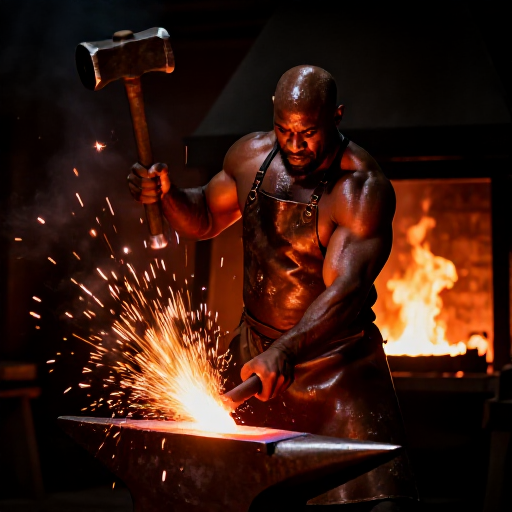
Allow the mould to cool completely — this takes several hours for thick castings. Break away the outer clay mould with a hammer to reveal the bronze casting inside. Remove the inner clay core by breaking it up and pulling the fragments out through any openings. Cut off the sprue channels with a bronze saw or chisel. File, grind, and polish the surface to remove mould lines, sprue stubs, and any casting defects. Small holes (porosity) can be filled by hammering in small pieces of bronze. The finished casting reproduces every surface detail of the original wax model with remarkable fidelity — lost-wax casting remains the preferred method for fine art bronzes to this day.
Матеріали
7- enough to model the object штукаЗаповнювач
- several kg штукаЗаповнювач
- enough to fill the mould штукаЗаповнювач
- 5-10 kg кгЗаповнювач
- enough to model the object штукаЗаповнювач
- several kg штукаЗаповнювач
- several kg штукаЗаповнювач
Необхідні інструменти
5- Заповнювач
- Заповнювач
- Заповнювач
- Заповнювач
- Заповнювач
CC0 Суспільне надбання
Це креслення випущено під ліцензією CC0. Ви можете вільно копіювати, змінювати, поширювати та використовувати цю роботу для будь-яких цілей без запиту дозволу.
Підтримайте мейкера, купуючи продукти через його креслення, де він отримує Комісію мейкера встановлену вендорами, або створіть нову ітерацію цього креслення та включіть його як зв'язок у власне креслення для розподілу доходу.