Співпраця
МИСТЕЦТВО
КРАСА ТА ЗДОРОВ'Я
РЕМЕСЛО
КУЛЬТУРА ТА ІСТОРІЯ
РОЗВАГИ
СЕРЕДОВИЩЕ
ЇЖА ТА НАПІЇ
ЗБОРНА ІНЖЕНЕРІЯ
НАУК
СПОРТ
ТЕХНОЛОГІЯ
НОСИМО
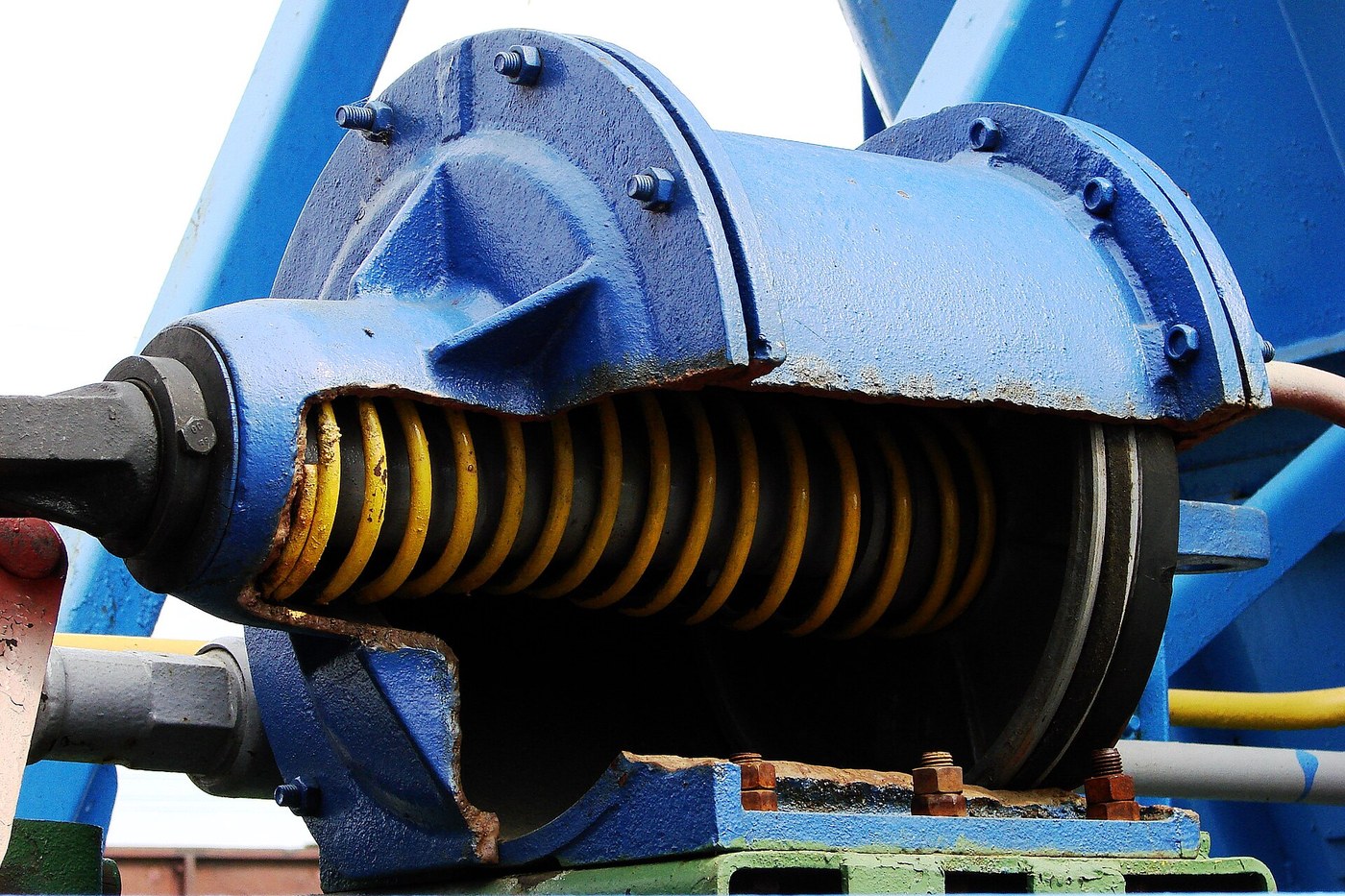


Brake Cylinder: Piston with Packing Leather, Expander Ring and Release Spring (Westinghouse Air Brake Co., 1901)
The air cylinder that puts on a railway car's brakes. Air let into the pressure end drives the piston out, and its push rod works the brake levers. When the air is let out, a release spring pushes the piston back. A cup of leather, held against the wall by a spring ring, stops the air from leaking past the piston.
Result: a brake cylinder. In the book's driver-brake example, an 8-inch cylinder fully applied puts 2,500 pounds on its piston.
Source: Westinghouse Air Brake Company, Air Brake Instruction Book (1901), pp. 55-57 and 97. Unknown: every size except the 8-inch bore, and the metal of every part except the leather; the book does not give them. Picture: Wikimedia Commons.
Просунутий
1 week
Інструкції
1
1
Bore the cylinder
Bore the cylinder
Make the cylinder with a pressure end and an open end closed by the non-pressure head. Cut a small groove along the wall, the leakage groove: a slight flow of air into the cylinder then escapes through it to the open end instead of pushing the piston out. Unknown: the metal and the sizes (the book's example is an 8-inch cylinder). Ours: bored on a lathe.
Матеріали для цього кроку:
 Невідомий метал1 as required
Необхідні інструменти ({count})
 Токарний верстат по металу
 Розточна оправка
 Набір токарних різців по дереву (HSS)
 Штангенциркуль
 Невідомі розміри
2
2
Make piston, follower and heads
Make piston, follower and heads
Turn the piston with its sleeve, into which the push rod from the brake levers fits, a follower plate, and the non-pressure head. Drill the piston for the studs that hold the follower. Unknown: metal and sizes. Ours: lathe and drill press.
Матеріали для цього кроку:
Невідомий метал1 as requiredНеобхідні інструменти ({count})
Токарний верстат по металуНабір токарних різців по дереву (HSS) Свердлильний верстатШтангенциркульНевідомі розміри
3
3
Fit the packing leather
Fit the packing leather
Clamp the packing leather to the piston under the follower plate with studs and nuts; its flange presses against the cylinder wall to keep the air from escaping past the piston. Put the round spring packing expander inside the flange to hold it against the wall. Keep the follower nuts tight. Ours: the leather cut to shape with a knife.
Матеріали для цього кроку:
 Вичинена шкіра1 as requiredНевідомий метал1 studs and expander ring
 Шестигранна гайка1 набір
Необхідні інструменти ({count})
 Будівельний ніж
 Розвідний ключНевідомі розміри
4
4
Assemble with the release spring
Assemble with the release spring
Slide the piston into the cylinder, put the release spring behind it and close the cylinder with the non-pressure head, so the spring forces the piston back to release whenever the air pressure is let out of the pressure end. The book's maintenance rule: a light grease in the cylinder, especially at the top and inside the packing leather where the expander rests.
Матеріали для цього кроку:
 Набір пружин стиску1 release spring
Необхідні інструменти ({count})
Розвідний ключНевідомі розміриМатеріали
4- 1 studs and expander ringЗаповнювач
- 1 as requiredЗаповнювач
- 1 набірЗаповнювач
- 1 release springЗаповнювач
Необхідні інструменти
8- Заповнювач
- Заповнювач
- Заповнювач
- Заповнювач
- Заповнювач
- Заповнювач
- Заповнювач
- Заповнювач
За цим кресленням виготовляють

CC0 Суспільне надбання
Це креслення випущено під ліцензією CC0. Ви можете вільно копіювати, змінювати, поширювати та використовувати цю роботу для будь-яких цілей без запиту дозволу.
Підтримайте мейкера, купуючи продукти через його креслення, де він отримує Комісію мейкера встановлену вендорами, або створіть нову ітерацію цього креслення та включіть його як зв'язок у власне креслення для розподілу доходу.