МИСТЕЦТВО
КРАСА ТА ЗДОРОВ'Я
РЕМЕСЛО
КУЛЬТУРА ТА ІСТОРІЯ
РОЗВАГИ
СЕРЕДОВИЩЕ
ЇЖА ТА НАПІЇ
ЗБОРНА ІНЖЕНЕРІЯ
НАУК
СПОРТ
ТЕХНОЛОГІЯ
НОСИМО
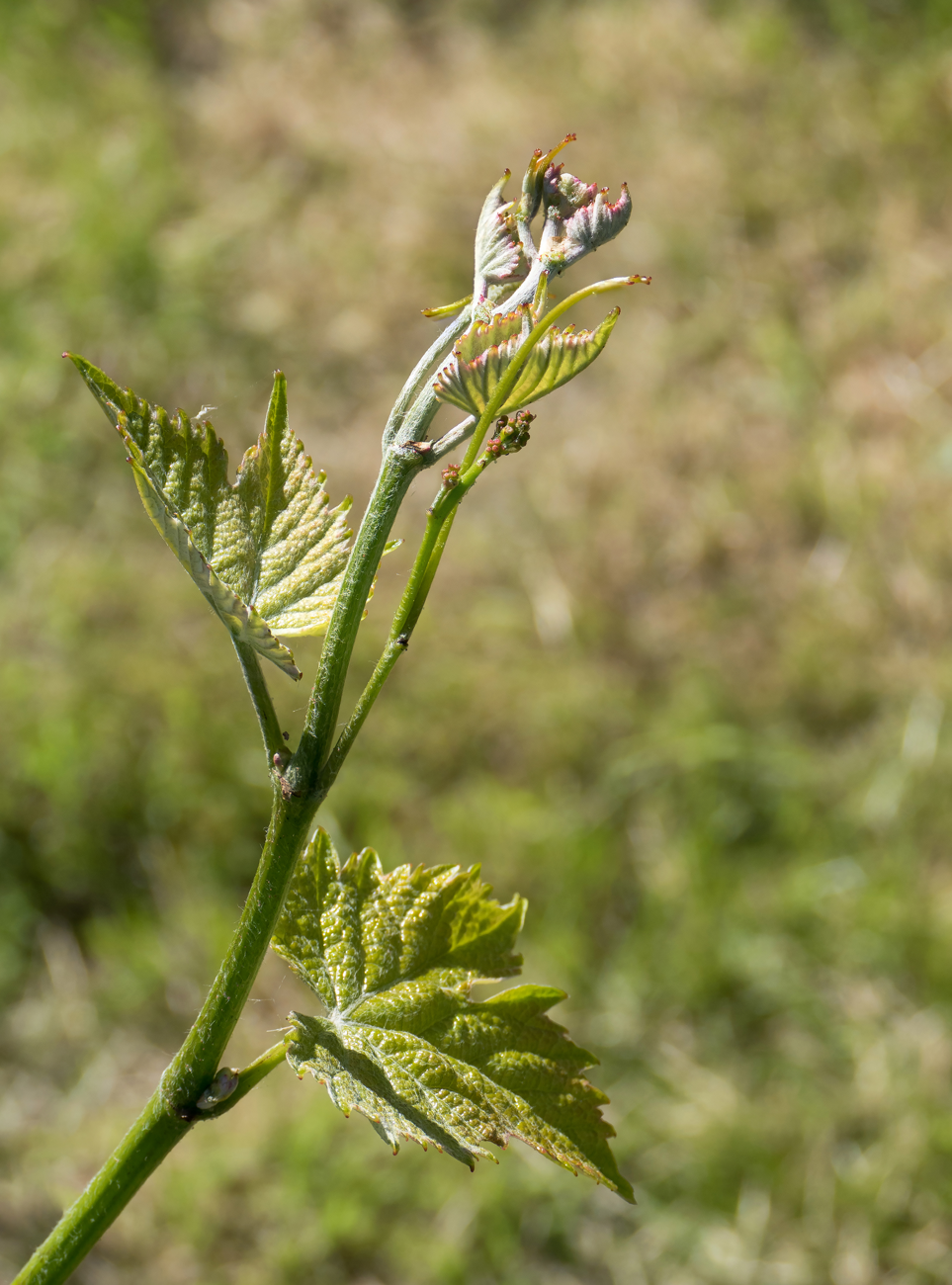
Wikimedia Commons contributor · CC0 1.0 (Public Domain Dedication)


Growing a Grapevine from a Cutting — Roots in a Jar of Water
The easy, reliable way to make a new grapevine: cut a healthy dormant length off an existing vine, stand it in a jar of water, and in a few weeks white roots appear — then pot it up. Every vine you grow this way is an exact clone of the parent, true to its variety and fruiting in a couple of years. A buildable school project in the hardwood cutting.
Початківець
About 3 weeks to root, then grow on
Інструкції
1
1
One vine, many vines
One vine, many vines
Grapevines are almost never grown from seed — seedlings are slow and don't come true. Instead you take a CUTTING from an existing vine, root it, and plant it. Because it is a piece of the parent, the new vine is an exact clone: same variety, same grapes, fruiting in about two to three years.
2
2
Take a dormant hardwood cutting
Take a dormant hardwood cutting
In winter, while the vine is bare and dormant, choose a healthy, firm, well-ripened cane from last summer's growth, about as thick as a pencil. Cut a length with 3-4 buds on it. Make the BOTTOM cut straight across, just below a bud; make the TOP cut on a slant, about 2 cm above the top bud. The flat-versus-slanted ends are how you remember which way is UP — a cutting planted upside-down will never grow.
Матеріали для цього кроку:
 Grape Vine1 vine
Необхідні інструменти ({count})
 Secateurs
3
3
Stand it in water to root
Stand it in water to root
Put the cutting in a jar with the bottom few centimetres in water, flat (bottom) end down, on a warm, bright windowsill out of scorching sun. Change the water every few days so it stays fresh. Over roughly two to three weeks (about 20 days) you'll see white roots pushing out from the base, and often a bud breaking into leaf up top.
Матеріали для цього кроку:
 Clean Glass Jars with Lids1 штука
4
4
Speed it with willow water (optional)
Speed it with willow water (optional)
Optional: soak chopped young willow twigs in the water, or dip the base in rooting hormone first. Willow is naturally rich in the rooting hormone (auxin) that tells the cut end to make roots — grapes root readily, but this nudges shy ones along.
Матеріали для цього кроку:
 Willow Withies (Flexible)1 пучок
5
5
Pot it up
Pot it up
Once it has a good handful of roots a few centimetres long, pot it into potting soil — don't leave it in water too long or the water-roots get brittle. Bury the lower buds, leave the top bud or two above the soil, water in and label the variety.
Матеріали для цього кроку:
 Potting Soil1 bag
 Adhesive Labels1 аркуш
6
6
Grow on and plant out
Grow on and plant out
Grow the young vine on in its pot in a bright spot, harden it off to outdoor conditions, then plant it in spring in a warm, sunny place with something to climb. Keep it watered its first year while the roots spread. It should give you its first bunches of grapes in two to three years.
7
7
Compendium — the hardwood cutting
Compendium — the hardwood cutting
The grapevine is the textbook HARDWOOD cutting — a length of dormant, woody, last-year's stem that roots so willingly you can do it in a jar of water. Its cells near the base, given warmth and moisture, switch on and grow brand-new ADVENTITIOUS roots from nowhere, while a bud up top breaks into a shoot, so one cut stick becomes a whole plant. Two details make grapes their own lesson. First, POLARITY: a stem cutting 'knows' which end is which, and roots will only form at the end that was lowest on the plant while shoots form at the top — plant it upside-down and it sulks and dies, which is exactly why you cut the bottom flat and the top on a slant, a simple code for which way is up. Second, WHY CLONE at all: grapes are highly variable from seed and slow to fruit, but a cutting is a genetic copy of the parent, so it keeps the variety perfectly true and fruits years sooner — the same reason we take cuttings of any prized woody plant. Grapes root from soft summer cuttings and, most reliably, from these dormant winter hardwood cuttings (which is convenient, since you cut plenty of suitable canes off every time you winter-prune a vine). There's one twist worth knowing: modern vineyard vines are usually GRAFTED — a cutting of the fruiting variety joined onto a rootstock of American grape species — because in the 1800s a root-feeding insect called phylloxera nearly wiped out Europe's vines, and only the resistant American roots survived, so today the top and the roots of a wine vine are often two different grapes. But for a home vine, a simple rooted cutting in a jar of water is all it takes to turn one good grape into many.
Матеріали
6- 1 vineЗаповнювач
- 1 штукаЗаповнювач
- 1 пучокЗаповнювач
- 1 bagЗаповнювач
- 1 аркушЗаповнювач
- 1 штукаЗаповнювач
Пов'язані креслення
Ці креслення діляться знаннями — техніки, матеріали або принципи
CC0 Суспільне надбання
Це креслення випущено під ліцензією CC0. Ви можете вільно копіювати, змінювати, поширювати та використовувати цю роботу для будь-яких цілей без запиту дозволу.
Підтримайте мейкера, купуючи продукти через його креслення, де він отримує Комісію мейкера встановлену вендорами, або створіть нову ітерацію цього креслення та включіть його як зв'язок у власне креслення для розподілу доходу.