МИСТЕЦТВО
КРАСА ТА ЗДОРОВ'Я
РЕМЕСЛО
КУЛЬТУРА ТА ІСТОРІЯ
РОЗВАГИ
СЕРЕДОВИЩЕ
ЇЖА ТА НАПІЇ
ЗБОРНА ІНЖЕНЕРІЯ
НАУК
СПОРТ
ТЕХНОЛОГІЯ
НОСИМО
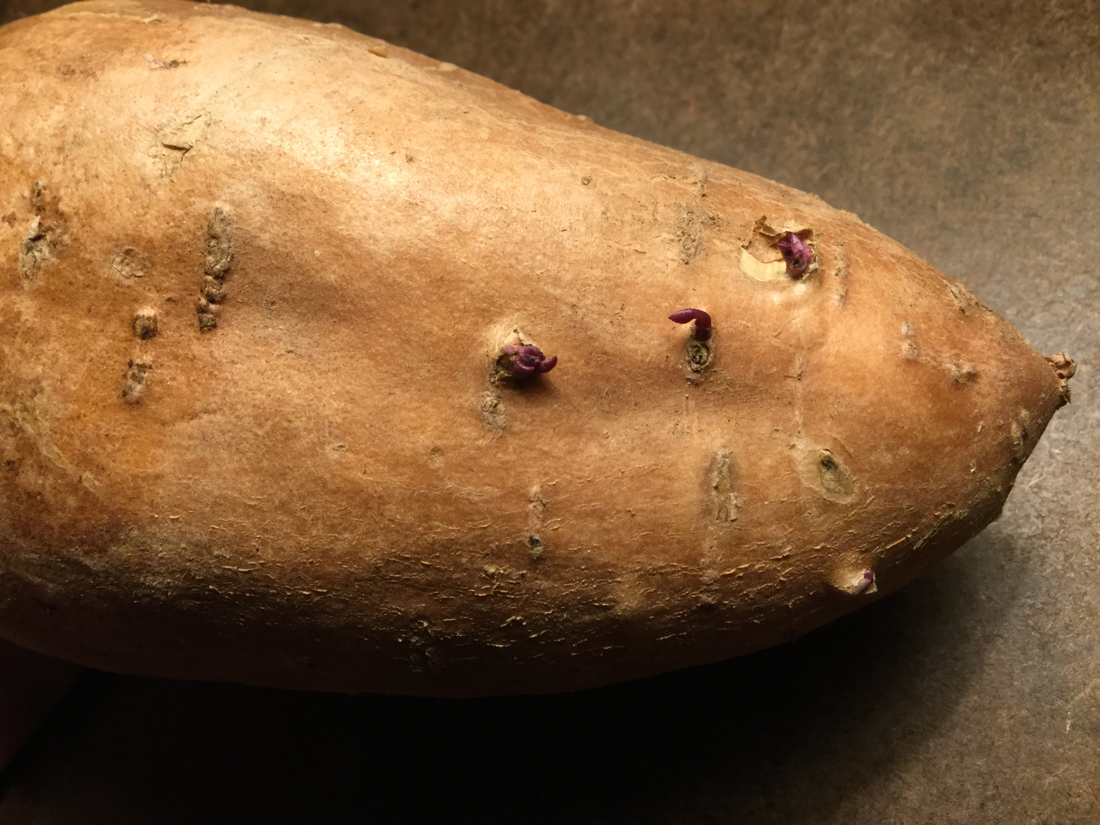
Geo Lightspeed7 (Wikimedia Commons) · CC BY-SA 4.0


Growing Sweet Potato Slips — Sprouting a Root into Many Plants
Sweet potatoes aren't planted like potatoes — you sprout a mother root into leafy shoots called SLIPS, root the slips, and plant those. One warm, moist sweet potato can make dozens. Sprout it, twist off the slips, root them in water, and plant out into warm soil. A buildable school project in the slip, and in why a sweet potato is not a potato at all.
Початківець
A few weeks to sprout and root
Інструкції
1
1
Slips, not seed potatoes
Slips, not seed potatoes
You don't bury a sweet potato the way you plant a seed potato. Instead you sprout ONE mother sweet potato into a crop of leafy shoots called SLIPS, snap those off, root them, and plant the slips. A single root can give you dozens of new plants.
2
2
Sprout a healthy sweet potato
Sprout a healthy sweet potato
Take a firm, healthy, untreated sweet potato. Half-bury it in a tray of warm, moist potting soil or sand (or suspend it half-submerged in a jar of water). Keep it WARM — around 24-29°C — because the sweet potato is a tropical plant and will only sprout in real heat.
Матеріали для цього кроку:
 Батат1 root
 Ґрунт для горщикових рослин1 bag
3
3
Let the slips grow
Let the slips grow
Over a few weeks the root pushes out leafy green shoots all over its skin. Keep it warm, moist and in good light, and let these slips grow to about 15-20 cm with several leaves each.
4
4
Twist off the slips
Twist off the slips
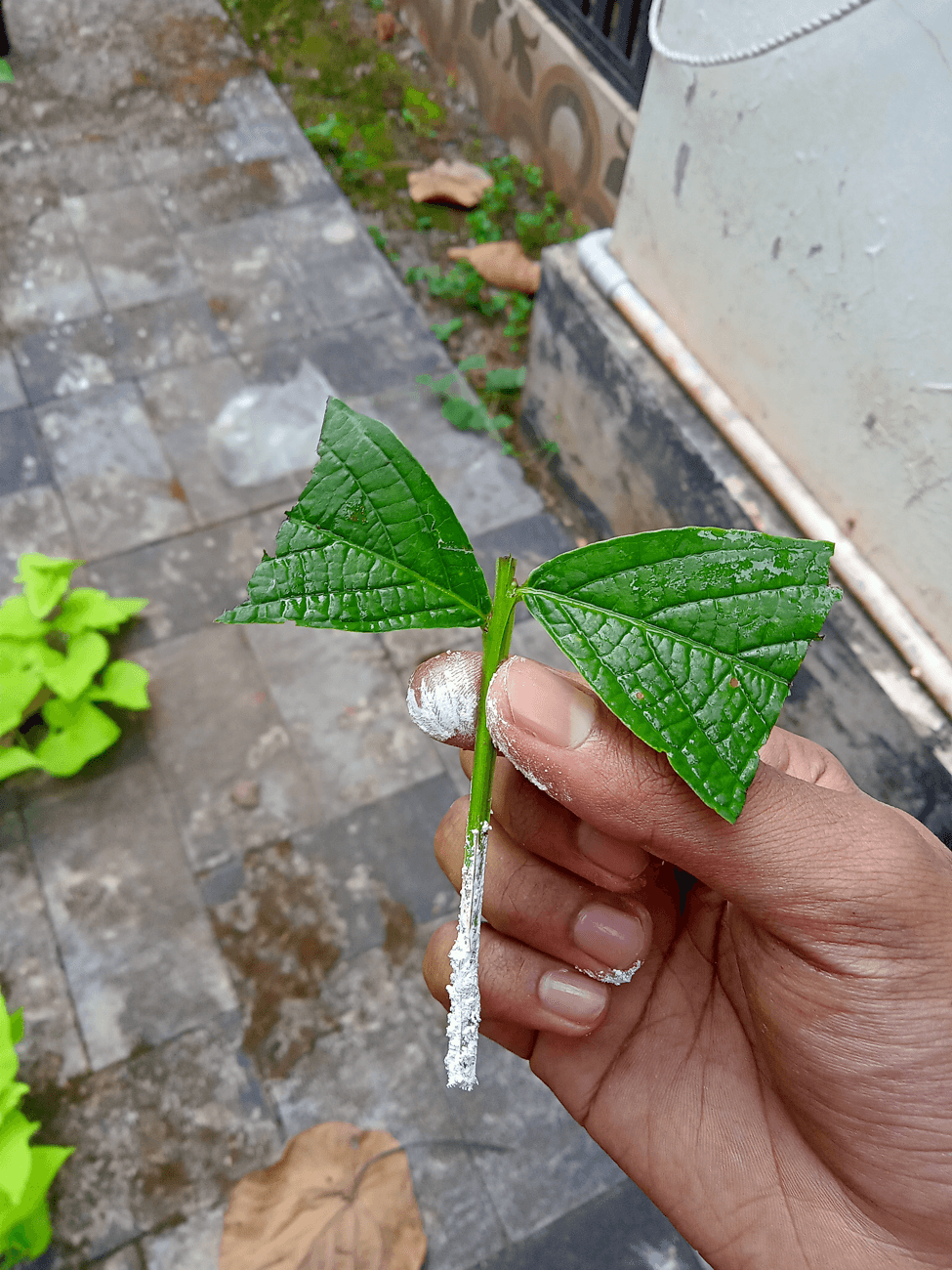
Snap or twist each slip off the mother root at its base (or cut it). A single sweet potato keeps producing flushes of slips over several weeks, so keep harvesting as they reach size.
5
5
Root the slips in water
Root the slips in water
Stand each slip in a glass of water with the lower stem submerged and the leaves above the rim, on a warm windowsill. In a few days to a week it grows a bushy set of roots — a slip roots as easily as a cutting.
Матеріали для цього кроку:
 Скляна банка з кришкою1 штука
6
6
Plant out in warm soil
Plant out in warm soil
Wait until ALL danger of frost is gone and the soil is genuinely warm — sweet potatoes are frost-tender and hate cold ground. Plant the rooted slips on mounded ridges about 30 cm apart; the raised, loose soil drains well and gives the storage roots room to swell.
Матеріали для цього кроку:
 Компост1 bag
7
7
Grow, harvest and cure
Grow, harvest and cure
Give them a long, warm season, then lift the swollen roots gently before the first frost. CURE them for one to two weeks somewhere warm and humid (about 29°C) to heal the skins and turn starch to sugar, then store them somewhere WARM — around 13-16°C, never a cold fridge. Save a few of your best roots to make next year's slips.
Матеріали для цього кроку:
 Самоклейні етикетки1 аркуш
8
8
Compendium — the slip, and why a sweet potato is not a potato
Compendium — the slip, and why a sweet potato is not a potato
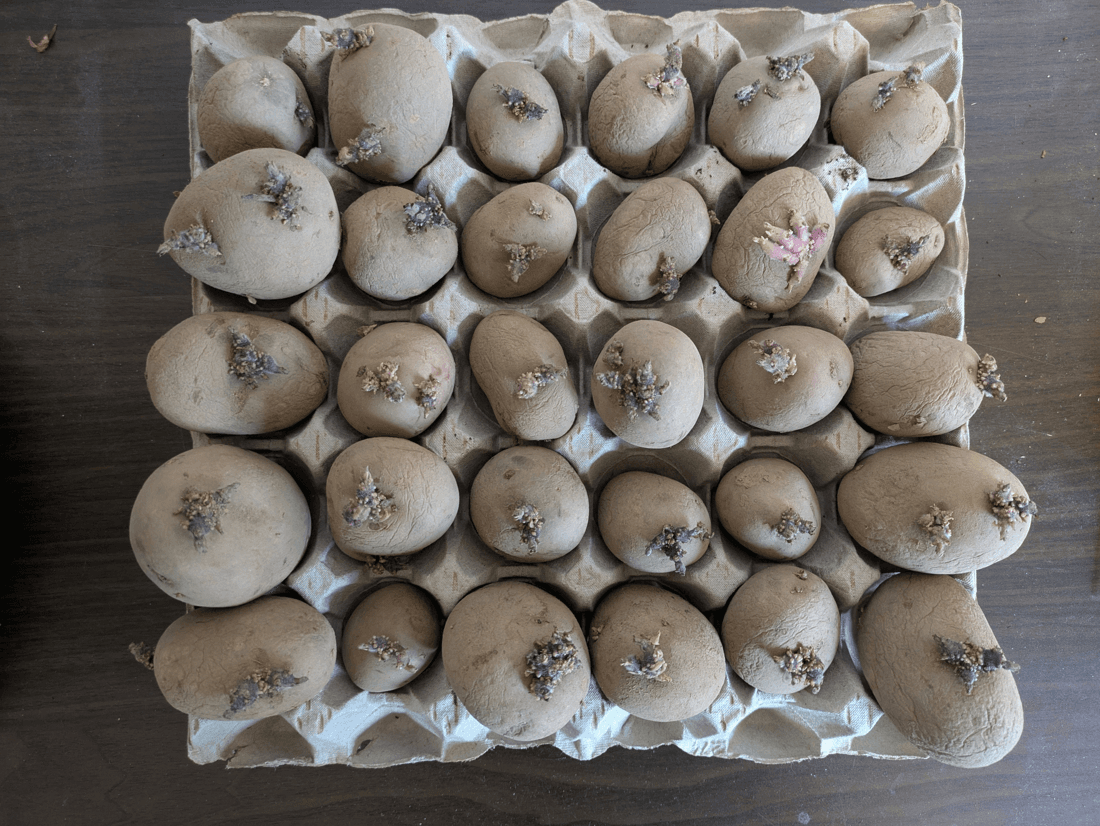
Despite the shared name, the sweet potato and the potato are barely related and are grown in opposite ways — a perfect lesson in matching your method to the plant. The POTATO is a nightshade, and the part we eat is a swollen STEM (a tuber) studded with buds, so you plant the tuber itself and each eye sprouts. The SWEET POTATO is a morning-glory, and the part we eat is a swollen ROOT — a storage root has no buds scattered through it like a stem tuber does, so you can't just cut it up and plant the pieces. Instead the whole root, kept warm and moist, sprouts leafy shoots (SLIPS) from growth points near its skin, and each slip, once rooted, is really a rooted CUTTING — a genetic clone of the mother, ready to plant. So both crops are clones, but by different routes: the potato clones through a bud-bearing stem, the sweet potato through rooted shoots. Their needs are opposite too, and both differences trace to origins: the potato was domesticated in the cool high Andes, so it likes cool weather and is stored COLD-ish (but never freezing); the sweet potato was domesticated in tropical lowland America, so it demands heat to sprout and grow, dies at a touch of frost, and — the classic trap — must be CURED and stored WARM (13-16°C), because a fridge gives it chilling injury, going hard-cored and rotten. Curing itself is worth knowing: a warm, humid week heals harvest scratches and, by converting some starch to sugar, is what actually makes a sweet potato sweet. One mother root yields dozens of slips, and a handful of your best cured roots carries the variety to next year — the ancient, frost-free way the crop has been kept and multiplied across the tropics for thousands of years.
Матеріали
5- 1 rootЗаповнювач
- Заповнювач
- 1 штукаЗаповнювач
- 1 bagЗаповнювач
- 1 аркушЗаповнювач
Пов'язані креслення
Ці креслення діляться знаннями — техніки, матеріали або принципи
CC0 Суспільне надбання
Це креслення випущено під ліцензією CC0. Ви можете вільно копіювати, змінювати, поширювати та використовувати цю роботу для будь-яких цілей без запиту дозволу.
Підтримайте мейкера, купуючи продукти через його креслення, де він отримує Комісію мейкера встановлену вендорами, або створіть нову ітерацію цього креслення та включіть його як зв'язок у власне креслення для розподілу доходу.