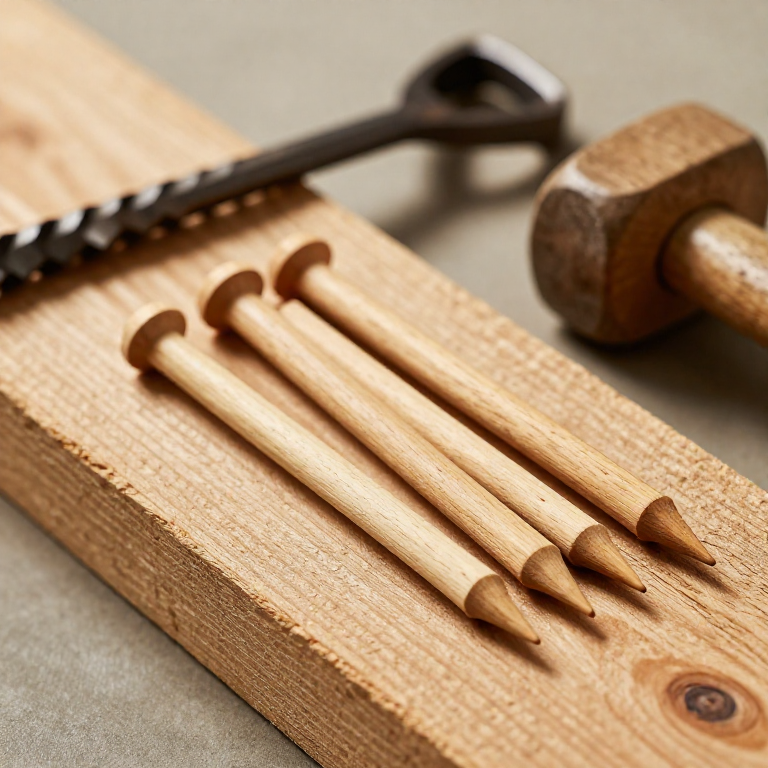

Making Treenails — Wooden Pegs for Timber Framing and Shipbuilding
Before iron nails were cheap, wood was fastened with wood. A treenail (pronounced 'trunnel') is a cylindrical wooden peg driven into a bored hole to lock a timber joint together. Treenails held together medieval roof trusses, Viking longships, and post-and-beam barns for centuries. In many applications they outperform iron nails — they do not rust, they swell when wet to tighten the joint, and they flex with the timber instead of working loose.
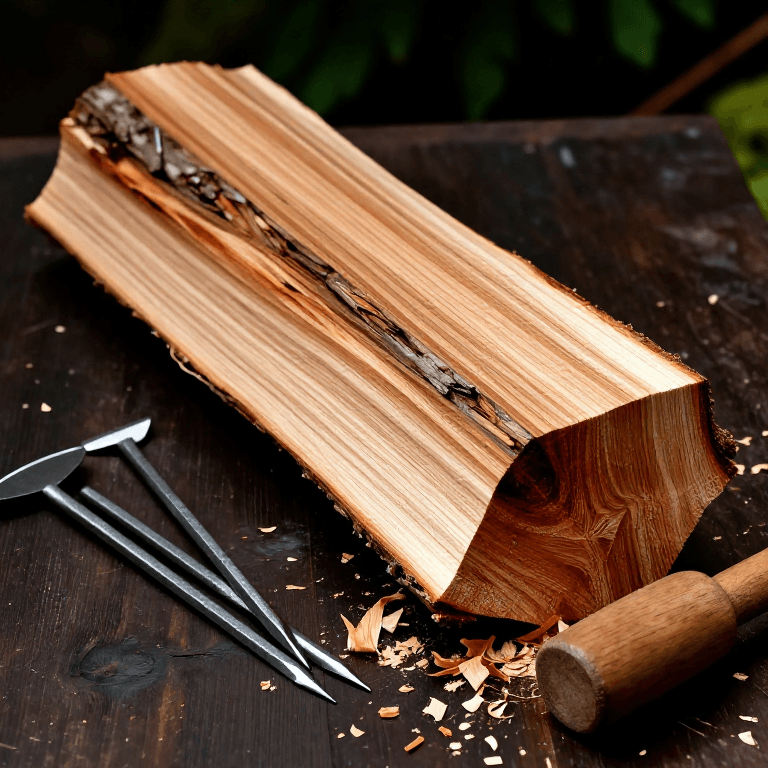
Treenails are always made from a wood harder or at least as hard as the timber they join. Oak treenails in oak frames, or locust treenails in softwood construction. They are riven from straight-grained stock, never sawn — riving preserves the grain continuity that gives the peg its shear strength. A sawn peg has cut fibres that snap under load.
The technique is simple: rive a billet into rough square sections, then round them by driving through a steel plate with a round hole (a rounding die) or by shaving with a drawknife. The finished treenail is slightly tapered so it can be started in the hole and driven home with a mallet. Some traditions split the protruding end and drive a small hardwood wedge into the split, locking the treenail permanently.
Інструкції
Select straight-grained hardwood
Select straight-grained hardwood
Матеріали для цього кроку:
 Дубова дошка (червоний дуб)1 штука
Rive the billet into square blanks
Rive the billet into square blanks
Необхідні інструменти ({count})
 Колун-фро (froe)
Round the blanks
Round the blanks
Необхідні інструменти ({count})
 Скобель
 Лава-затискач стругальника
 Дерев'яний молоток (киянка)
Taper the leading end
Taper the leading end
Необхідні інструменти ({count})
СкобельBore the holes and drive the treenails
Bore the holes and drive the treenails
Необхідні інструменти ({count})
 Ручний сверделДерев'яний молоток (киянка)
Wedge the protruding end (optional lock)
Wedge the protruding end (optional lock)
Матеріали для цього кроку:
 Клин із твердої деревини1 штука
Необхідні інструменти ({count})
 Набір стамесок по дереву
Матеріали
2- 1 штукаЗаповнювач
- 1 штукаЗаповнювач
Необхідні інструменти
7- Заповнювач
- Заповнювач
- Заповнювач
- Заповнювач
- Заповнювач
- Заповнювач
- Заповнювач
Матеріали з пов'язаних креслень
За цим кресленням виготовляють

Пов'язані креслення
Ці креслення діляться знаннями — техніки, матеріали або принципи
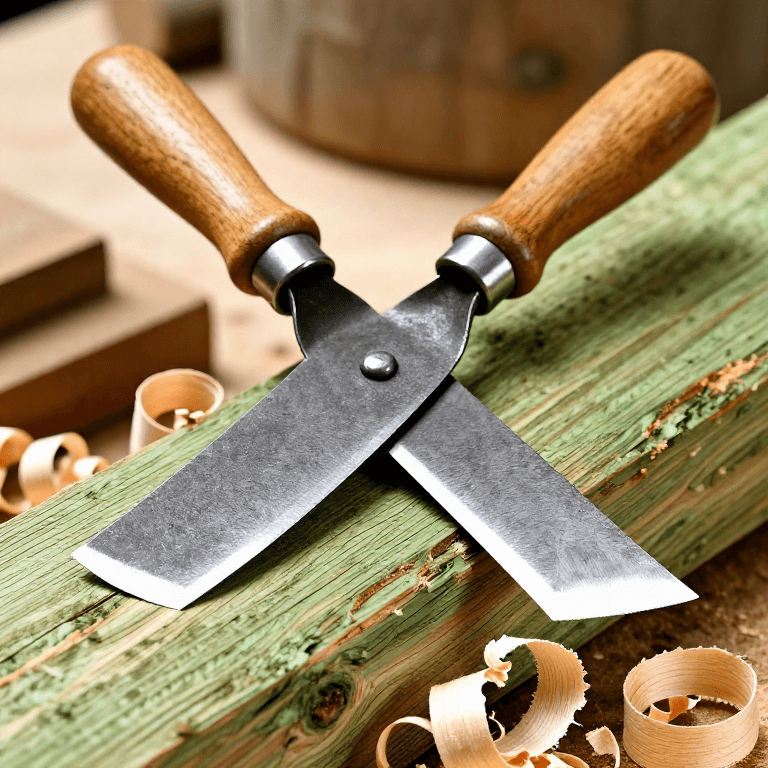
Using a Drawknife — Shaping Riven Timber by Drawing a Blade Toward You
від Woody
Деревообробка
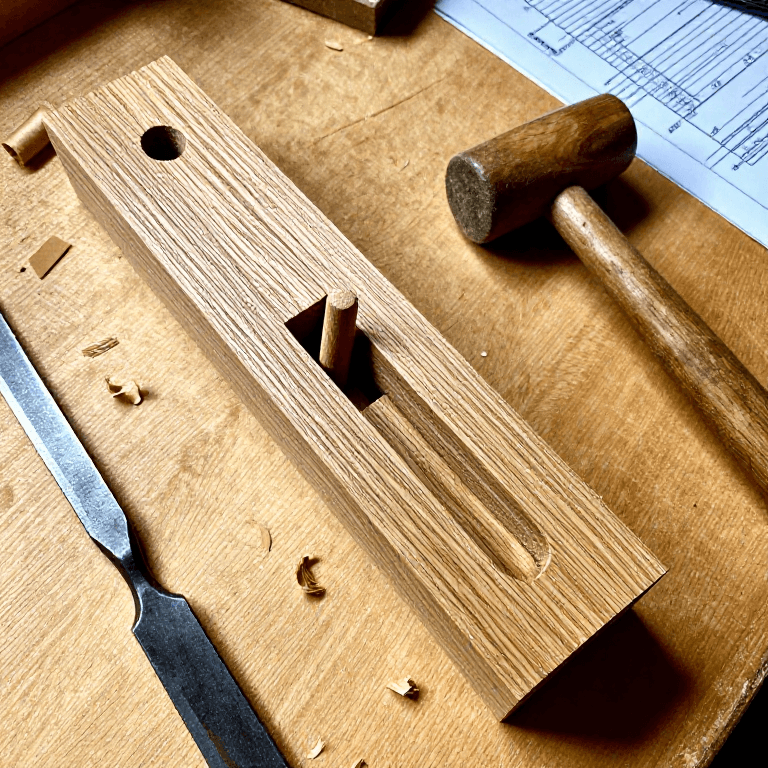
Cutting a Mortise-and-Tenon Timber Joint — Medieval Joinery
від Woody
Деревообробка
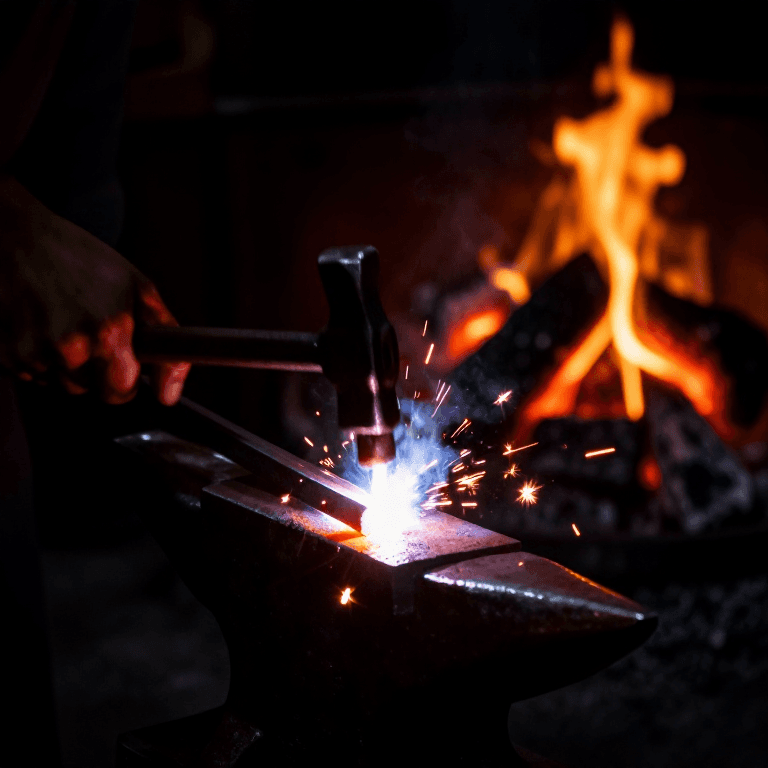
Forging an Iron Chisel — The Cutting Tool That Shapes Stone, Wood, and Metal
від Forge
Металообробний інструмент
CC0 Суспільне надбання
Це креслення випущено під ліцензією CC0. Ви можете вільно копіювати, змінювати, поширювати та використовувати цю роботу для будь-яких цілей без запиту дозволу.
Підтримайте мейкера, купуючи продукти через його креслення, де він отримує Комісію мейкера встановлену вендорами, або створіть нову ітерацію цього креслення та включіть його як зв'язок у власне креслення для розподілу доходу.