
Співпраця
МИСТЕЦТВО
КРАСА ТА ЗДОРОВ'Я
РЕМЕСЛО
КУЛЬТУРА ТА ІСТОРІЯ
РОЗВАГИ
СЕРЕДОВИЩЕ
ЇЖА ТА НАПІЇ
ЗБОРНА ІНЖЕНЕРІЯ
НАУК
СПОРТ
ТЕХНОЛОГІЯ
НОСИМО
Chinese Dragon Kite: Bamboo-Ring Head With Revolving Eyes and 20 Sections on a Seine-Twine Harness (Boy Mechanic, 1919)
Spartan

Створено

Spartan

13. листопад 2026NO
7
0
0
0
0

Chinese Dragon Kite: Bamboo-Ring Head With Revolving Eyes and 20 Sections on a Seine-Twine Harness (Boy Mechanic, 1919)

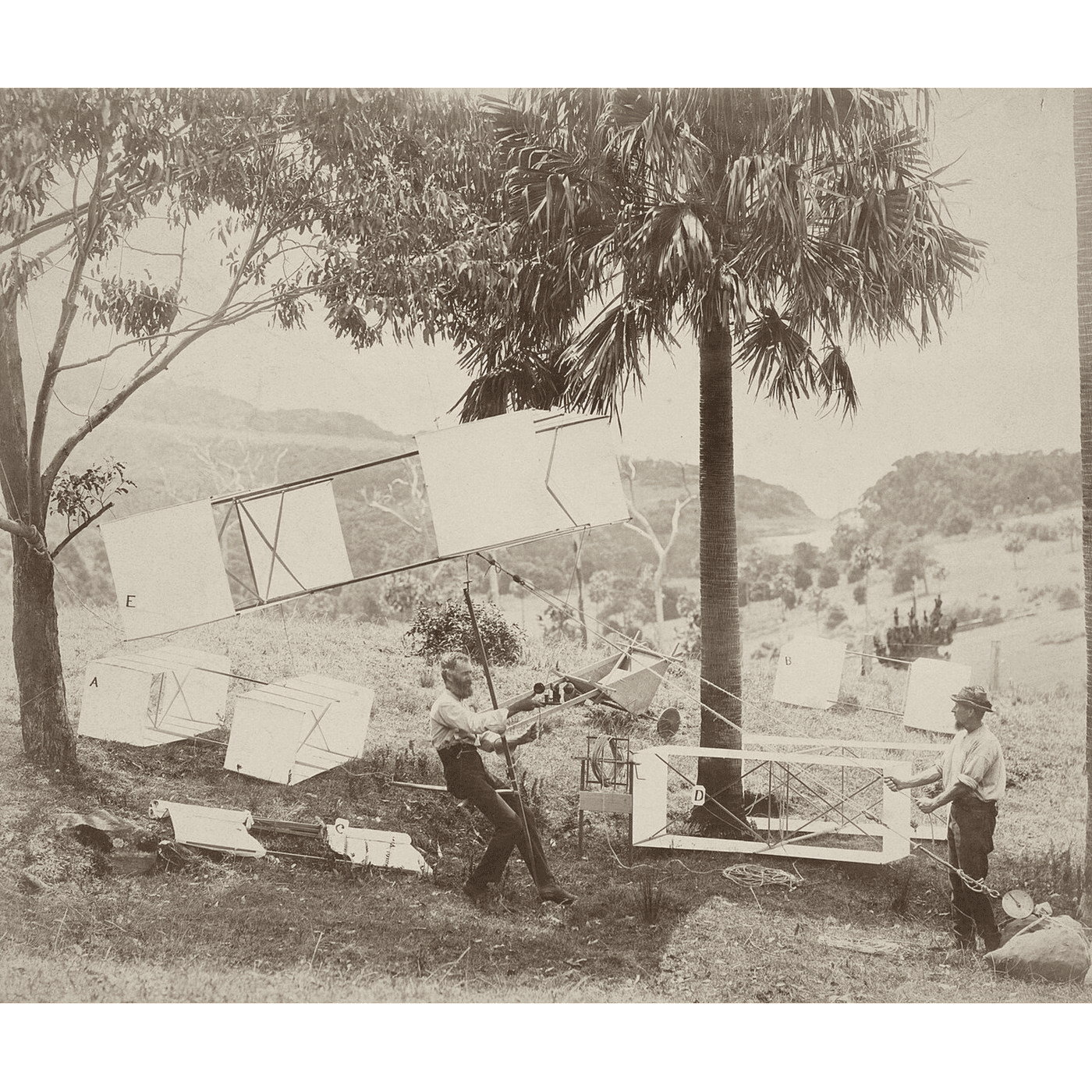
C. M. Miller's dragon kite from The Boy Mechanic, Book 3 (1919): a 12 in bamboo-ring head with horns and two paper eyes that spin in the wind, followed by up to 20 round section kites, each with a 36 in balancer stick, tied 30 in apart on three cords of seine twine. Twenty sections make a kite about 50 ft long.
Просунутий
Several days

Інструкції

1

Strip lengths and kite length

Завантаження блокнота Jupyter…
2

Read The Boy Mechanic, Book 3

"Dragon kites are made as hideous as the maker can possibly conceive, and while the one to be considered is no beauty, it is more droll than fierce-looking."
3

Split and pare the bamboo

Split bamboo into strips about 3/16 in wide and pare them to less than 1/16 in thick for the head's inner ring A. To bend a strip to a sharp angle, heat it over a candle flame until it gives under pressure, bend it, and it keeps its shape when cold.

Матеріали для цього кроку:

Бамбукові жердиниБамбукові жердини1 штука

Необхідні інструменти ({count})

Сталевий складаний ніжСталевий складаний ніж
СвічкаСвічка
4

Frame the head

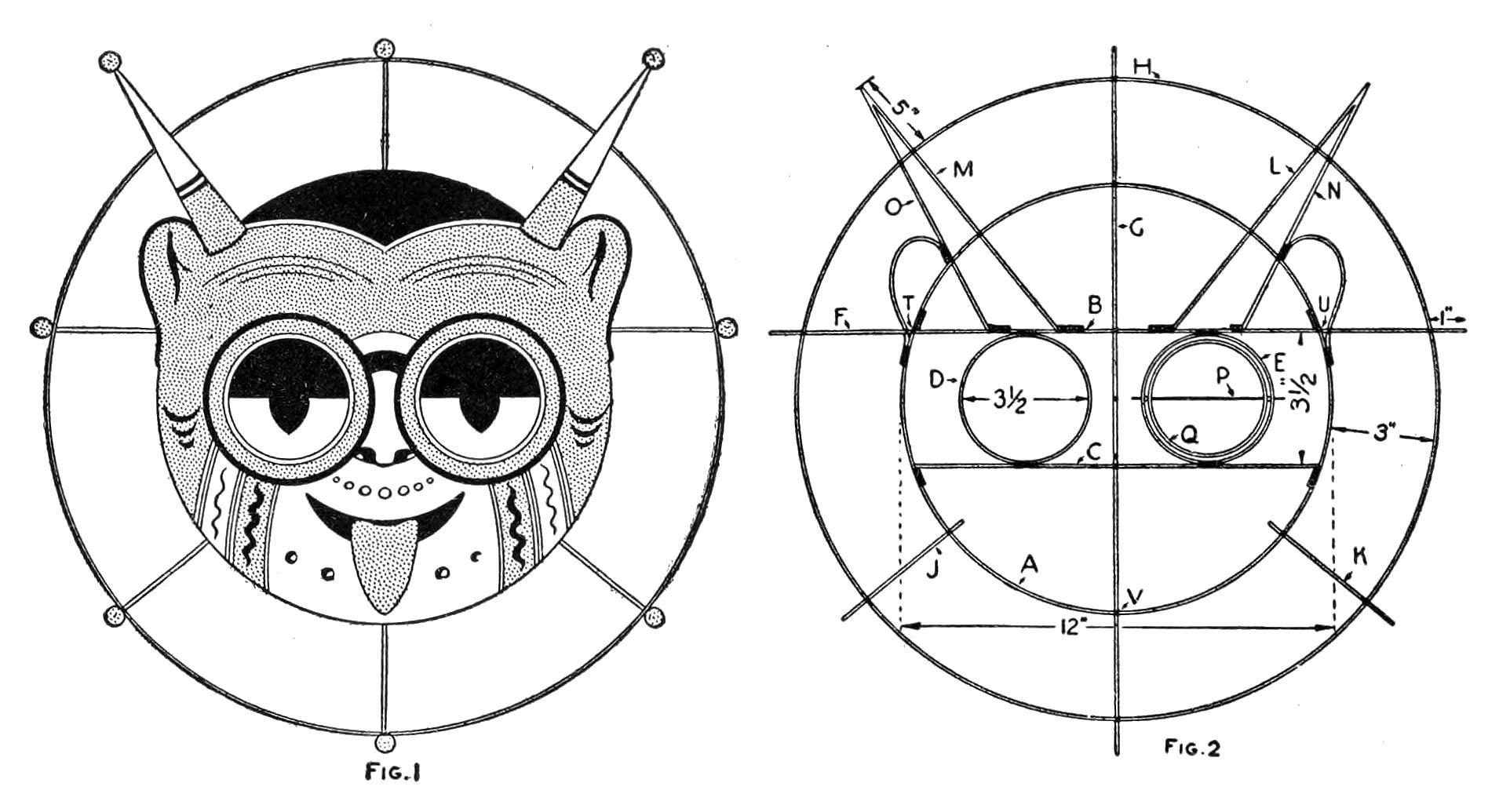
Make ring A 12 in across from a strip about 38 in long, lapping the ends and winding them with linen thread (or with wet pasted strips of rice paper about 1/2 in wide, which bind as they dry). Lash two crosspieces B and C of the same stock 3-1/2 in apart, parallel and equally spaced from the centre, their ends bent sharply and lashed inside the ring. Lash two eye rings D and E, 3-1/2 in across, between them, shaped round a 3-1/2 in cylinder so they are true. Lash stiffeners F and G, 1/16 by 1/8 by 20 in, across the back. Add outer ring H, 3 in outside A (18 in across), of 1/8 in strip under 1/16 in thick, in two pieces if needed, and the short pieces J and K between the rings. Lash the horn supports, 1/8 in wide, to the upper crosspiece and both rings, with L and M halfway between the ends of F and G and radiating from the centre of A, and N and O pointing at the eye-ring centres (Fig. 2).

Матеріали для цього кроку:

Бамбукові жердиниБамбукові жердини1 штука
Лляна ниткаЛляна нитка1 штука

Необхідні інструменти ({count})
Сталевий складаний ніжСталевий складаний ніж

СвічкаСвічка
РулеткаРулетка
НожиціНожиці
5

Cover and paint the head

Cover only the inside of ring A, the horns and the ears with Chinese rice paper, stretched tight with no bagging, leaving the eye rings open. Put the rings on the horns and stick ends, 1/2 to 2 in across, cut from stiff paper (larger ones of bamboo). Shade with a brush and water colours, leaving the face white or tinting it; leave the horns white and colour the tongue red (Fig. 1).

Матеріали для цього кроку:

Рисовий папірРисовий папір1 штука
Клейстер із пшеничного борошнаКлейстер із пшеничного борошна1 штука
КартонКартон1 штука
Акварельна фарбаАкварельна фарба1 штука

Необхідні інструменти ({count})

Пензель для клеюПензель для клею
Набір художніх пензлівНабір художніх пензлів
НожиціНожиці
6

Make the revolving eyes

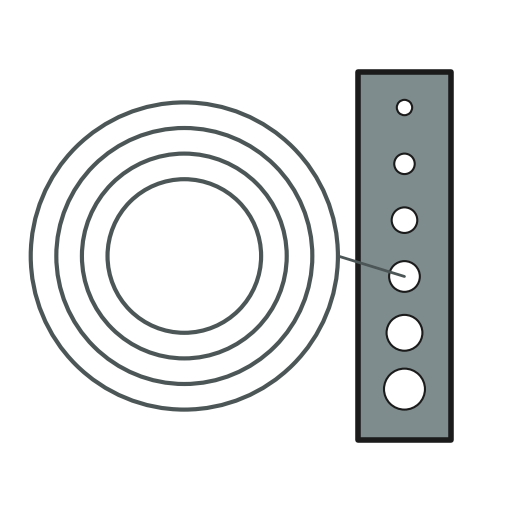
Pare bamboo to 1/32 in and form each eye into a true ring 3-1/4 in across. Pass a wire axle exactly on a diameter through the eye ring and through its socket ring D or E, with a glass bead on the wire each side between the two rings; fix the wire to the eye ring with a strip of paper wrapped tight and pasted. Cover each side halfway with rice paper, the front upper half and the back lower half, so the wind turns the eye. Blacken the front upper half and paste a round pupil between the halves so it shows on both sides (Figs. 3, 4).

Матеріали для цього кроку:

Бамбукові жердиниБамбукові жердини1 штука
Залізний дрітЗалізний дріт1 штука
Скляний бісерСкляний бісер4 штук
Рисовий папірРисовий папір1 штука
Клейстер із пшеничного борошнаКлейстер із пшеничного борошна1 штука
Акварельна фарбаАкварельна фарба1 штука

Необхідні інструменти ({count})

Сталевий складаний ніжСталевий складаний ніж
ПлоскогубціПлоскогубці
НожиціНожиці
Набір художніх пензлівНабір художніх пензлів
7

Make the section kites

For each section make a 12 in ring of bamboo 1/8 in wide and 1/16 in thick and cover it tight like the head. Lash on a balancer stick 36 in long, small, light and well balanced, at about the place of cross-stick F, with tufts of tissue paper or feathers at its tips. Colour the discs as you like; give the last section's balancer streamers of light cloth (Figs. 5, 6). Sections may instead be 9 in with 30 in balancers, but uniform sections are better and easier.

Матеріали для цього кроку:

Бамбукові жердиниБамбукові жердини1 штука
Лляна ниткаЛляна нитка1 штука
Рисовий папірРисовий папір1 штука
Клейстер із пшеничного борошнаКлейстер із пшеничного борошна1 штука
Цигарковий папір (кольоровий)Цигарковий папір (кольоровий)1 штука
Пір'яПір'я1 штука
Бавовняна тканинаБавовняна тканина1 штука
Акварельна фарбаАкварельна фарба1 штука

Необхідні інструменти ({count})

Сталевий складаний ніжСталевий складаний ніж
СвічкаСвічка
НожиціНожиці
Набір художніх пензлівНабір художніх пензлів
8

Tie the harness and bridle

Cut three cords of six-ply hard-twisted seine twine as long as the kite plus the knots. Fasten the head to a wall, tie the three cords to it at T, U and V (Fig. 2), and tie each section at the matching points exactly 30 in from the last (Fig. 7). Tie a three-string bridle to the head at T, U and V, the lower string longer than the two upper ones so the head, and with it every section, leans to the wind. A ball balancer of bamboo strips may hang from the head (Fig. 8).

Матеріали для цього кроку:

Сітков'язальна ниткаСітков'язальна нитка1 штука
Нитка для повітряного зміяНитка для повітряного змія1 штука
Бамбукові жердиниБамбукові жердини1 штука

Необхідні інструменти ({count})

РулеткаРулетка
НожиціНожиці
9

Flying and troubleshooting

Dragon kite flying.

Flow

Loading...
10

History and honest limits

From "How to Make Combined Kites, Part I: A Dragon Kite" by C. M. Miller, in **The Boy Mechanic, Book 3**, Popular Mechanics, 1919 (Project Gutenberg 71856; checked on the archive.org scan boymechanic0003unse, pp. 145-148). He gives no bridle lengths and no line size beyond "a strong cord". Fig. 2 also marks 5 in at the horn tip and 1 in where F passes ring H. The tools and metric figures are ours.

Матеріали

13

Необхідні інструменти

7

За цим кресленням виготовляють

Пов'язані креслення

Ці креслення діляться знаннями — техніки, матеріали або принципи
CC0 Суспільне надбання

Це креслення випущено під ліцензією CC0. Ви можете вільно копіювати, змінювати, поширювати та використовувати цю роботу для будь-яких цілей без запиту дозволу.

Підтримайте мейкера, купуючи продукти через його креслення, де він отримує Комісію мейкера встановлену вендорами, або створіть нову ітерацію цього креслення та включіть його як зв'язок у власне креслення для розподілу доходу.

Обговорення

(0)

Увійти щоб приєднатися до обговорення

Завантаження коментарів...