МИСТЕЦТВО
КРАСА ТА ЗДОРОВ'Я
РЕМЕСЛО
КУЛЬТУРА ТА ІСТОРІЯ
РОЗВАГИ
СЕРЕДОВИЩЕ
ЇЖА ТА НАПІЇ
ЗБОРНА ІНЖЕНЕРІЯ
НАУК
СПОРТ
ТЕХНОЛОГІЯ
НОСИМО
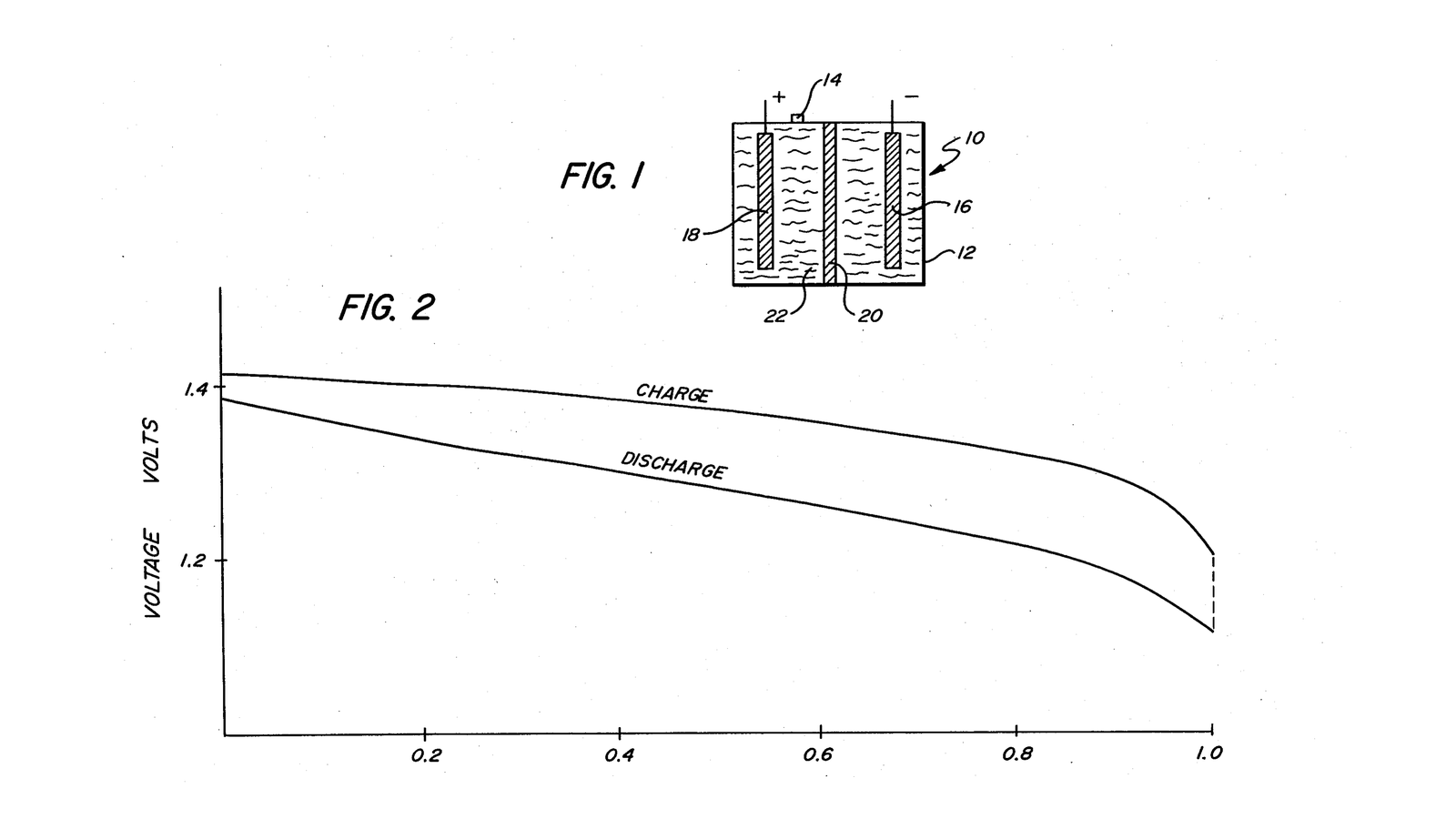
Небезпечно

Nickel-Metal-Hydride Electrode
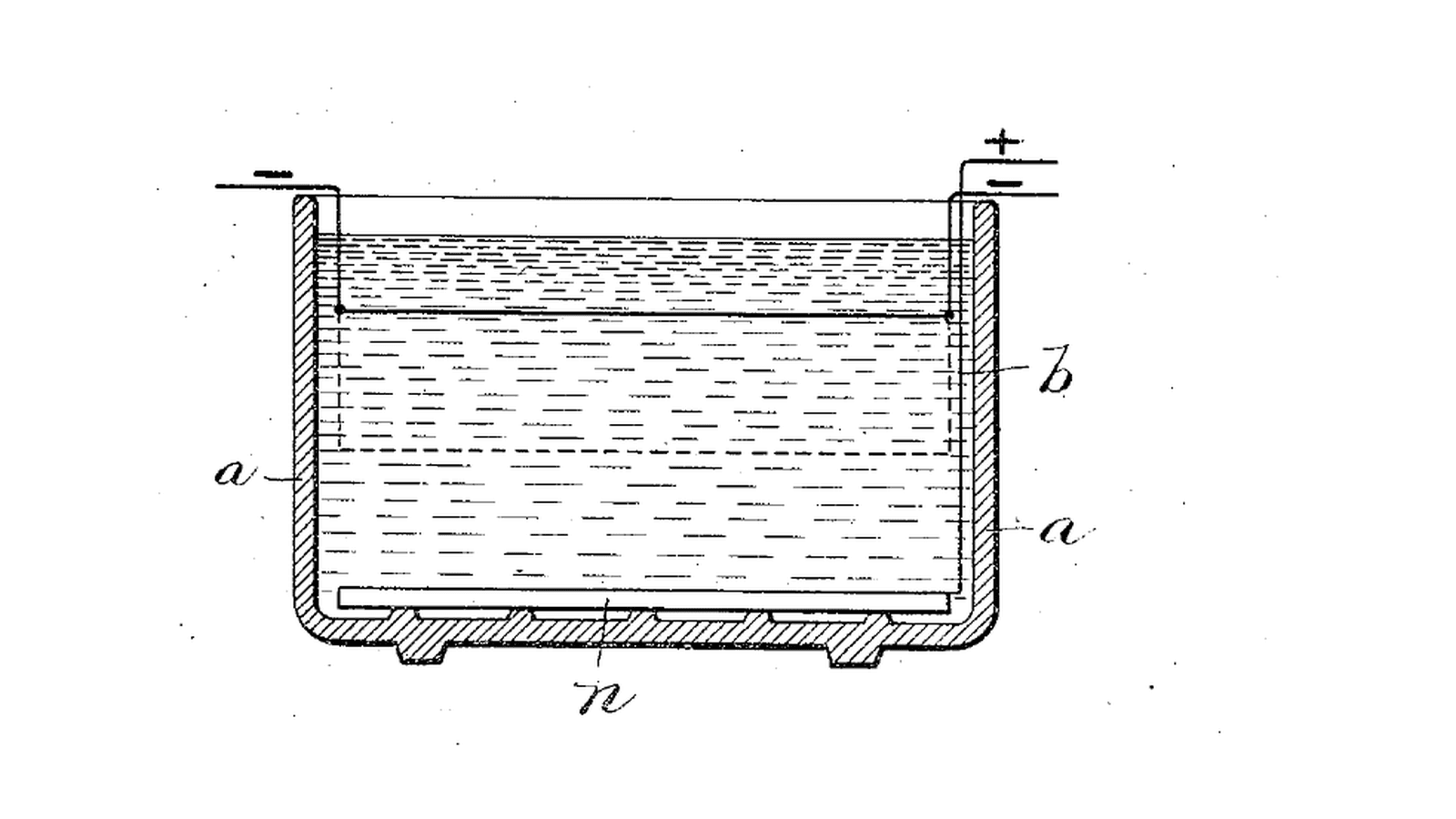
Jungner's cell, eighty-seven years later, with the cadmium taken out.
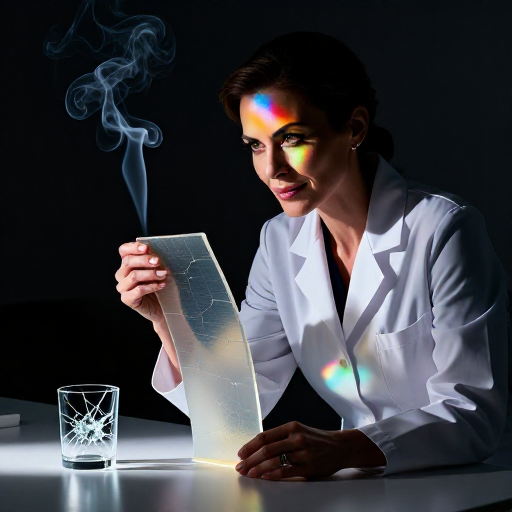
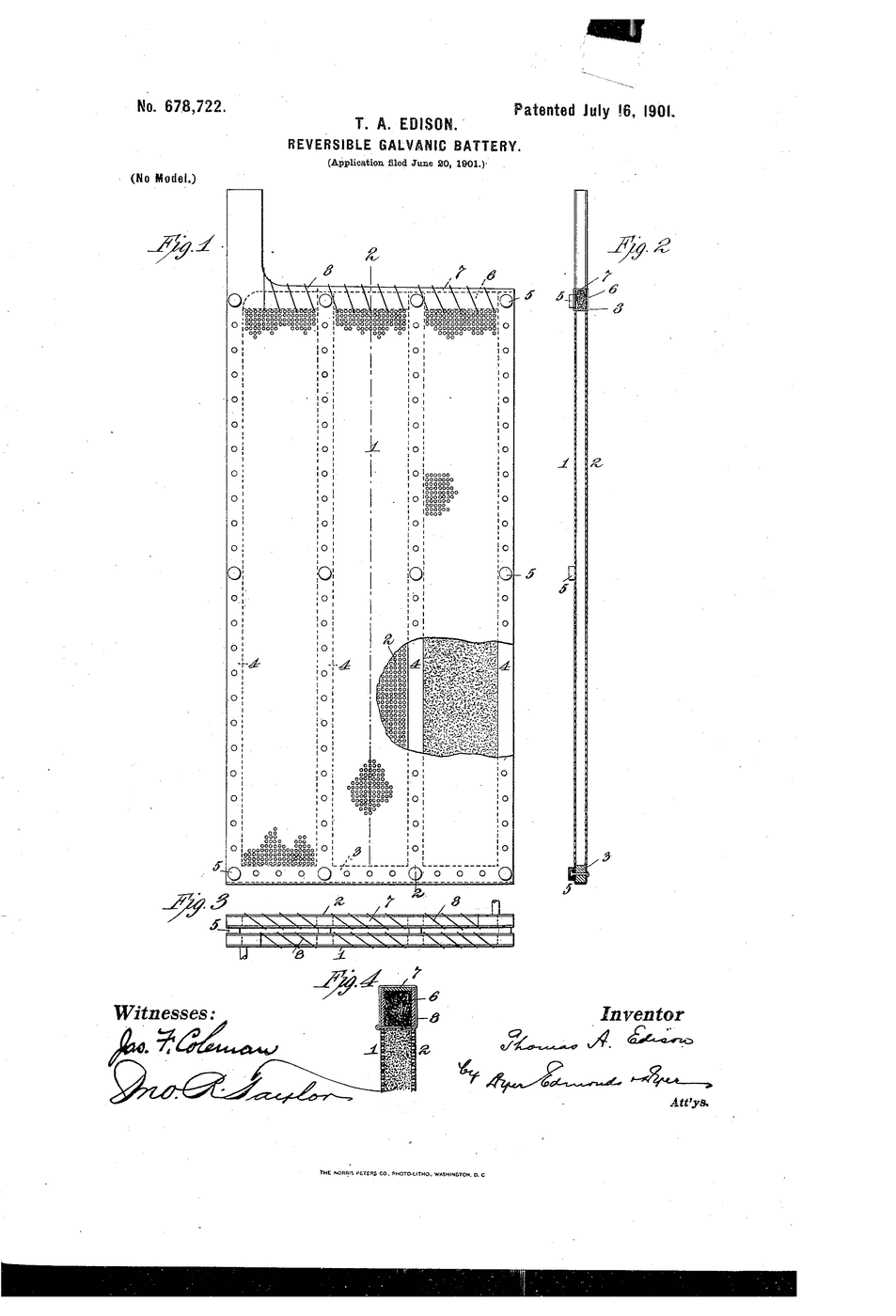
The positive electrode is unchanged - nickel oxyhydroxide, exactly as it was in 1899, exactly as it is in the NiCd blueprint earlier in this chain. The electrolyte is the same potassium hydroxide, still taking no part. What changed is the negative, and the change is a genuinely strange idea: instead of a metal that oxidises, use a metal that **absorbs hydrogen** and give it the hydrogen back on demand.
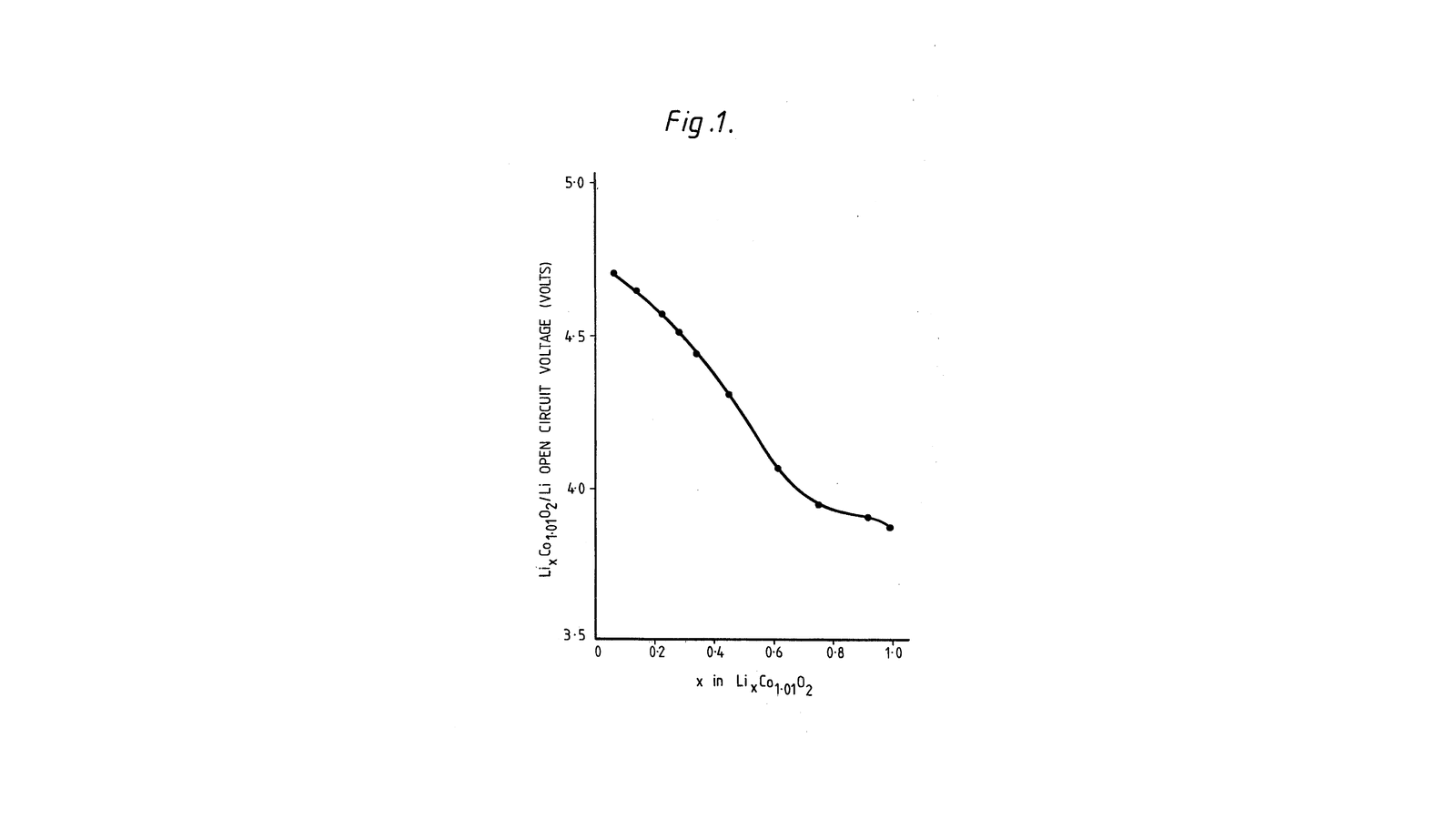
On discharge, MH + OH- gives M + H2O + e-. On charge it runs backwards. The hydrogen lives inside the metal lattice between charge and discharge, and the metal itself is not consumed - which is the same idea as the lithium cobalt oxide in the previous blueprint, arrived at from a completely different direction. Overall: Ni(OH)2 + MH gives NiOOH + M + H2O, and once again the hydroxide and the water cancel out.
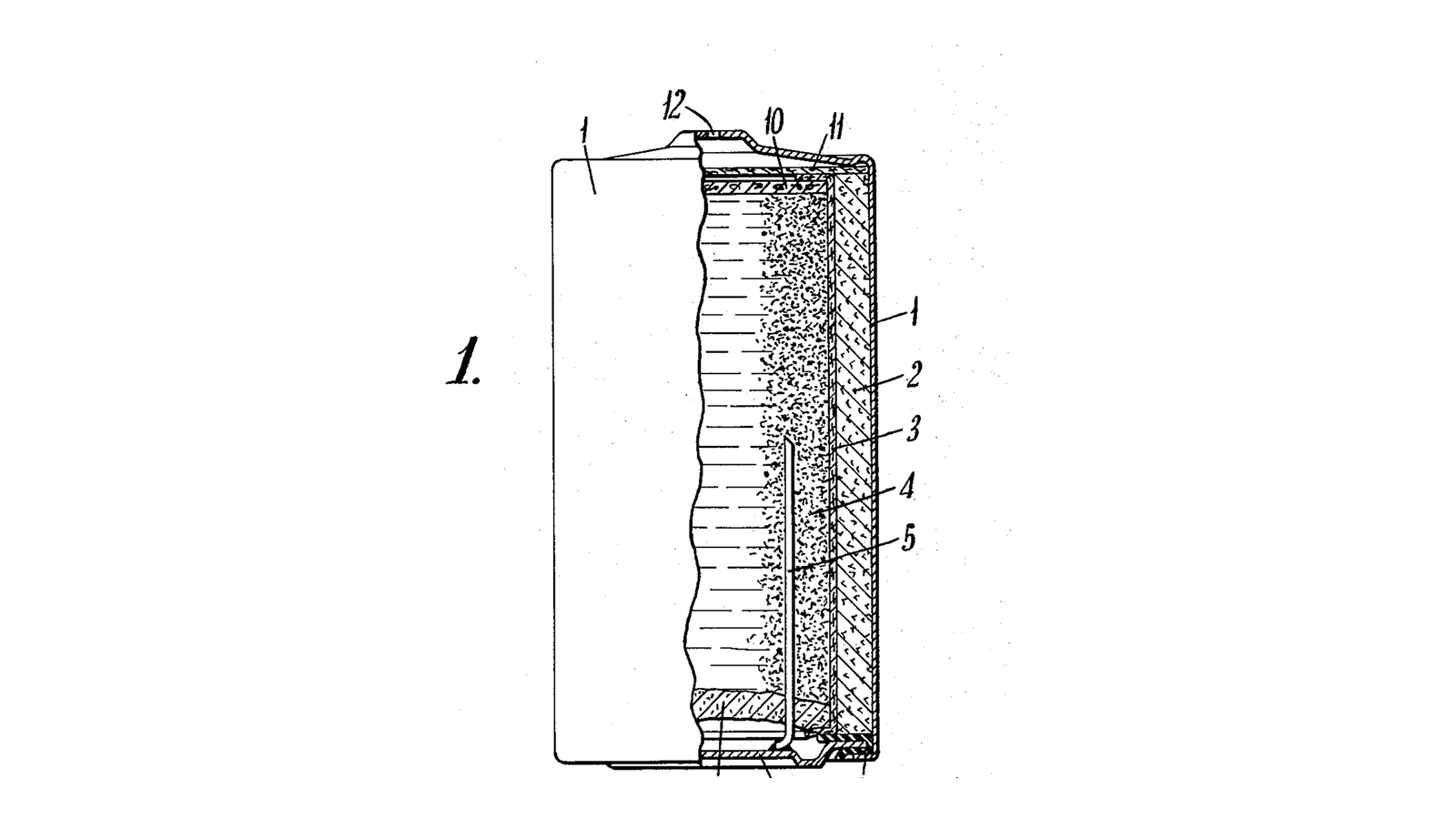
**US 4,623,597**, Krishna Sapru, Benjamin Reichman, Arie Reger and Stanford R. Ovshinsky, assigned to Energy Conversion Devices, priority 28. April 1982, filed 25. November 1985, granted 18. November 1986. It claims "a hydrogen rechargeable anode of a disordered non-equilibrium multicomponent material".
**That word "disordered" is the invention.** Conventional materials science says make the crystal as perfect as you can. Ovshinsky spent a career arguing the opposite: a perfect crystal offers every hydrogen atom an identical site, so it works beautifully at one temperature and one pressure and poorly everywhere else. Spoil the order deliberately - many elements, no long-range structure - and you get a SPREAD of binding sites. Slightly worse at the optimum, far better across the range of conditions a real battery actually meets.
The result gives two to three times the capacity of a NiCd cell of the same size, contains no cadmium, and is what was in almost every rechargeable AA sold between the mid-1990s and the arrival of cheap lithium.
**What you build here.** A working cell, with the hydride electrode HARVESTED from a spent commercial cell rather than synthesised - AB5 alloys need arc melting under argon, and recovering a working electrode from something on its way to a recycling bin is both achievable and the more interesting exercise. The positive electrode you make yourself, by the same route as the Jungner blueprint.
Nickel compounds are toxic as dust and the electrolyte is severely caustic. Gated for the first.
Середній
4 hours, plus a week of self-discharge measurement
Небезпечний контент
Це креслення містить небезпечні процедури. Увійдіть та увімкніть небезпечний контент у налаштуваннях облікового запису, щоб переглянути покрокові інструкції.
Пов'язані креслення
Ці креслення діляться знаннями — техніки, матеріали або принципи

CC0 Суспільне надбання
Це креслення випущено під ліцензією CC0. Ви можете вільно копіювати, змінювати, поширювати та використовувати цю роботу для будь-яких цілей без запиту дозволу.
Підтримайте мейкера, купуючи продукти через його креслення, де він отримує Комісію мейкера встановлену вендорами, або створіть нову ітерацію цього креслення та включіть його як зв'язок у власне креслення для розподілу доходу.