МИСТЕЦТВО
КРАСА ТА ЗДОРОВ'Я
РЕМЕСЛО
КУЛЬТУРА ТА ІСТОРІЯ
РОЗВАГИ
СЕРЕДОВИЩЕ
ЇЖА ТА НАПІЇ
ЗБОРНА ІНЖЕНЕРІЯ
НАУК
СПОРТ
ТЕХНОЛОГІЯ
НОСИМО
The Incandescent Lamp: High Resistance, and a Vacuum
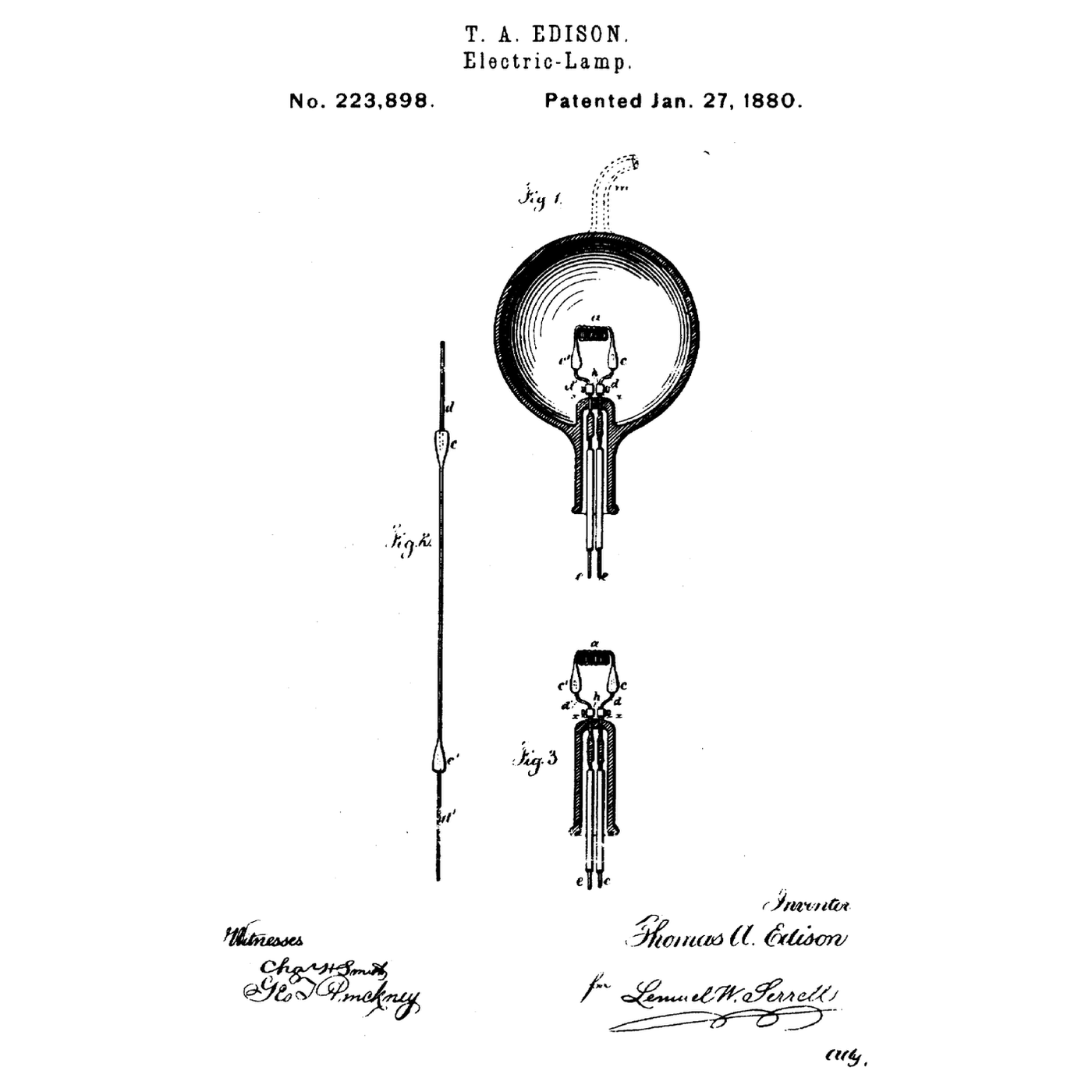
Many inventors made a wire or a carbon rod glow in a bulb. Thomas Edison's lamp of 1879–80 was designed backwards from the wiring: to light a city with lamps connected in parallel, each lamp needed a HIGH resistance, or the copper mains would have to be absurdly thick. His patent describes a thin carbon filament — even *"a cotton thread properly carbonized"* — in a glass bulb pumped down to one-millionth of an atmosphere, offering a hundred ohms or more and stable at white heat.
This rung works out the copper argument from his own figures and makes a carbonised-thread lamp in an evacuated jar to see why the vacuum matters.
Середній
About 5 hours
Інструкції
1
1
The copper argument
The copper argument
Завантаження блокнота Jupyter…
2
2
Carbonise a cotton thread
Carbonise a cotton thread
Pack a few 30 mm lengths of cotton thread, stretched straight between two small copper wire loops, in graphite powder inside a small steel tin with a pinhole in the lid. Heat the tin outdoors with the propane torch until it glows red, and hold it there for twenty minutes — cellulose only turns into a well-conducting carbon at red heat. Let it cool completely before opening: air reaching hot carbon burns it.
The threads come out black, brittle and conducting. Measure one with the multimeter and compare with Edison's hundreds of ohms; a poorly heated thread reads far higher. Handle them with tweezers; they snap at a touch.
Матеріали для цього кроку:
 Бавовняна нитка1 рулон
 Графітовий порошок50 г
 Мідний дріт1 метр
Необхідні інструменти ({count})
 Пропановий пальник
 Мультиметр
 Шкіряні робочі рукавиці
 Прозорі захисні окуляри
3
3
Light it in air, then in a vacuum
Light it in air, then in a vacuum
Clamp one filament between two stiff copper wires passed through the lid of a thick glass jar and sealed with epoxy or silicone. In AIR, with the lid off, connect it briefly across a 12 V battery through a series resistor: it glows red for a moment and burns through.
Mount a fresh filament, close the jar, and pump it down with the vacuum pump through a fitting in the lid. Connect the battery again: the filament glows and lasts far longer, because there is almost no oxygen left to burn it. Your pump will not reach Edison's one-millionth of an atmosphere; the difference is still obvious.
Stand the jar behind a clear shield and wear goggles: an evacuated jar can implode.
Матеріали для цього кроку:
 Скляна банка1 штука
 Силіконовий герметик1 штукаМідний дріт1 метр
 Набір резисторів1 набір
Необхідні інструменти ({count})
 Вакуумний насос
 Тяговий акумулятор 12 ВМультиметрПрозорі захисні окуляриШкіряні робочі рукавиці
4
4
History and context
History and context
**US 223,898, 'Electric-Lamp', Thomas A. Edison, patented 27 January 1880.** The specification reports carbonising *"cotton and linen thread, wood splints, papers coiled in various ways"*; carbonised bamboo became the production filament soon after. Joseph Swan in England had been developing carbon lamps in parallel, and the two later merged their British interests.
Edison's lamp came with a whole system — parallel distribution, meters, fuses, generators — which is what made it change cities.
**Honest limits.** A carbon-filament lamp turns only a few per cent of its power into light; the rest is heat. The filament evaporates and blackens the bulb. Tungsten filaments, gas filling and later LEDs each improved on it many times over.
Матеріали
6- 1 рулонЗаповнювач
- Заповнювач
- 2 метрівЗаповнювач
- 1 штукаЗаповнювач
- 1 штукаЗаповнювач
- від$5.64
Необхідні інструменти
6- Заповнювач
- Заповнювач
- Заповнювач
- Заповнювач
- Вакуумний насос10% комісіяMagento Legacy Storeships internationallyЗаповнювач
- Тяговий акумулятор 12 В10% комісіяЗаповнювач
Пов'язані креслення
Ці креслення діляться знаннями — техніки, матеріали або принципи
Небезпечно
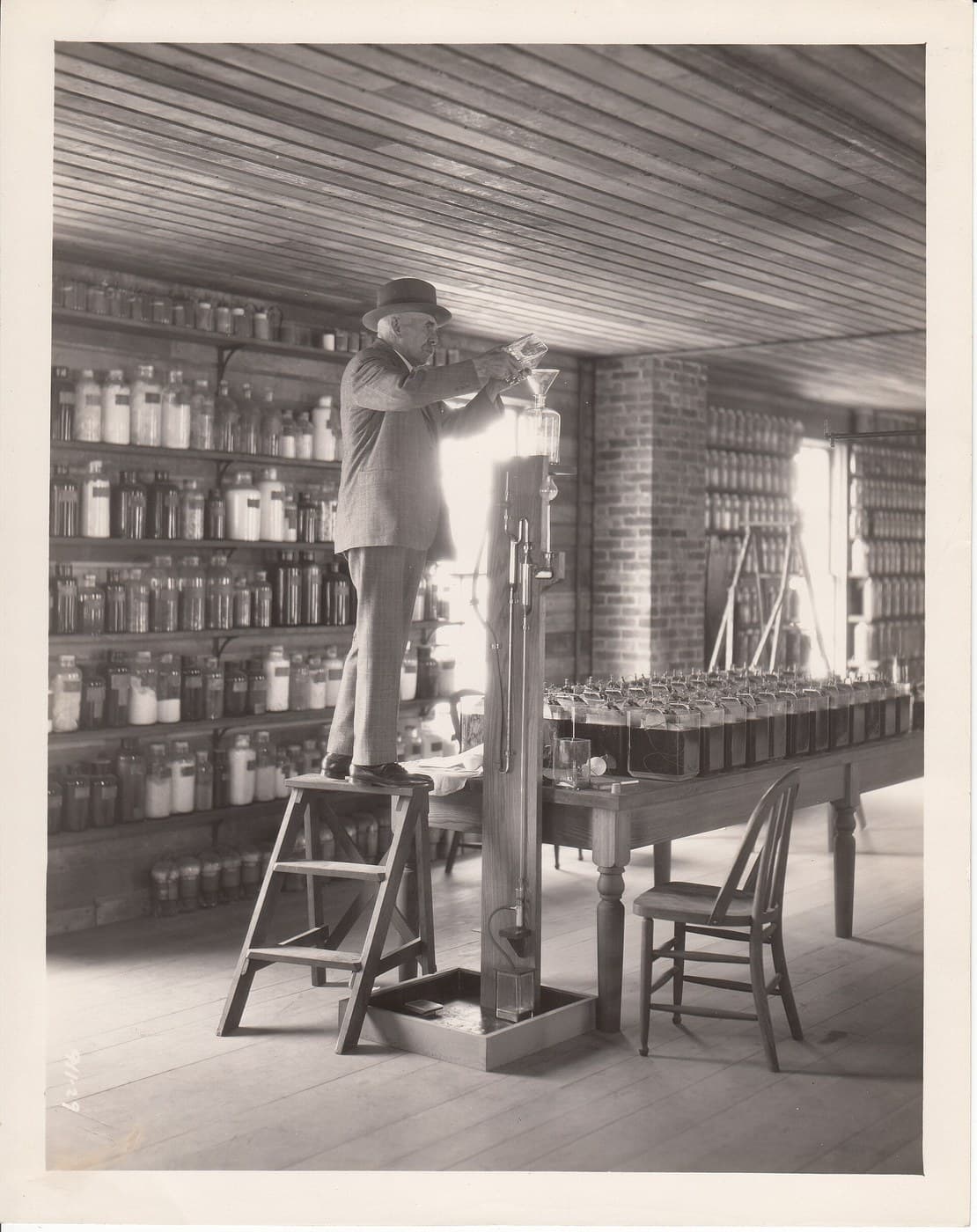
Sprengel Mercury Pump
від Charlie
ТЕХНОЛОГІЯ
34
0
0
0
0
0
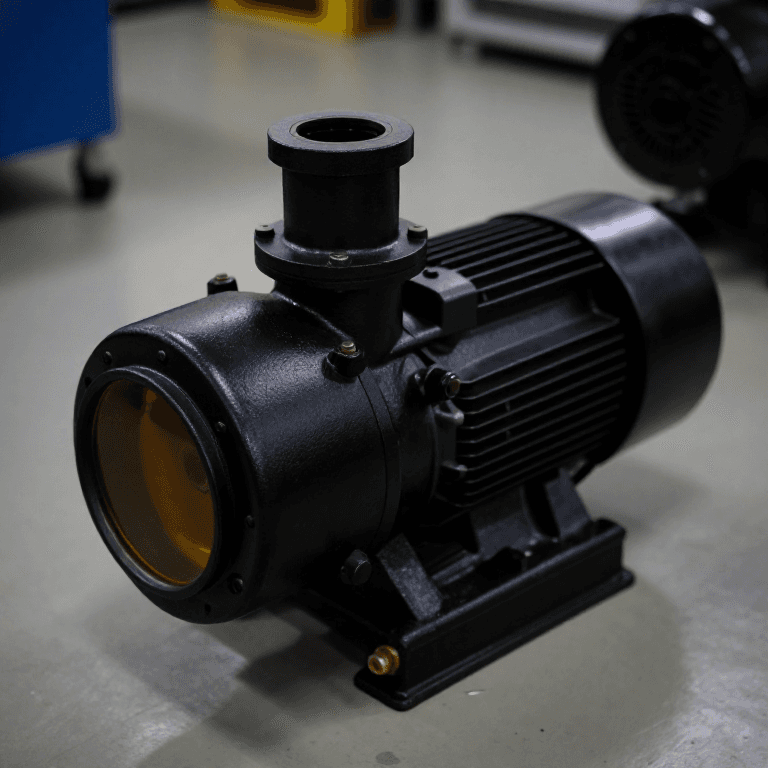
Rotary Vane Vacuum Pump
від Emma
ТЕХНОЛОГІЯ
40
0
0
0
0
0
The Arc Lamp: Burning Carbons and Keeping the Gap
від Volt
електроніка
2
0
0
0
0
0

Ohm's Law at the Bench: Picking the Resistor That Saves the LED
від Volt
електроніка
23
0
0
0
0
0
The Fuse Protects the Wire, Not the Thing You Plugged In
від Volt
ТЕХНОЛОГІЯ
25
0
0
0
0
0
The Gramme Ring: A Continuous Winding for Steady Current
від Volt
електроніка
2
0
0
0
0
0
CC0 Суспільне надбання
Це креслення випущено під ліцензією CC0. Ви можете вільно копіювати, змінювати, поширювати та використовувати цю роботу для будь-яких цілей без запиту дозволу.
Підтримайте мейкера, купуючи продукти через його креслення, де він отримує Комісію мейкера встановлену вендорами, або створіть нову ітерацію цього креслення та включіть його як зв'язок у власне креслення для розподілу доходу.