Співпраця
МИСТЕЦТВО
КРАСА ТА ЗДОРОВ'Я
РЕМЕСЛО
КУЛЬТУРА ТА ІСТОРІЯ
РОЗВАГИ
СЕРЕДОВИЩЕ
ЇЖА ТА НАПІЇ
ЗБОРНА ІНЖЕНЕРІЯ
НАУК
СПОРТ
ТЕХНОЛОГІЯ
НОСИМО
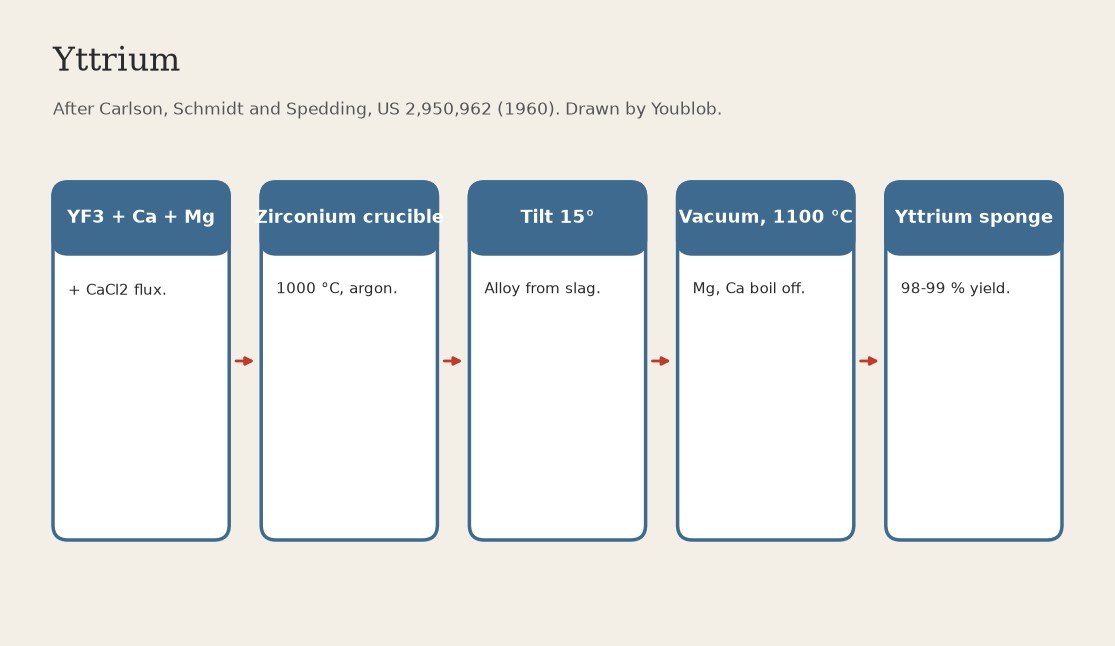


Yttrium: Fluoride Reduced with Calcium and Magnesium at 1000 °C, then Distilled to Sponge (Carlson, Schmidt and Spedding, US 2,950,962)
Calcium alone reduces yttrium fluoride only at 1500 °C. Adding magnesium makes a low-melting yttrium-magnesium alloy, and calcium chloride thins the slag, so the job runs at about 1000 °C. The magnesium and calcium are then boiled off in vacuum, leaving yttrium sponge.
Result: yttrium sponge (yield 98-99 % in the alloy step), usable as a getter or remelted to an ingot.
Source: O. N. Carlson, F. A. Schmidt and F. H. Spedding, US 2,950,962 (1960). Hot work under argon; calcium reacts with water. Picture drawn by Youblob.
Просунутий
2 days
Інструкції
1
1
Weigh and mix the charge
Weigh and mix the charge
Dry the calcium chloride in vacuum at about 550 °C. Mix thoroughly 2600 g of pure, fine yttrium fluoride, 2090 g of calcium chloride, 1285 g of granular calcium (about 20 % excess) and 395 g of magnesium turnings, and pack it into a zirconium crucible with a lid carrying a pressure-release valve.
Матеріали для цього кроку:
 Фторид ітрію1 2600 g
Необхідні інструменти ({count})
 Кальцій
 Магній
 Хлорид кальцію
 Вакуумний насос
 Цирконієвий тигель
2
2
Reduce at about 1000 °C
Reduce at about 1000 °C
Under argon (or helium) at about atmospheric pressure, set the crucible in a furnace already at 950-1050 °C and keep heating for about half an hour; the reaction gives off little heat. An yttrium-magnesium-calcium alloy forms under a calcium fluoride-calcium chloride slag.
Необхідні інструменти ({count})
Цирконієвий тигель Тигельна піч
 Аргон
3
3
Separate alloy and slag
Separate alloy and slag
Take the retort out and tilt it about 15° from horizontal so the slag and alloy freeze in thin layers along the side wall, then break them apart. The alloy is brittle (typically 19 % magnesium, 7-8 % calcium). Crush it to pieces of about 1/2 in.
Необхідні інструменти ({count})
Цирконієвий тигель Ступка з товкачиком
4
4
Boil off magnesium and calcium in vacuum
Boil off magnesium and calcium in vacuum
Pack the pieces in a crucible of the same metal set in a graphite heater inside a quartz tube. Pump down to about 1 micron or less and heat by induction to about 800 °C, then more slowly to 1100 °C (about three hours). The alloy does not melt; magnesium and calcium distil away (about 27 % weight loss), leaving porous yttrium sponge.
Необхідні інструменти ({count})
Цирконієвий тигель Графітовий тигель
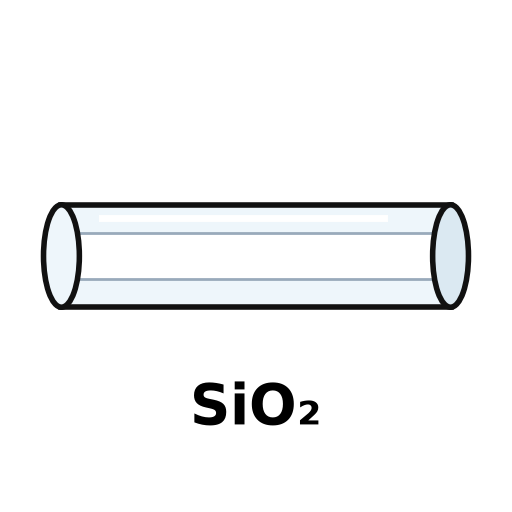 Трубка з плавленого кварцуВакуумний насос
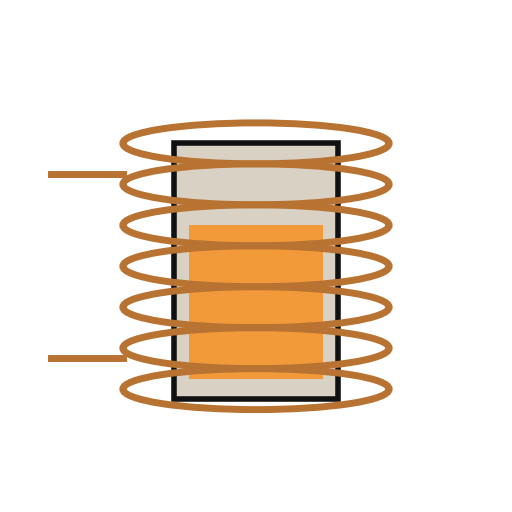 Індукційна піч
5
5
Remelt to an ingot (optional)
Remelt to an ingot (optional)
Use the sponge as it is (for example as a getter in vacuum tubes), or remelt it in a consumable arc furnace under helium or vacuum to get a solid ingot.
Необхідні інструменти ({count})
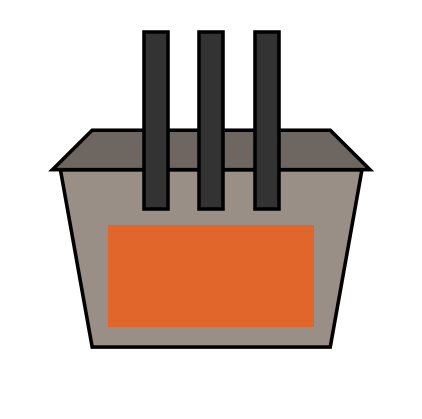 Дугова електропіч
Матеріали
1- 1 2600 gЗаповнювач
Необхідні інструменти
12- Заповнювач
- Заповнювач
- Заповнювач
- 1 vendor sell this, none ship to you yetЗаповнювач
- Заповнювач
- Заповнювач
- Заповнювач
- Заповнювач
- Заповнювач
- Заповнювач
- Заповнювач
- Заповнювач
За цим кресленням виготовляють

Пов'язані креслення
Ці креслення діляться знаннями — техніки, матеріали або принципи
CC0 Суспільне надбання
Це креслення випущено під ліцензією CC0. Ви можете вільно копіювати, змінювати, поширювати та використовувати цю роботу для будь-яких цілей без запиту дозволу.
Підтримайте мейкера, купуючи продукти через його креслення, де він отримує Комісію мейкера встановлену вендорами, або створіть нову ітерацію цього креслення та включіть його як зв'язок у власне креслення для розподілу доходу.