From Vicuña Fiber to Yarn — The Fiber of the Inca Gods
Instructions
Get Legally Sourced Fiber
Get Legally Sourced Fiber
The vicuña is protected by CITES (Convention on International Trade in Endangered Species). The fiber can only be legally obtained from authorized Andean communities that practice the chaccu — a ceremonial shearing of live animals that are then released. Always verify the certification of origin.
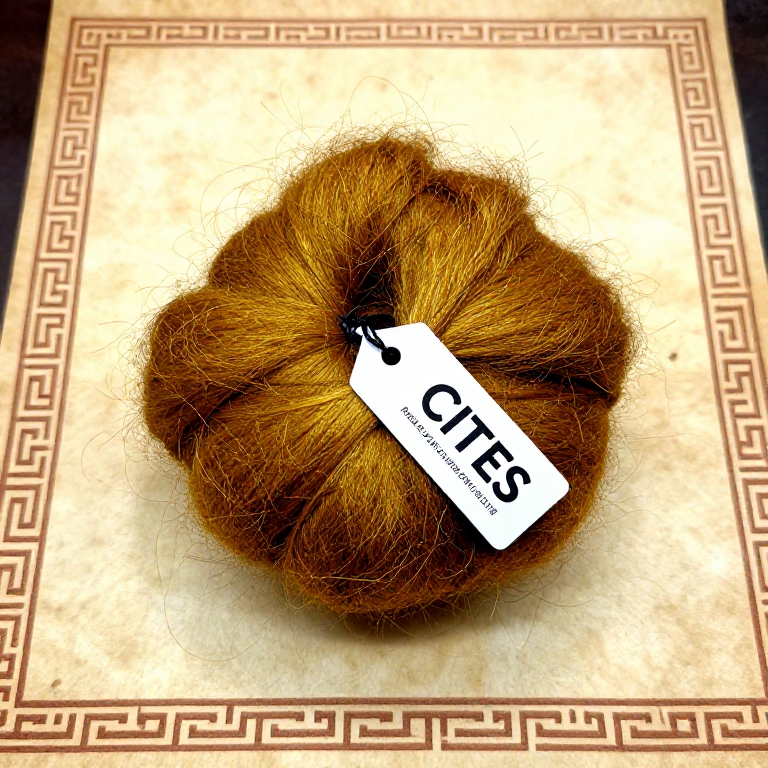
Materials for this step:
 Lã de Vicunha (Fibra Bruta)200 g
Understanding the Fiber
Understanding the Fiber
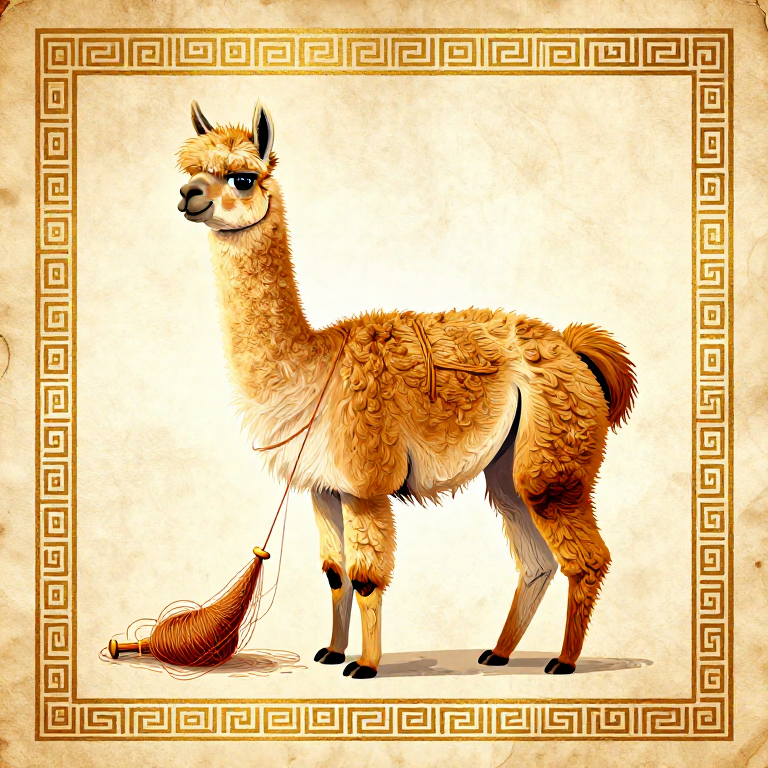
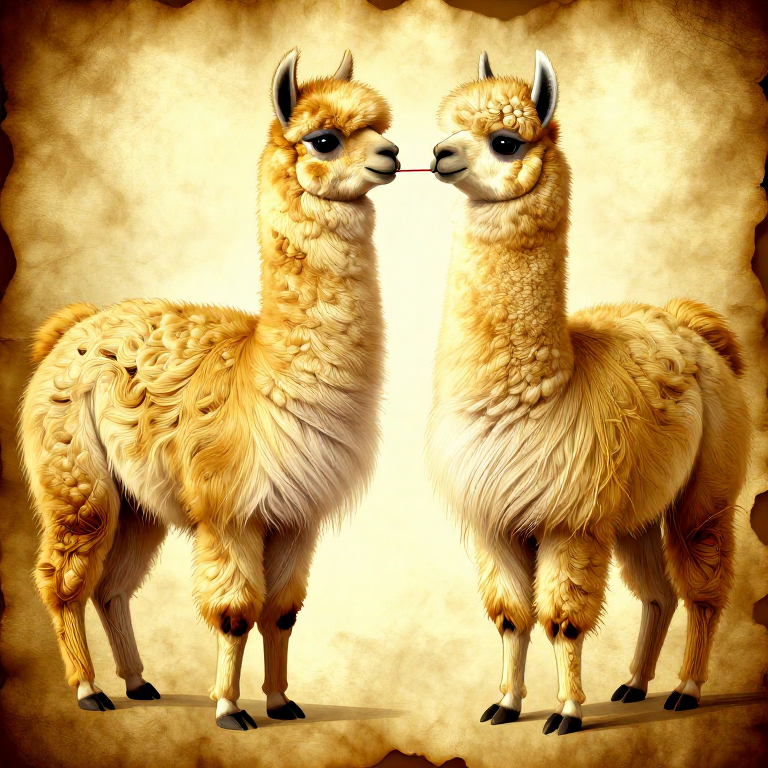
Vicuña fiber is 12-13 microns in diameter — finer than cashmere (15-19μ), mohair (25-45μ), or merino wool (15-23μ). Each animal produces only 200-300 g every two years. The fiber is golden cinnamon-colored on the back and white on the chest. Treat every gram with respect.
Separate Guard Hair
Separate Guard Hair
Like the llama, the vicuña has some coarser outer hair mixed with the ultrafine down. Separate carefully by hand. The difference in thickness is more subtle — it requires good lighting and patience.
Ultra-Gentle Wash
Ultra-Gentle Wash
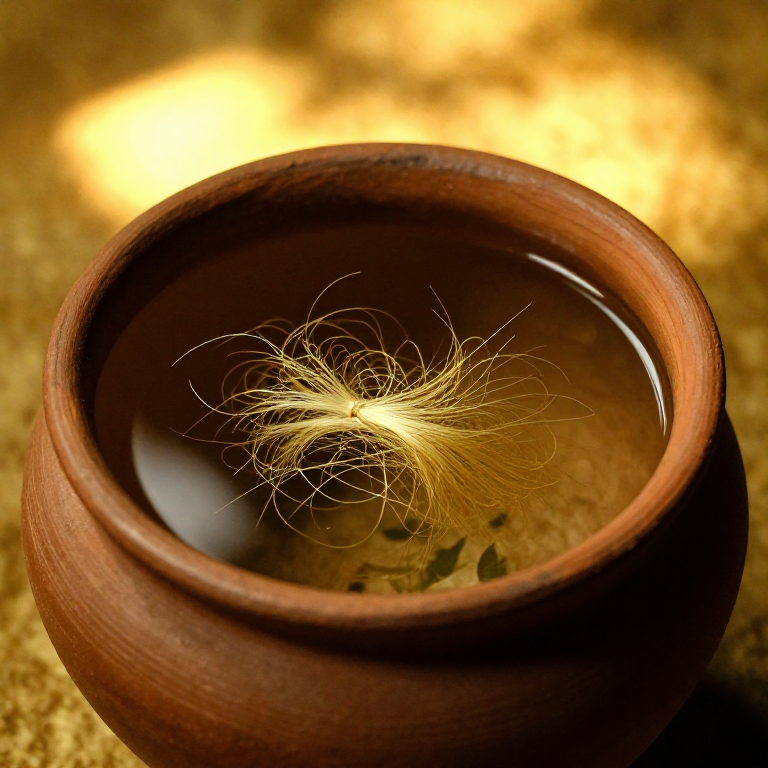
Soak the fiber in lukewarm water at 25-30°C — cooler than for alpaca or llama. The fiber is so fine that any agitation or excessive temperature causes irreversible felting. Let it soak for 15 minutes. Do not touch.
Materials for this step:
 Água5 liters
Careful Rinse
Careful Rinse
Transfer the fiber to clean water at the same temperature. Never change the temperature abruptly — thermal shock felts the fiber instantly. A single rinse is usually sufficient.
Dry Without Pressure
Dry Without Pressure
Remove the fiber from the water with both hands open, like a cloud. Place it on a fine mesh in the shade. Never squeeze, twist or press. Let it dry naturally — it may take 24 hours.
Open the Locks Gently
Open the Locks Gently
With the tips of your fingers, gently open each locks of dry fiber. Vicuña fiber is so fine that it almost floats — work in a space without drafts.
Carding with Fine Cards
Carding with Fine Cards
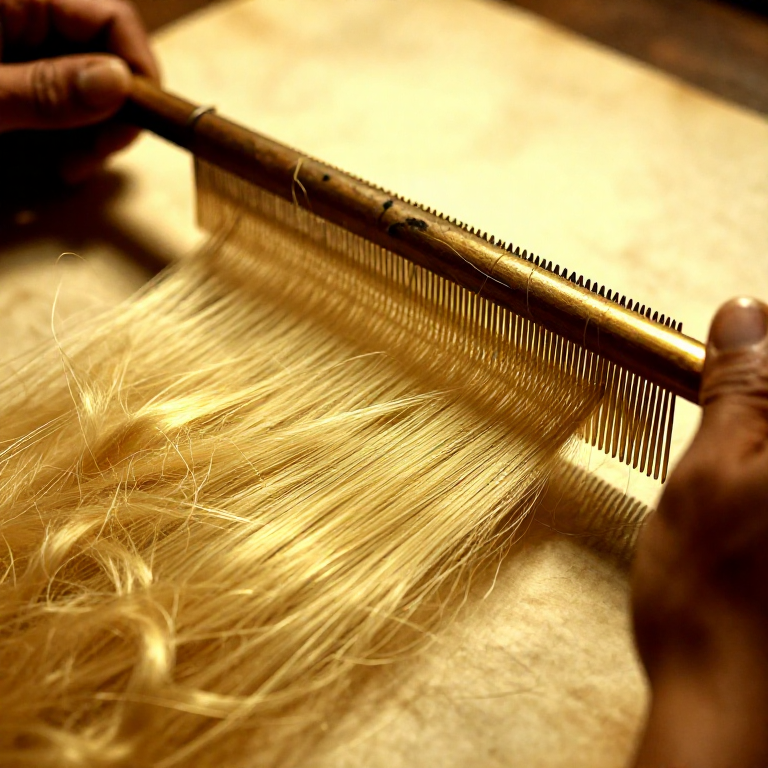
Use hand cards with fine, tight teeth. Load a minimal amount of fiber — half of what you would use for alpaca. Pass the second card with ultra-gentle movements, only 3-4 times. Overcarding damages the fiber.
Tools needed:
 Hand Carders
Form Small Rolags
Form Small Rolags
Roll the carded fiber into very small and light rolags. Each rolag should have little fiber — vicuna is spun into extremely fine yarn, and large rolags would be wasted.
Choosing a Lightweight Spindle
Choosing a Lightweight Spindle
Use the lightest drop spindle available — ideally less than 20 grams. A heavy spindle breaks ultrafine fiber. Traditional Andean spindles for vicuña are small and delicate, often made of bone or very lightweight wood.
Tools needed:
 Fuso de Queda
Spinning with Minimal Drafting
Spinning with Minimal Drafting
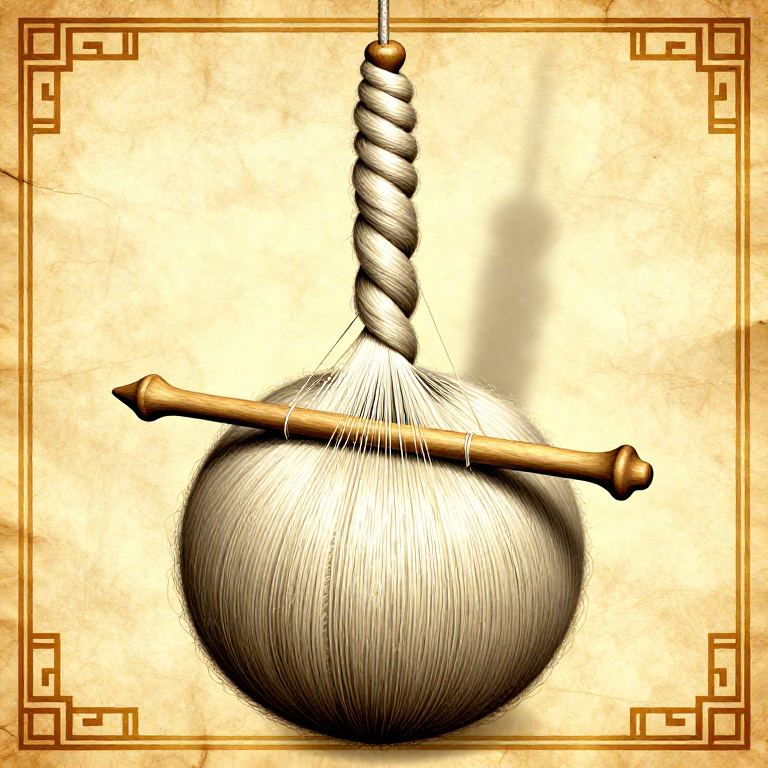
The vicuña is the finest fiber in the world — draft only 3-5 cm at a time. Add much more twist than for alpaca or sheep. High twist is essential to give strength to such a fine yarn. The resulting yarn will be almost like sewing thread.
Maintain Constant Tension
Maintain Constant Tension
The key to spinning vicuña is maintaining constant tension between your hands and the spindle. Any variation creates weak points in the yarn. This requires practice — spinning vicuña is considered the highest level of the art of hand spinning.
Spin Entire Batch
Spin Entire Batch
Continue spinning all the rolags. Remember: each gram of fiber represents a rare and precious resource. Minimize waste. Traditional Andean spinners don't lose a single fiber.
Twist Two Yarns
Twist Two Yarns
Twist two single yarns together in the opposite direction. The twisted vicuña yarn will be thin but surprisingly strong. Double twisting also smooths the surface, enhancing its natural silky sheen.
Fix the Twist
Fix the Twist
Soak the twisted yarn in warm water (25°C) for 15 minutes. Remove carefully, squeeze between open palms and hang with minimal weight to dry.
Materials for this step:
Água2 litersWinding into a Skein
Winding into a Skein
Wind the dry yarn into a small skein. A whole vicuña fleece (200-300 g) yields perhaps 150-200 g of finished yarn — enough for a small scarf.
Appreciate the Result
Appreciate the Result
Hand-spun vicuña yarn is one of the most precious textile materials in the world. It is warmer than cashmere, softer than silk, and represents a handcraft tradition with more than 5,000 years of Andean history.
Conservation and Respect
Conservation and Respect
The vicuña was almost driven to extinction in the 20th century — from 2 million in the time of the Incas to just 6,000 in 1974. Thanks to CITES protection and the return of the community-based chaccu, the population has recovered to more than 350,000. Every vicuña fiber carries this story of near-extinction and rebirth.
Tools Required
2- Placeholder
- Placeholder
This blueprint makes
CC0 Public Domain
This blueprint is released under CC0. You are free to copy, modify, distribute, and use this work for any purpose, without asking permission.
Support the Maker by purchasing products through their Blueprint where they earn a Maker Commission set by Vendors, or create a new iteration of this Blueprint and include it as a connection in your own Blueprint to share revenue.