ART
BEAUTY & WELLNESS
CRAFT
CULTURE & HISTORY
ENTERTAINMENT
ENVIRONMENT
FOOD & DRINKS
REVERSE ENGINEERING
SCIENCES
SPORTS
TECHNOLOGY
WEARABLES
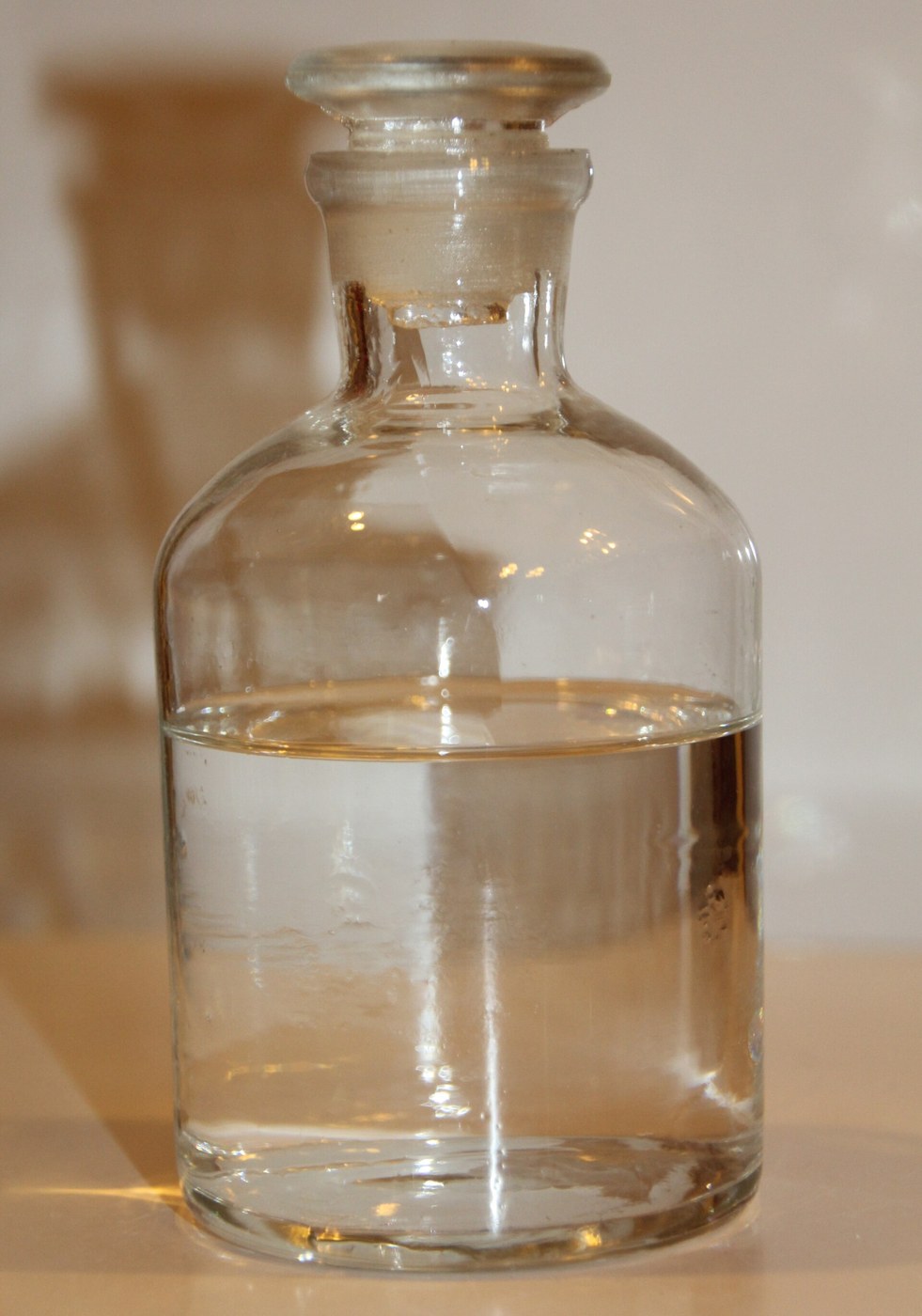


Acetone by Dry Distillation of Acetate of Lime
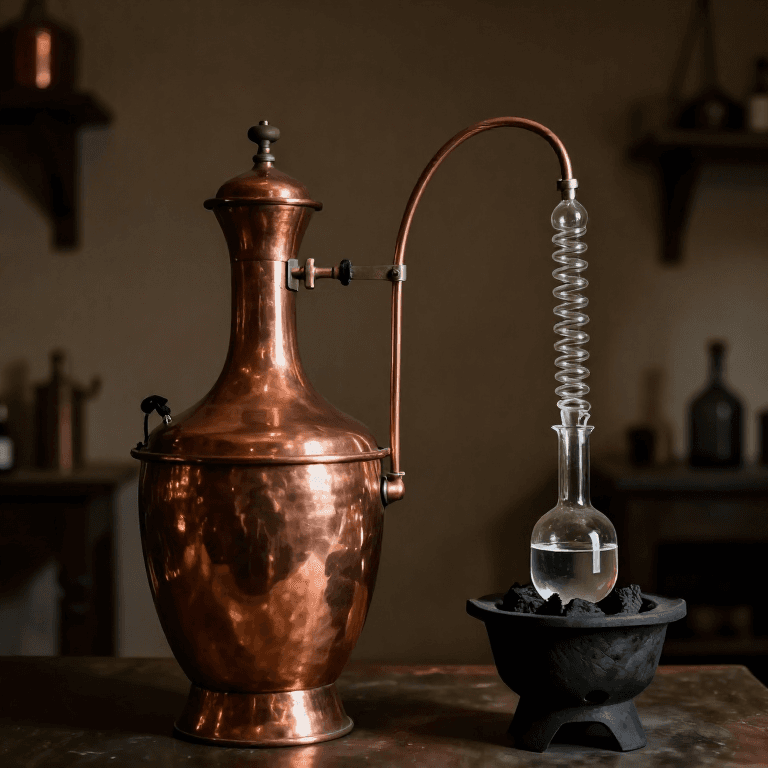
Before the cumene process, acetone was made from "acetate of lime", calcium acetate. Limestone (calcium carbonate) soaked in vinegar gives calcium acetate; when the dry salt is heated it breaks down into calcium carbonate and acetone: Ca(CH₃COO)₂ → CaCO₃ + (CH₃)₂CO. Charles Friedel reported this dry distillation in 1858, and until World War I it was the main commercial way to make acetone. The calcium carbonate is left behind in the retort and the acetone distils over.
Intermediate
2–3 days
Instructions
1
1
Make calcium acetate
Make calcium acetate
Soak crushed limestone in vinegar. The acetic acid dissolves the calcium carbonate as calcium acetate.
Materials for this step:
 Calcium Carbonate - Crushed Limestone1 as required
 Vinegar1 as required
Tools needed:
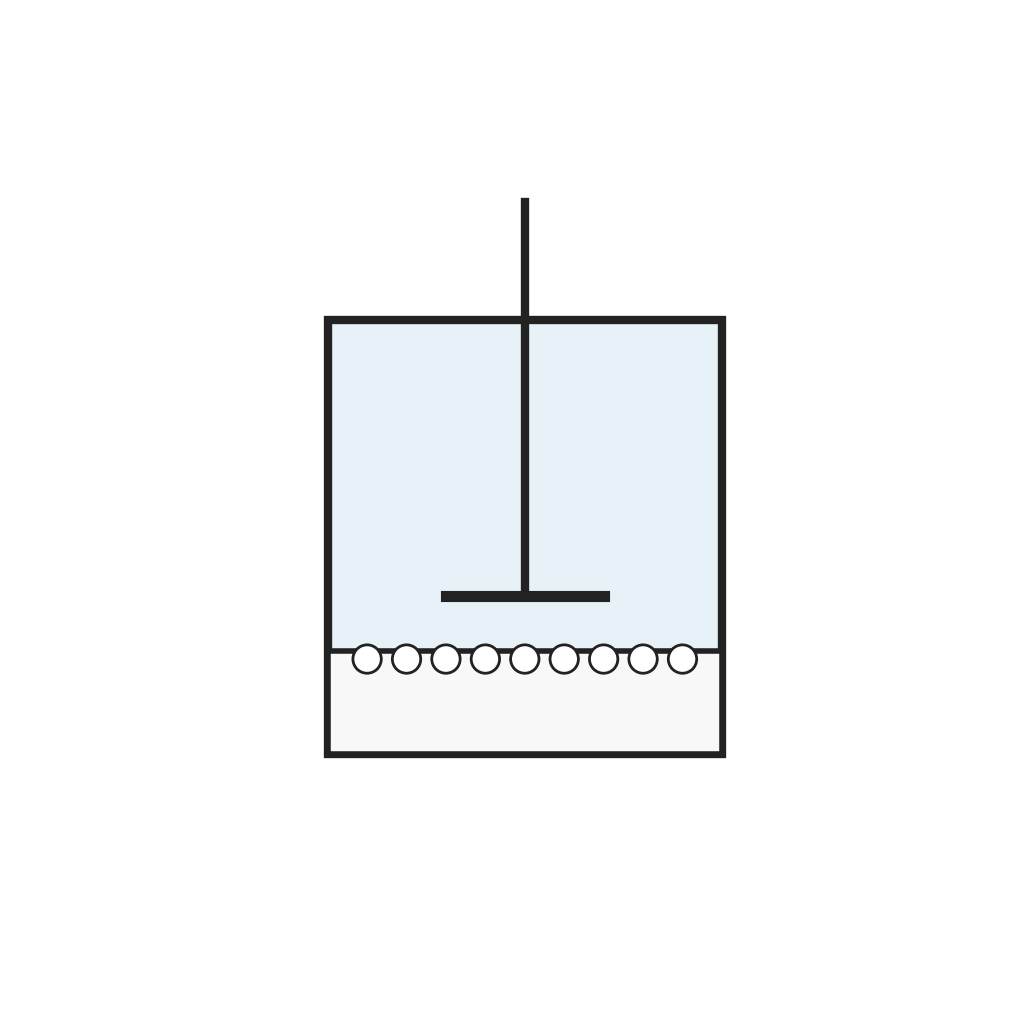 Precipitation Tank
2
2
Dry the salt
Dry the salt
Draw off the solution and evaporate the water to leave dry calcium acetate.
Tools needed:
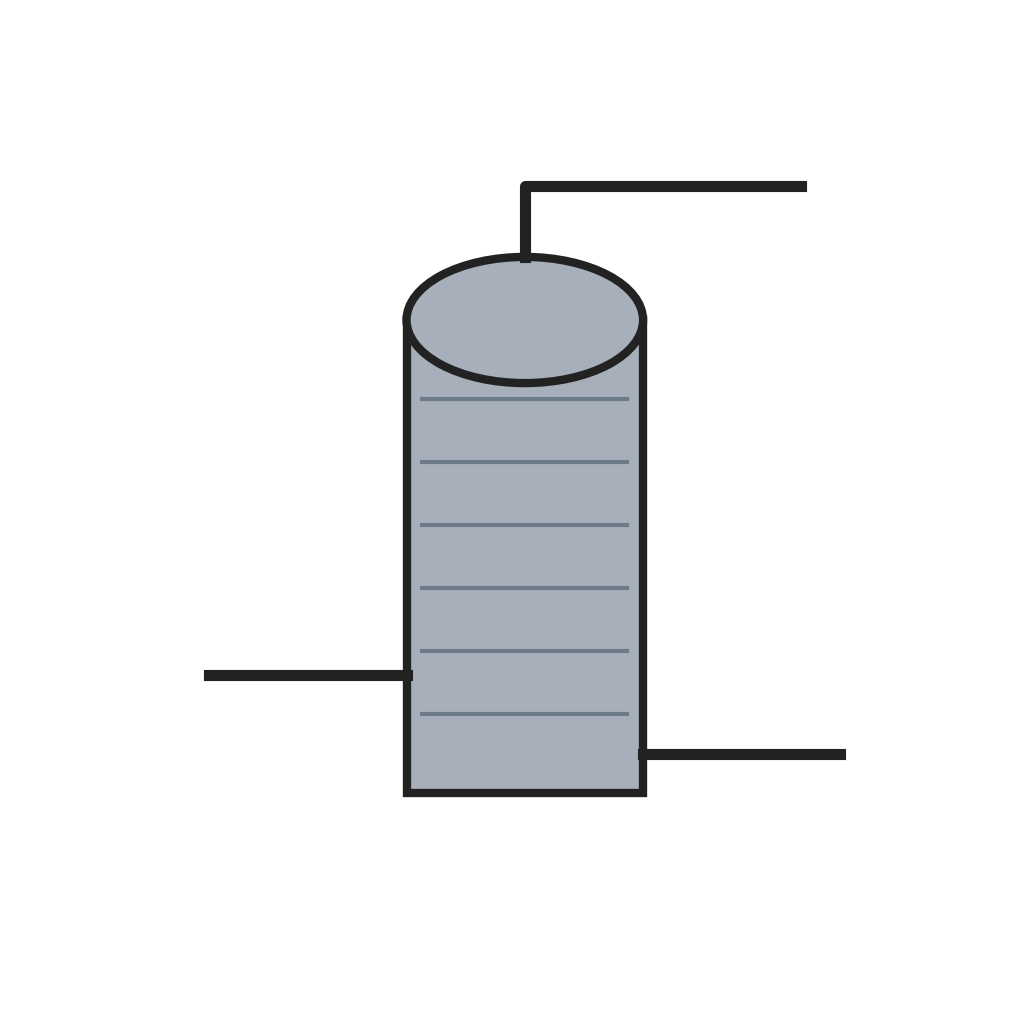 Evaporator
3
3
Dry-distil
Dry-distil
Heat the dry calcium acetate in a closed retort. It decomposes into calcium carbonate, which stays behind, and acetone, which comes off as vapour; condense it.
Tools needed:
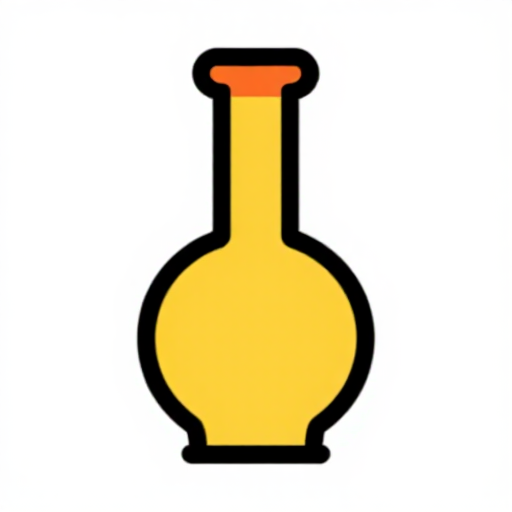 Iron Retort
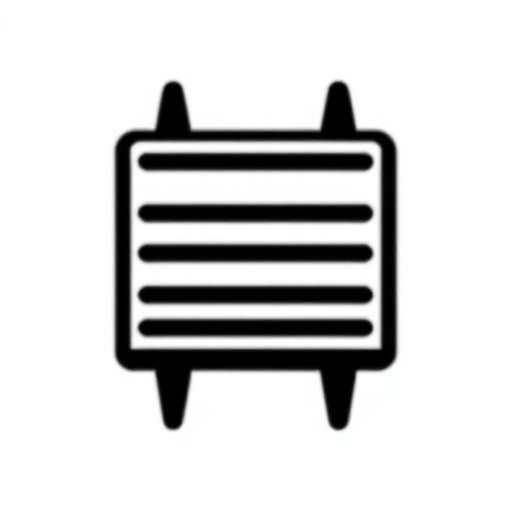 Condenser Coil
Materials
2- 1 as requiredPlaceholder
- 1 as requiredPlaceholder
Tools Required
4- Placeholder
- Placeholder
- Placeholder
- Placeholder
Related Blueprints
These blueprints share knowledge with this one — techniques, materials, or principles that connect them in the learning graph.

CC0 Public Domain
This blueprint is released under CC0. You are free to copy, modify, distribute, and use this work for any purpose, without asking permission.
Support the Maker by purchasing products through their Blueprint where they earn a Maker Commission set by Vendors, or create a new iteration of this Blueprint and include it as a connection in your own Blueprint to share revenue.