ART
BEAUTY & WELLNESS
CRAFT
CULTURE & HISTORY
ENTERTAINMENT
ENVIRONMENT
FOOD & DRINKS
REVERSE ENGINEERING
SCIENCES
SPORTS
TECHNOLOGY
WEARABLES
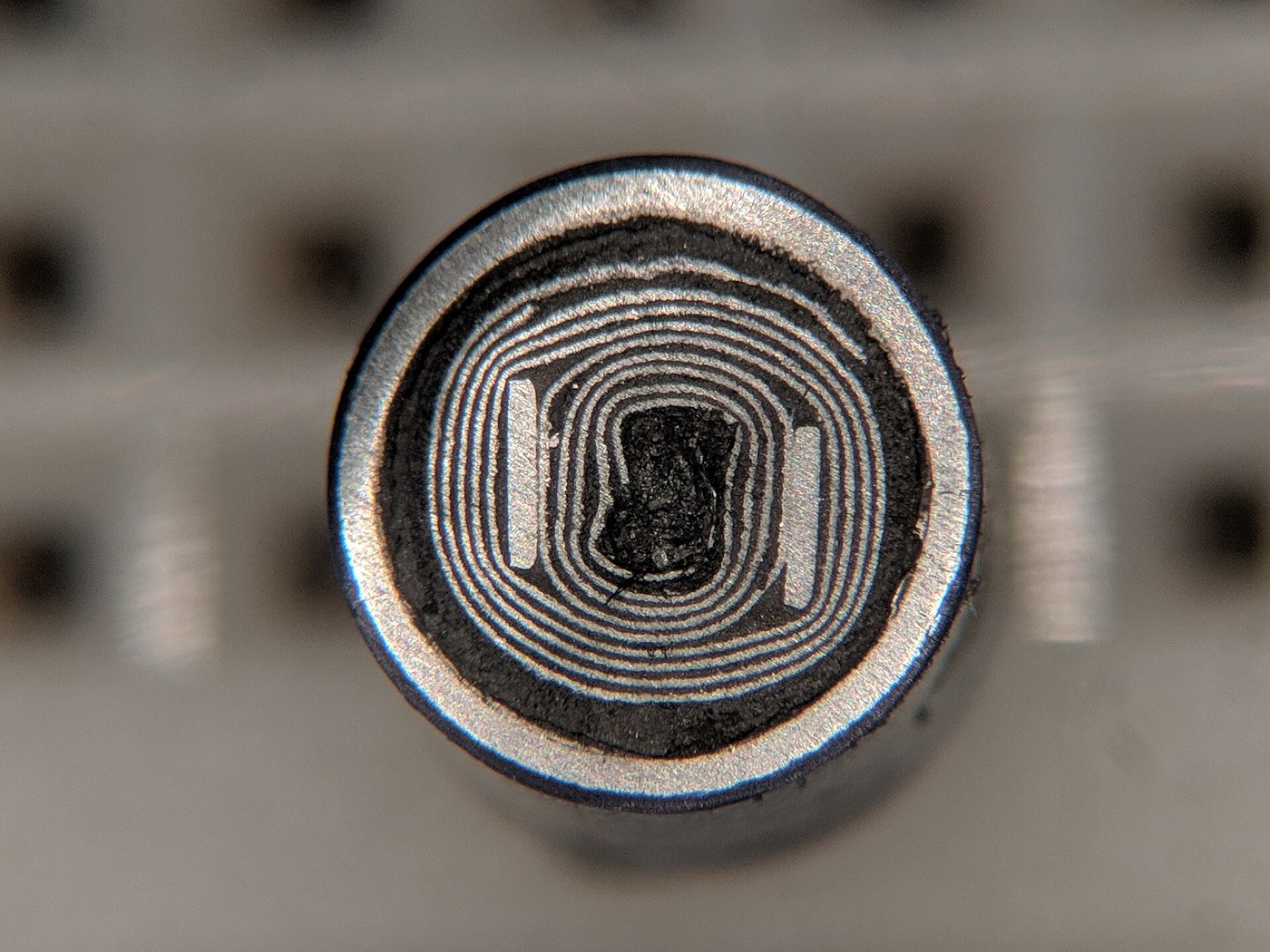


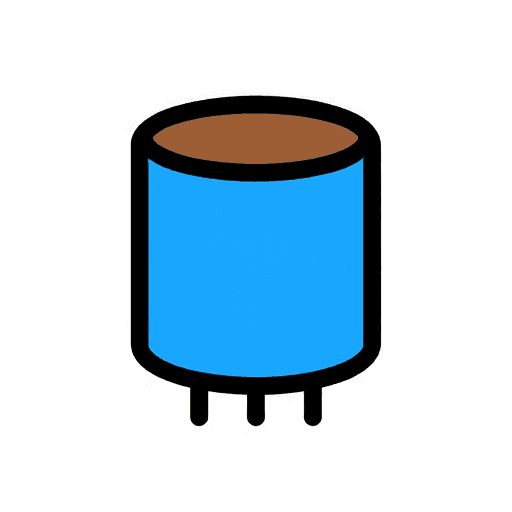
Aluminium Electrolytic Capacitors: Wound, Soaked and Sealed
An aluminium electrolytic capacitor is two aluminium foils wound up with a paper spacer between them. The anode foil is etched rough to multiply its surface and then "formed": a voltage in an electrolytic bath grows an insulating oxide layer whose thickness follows the forming voltage, and that oxide is the dielectric. The liquid electrolyte soaked into the paper, commonly ethylene glycol with boric acid, is the real cathode; the second foil only connects to it. The foils and paper are cut to width, wound with their terminals welded on, soaked with electrolyte under vacuum, put in an aluminium can, sealed with a rubber disc by curling the can's edge, sleeved, and finally run at rated voltage in heat to heal any oxide damaged by cutting and winding.
Advanced
Factory process
Instructions
1
1
Cut the foils and paper
Cut the foils and paper
Cut the etched and formed anode foil, the spacer paper and the cathode foil from their mother rolls to width.
Materials for this step:
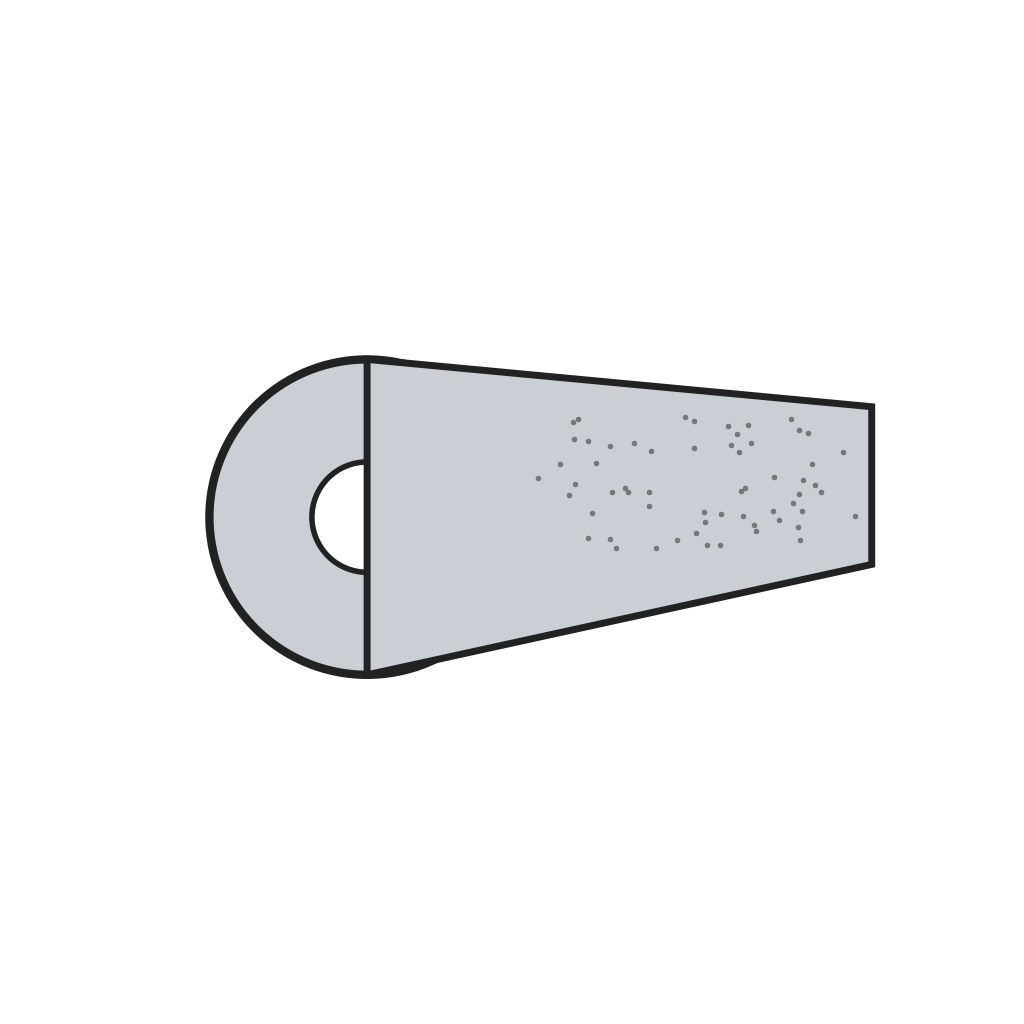 Etched and Formed Anode Foil1 as required
 Aluminium Foil1 as required
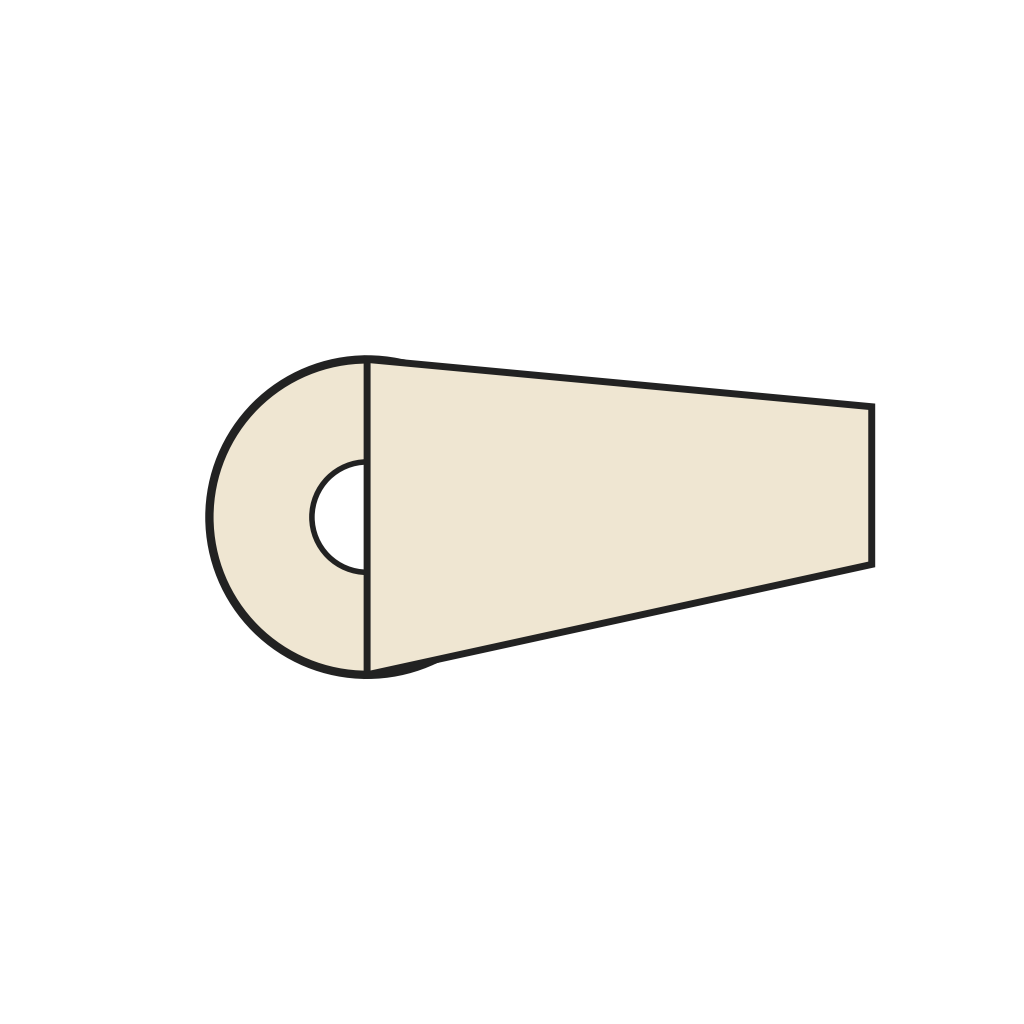 Capacitor Spacer Paper1 as required
2
2
Wind
Wind
Weld on the terminals, wind the foils with the paper between them, and cut the winding to length.
Tools needed:
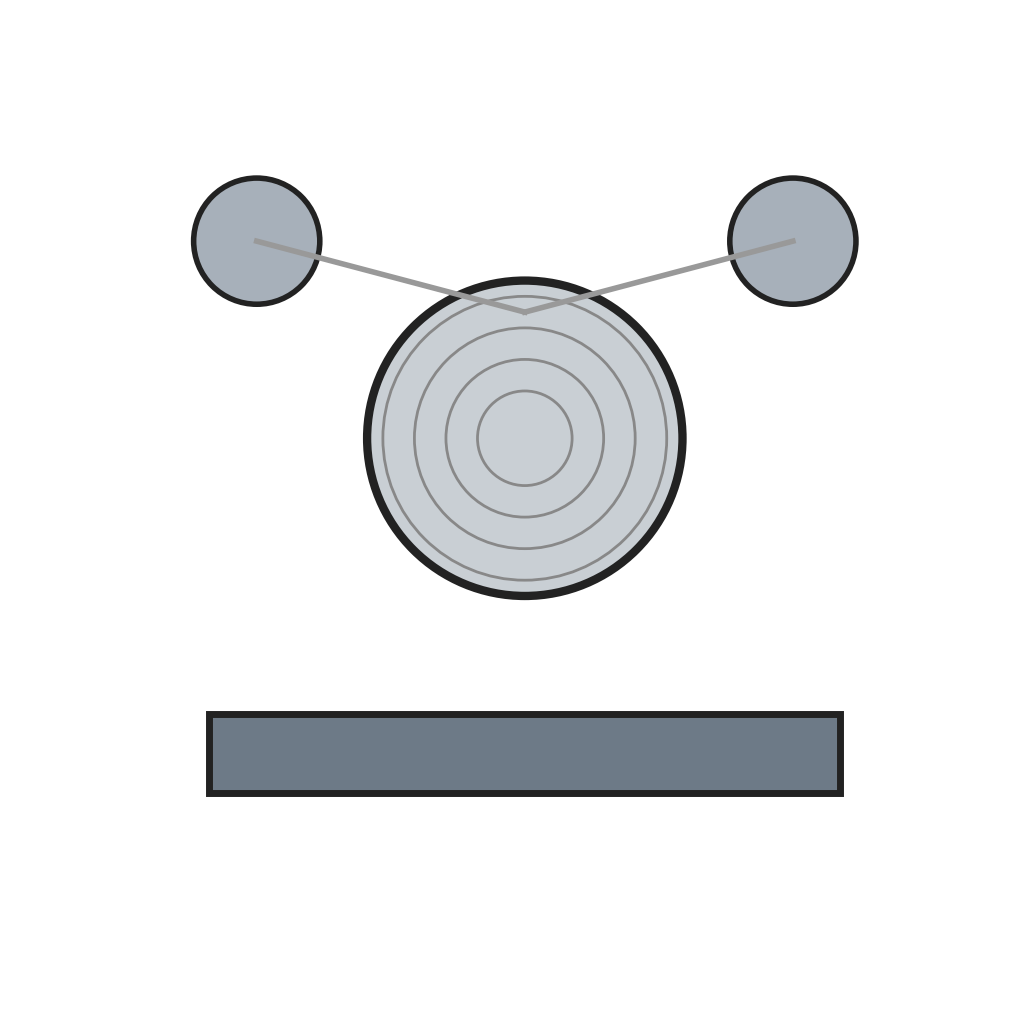 Capacitor Winding Machine
3
3
Impregnate
Impregnate
Soak the winding with electrolyte under vacuum.
Materials for this step:
 Ethylene Glycol1 as required
 Boric Acid1 as required
Tools needed:
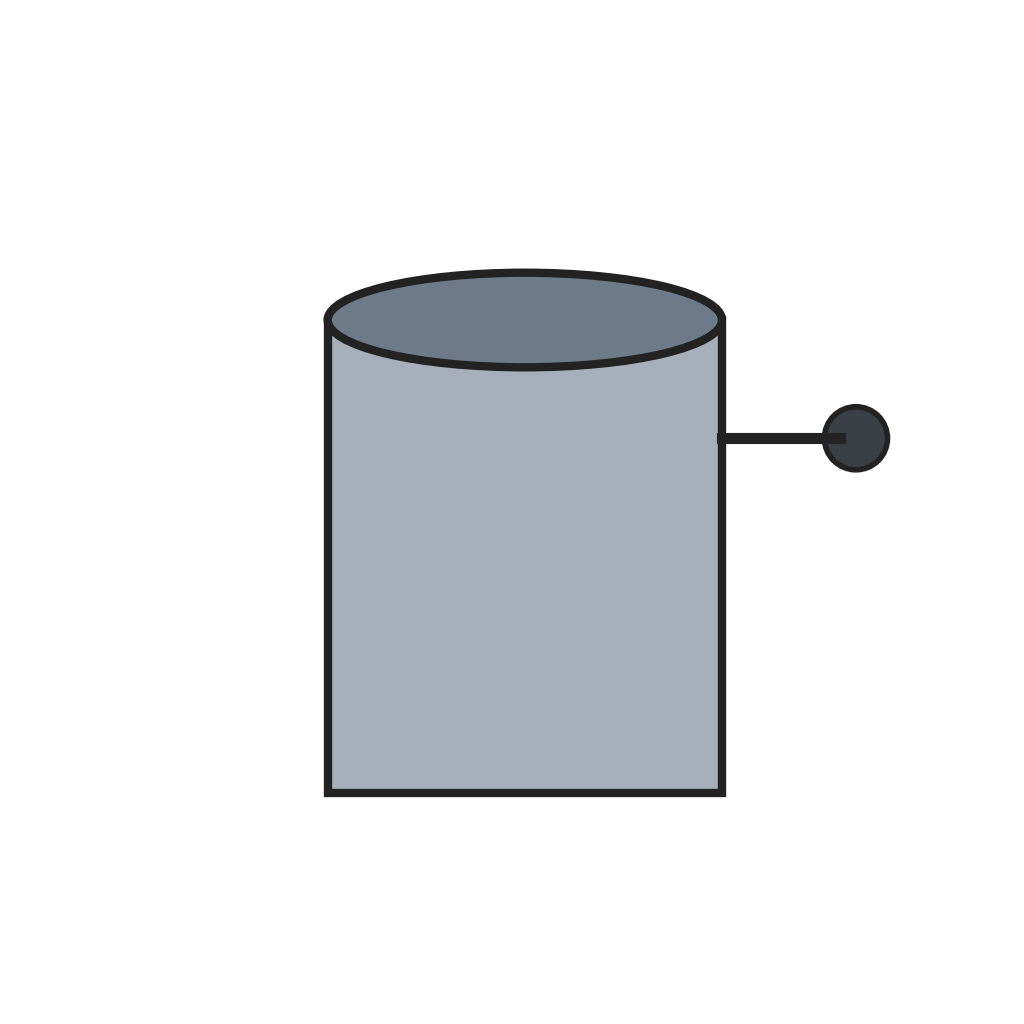 Vacuum Impregnation Chamber
4
4
Case and seal
Case and seal
Put the winding in the aluminium can, fit the rubber sealing disc and curl the can's edge to seal it; add the insulating sleeve.
Materials for this step:
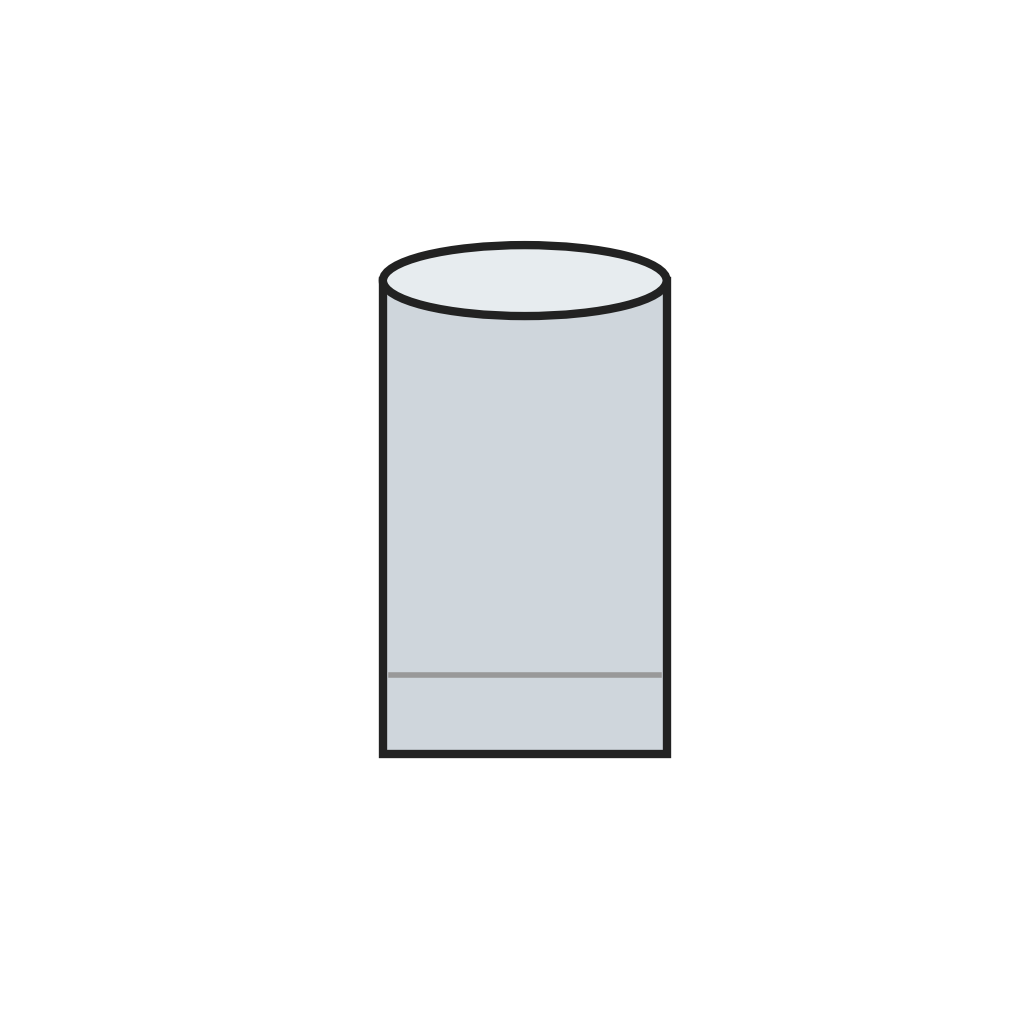 Aluminium Capacitor Can1 piece
 Rubber Sealing Disc1 piece
 Heat Shrink Tubing1 piece
5
5
Post-form and test
Post-form and test
Apply rated voltage at high temperature to heal the oxide, then measure capacitance, leakage current and impedance.
Tools needed:
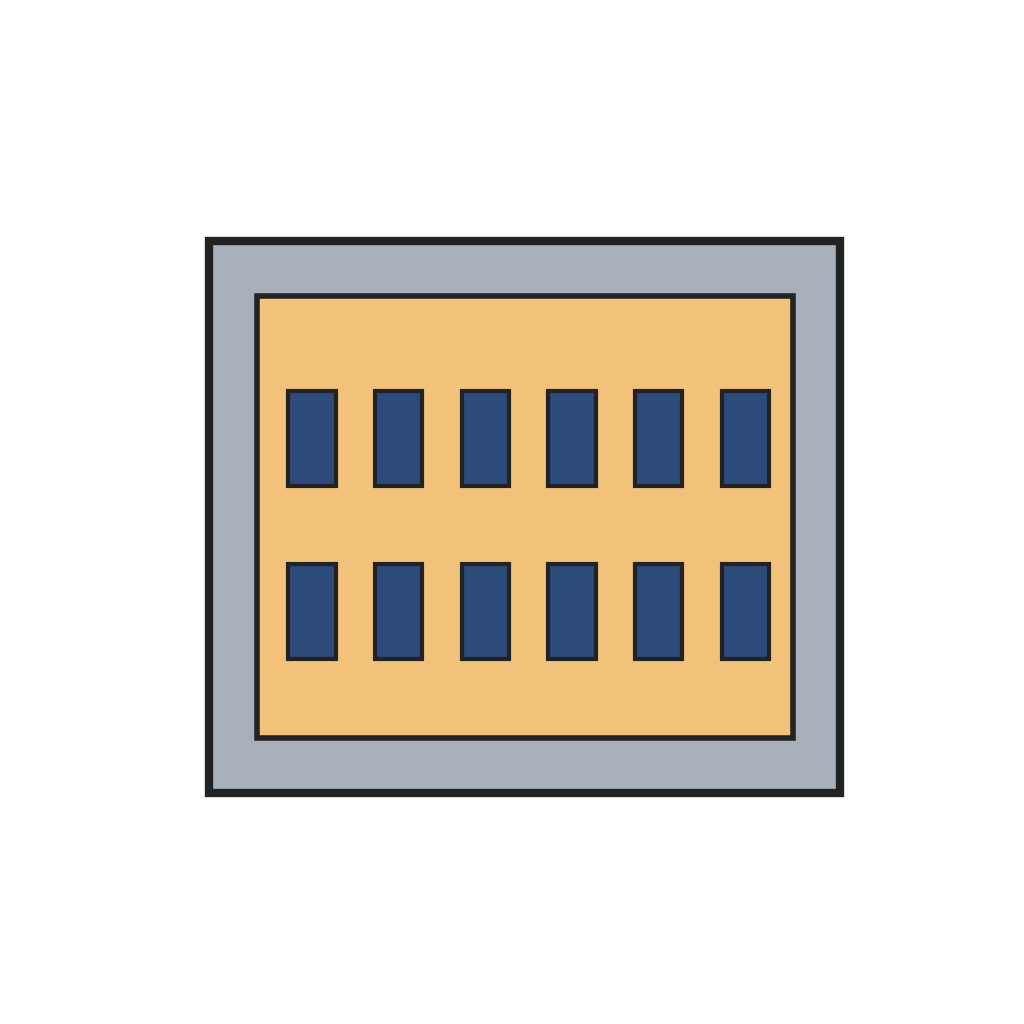 High-Temperature Post-Forming Rack
Materials
8- 1 as requiredPlaceholder
- 1 as requiredPlaceholder
- 1 as requiredPlaceholder
- 1 as requiredPlaceholder
- 1 as requiredPlaceholder
- 1 piecePlaceholder
- 1 piecePlaceholder
- 1 piecePlaceholder
Tools Required
3- Placeholder
- Placeholder
- Placeholder
This blueprint makes
Related Blueprints
These blueprints share knowledge with this one — techniques, materials, or principles that connect them in the learning graph.
CC0 Public Domain
This blueprint is released under CC0. You are free to copy, modify, distribute, and use this work for any purpose, without asking permission.
Support the Maker by purchasing products through their Blueprint where they earn a Maker Commission set by Vendors, or create a new iteration of this Blueprint and include it as a connection in your own Blueprint to share revenue.