ART
BEAUTY & WELLNESS
CRAFT
CULTURE & HISTORY
ENTERTAINMENT
ENVIRONMENT
FOOD & DRINKS
REVERSE ENGINEERING
SCIENCES
SPORTS
TECHNOLOGY
WEARABLES
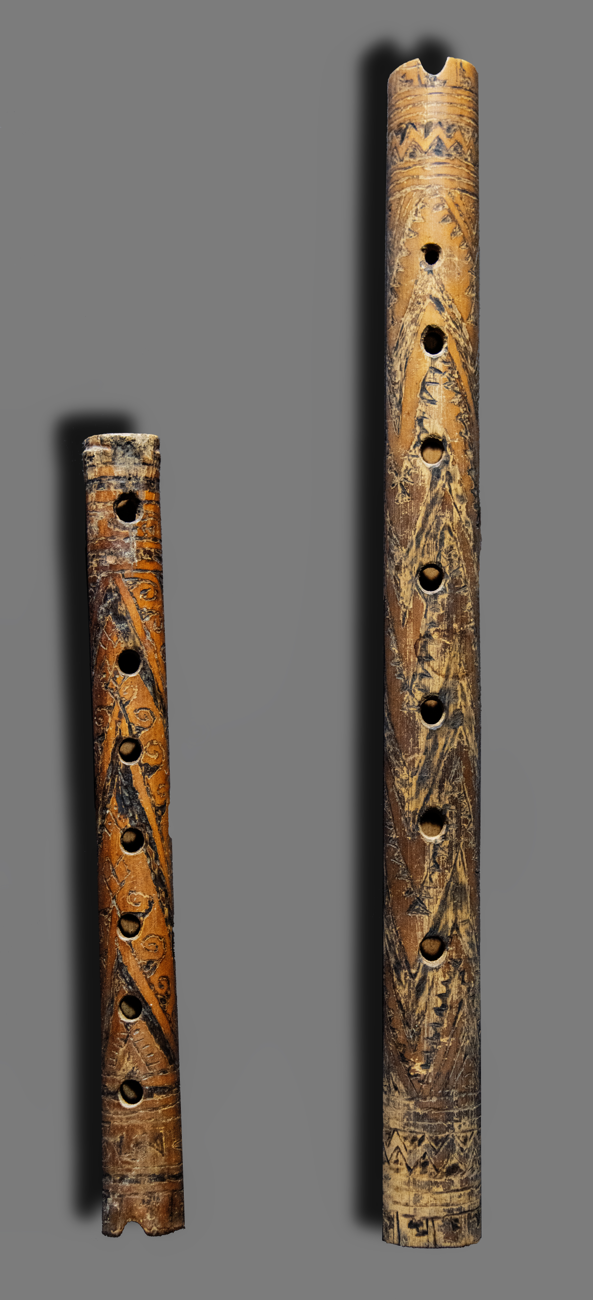
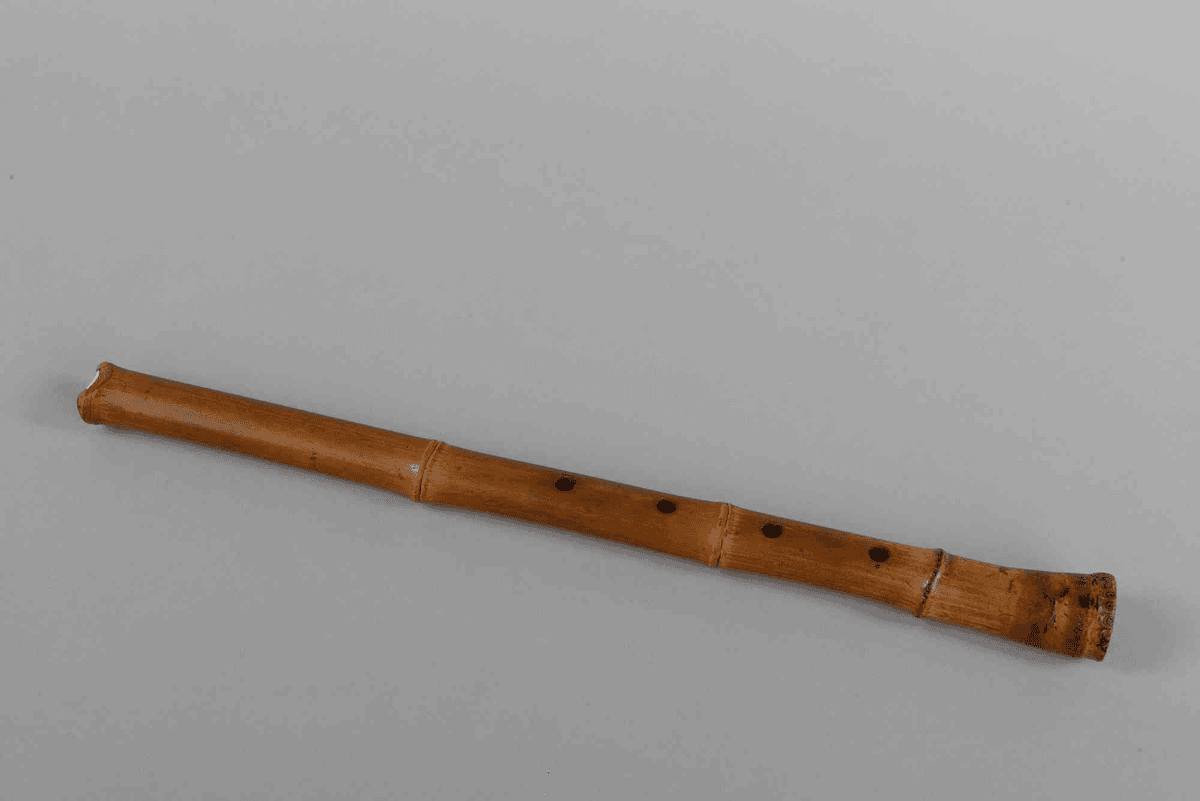
Musée des Amériques, Auch · Public Domain


Making a Quena — The Notched Flute of the Andes
Make a quena: the open-ended Andean flute you sound by blowing across a squared notch cut into the rim. Cut the cane, carve the notch, bore the finger holes and tune them. A buildable project in the notched (rim-blown) flute — the melodic voice of the high Andes, older than the Inca.
Intermediate
A few hours
Instructions
1
1
A flute you blow across a notch
A flute you blow across a notch
The quena is an open tube with a small notch cut into the top rim. You rest the rim on your lower lip and blow a thin ribbon of air across the notch — there is no whistle mouthpiece, YOU are the whistle. It is the singing melody voice of the Andes.
2
2
Cut and clean the tube
Cut and clean the tube
Cut a straight length of cane (about a forearm long) OPEN at both ends, and clear out the inner nodes so the bore runs clean and smooth from end to end.
Materials for this step:
 Bamboo1 piece
Tools needed:
 Hacksaw
3
3
Carve the notch
Carve the notch
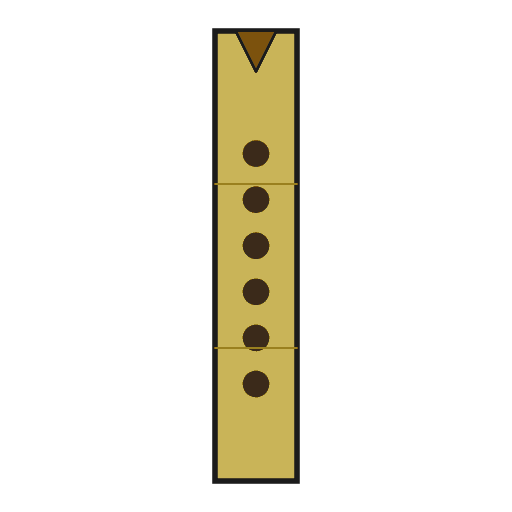
At the top rim cut a small squared U-notch and bevel its far edge to a clean sharp lip. This edge is the whole instrument's voice — your air ribbon splits on it and sets the air in the tube shaking. Cut it neat and sharp.
Tools needed:
 Sloyd Carving Knife
4
4
Bore the finger holes
Bore the finger holes
Mark and pierce SIX holes down the front and ONE at the back for the thumb. Higher holes (nearer the notch) give higher notes. Start the holes small — you can only ever make them bigger.
Tools needed:
 Awl
Awl5
5
Tune the holes
Tune the holes
Blow and check each note. To RAISE a hole's pitch, widen it a little; to lower it, shave the rim above it. Opening a hole shortens the vibrating air column, so each uncovered hole sounds a higher note.
6
6
Play it
Play it
Rest the notch on your lower lip, aim a narrow air stream across the sharp edge, and cover and uncover the holes. Blow harder to jump the whole tube up an octave — the quena overblows just like every open flute.
7
7
Compendium — the notched, rim-blown flute
Compendium — the notched, rim-blown flute
The quena is an edge-blown (flute-type) instrument: it makes sound the same way as a panpipe, a shakuhachi or a bottle you blow across — a ribbon of your breath strikes a sharp edge and flutters, and that flutter drives the column of air inside the tube to resonate at its natural pitch. What sets the quena apart from a recorder or a whistle is that it has NO built-in windway or fipple to aim the air for you: like the Japanese shakuhachi, the player's own lips form the air jet and aim it at the edge, which is exactly why these flutes are hard to sound at first and endlessly expressive once you can — you bend the pitch and the tone with your breath and your lips. The pitch is set by the length of the air column: a longer tube sounds lower, and opening a finger hole effectively shortens the column to raise the note, while blowing harder makes the column vibrate in halves to jump up an octave (overblowing). Compared with its Youblob cousins: the panpipe (siku) is a bundle of CLOSED tubes with one note each and no finger holes; the shakuhachi is a notched flute like the quena but with a different blade; and the fipple flutes (recorder, tin whistle) build the air-jet edge into the instrument. The quena is ancient — bone and cane quenas from the Andes predate the Inca by thousands of years — and it is still the melodic heart of Andean music.
This blueprint makes
Related Blueprints
These blueprints share knowledge with this one — techniques, materials, or principles that connect them in the learning graph.
CC0 Public Domain
This blueprint is released under CC0. You are free to copy, modify, distribute, and use this work for any purpose, without asking permission.
Support the Maker by purchasing products through their Blueprint where they earn a Maker Commission set by Vendors, or create a new iteration of this Blueprint and include it as a connection in your own Blueprint to share revenue.