ART
BEAUTY & WELLNESS
CRAFT
CULTURE & HISTORY
ENTERTAINMENT
ENVIRONMENT
FOOD & DRINKS
REVERSE ENGINEERING
SCIENCES
SPORTS
TECHNOLOGY
WEARABLES
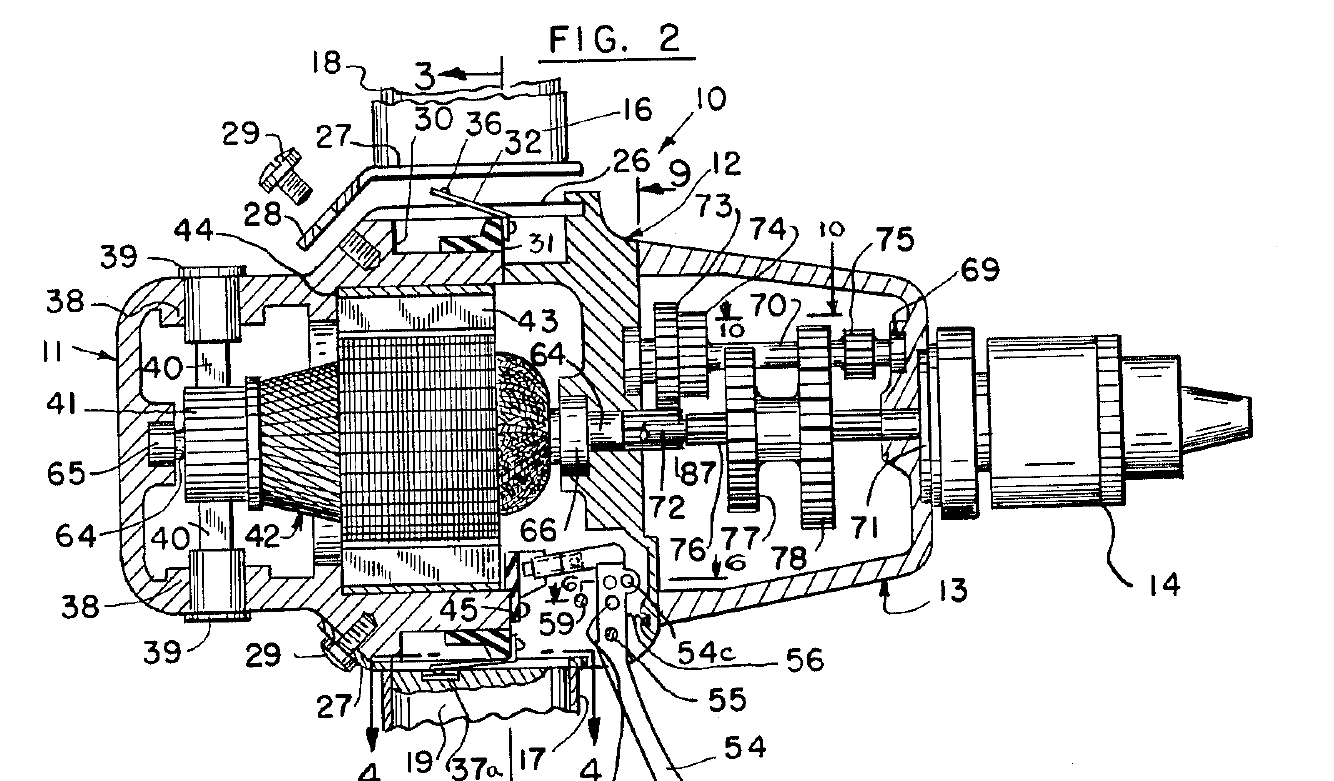


Heavy-Duty Battery-Powered Electric Drill: Riley & Elligson, 1965
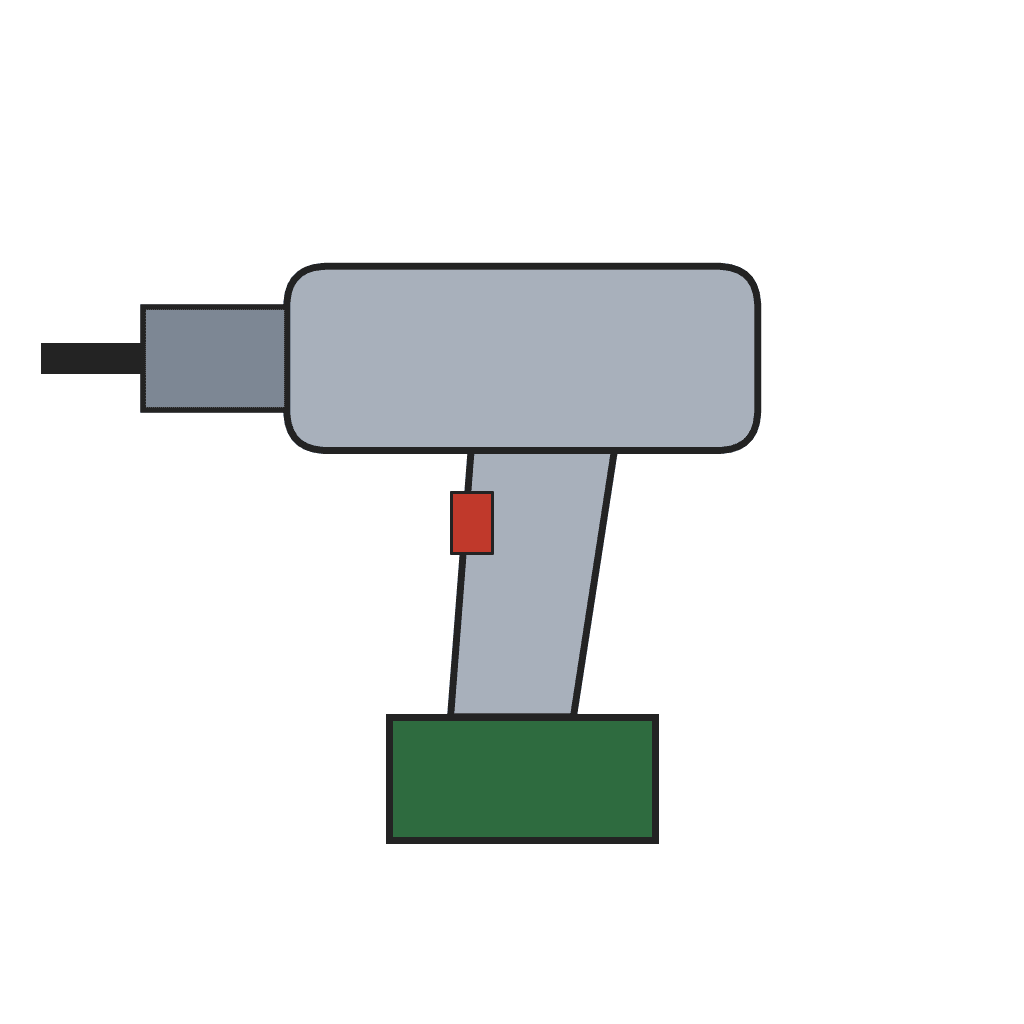
Robert H. Riley Jr. and Daniel M. Elligson of Black & Decker patented a cordless drill in 1965, US 3,213,305, with about the torque of a corded half-inch drill, for contractors and line workers. A permanent-magnet DC motor drives the chuck through a two-speed gearbox. Two hollow side handles each hold a slide-out pack of rechargeable nickel-cadmium or silver-cadmium cells, wired in series with the motor and a trigger switch. Their working model had 18 silver-cadmium cells, about 25 volts in all, and gave 550 rpm in high and 225 rpm with 28 foot-pounds of torque in low. The low voltage made it safe in ordinarily hazardous conditions, such as boat maintenance and repair.
Advanced
Factory process
Instructions
1
1
Field case and motor
Field case and motor
Retain the field assembly, two permanent-magnet tubular segments glued inside a concentric sleeve, in the field case. Fit the brushholders in two bosses at the rear, with silver-graphite brushes riding on the commutator of the wound laminated armature. The working model's armature has 16 slots, each with 10 turns of No. 18 wire.
Materials for this step:
 Drill Field Case1 piece
 Permanent-Magnet Field Assembly1 piece
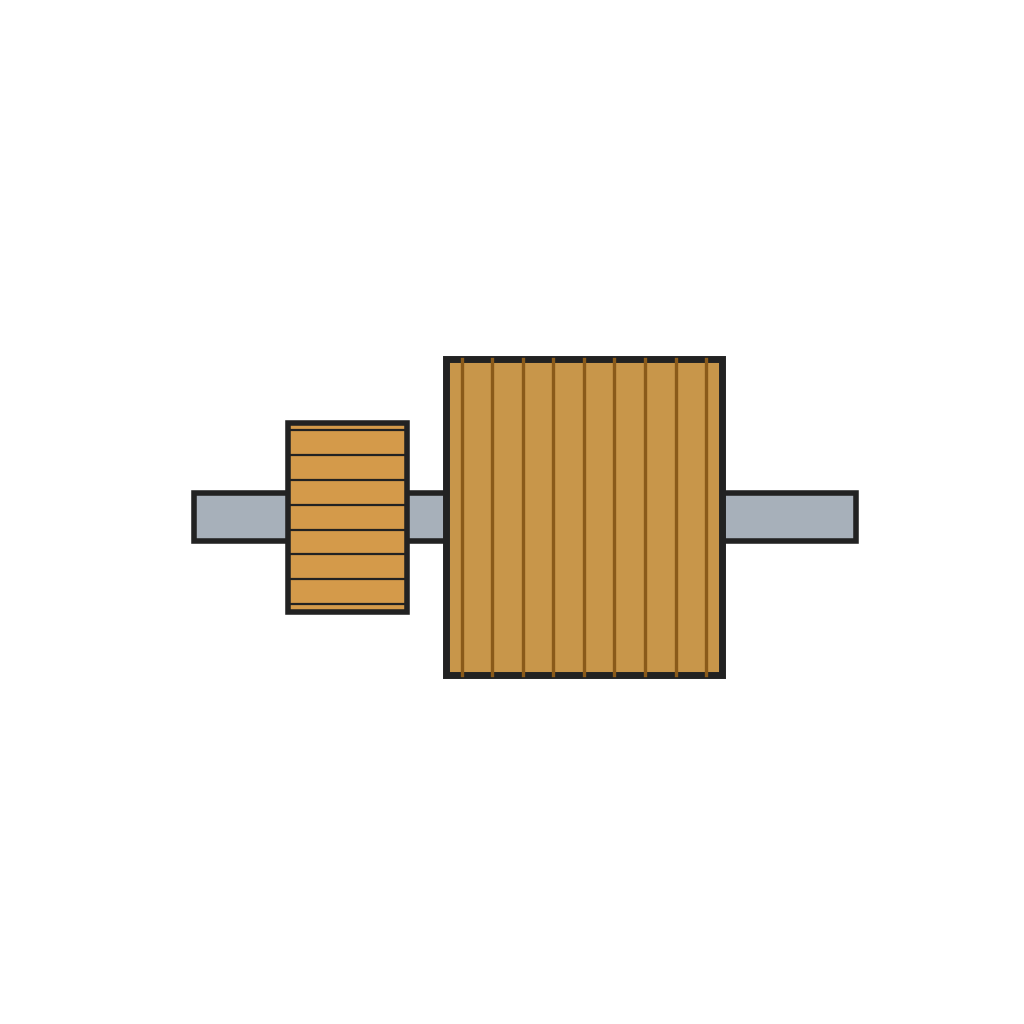 Wound Laminated Armature with Commutator1 piece
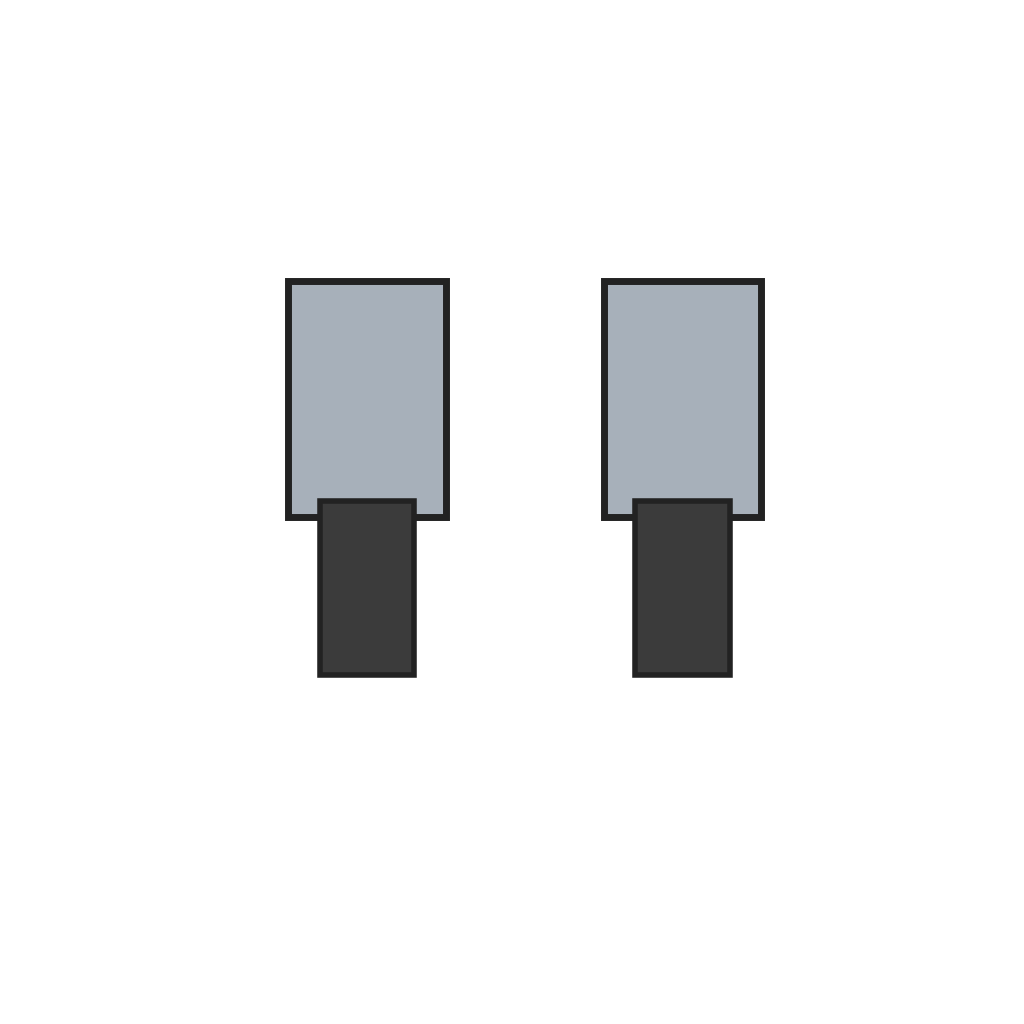 Silver-Graphite Brushes and Holders1 piece
2
2
Gear case
Gear case
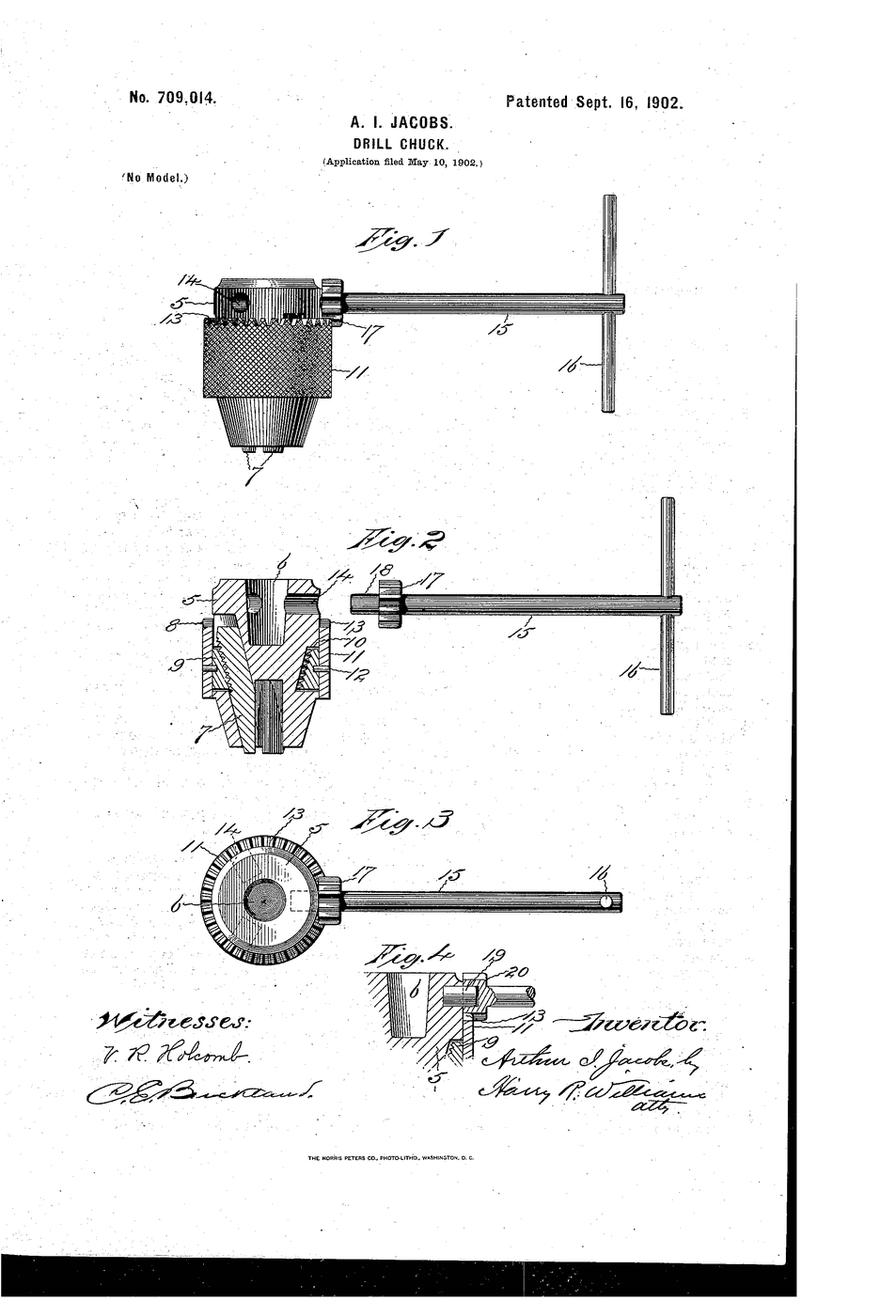
Secure the gear case cover ahead of the field case and the gear case ahead of that. The armature pinion drives an intermediate gear and shaft carrying two pinions; a gear cluster slides on the splined output spindle, and a shift lever turning an eccentric shaft through about 180 degrees moves it to mesh one pinion or the other, for high or low speed. Fit the chuck on the spindle.
Materials for this step:
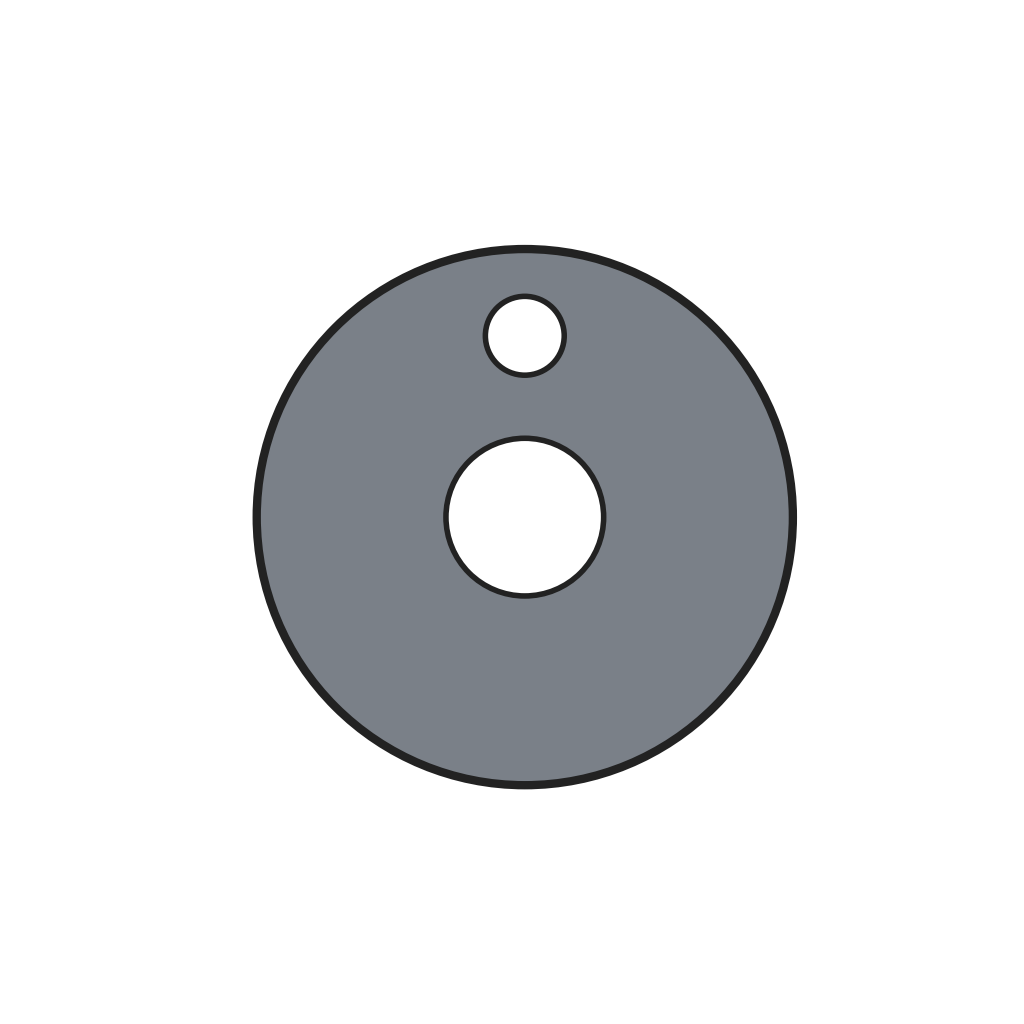 Drill Gear Case Cover1 piece
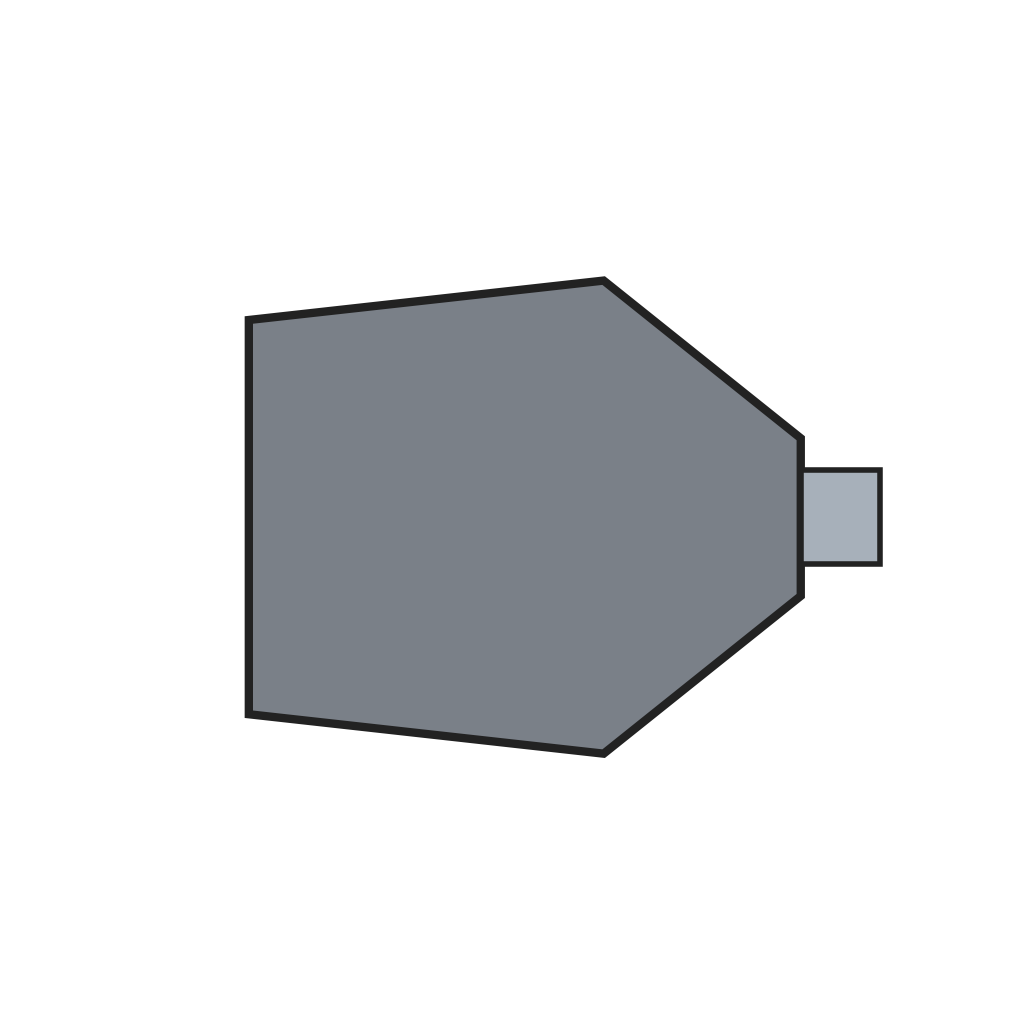 Drill Gear Case1 piece
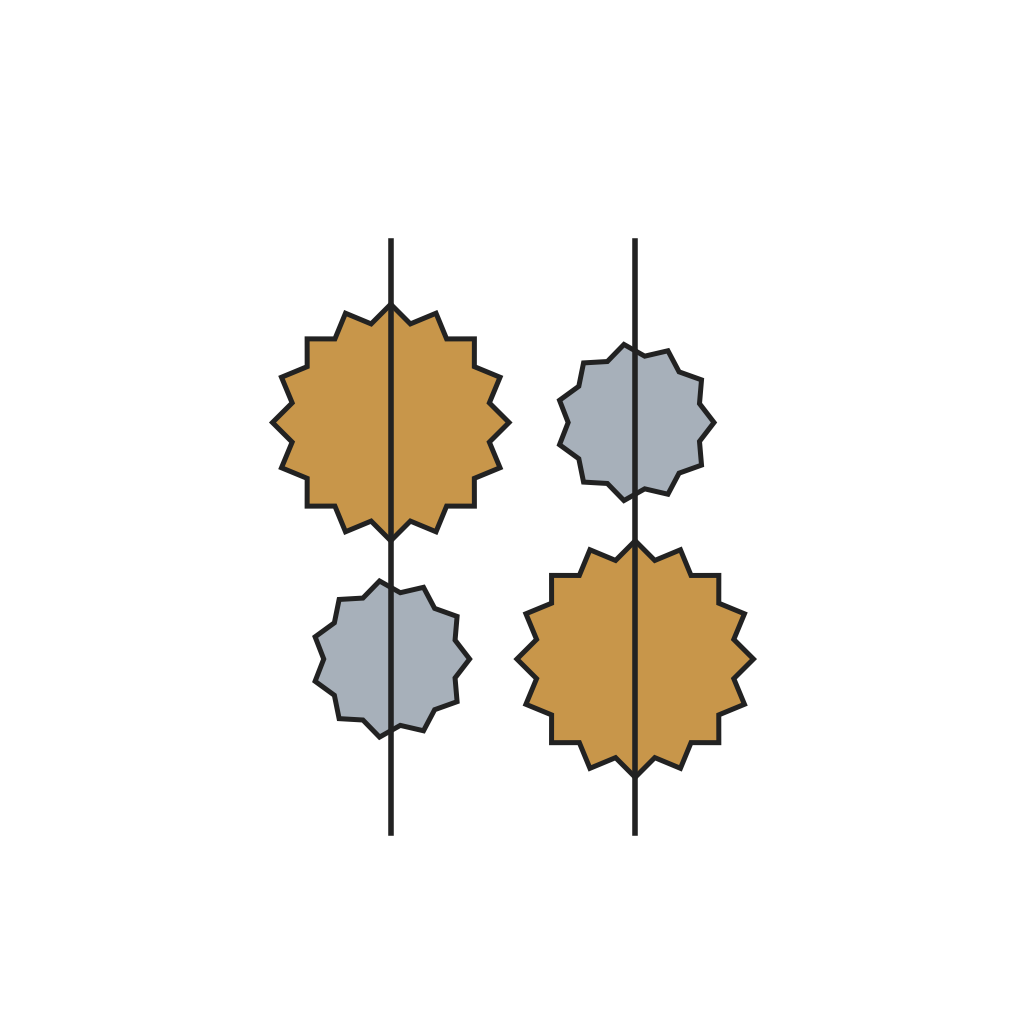 Two-Speed Drill Transmission1 piece
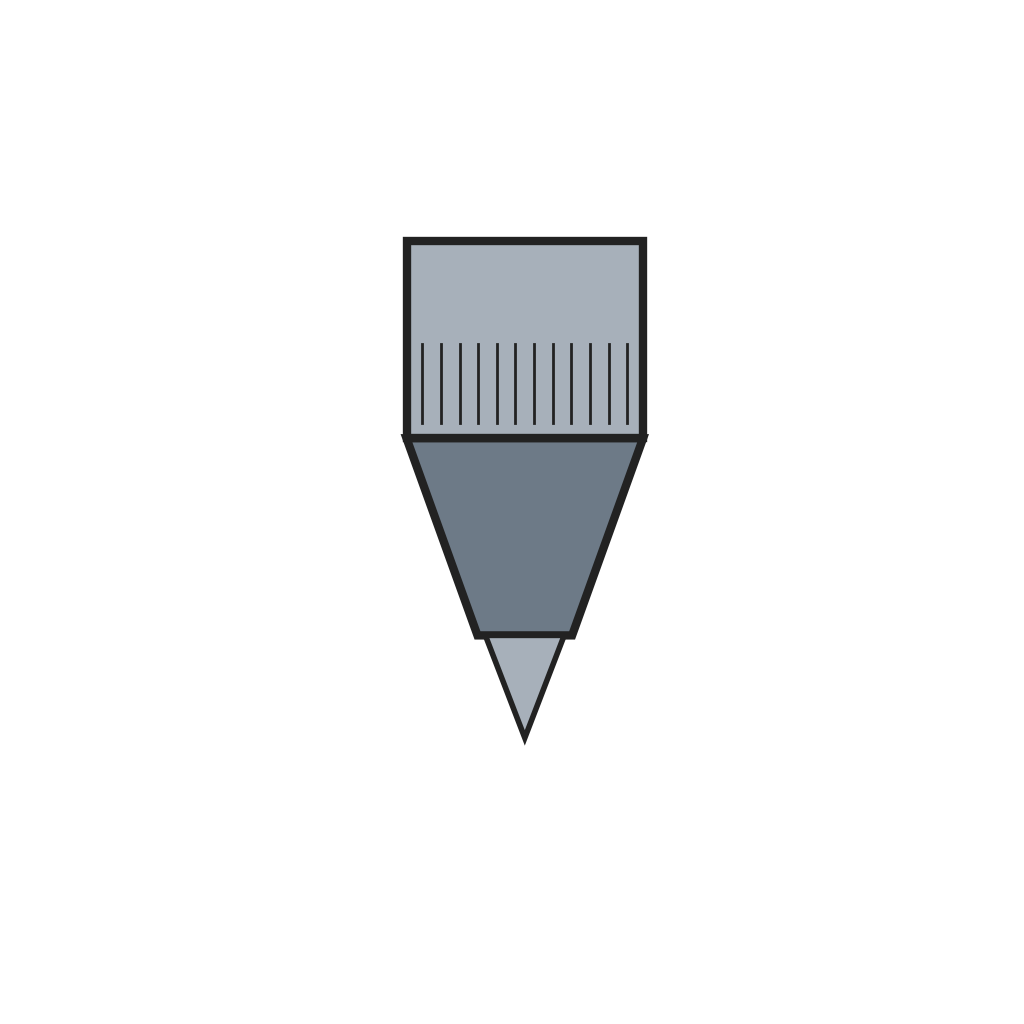 Drill Chuck1 piece
3
3
Battery handles
Battery handles
Screw a hollow handle to each side of the field case, in line with each other and across the drill's axis. Slide a battery pack into each from its open end and close it with a quick-release cover held by a locking spring, with a leaf spring pressing the pack onto the contacts. Fit the end handle at the rear.
Materials for this step:
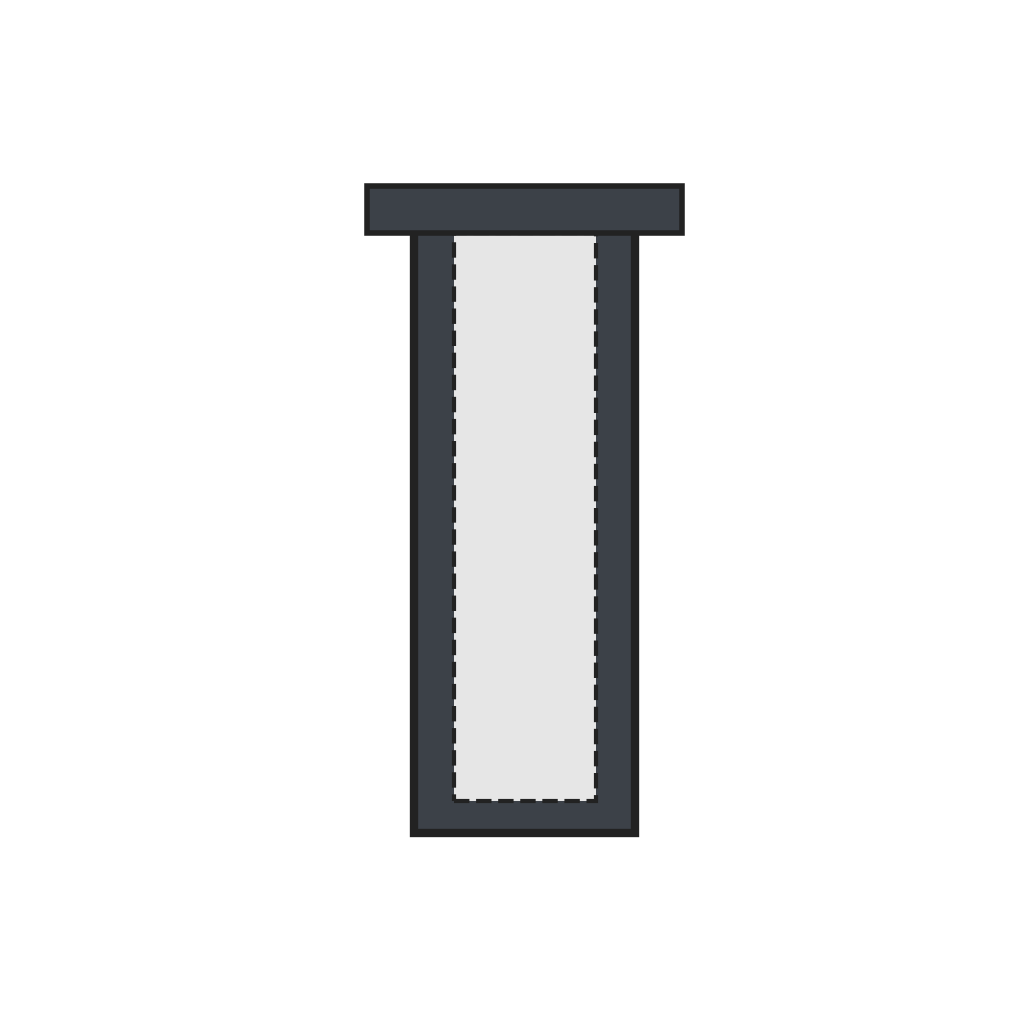 Hollow Battery Handle2 pieces
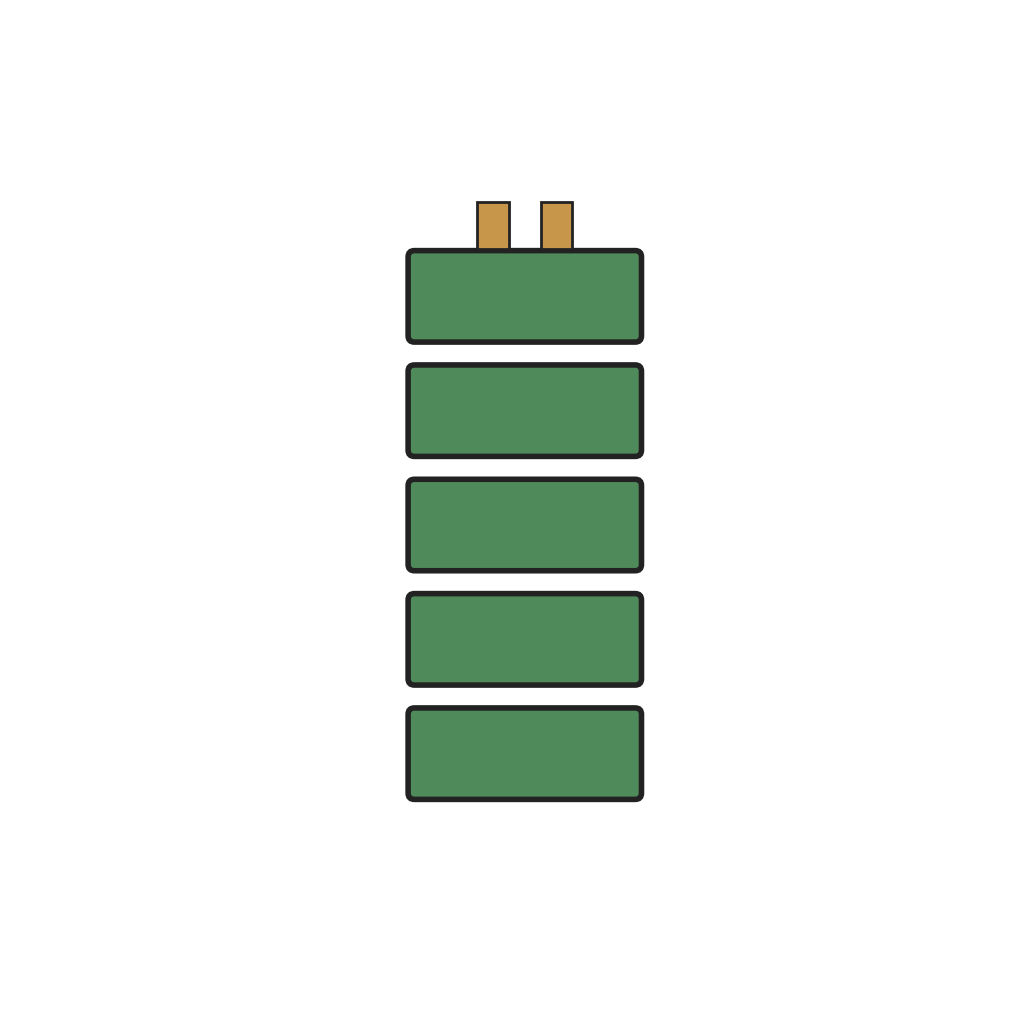 Slide-Out Rechargeable Battery Pack2 pieces
 Quick-Release Handle Cover2 pieces
 End Handle1 piece
4
4
Contacts and trigger
Contacts and trigger
Secure an insulated block with leaf-spring contacts at the top and bottom of the field case to meet each pack's terminals, and wire the packs, the switch contacts and the brushes in series. Pivot the spring-loaded trigger on the gear case cover so its contact bridges the two switch buttons; a sliding pin locks it on or off.
Materials for this step:
 Leaf-Spring Contacts on Insulated Block2 pieces
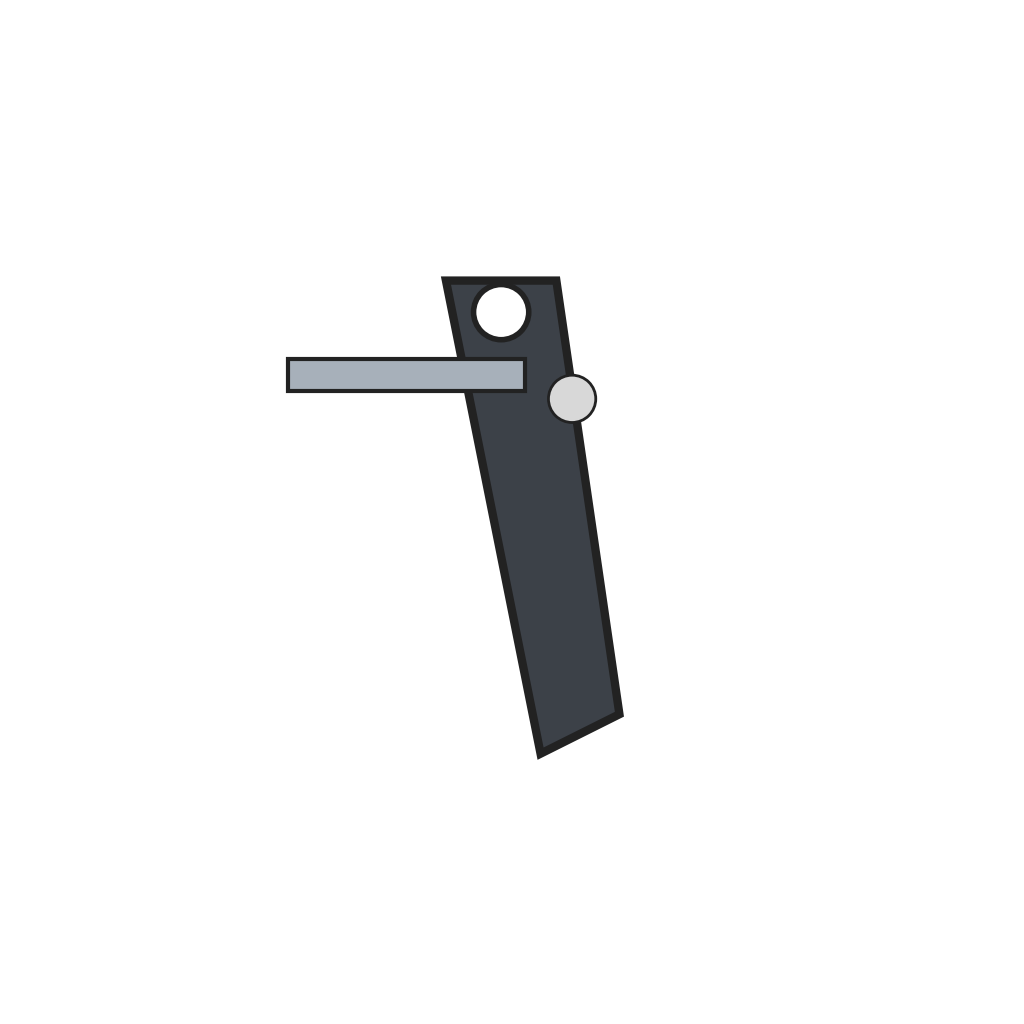 Pivoted Trigger Switch with Lock1 piece
Materials
14- 1 piecePlaceholder
- Placeholder
- Placeholder
- Placeholder
- 1 piecePlaceholder
- 1 piecePlaceholder
- 1 piecePlaceholder
- 1 piecePlaceholder
- 2 piecesPlaceholder
- Placeholder
- 2 piecesPlaceholder
- 1 piecePlaceholder
- Placeholder
- Placeholder
This blueprint makes
Related Blueprints
These blueprints share knowledge with this one — techniques, materials, or principles that connect them in the learning graph.

CC0 Public Domain
This blueprint is released under CC0. You are free to copy, modify, distribute, and use this work for any purpose, without asking permission.
Support the Maker by purchasing products through their Blueprint where they earn a Maker Commission set by Vendors, or create a new iteration of this Blueprint and include it as a connection in your own Blueprint to share revenue.