ART
BEAUTY & WELLNESS
CRAFT
CULTURE & HISTORY
ENTERTAINMENT
ENVIRONMENT
FOOD & DRINKS
REVERSE ENGINEERING
SCIENCES
SPORTS
TECHNOLOGY
WEARABLES
Translated

Bet Nam Tao (Thai Gourd-Float Hook) — a Gourd Float on a Turned Wooden Spindle, an Eight-Strand Braided Line, Floated to Catch Big River Fish
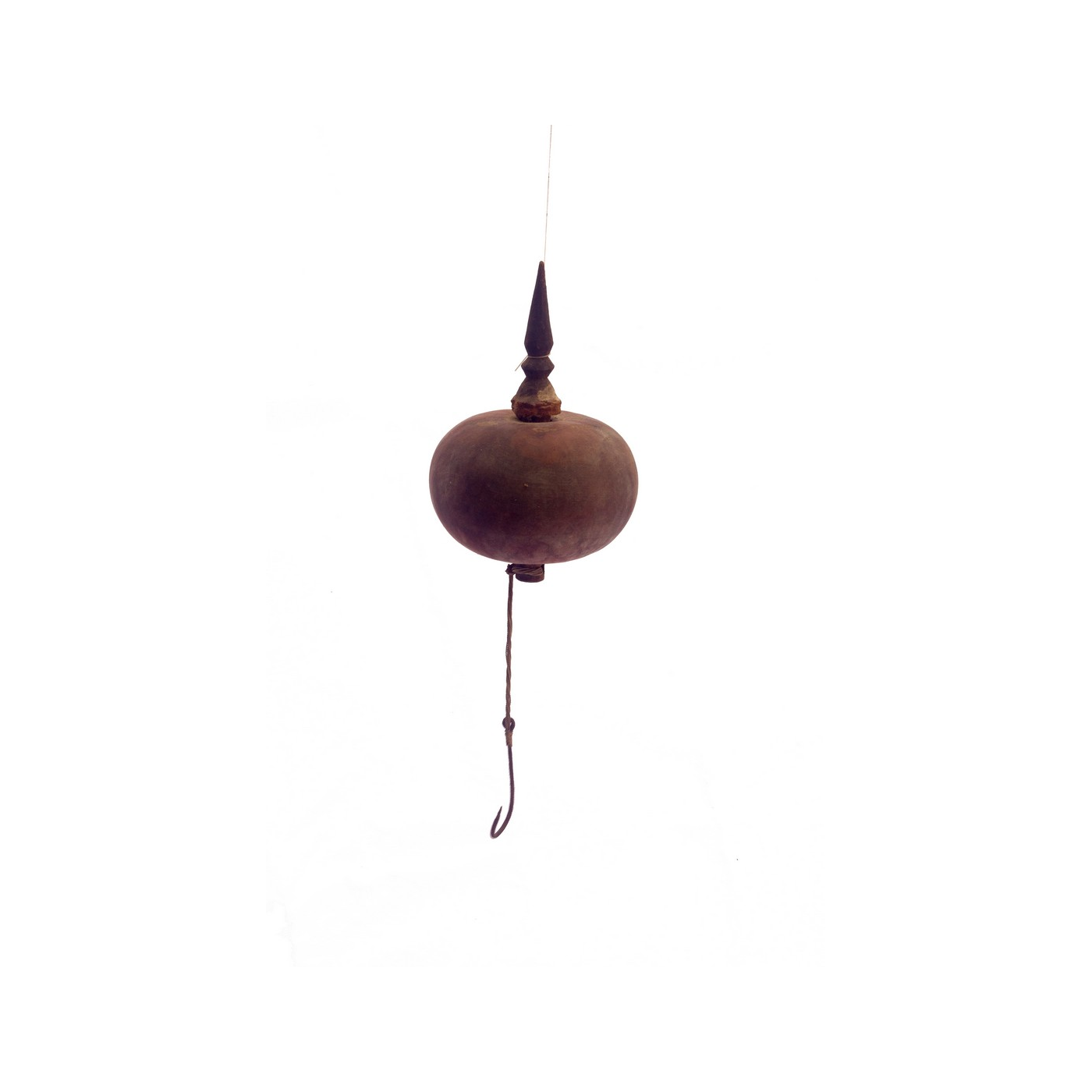
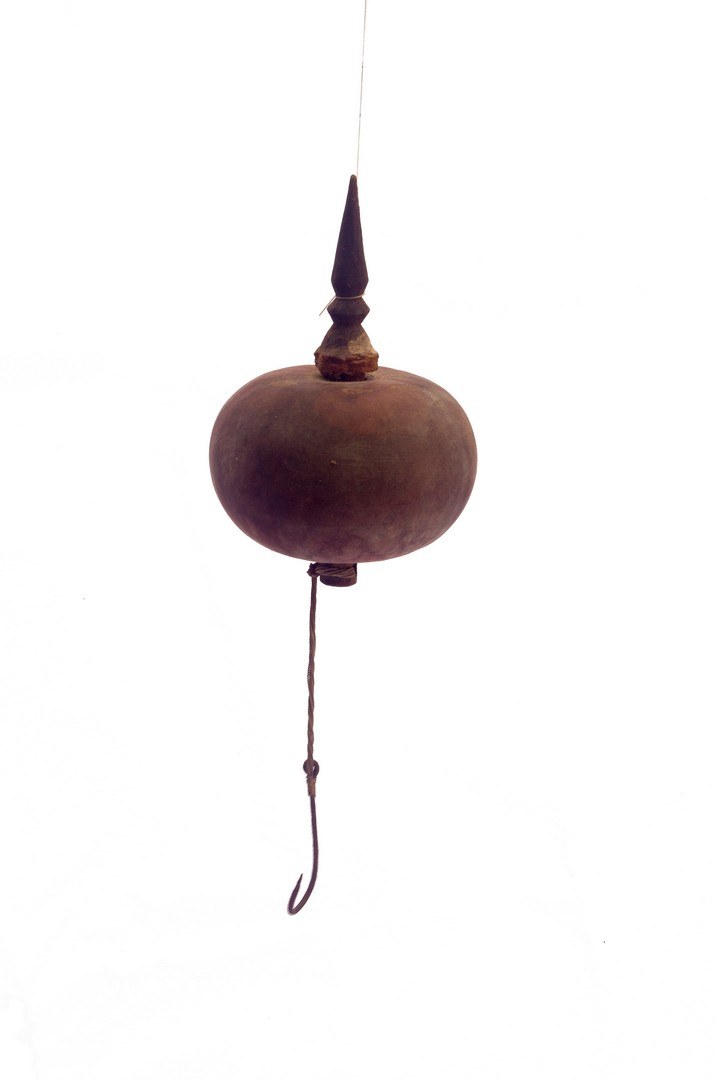
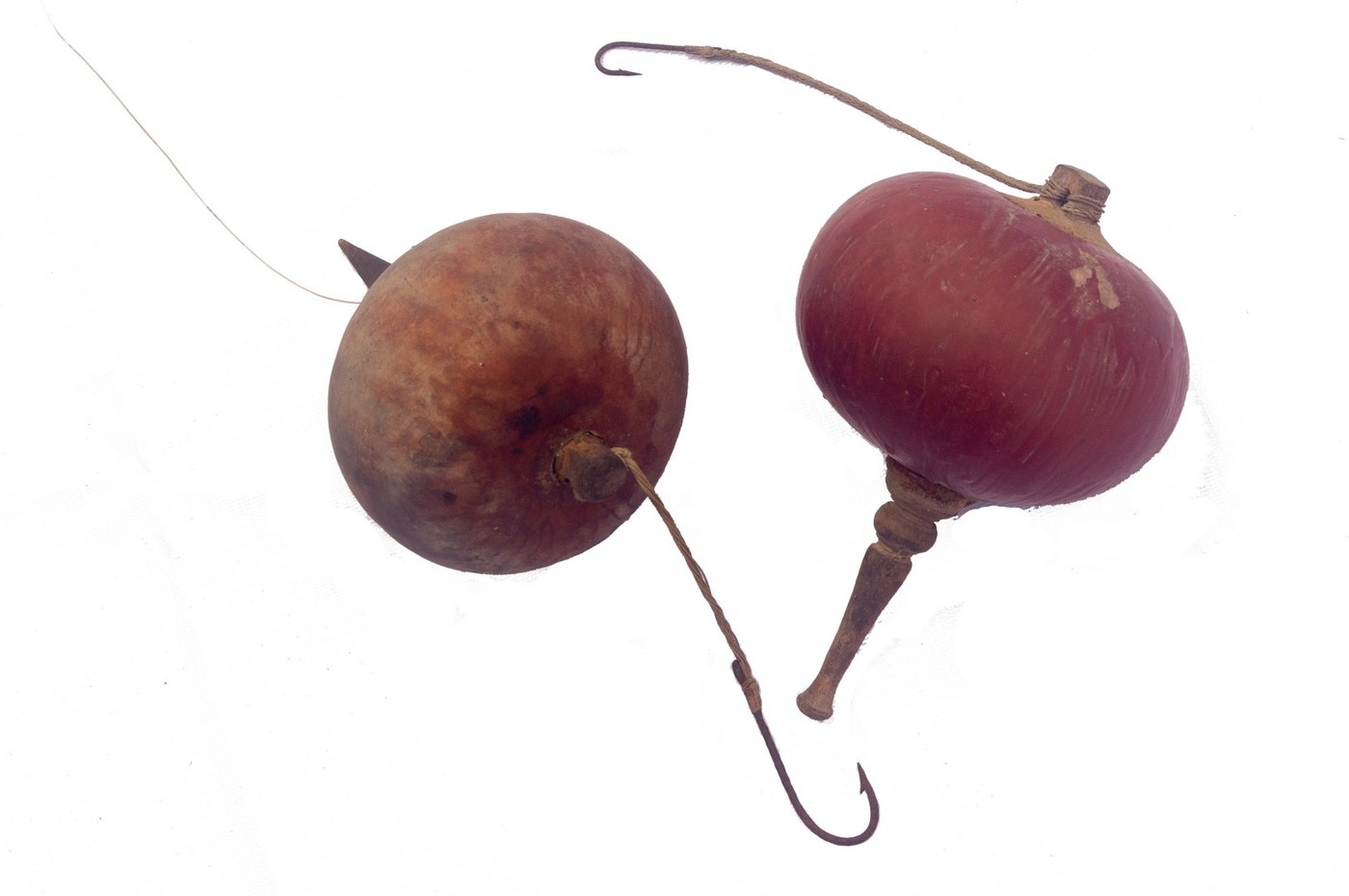
เบ็ดน้ำเต้า (bet nam tao) is a large floating hook that uses a dry, mature gourd as its float, tied to a bamboo pole staked in a river, canal or wide, deep water to catch big fish such as striped catfish, black-ear catfish and silver barb.
This blueprint makes a real bet nam tao to the sizes in the source.
Intermediate
About 1-2 days
Instructions
1
1
Real sizes
Real sizes
Loading Jupyter Notebook...
2
2
Hooks, before it
Hooks, before it
The bet pla na is staked along the bund in shallow water; the bet nam tao floats in deep water mid-river and uses its float to tire out big fish.
3
3
Read from the source
Read from the source
"When a big fish takes the hook, it drags the gourd float under, and when the fish tires the gourd rises above the water again, bobbing up and down as they fight. Once sure the fish is hooked, the fisher paddles over and lifts the float, and the fish is easily caught." (Sirindhorn Anthropology Centre, author ทำนุ วรธงไชย (Thamnu Worathongchai), CC BY 4.0)
4
4
Gourd
Gourd
Use a dry, mature gourd with a thick shell and a balanced shape, about 14 cm across. Cut off the narrow neck so it stands about 9 cm high, scrape out the dry flesh and seeds, and cut a small square hole in the bottom, in line with the top.
Tools needed:
 Knife
Knife Chisel Set - Wood
5
5
Wooden spindle
Wooden spindle
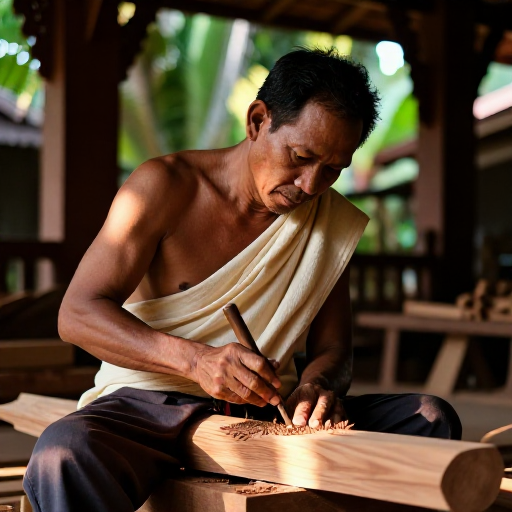
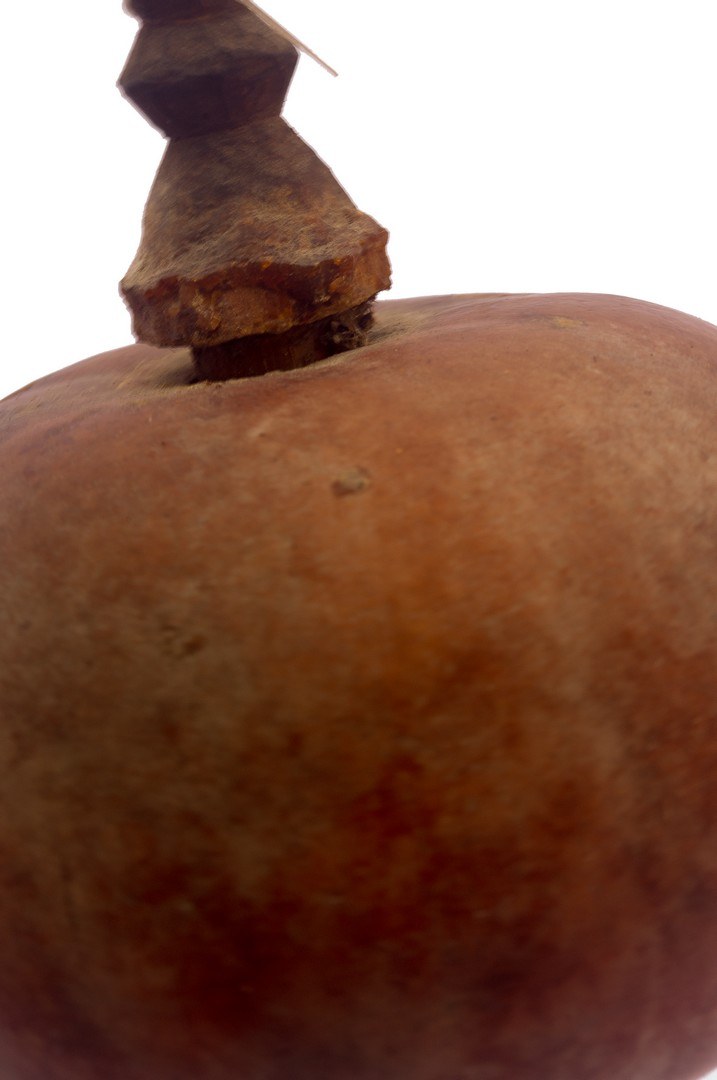
Make a hardwood spindle about 21 cm long and 4 cm thick. Turn the top 10 cm decoratively; make the bottom a square bar that fits the gourd's bottom hole. Push the spindle through from top to bottom, seal it firmly with resin (yang chan) so no water gets in, and bore a hole through the base of the spindle.
Materials for this step:
 Hardwood Block1 piece
Tools needed:
 Wood Lathe
 Turning Tool Set HSS
 Hand Saw
6
6
Line and hook
Line and hook
Use a large hook, about 4 cm from the bend to the shank end. Tie eight cords firmly to the hook shank, braid all eight for about 20 cm, then pass the remaining ends through the hole at the spindle base and tie them fast.
Materials for this step:
 Cotton Twine1 piece
7
7
Real photos
Real photos
Photos of a real bet nam tao from the Nong Bua Khok Folk Museum (Sirindhorn Anthropology Centre, author ทำนุ วรธงไชย (Thamnu Worathongchai), CC BY 4.0).
8
8
How it is used
How it is used
Several are used at a time. Bait with ripe banana cut to fit the hook, or rice mixed with fresh bran pounded sticky, with cotton or kapok fluff mixed in so it does not dissolve. Paddle out to deep water, stake a long bamboo pole firmly, and tie the cord at the spindle base on each gourd to the pole, at different lengths so the floats keep apart. Let them float and watch: the float jerks when a fish takes the bait.
Materials for this step:
 Bamboo Poles1 piece
9
9
Troubleshooting
Troubleshooting
Troubleshooting the bet nam tao.
Flow
Loading...
10
10
History and limits
History and limits
Floating hooks commonly use floats of bamboo tube, coconut shell, foam or sponge; some areas use a gourd and call it bet nam tao. It is rarely used today, perhaps because there are fewer big fish, or because it is fiddly to make, so foam floats are more common. Take care paddling in deep water.
Source: Sirindhorn Anthropology Centre, Traditional Objects of Everyday Use database, "เบ็ดน้ำเต้า", author ทำนุ วรธงไชย (Thamnu Worathongchai), Nong Bua Khok Folk Museum, Buriram (CC BY 4.0 licence).
**Limits** There is no listing for dried gourds, yang chan resin or the hook, so they are named in the text.
Materials
3- 1 piecePlaceholder
- 1 piecePlaceholder
- 1 piecePlaceholder
Tools Required
5- Placeholder
- Placeholder
- Placeholder
- Placeholder
- Placeholder
Related Blueprints
These blueprints share knowledge with this one — techniques, materials, or principles that connect them in the learning graph.
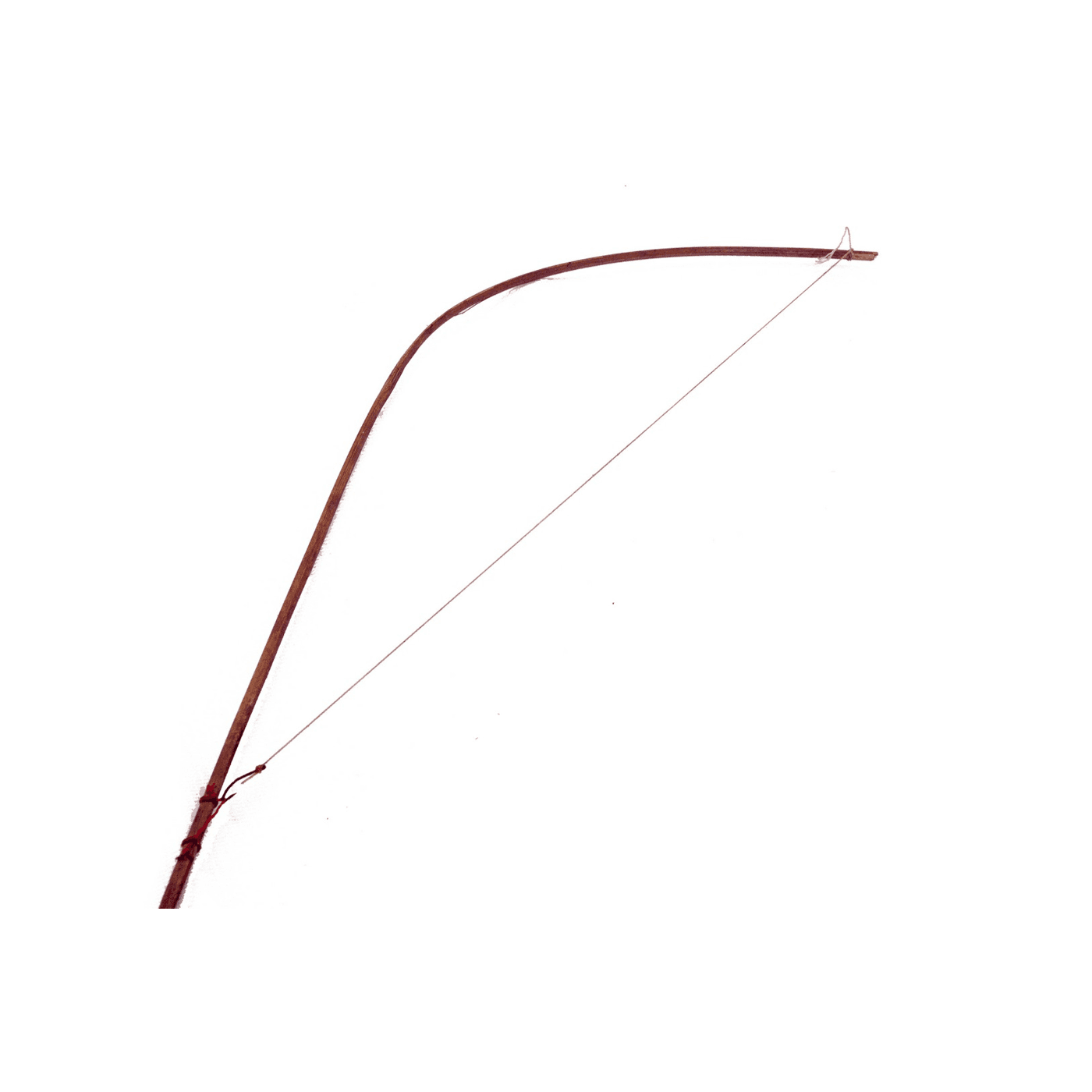
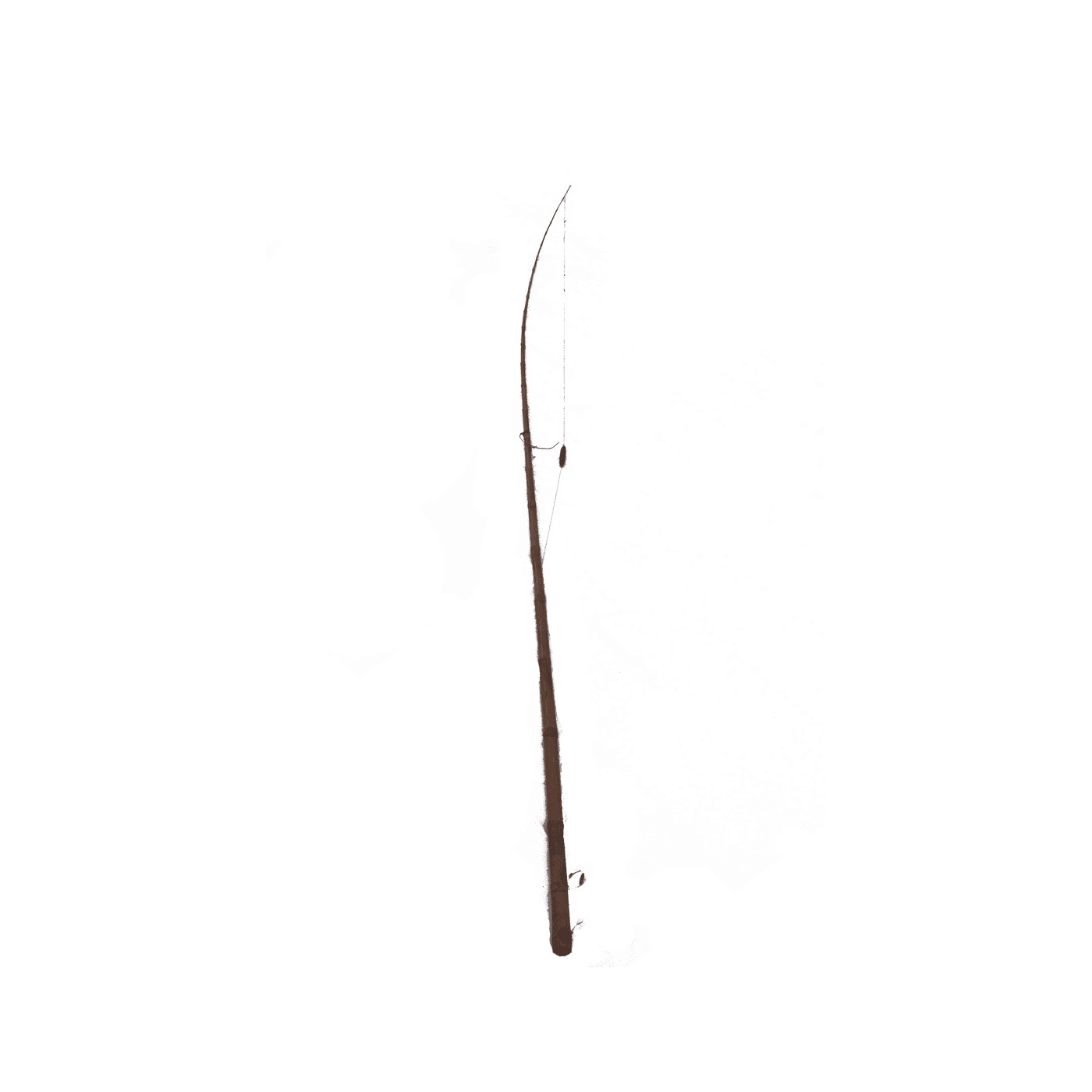
CC0 Public Domain
This blueprint is released under CC0. You are free to copy, modify, distribute, and use this work for any purpose, without asking permission.
Support the Maker by purchasing products through their Blueprint where they earn a Maker Commission set by Vendors, or create a new iteration of this Blueprint and include it as a connection in your own Blueprint to share revenue.